


















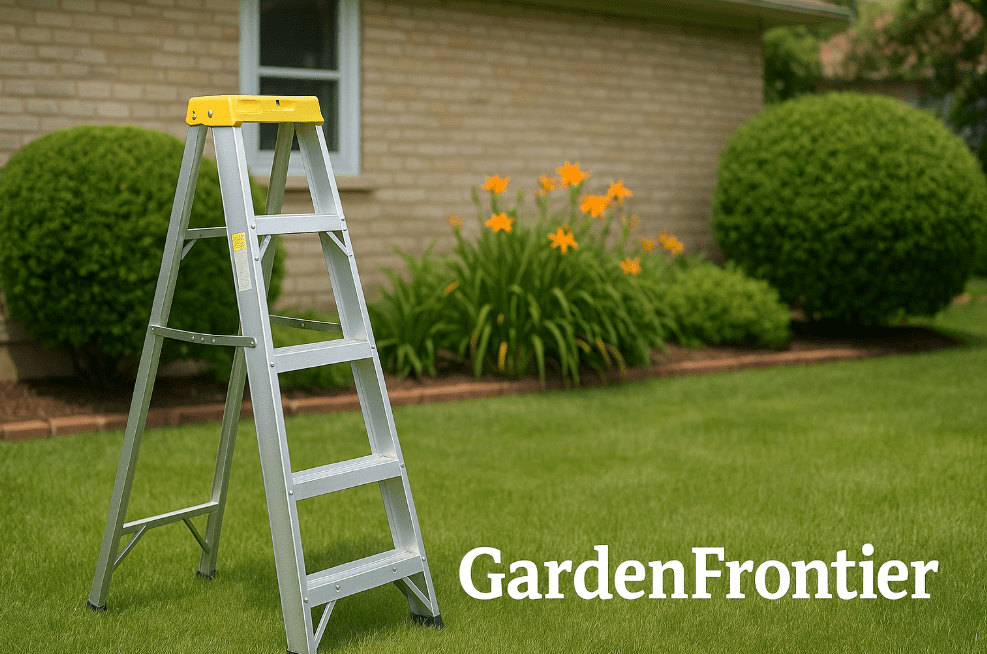
Whether you are changing a ceiling bulb, painting a wall, trimming a hedge, or reaching the top pantry shelf, 4-foot ladders and step ladders are often the most useful tools you can own. They are compact, easy to carry, and still give enough extra height for most day-to-day jobs around the house and garden.
In this guide, we’ll cover:
-
When a 4-foot ladder is the right choice
-
The difference between step stools, step ladders, and platform ladders
-
What ladder duty ratings really mean
-
How high you can realistically reach on a 4-foot ladder
-
Safety basics, maintenance, and buying tips
1. Why 4-Foot Ladders Are So Useful at Home
A 4-foot step ladder sits in a very convenient middle ground:
-
Tall enough for most work under standard 8 ft ceilings
-
Compact enough to store in a closet, pantry, garage, or garden shed
-
Self-supporting, so it does not have to lean against a wall
As a general rule, an adult can usually reach about 3–4 feet above the step they are standing on (without stretching dangerously). On a 4-foot step ladder, which typically provides a comfortable working reach of around 8–9 feet for most people.
That makes a 4-foot ladder ideal for:
-
Light indoor renovation and decorating
-
Basic gardening and landscaping work close to the ground
-
Reaching shelves, cupboards, and storage areas
For many households, this becomes the “everyday ladder” that gets used more than any other size.
2. 4-Foot Ladder vs Step Stool vs Other Ladder Types
It helps to know what you’re actually buying, because shops often mix different products under similar names.
Step Stools
-
Usually shorter than 4 feet
-
Often have 2–3 wide steps
-
Designed for quick, low-level access (kitchen cupboards, wardrobes)
-
Fold almost flat for easy storage
Step Ladders (A-Frame Ladders)
-
The classic A-shaped folding ladder
-
Freestanding – does not need to rest on a wall
-
Common in 4 ft, 6 ft, 8 ft, and taller sizes
-
A 4-foot version is a great first “proper” ladder for homeowners
Platform Step Ladders
-
Similar to a step ladder, but with a large standing platform near the top
-
Often includes a guardrail or handrail
-
Very comfortable for jobs where you stand in one place for a while
Extension and Multi-Purpose Ladders
-
Straight ladders that lean against a surface or extend to greater heights
-
Ideal for working on gutters, roofs, and upper floors
-
Not usually needed for typical kitchen jobs, low tree pruning, or work over garden beds
For the average GardenFrontier reader, a 4-foot step ladder or platform ladder covers a huge amount of everyday work, indoors and outside.
3. Common Types of 4-Foot Ladders
Not all 4-foot ladders are built the same. Here are the main versions you’ll usually see.
Aluminum 4-Foot Step Ladders
Best for: General indoor use and light outdoor tasks.
Advantages
-
Very light and easy to carry
-
Usually more budget-friendly
-
Perfect for quick tasks: hanging decor, cleaning, painting, small repairs
Drawbacks
-
Conducts electricity – not the best choice near live wiring
-
Can dent or bend if abused
Fiberglass 4-Foot Step Ladders
Best for: Frequent DIY use, heavier jobs, or work near electrical systems.
Advantages
-
Non-conductive when clean and dry
-
Often stiffer and more solid than light aluminum models
-
Many have higher weight ratings and professional-style tops
Drawbacks
-
Heavier than an equivalent aluminum ladder
-
Typically more expensive
4-Foot Platform Ladders
Best for: Painting rooms, installing fixtures, standing over raised beds, and stock work.
Advantages
-
A wide platform feels like standing on a small floor rather than a narrow rung
-
Handrail or guardrail adds confidence and stability
-
Great when you stay in one position for more than a minute or two
Drawbacks
-
Bulky compared to slim step ladders
-
Takes a bit more storage space
Folding Household 3–4 Step Ladders
These are sometimes marketed as “household step ladders” or “3-step ladders.”
Advantages
-
Slim, neat design, easy to store behind a door or beside a fridge
-
Wide, anti-slip treads
-
Ideal for kitchen, closet, bathroom, or utility room
Drawbacks
-
Often lower duty ratings
-
Not designed for rough construction or trade work
Quick Comparison
| Type | Main Use | Typical Material | Typical Use Case |
|---|---|---|---|
| Standard 4 ft Step Ladder | General home and garden jobs | Aluminum/Fiberglass | All-round daily ladder |
| 4 ft Fiberglass “Pro” Ladder | DIY + light professional work | Fiberglass | Heavier users, near electrical work |
| 4 ft Platform Ladder | Painting, fixtures, pruning, stock | Aluminum/Fiberglass | Long tasks in one spot |
| 3–4 Step Folding Household Type | Low-level access indoors | Steel/Aluminum | Kitchen, wardrobes, light cleaning |
4. Ladder Duty Ratings and Weight Limits
Every serious ladder has a duty rating printed on it. This rating includes:
-
Your body weight
-
Your clothing and shoes
-
Tools, paint cans, and any materials you’re carrying or resting on the ladder
Common ratings you’ll see:
| Duty Rating | Label | Max Load (approx.) | Typical Use |
|---|---|---|---|
| Type III | Light Duty | 200 lb | Occasional light home tasks |
| Type II | Medium Duty | 225 lb | Regular household use |
| Type I | Heavy Duty | 250 lb | DIY and light trade |
| Type IA | Extra Heavy | 300 lb | Pros with tools and equipment |
| Type IAA | Special Duty | 375 lb | Heavy industrial/pro use |
For most homeowners, it’s wise to avoid Type III unless you are very light and use it only occasionally.
Aim for Type I or Type IA so you have a generous safety margin and a ladder that feels solid underfoot.
5. How High You Can Reach With a 4-Foot Ladder
Highest Safe Standing Level
With a typical step ladder:
-
You should not stand on the top cap
-
The recommended highest standing level is usually two steps down from the top
That point is typically located around 2 feet above the ground when using a 4-foot ladder.
Realistic Reach Height
From that step, most adults can comfortably and safely reach:
-
Around 8 to 9 feet above the floor or ground
This is enough for:
-
Working under standard 8 ft ceilings
-
Reaching most ceiling corners and light fittings
-
Cleaning or painting the top of the walls
-
Low outdoor work, such as trimming shrubs, working over raised beds, and cleaning low windows
If your ceilings are 9–10 ft or more, a 4-foot ladder still helps with many tasks, but you might eventually want to add a 6-foot ladder for certain high spots.
6. How to Choose the Right 4-Foot Ladder
When you’re comparing models, use this simple checklist.
1. Decide where you’ll use it most
-
Mostly indoors? You can prioritize lightweight and compact storage.
-
Mostly outdoors or in the garden? Look for good stability and large feet.
-
Anywhere near electrical work? Fiberglass is a safer material.
2. Pick the material
-
Aluminum – best when weight and price matter most.
-
Fiberglass – best for durability and for any situation where there is a chance of contact with live electrical components.
3. Check the duty rating
-
For long-term peace of mind, aim for at least Type I (250 lb).
-
If you’re a heavier user or carry heavy tools and paint, consider Type IA or IAA.
4. Decide between standard steps or platform
Choose a platform ladder if you:
-
Paint walls or ceilings
-
Do detailed work on fixtures and fittings
-
Spend time pruning or tying plants over garden beds
The larger platform significantly enhances comfort and stability for extended jobs.
5. Look at the top tray and features
Small features make a big difference:
-
Slots for screwdrivers and pliers
-
Space for a paint can or bucket
-
Hook or notch for hanging a small tool or paint tray
-
Magnetic areas for screws and small parts
These little design touches save trips up and down the ladder.
6. Check weight and folded size
-
Make sure you’re comfortable carrying the ladder up steps or across the yard
-
Confirm that the folded height and thickness will fit your intended storage space
-
Look at step width and depth – wider, anti-slip steps feel much safer
7. Safety Checklist for Everyday Use
Even a small ladder can cause a serious fall if used carelessly. Before every use, run through this quick checklist.
Before You Climb
-
Inspect the ladder for cracks, bends, loose steps, or missing caps and feet
-
Ensure the spreaders and hinges open and close smoothly
-
Check that all labels and safety instructions are present and readable
Setting Up
-
Fully open the ladder and lock the spreaders
-
Place the ladder on a firm, level surface – not on stones, cables, or uneven boards
-
Avoid slippery surfaces and soft soil wherever possible
Climbing and Working
-
Face the ladder while climbing and keep three points of contact
-
Do not carry heavy items in your hands – use a belt, pouch, or hoist them up separately
-
Keep your hips roughly between the side rails
-
Do not stand on the top step or the top cap
-
Do not move or “walk” the ladder while you are standing on it
People, Pets, and Traffic
-
Keep children away from the ladder area
-
Keep pets from running under or around the ladder
-
Avoid setting up in doorways or busy walkways unless you can block access
8. Maintenance, Care, and Storage
A little care goes a long way. A good 4-foot ladder can last many years if you take care of it.
-
Clean after messy jobs
-
Wipe off paint, plaster, soil, and debris
-
Clean anti-slip treads so they keep their grip
-
-
Check hardware regularly
-
Tighten bolts, nuts, and screws if the manufacturer allows it
-
Replace worn feet or caps with original-type parts if available
-
-
Store it correctly
-
Keep it dry and protected from extreme sun or moisture
-
Hang it on wall hooks or stand it upright in a safe corner
-
Avoid leaving it lying on the ground where it can be stepped on or driven over
-
-
Pay attention to age and condition
-
If the ladder shows serious cracks, bends, or persistent wobbles, it’s time to retire it and upgrade
-
9. Quick Buying Checklist
When you’re ready to order a 4-foot ladder online or pick one up locally, run through this short list:
-
Is it clearly listed as a 4 ft step ladder?
-
What duty rating does it have (aim for Type I or better)?
-
Which material (aluminum for lightweight, fiberglass for strength and electrical safety)?
-
Does it have the top tray or platform features you want?
-
Is the weight acceptable for you to carry comfortably?
-
Will the folded size fit in your storage space?
-
Do the steps look wide and non-slip?
If the answer is “yes” on all points, you’re likely looking at a ladder that will serve you well for many years.
[azonpress template=”table” asin=”B003OYIWWW,B0CBK9SWCN,B000KL4XHU,B01BBT853W,B00004RKAK,B008DRMQ9U”]
10. Frequently Asked Questions
Is a 4-foot ladder enough for 8-foot ceilings?
For most adults, yes. When you stand on the recommended step (two down from the top), you can usually reach an 8-foot ceiling comfortably for tasks like changing bulbs, painting, or dusting.
Can I stand on the very top of a 4-foot ladder?
No. The top cap is not designed as a standing surface on most step ladders. The highest safe standing level is typically two steps below the top. Standing higher than that greatly increases your risk of losing balance.
What’s the difference between a 4-foot ladder and a 3-step ladder?
A 4-foot step ladder refers to the overall height of the ladder, measured from the ground to the top. It’s a full ladder with rails and multiple steps.
A 3-step ladder or step stool is typically shorter and designed for lighter, low-level tasks, such as reaching kitchen shelves or closet storage.
Which is better: aluminum or fiberglass for a 4-foot ladder?
-
Choose aluminum if you want something lightweight and easy to move, primarily for simple household tasks.
-
Choose fiberglass if you want more strength and stiffness, and especially if there is any chance you will work near electrical wiring or equipment.
What duty rating should I choose for home use?
If your budget allows, aim for Type I (250 lb) or Type IA (300 lb). These ratings provide a comfortable margin for your body weight, plus tools and materials, and generally feel more stable.
How do I know when my ladder should be replaced?
If the ladder is visibly cracked, bent, missing parts, or feels unstable even on a flat surface, it is safer to replace it. Also consider replacing very old ladders that no longer display readable safety labels or that have been subjected to heavy use in harsh conditions.