










If you are trying to create a secluded oasis in your backyard, patio, or apartment balcony, an outdoor metal privacy screen is a must-have. While traditional wooden fences or trellises look appealing initially, they inevitably warp, crack, rot, and require constant staining or painting. That is why professional landscapers are increasingly turning to decorative metal privacy screens.
These metal structures offer an unbeatable combination of durability, modern aesthetics, and zero-maintenance longevity. However, not all options are built to survive the elements. Cheap screens will rust after one season, lightweight models will tip over in the first windstorm, and poorly designed patterns simply don’t block enough of the neighbors’ view. In this guide, we will break down the best-rated privacy screen panels on the market, explain how to fix common outdoor issues, and help you choose the model that fits your space.

🔥 Quick Picks: Top Metal Privacy Screens
- Best Overall & High Winds: Veradek Outdoor Privacy Screen Kit
- Best Budget: FENCY Decorative Metal Screen
- Best for Balconies: Freestanding Folding Metal Screen
Metal vs. Wood Privacy Screens: Which Should You Choose?
Before investing in outdoor decor, many homeowners debate between wood and metal. Here is the bottom line:
- Wood is excellent if you want a natural, rustic look and don’t mind annual maintenance. However, it is highly susceptible to moisture, termites, and warping.
- Metal (Powder-Coated Steel or Aluminum) has a higher upfront cost but costs zero dollars in maintenance. It brings a sleek, contemporary, architectural feel to a patio and will easily outlast a wooden trellis by a decade. If you want a “set it and forget it” solution, metal wins every time.
Quick Comparison Guide
| Product Model | Primary Material | Best Use Case | Wind Resistance |
|---|---|---|---|
| Veradek Screen Kit | Powder-Coated Steel | Patios & Modern Yards | High (When anchored) |
| FENCY Decorative Screen | Lightweight Metal | Budget Projects | Low to Medium |
| Freestanding Folding Screen | Aluminum/Steel Blend | Renters & Balconies | Medium |
How We Chose These Metal Privacy Screens
We focused on materials, weather resistance, installation options, wind stability, coverage, and suitability for common outdoor spaces such as patios, balconies, and backyards.
Top Metal Privacy Screens (Detailed Reviews)
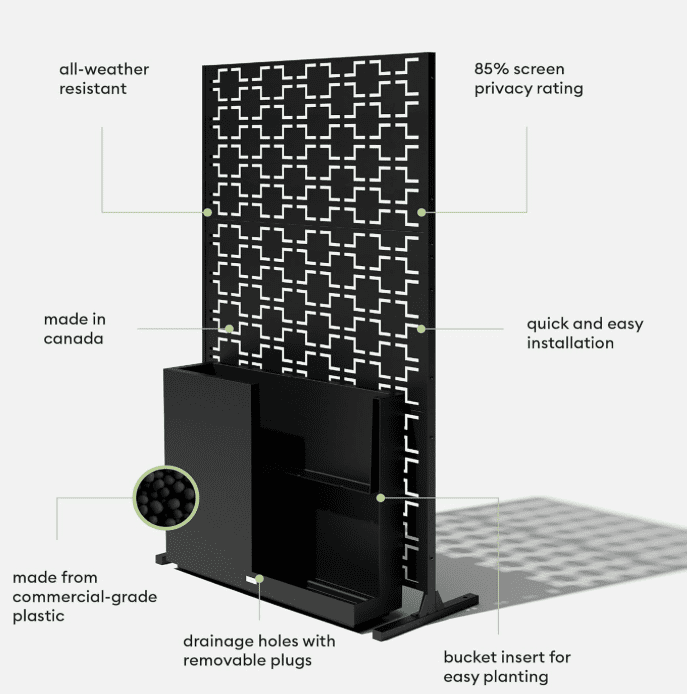
1. Best Overall & Best for Windy Areas: Veradek Outdoor Privacy Screen Kit
If you live in a high-wind area or simply want a premium, architectural look that will last for a decade without rusting, Veradek is one of the strongest premium options in this category. Constructed from fully seam-welded, thick-gauge galvanized steel, these panels are finished with a robust, scratch-resistant powder coating. They are heavy, incredibly stable when bolted down, and feature stunning laser-cut geometric patterns that allow wind to pass through harmlessly.
Best for: Homeowners who want a permanent, low-maintenance privacy solution for patios or backyards.
- Pros: Commercial-grade durability, rust-proof coating, exceptional wind resistance.
- Cons: Higher price point, heavy (requires two people to assemble).
2. Best Budget: FENCY Decorative Metal Screen
You don’t have to spend a fortune to get decent privacy. The FENCY series offers an affordable entry point for homeowners looking for a stylish patio privacy screen. While the metal gauge is slightly thinner than that of the Veradek, it still features a protective, weather-resistant coating. It is an excellent starter option if you need to block a specific sightline or hide an ugly AC unit without breaking the bank.
Best for: Budget-conscious buyers looking for an affordable, lightweight screen to block specific sightlines or hide eyesores.
- Pros: Highly affordable, lightweight, and easy for one person to install.
- Cons: Thinner metal makes it unsuitable for high-wind environments unless heavily reinforced.
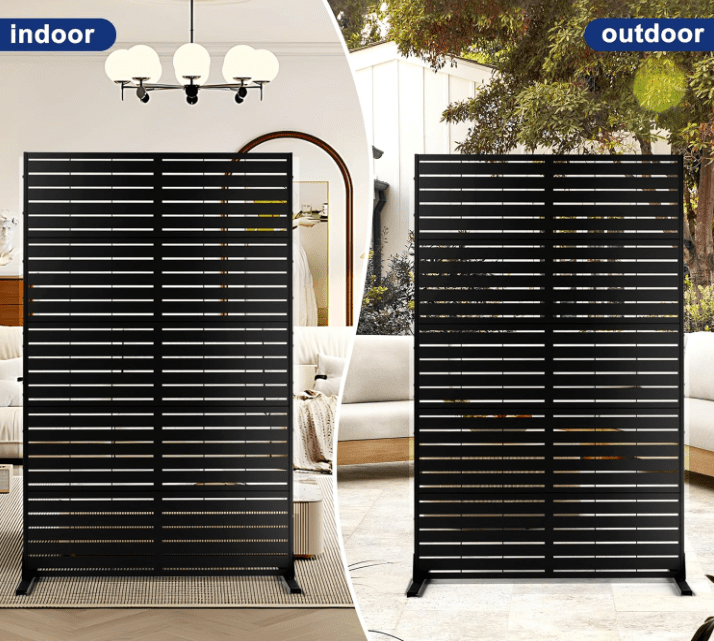
3. Best for Balconies: Freestanding Folding Metal Screen
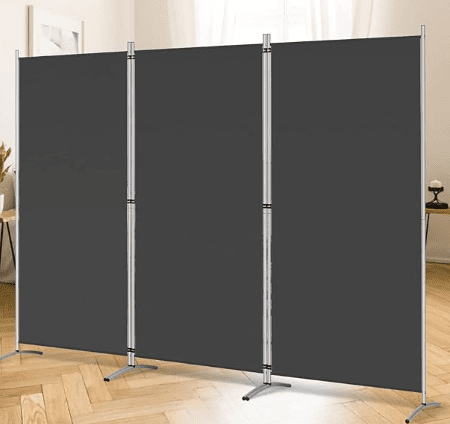
If you are renting an apartment or condo, drilling into the concrete patio or wooden deck is usually strictly prohibited. A freestanding, folding screen is your best solution. These units come pre-hinged; simply unfold them in an accordion shape for instant privacy. They are freestanding, so you can easily move them or adjust them to block the afternoon sun.
Best for: Renters and apartment dwellers who need a portable, zero-installation privacy solution for balconies.
Where to Use Metal Privacy Screens (Backyard, Patio & Balcony)
You don’t need a massive estate to utilize these screens. In fact, privacy screen panels shine brightest in tight spaces where traditional landscaping isn’t possible.
- Backyard: Use multiple panels bolted in a row to hide ugly chain-link fences or pool equipment. They act as modern art pieces while securing your perimeter.
- Patio: Use a single, anchored metal panel to separate your dining area from your grilling station. It creates the illusion of distinct “outdoor rooms,” making the space feel larger.
- Balcony: Use a freestanding tri-fold screen to block out the neighbor’s balcony, which is only a few feet away. Pair it with hanging trailing plants for a lush “living wall” effect.

Common Problems With Metal Privacy Screens (And How to Fix Them)
Before you invest, it is important to know the common hurdles homeowners face and exactly how to solve them like a pro.
1. Tipping Over in High Winds
A solid, unperforated screen acts like a massive sail.
The Fix: Always choose a laser-cut or slatted design to allow wind to pass through. If you are using a freestanding model on a windy deck, place heavy potted plants over the screen’s feet to act as decorative anchors. For permanent fixtures, use heavy-duty concrete wedge anchors to bolt the feet directly into your patio.
2. Rapid Rust Issues
Cheap, untreated steel panels will develop rust spots after the very first rainstorm.
The Fix: Never buy “raw steel” unless you specifically want that rusted, corten-steel patina look. Always ensure your product explicitly states it is Galvanized and Powder-Coated. Powder coating applies a thick, protective, plastic-like shell over the metal, which is vastly superior to regular paint.
3. Not Enough Coverage
Occasionally you buy a screen, set it up, and realize you can still see right through the laser-cut pattern.
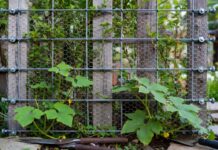
The Fix: If absolute privacy is the goal, check the “opacity rating” before buying (aim for 80% to 90%). If you already own a screen with too much visibility, plant fast-growing climbing vines (like Clematis or Star Jasmine) at the base. The metal acts as a perfect, indestructible trellis.
📚 More Outdoor Privacy Ideas
Looking for more ways to upgrade your outdoor space? Check out our other expert guides:
Final Verdict: Which Metal Privacy Screen Should You Choose?
Upgrading your outdoor space with a metal privacy screen is one of the smartest investments you can make for your home. It provides instant seclusion without the endless maintenance of wood. To summarize your best options:
- If you are on a strict budget and want a quick fix, go with the FENCY Decorative Screen.
- If you are renting an apartment and cannot drill into the floor, the Freestanding Folding Screen is the easiest plug-and-play solution.
- If you want premium, heavy-duty quality that will withstand high winds and last for years, invest in the Veradek Screen Kit. It is the best fit for long-term durability.
Frequently Asked Questions
Are metal privacy screens better than wood?
Yes, if you want a zero-maintenance solution. Wood requires annual staining and is susceptible to rot, termites, and warping. Metal (powder-coated steel or aluminum) has a higher upfront cost but easily outlasts wood by a decade with absolutely no upkeep.
What is the best metal privacy screen for high winds?
The best screen for high winds is a heavy-gauge, galvanized steel screen with laser-cut patterns (like the Veradek series). The cutouts allow the wind to pass through, reducing the structural load, while the heavy base plates allow you to anchor it securely into concrete or deck joists.
How long do powder-coated metal screens last?
A high-quality, powder-coated galvanized steel or aluminum screen can easily last 10 to 15 years outdoors with zero maintenance. Unlike wood, they will never need to be sanded, stained, or sealed.
Can metal privacy screens be used as a trellis?
Yes. Laser-cut metal screens can work as strong trellises for climbing plants such as clematis, jasmine, or climbing roses, as long as the panel is securely anchored and the plant has enough light and airflow.