














Wind is the silent killer of outdoor privacy. You can spend hundreds of dollars on a beautiful, stylish screen, only to find it bent, shredded, or lying in your neighbor’s yard after the very first major summer storm. If you live in a coastal area, a high-altitude apartment floor, or a flat, open plain, you cannot rely on standard “decorative” screens—you need high-wind tested solutions.
The physics of wind on outdoor structures is unforgiving. When you put up a solid barrier, you create a “sail effect.” The wind has nowhere to go, so it pushes against the screen until the weakest point fails. In my decades of landscaping experience, most privacy screens fail not because of the material itself, but because they are not properly anchored or designed to diffuse local wind loads. In this comprehensive guide, we review the best outdoor privacy screens for windy areas, break down the engineering behind wind resistance, and show you exactly how to anchor them so they withstand strong gusts and severe weather.

💨 Quick Picks: Top High-Wind Solutions
- Best Overall (Heavy-Duty): Veradek Galvanized Steel Privacy Kit
- Best Aerodynamic Design: Horizontal Aluminum Slatted Screen
- Best Budget Wind Solution: High-Density HDPE Privacy Fence Mesh
- Best Aesthetic DIY: Artificial Ivy with Mesh Backing
Best Types of Privacy Screens for Windy Areas
Before buying a specific product, you need to understand which materials and designs actually work against strong gusts. Here is a comparison of the top three structural designs:
| Screen Type | How It Beats The Wind | Best Application |
|---|---|---|
| Metal Laser-Cut | Cutout patterns act as relief valves, letting 30-50% of air pass through freely. | Permanent patios & heavy wood decks. |
| Slatted (Wood/Aluminum) | Creates a “louvered” aerodynamic effect, breaking up wind currents. | Modern coastal homes & boundaries. |
| Heavy-Duty Mesh | Micro-perforations diffuse wind pressure without snapping. | Chain-link fences & high-rise balconies. |
How We Chose These High-Wind Screens
To ensure these recommendations survive extreme weather, we evaluated them based on two strict engineering principles: Permeability (does the design naturally allow high-velocity air to pass through without catching?) and Anchoring Strength (does the frame allow for heavy-duty, bolt-down installation rather than flimsy stakes?).
Top High-Wind Privacy Screen Reviews
1. Best Overall: Veradek Galvanized Steel Privacy Kit
Veradek is the benchmark for windy environments. Their screens are manufactured from thick-gauge galvanized steel and feature precision laser-cut patterns. These patterns aren’t just decorative—they are structural air vents. By allowing a calculated percentage of air to flow through the geometric shapes, the screen drastically reduces the “sail effect.” The kit includes heavy, wide-stance feet that are pre-drilled for heavy concrete or wood anchors.
Best for: Homeowners who need a permanent, heavy-duty solution for exposed patios or decks.

2. Best Aerodynamic Design: Horizontal Aluminum Slatted Screen
Slatted screens are aerodynamically superior because the deliberate gaps between the horizontal slats create a “louver” effect. The wind hits the slats and is broken up into smaller, manageable currents, while the angles still prevent neighbors from seeing in. Aluminum is the perfect material here as it is highly rigid but lightweight enough not to put excessive structural strain on your deck joists.
Best for: Modern homes in coastal areas where salt-air corrosion and high coastal winds are both daily issues.
3. Best Budget Wind Solution: High-Density HDPE Privacy Fence Mesh
If you have a large chain-link or wrought-iron fence that gets battered by wind, solid panels will rip the entire fence out of the ground. The safest, most affordable option is a High-Density Polyethylene (HDPE) mesh. If you are exploring cheap backyard privacy ideas, upgrading your existing wire fence with this breathable fabric is the smartest move. It blocks 90% of visibility but its micro-porous structure diffuses wind perfectly.
Best for: Upgrading existing wire or chain-link fences in open, windy yards on a tight budget.
4. Best Aesthetic DIY: Artificial Ivy with Mesh Backing
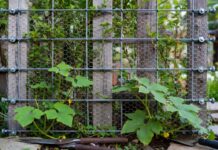
Standard cheap faux ivy panels get destroyed in the wind because the plastic leaves catch the air and snap off. If you want a lush, green look in a windy area, you must buy an artificial ivy screen that is mounted to a high-density mesh backing. The mesh takes the structural load of the wind, protecting the artificial leaves from being ripped away.
Best for: Apartment balconies and high-rises where you want a “living wall” that won’t blow away.
Common Mistakes When Installing Privacy Screens in Windy Areas
Even the strongest screen will fail if installed incorrectly. Avoid these three common, expensive mistakes:
- Mistake 1: Using 100% Solid Panels. Never install solid canvas, unperforated metal, or solid wood panels in a wind corridor. They act as giant sails. Always use designs with at least 20% to 30% permeability.
- Mistake 2: Inadequate Anchoring. Standard plastic zip-ties will snap at 40mph winds. If using mesh on a balcony, use stainless steel zip ties or heavy-duty UV-rated nylon ties. For freestanding metal screens, never rely on the weight of the screen alone—it must be bolted down.
- Mistake 3: Going Too High. The taller the screen, the more leverage the wind has against the base (the fulcrum). If you live in a hurricane or tornado-prone area, keep your privacy screens under 6 feet tall.

The “Anchor Rule” for Windy Spaces
No matter how aerodynamic the screen is, its survival depends entirely on its connection to the ground. Follow this strict anchoring guide:
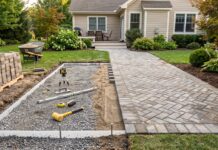
- On Concrete Patios: Use 3/8″ stainless steel wedge anchors. You will need a hammer drill to install these, but they will provide a much stronger hold than standard screws or plastic anchors.
- On Wood Decks: Never screw just into the top deck boards (they will rip out). Use 4-inch heavy-duty lag bolts that penetrate entirely through the deck boards and directly into the thick structural floor joists beneath.
- On Soil/Grass: Freestanding feet are useless on grass in the wind. You must dig a 2-foot hole, insert a 4×4 treated wood post or metal flange, and pour quick-setting concrete.
📚 More Privacy Guides
Explore our other expert guides to upgrade your outdoor sanctuary:
Final Verdict: What Works Best in Windy Areas?
Protecting your privacy shouldn’t mean sacrificing peace of mind every time the wind picks up. To summarize the best high-wind solutions:
- For the strongest permanent option, consider the Veradek Galvanized Steel Kit. It is engineered specifically to handle extreme weather.
- If you are covering an existing fence on a budget, the HDPE Privacy Mesh diffuses wind perfectly and won’t break the bank.
- If you need coastal aesthetics with excellent aerodynamics, the Aluminum Slatted Screen is your best bet.
Frequently Asked Questions
Can a privacy screen be 100% wind-proof?
Nothing in nature is 100% wind-proof. However, “wind-resistant” screens are designed to survive high gusts by deliberately allowing a certain percentage of air to pass through laser-cuts or slats, thereby reducing the pressure on the mounting brackets.
Should I take my screen down during a storm?
Yes. Even the best-anchored, highly permeable screens should be removed or laid flat if severe tropical storms or tornadic activity is approaching. This prevents structural damage to your deck or home if the wind exceeds structural load limits.
Are zip ties strong enough for high winds?
Standard clear or white plastic zip ties will degrade in the sun and snap in the wind. If you must use zip ties (such as for balcony mesh), you must buy heavy-duty, black UV-stabilized nylon zip ties, or better yet, marine-grade stainless steel zip ties.