











I used to think the feeder was the whole trick. Hang it, fill it, wait for birds. That works sometimes, but it is not what keeps birds coming back.
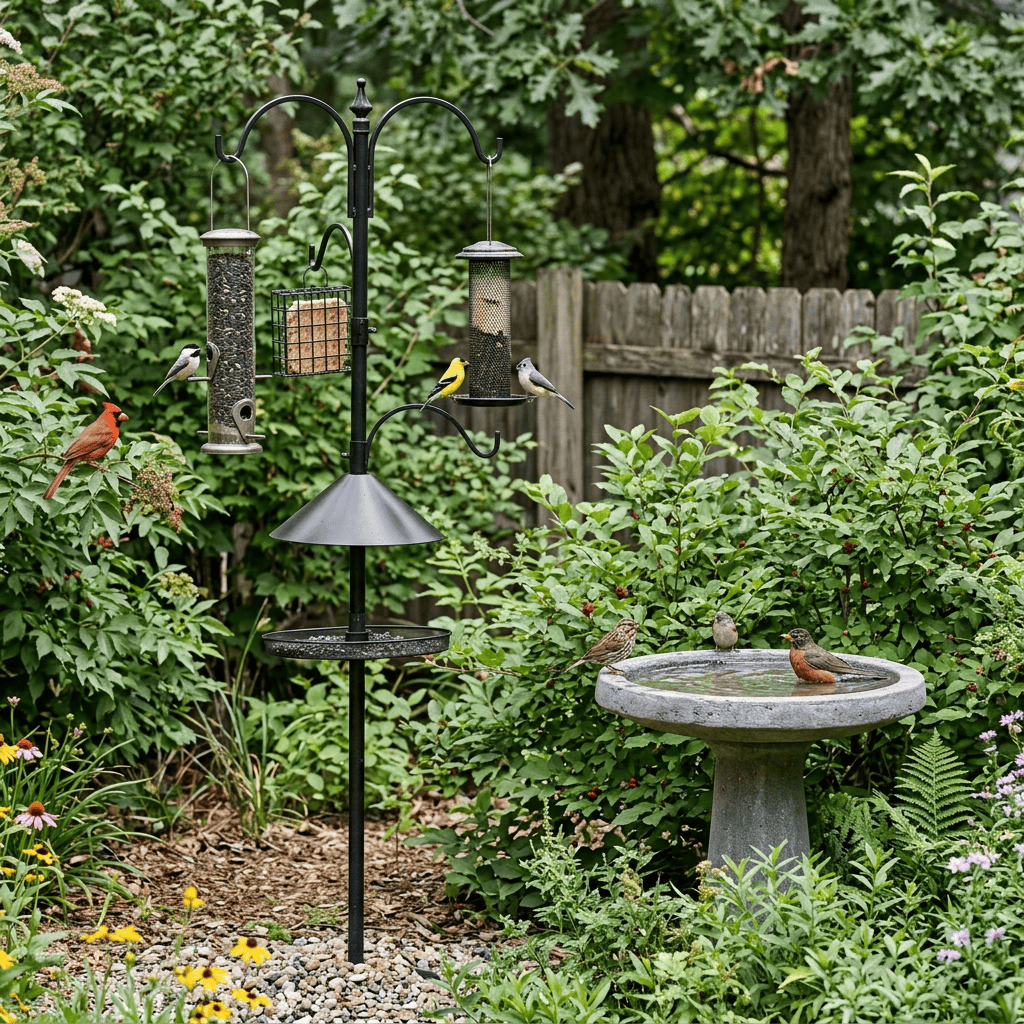
The yards that attract birds feel safe. They have clean food, fresh water, nearby cover, plants that hold insects and seeds, and enough quiet corners where birds can land without feeling exposed. Once I started treating the yard like a small habitat instead of a feeding station, the change was obvious. More cardinals. More finches. More chickadees are checking the shrubs before dropping to the feeder. More birds use the bird bath than the feeder on hot days.
If you want to know how to attract birds, start with four things: food, water, shelter, and safety. The fancy extras can wait.

Put a clean feeder near shrubs or small trees, fill it with black oil sunflower seed, add fresh water in a shallow bird bath, keep cats away, avoid pesticides, and give birds a few quiet weeks to find the place. For faster results, add a second food source such as suet, nyjer seed, mealworms, or a hummingbird feeder depending on the birds you want to attract.
Birds do not stay because one feeder is full. They stay because the yard gives them food, water, cover, and a low-risk place to move around.
- Start with black oil sunflower seed.
- Use a clean feeder with drainage.
- Place feeders near shrubs or small trees.
- Add a shallow bird bath with fresh water.
- Plant native flowers, shrubs, grasses, and trees.
- Leave some seedheads standing after flowers fade.
- Add berry-producing shrubs for fall and winter food.
- Use suet for woodpeckers, nuthatches, wrens, and chickadees.
- Use nyjer seed for goldfinches.
- Use a clean hummingbird feeder with plain sugar water.
- Install species-specific birdhouses instead of decorative boxes.
- Keep cats away from feeding and nesting areas.
- Clean feeders and bird baths regularly.
- Store bird seed in sealed containers.
- Be consistent for at least two weeks before moving a new feeder.
Start With Food Birds Actually Eat
Cheap seed mixes look like a bargain until you notice half of the mix kicked onto the ground. The bags with lots of filler seed often create more mess than birds. I get better results with fewer foods, used correctly.
For general backyard feeding, black oil sunflower seed is the first bag I would buy. Cornell Lab notes that black oil sunflower has thin shells that are easy for many seed-eating birds to crack, with kernels that are high in fat. That is exactly why it works for cardinals, chickadees, finches, nuthatches, titmice, woodpeckers, and many other backyard birds.
Black Oil Sunflower Seed
The best first choice for most yards. Cardinals, chickadees, finches, titmice, nuthatches, and woodpeckers all use it.
Nyjer Seed
A favorite for goldfinches and other small finches. Use it in a tube or mesh feeder made for tiny seed.
Suet
Excellent for woodpeckers, nuthatches, wrens, chickadees, and cold-weather feeding. Use a suet cage and avoid leaving greasy suet in hot sun.
Mealworms
Useful for bluebirds, wrens, robins, chickadees, and other insect-eating birds. Dried mealworms are convenient, but live mealworms can work better for bluebirds.
Hummingbird Nectar
Use plain white sugar and water. A standard safe mix is 1 part sugar to 4 parts water. Do not add red dye.
Use the Right Feeder for the Birds You Want
The feeder matters because birds feed differently. Cardinals like a wider landing space. Finches are comfortable on tube feeders. Woodpeckers cling to suet cages. Hummingbirds want nectar ports. Ground-feeding birds will clean up what falls, but too much food on the ground can attract rats, squirrels, and other problems.
If I could only set up three feeders, I would use a tube feeder with black oil sunflower, a platform or hopper feeder with drainage, and a suet cage. That covers more birds than one decorative feeder ever will.
- Tube feeder: Good for finches, chickadees, titmice, and nuthatches.
- Hopper feeder: Good all-around feeder for cardinals, finches, chickadees, and sparrows.
- Platform feeder: Good for cardinals and larger birds, but it must drain well and be cleaned often.
- Suet feeder: Good for woodpeckers, nuthatches, chickadees, and wrens.
- Window feeder: Great for close-up watching if you keep it clean and place it safely.
- Hummingbird feeder: Good for hummingbirds, but only if you clean and refill it often.
How to Attract Birds to a New Feeder
A new feeder can sit untouched for days. That does not mean it failed. Birds are cautious. They watch from trees, fences, shrubs, and rooftops before trusting a new food source.
What has worked best for me is boring consistency. Same place. Same good seed. Clean feeder. Cover nearby. No constant moving around after two quiet days.
- Place the feeder near cover. Birds like shrubs or small trees close enough for escape, but not so close that cats can hide under the feeder.
- Use black oil sunflower first. It brings the widest mix of seed-eating birds.
- Keep the area calm. Avoid putting the feeder beside a busy door, grill, barking dog run, or loud patio.
- Add water nearby. A bird bath can make the whole feeding area more attractive.
- Wait at least two weeks. Birds need time to find the feeder and trust it.
- Keep seed fresh. Wet, stale, moldy seed will drive birds away and can spread disease.
One of the easiest mistakes is moving a new feeder every few days. Pick a safe spot, use good food, keep it clean, and give birds time to learn the pattern.
Add Fresh Water With a Bird Bath
A bird bath often brings birds faster than another feeder. Birds need water for drinking and bathing, and a shallow, clean bath can attract species that may ignore seed feeders.
The best bird bath is not fancy. It is shallow, stable, easy to clean, and placed where birds can see danger. I like a bath with a rough surface or a few stones inside so smaller birds have better footing.
- Keep water shallow, about 1 to 2 inches in the bathing area.
- Change water often, especially during heat.
- Scrub algae and droppings before refilling.
- Add a dripper, bubbler, or small solar fountain to create movement.
- Place the bath near shrubs or trees, but not inside dense predator cover.
- Use a heated bird bath or safe de-icer in freezing climates.
Plant Native Flowers, Shrubs, and Trees
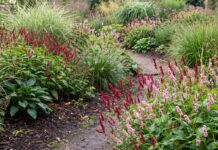
A feeder is helpful. Plants are better. Native plants feed insects, insects feed nestlings, flowers provide nectar, seedheads feed finches and sparrows, and berry shrubs carry birds through fall and winter.
Audubon’s plant guidance is blunt in the best way: native plants provide nectar, seeds, fruits, nesting places, shelter, and the insects many birds need to raise young. U.S. Fish & Wildlife Service gives the same kind of advice for backyard birds: plant native berry bushes, trees, grasses, and flowers that provide food through the seasons.
The biggest change in a bird yard usually happens around the edges. A bare lawn with one feeder may get visitors. A layered yard with shrubs, seedheads, berries, grasses, and a clean water source becomes part of the birds’ route.
Native flowers: Feed pollinators and produce seeds for finches and sparrows.
Berry shrubs: Help robins, waxwings, catbirds, thrashers, cardinals, and migrating birds.
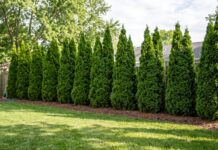
Evergreens: Offer winter shelter and wind protection.
Native grasses: Provide seed, cover, and insects.
Seedheads left standing: Give birds food after flowers fade.
Add Shelter and Safe Perching Spots
Birds do not like eating in the open with no escape route. I get more activity when feeders are near cover, especially shrubs, small trees, evergreens, or brushy edges.
The sweet spot is close enough for safety, far enough that a cat cannot crouch under the feeder and ambush birds. If you see birds grab a seed and fly back to a shrub, that is a good sign. They are using the yard the way birds naturally move.
- Plant shrubs near feeding areas.
- Keep some evergreen cover for winter.
- Leave a brush pile in a quiet corner if your yard allows it.
- Use small trees as staging spots near water and feeders.
- Avoid placing feeders in totally exposed open lawn.
How to Attract Birds to a Birdhouse
Most decorative birdhouses are made for people, not birds. A useful birdhouse has the right entrance hole, proper depth, drainage, ventilation, clean-out access, and safe placement.
Skip perches on nest boxes. Birds do not need them, and they can help predators or aggressive birds. Also, do not expect every bird to use a house. Cardinals, goldfinches, and hummingbirds do not nest in boxes. Bluebirds, chickadees, wrens, tree swallows, purple martins, and some woodpeckers are more realistic targets.
- Bluebirds: Use a properly sized bluebird box in open habitat.
- Wrens: Often use small nest boxes near shrubs or garden edges.
- Chickadees: May use small boxes near trees or wooded edges.
- Purple martins: Need a proper martin house or gourds in an open area.
- Tree swallows: Use boxes near open spaces and water.
How to Attract Cardinals
Cardinals are the birds that make a yard feel alive even in winter. They like cover, thicker shrubs, and feeders with enough room to land. Tiny tube perches are not ideal for them.
To attract cardinals, use black oil sunflower seed or safflower seed in a hopper, platform, or wide tray feeder. Keep shrubs nearby. Cardinals often feed early and late in the day, so do not judge the feeder only at noon.
Use black oil sunflower or safflower seed, give them a wide landing space, place the feeder near shrubs, and keep water available. Cardinals are much more likely to return when they have cover close by.
How to Attract Hummingbirds
Hummingbirds are not looking for seed. They want nectar, tiny insects, and flowers. A clean hummingbird feeder helps, but flowers make the yard more convincing.
For homemade nectar, use 1 part refined white sugar to 4 parts water. The Smithsonian’s National Zoo says not to add red dye and to change and clean feeders every other day to prevent mold growth. In hot weather, I would rather refill a small feeder often than leave a large feeder hanging with old nectar.
- Use a 1:4 sugar-water mix.
- Do not use honey, brown sugar, raw sugar, artificial sweeteners, or red dye.
- Clean feeders often, especially in heat.
- Plant tubular flowers such as bee balm, salvia, penstemon, coral honeysuckle, or trumpet honeysuckle where appropriate for your region.
- Place more than one feeder if one hummingbird guards the first feeder too aggressively.
How to Attract Bluebirds
Bluebirds usually need open space, low grass, perches, insects, and the right nest box. They are not the easiest bird to attract to a dense city yard, but they are realistic in suburban edges, fields, orchards, open lawns, and rural properties.
Mealworms can help bring bluebirds in, especially when paired with a proper bluebird house. The box matters: correct entrance size, predator guard, clean-out access, and the right height and placement.
- Use a proper bluebird nest box.
- Place it in open habitat, not dense woods.
- Offer mealworms in a small dish or bluebird feeder.
- Avoid pesticides that reduce insect food.
- Add perches, fence posts, or small trees near open feeding areas.
How to Attract Goldfinches
Goldfinches are easier when you offer nyjer seed and leave seedheads in the garden. They love a yard that has coneflowers, sunflowers, asters, grasses, and other seed-producing plants.
A clean nyjer feeder can bring them in, but stale nyjer is a waste. Buy smaller amounts if the seed sits around too long. Goldfinches can ignore old seed even when the feeder looks full.
- Use a nyjer tube or mesh feeder.
- Keep the seed dry and fresh.
- Plant seed-producing flowers.
- Leave some seedheads standing instead of cutting everything down.
How to Attract Purple Martins
Purple martins are not a casual “hang one little birdhouse” project. They need proper housing, open flyways, and active management. In many areas, purple martins depend heavily on human-provided housing.
A good purple martin setup has a martin house or gourds placed in an open area away from trees, with regular checks to manage invasive competitors and keep housing clean. If the yard is small, wooded, or boxed in, martins may be a poor fit.
- Use a real purple martin house or gourd system.
- Place it in an open area with clear flight paths.
- Keep it away from tall trees that crowd the entrance.
- Learn local timing before opening housing.
- Monitor the house instead of treating it like decoration.
How to Attract Birds That Eat Mosquitoes, Wasps, and Ticks
Birds help with insects, but they are not a pest-control service you can schedule. I would not promise that a feeder will fix mosquitoes, wasps, or ticks. The better goal is to build a yard that supports insect-eating birds naturally.
Wrens, swallows, chickadees, flycatchers, warblers, bluebirds, woodpeckers, and many other birds eat insects. Native plants, less pesticide use, water, brushy edges, and proper nest boxes can help support them.
- Plant native flowers, shrubs, grasses, and trees.
- Avoid broad pesticide use that removes insect food.
- Add nest boxes for species that use them, such as bluebirds, wrens, chickadees, and swallows.
- Keep water available during dry weather.
- Leave some leaf litter and natural edges where safe and practical.
How to Feed Birds Without Attracting Rats
This is where a lot of bird feeding goes wrong. Rats usually show up for spilled seed, cheap filler seed, open food storage, and messy ground feeding.
What I no longer do: dump seed everywhere and call it generous. Clean feeding is better for birds and better for the house.
- Use no-mess seed or hulled sunflower where practical.
- Avoid cheap mixes that birds throw onto the ground.
- Add a tray under feeders to catch dropped seed.
- Clean spilled seed before evening.
- Store bird seed in a sealed metal or heavy-duty container.
- Move feeders away from sheds, compost piles, wood piles, and dense hiding spots.
- Stop feeding temporarily if rodents become active.
How to Attract Birds to a Window Feeder
A window feeder can be great, especially for kids, apartments, and small spaces. The trick is keeping it clean and placing it where birds feel safe.
Birds may take longer to trust a window feeder because it is close to people. Start with black oil sunflower, keep the feeder full but not overflowing, and avoid sudden movement behind the glass.
- Use a feeder with strong suction cups and drainage.
- Clean it often because small feeders get dirty fast.
- Place it near a window where you can watch quietly.
- Use window safety decals or patterns if bird strikes are a concern.
- Keep cats away from the inside window ledge if they scare birds.

How to Attract Birds to a Balcony
Balconies can attract birds, but you need to be cleaner and more selective. Loose seed can fall to neighbors below, attract pests, or violate building rules.
For balconies, I prefer a small window feeder, a clamp-on tray with a catch tray, a hummingbird feeder, or a few bird-safe container plants. Water helps, but avoid anything that drips onto another balcony.
- Check apartment, HOA, or building rules first.
- Use no-mess seed to reduce hulls and waste.
- Choose feeders with catch trays.
- Clean often so droppings do not build up.
- Try a hummingbird feeder if you can clean it frequently.
Keep Feeders and Bird Baths Clean
Dirty feeders can spread disease. This is the part people skip, and it matters. Project FeederWatch’s disease-prevention advice is clear: scrub visible debris before cleaning, and keep feeding areas sanitary. Audubon also cites Project FeederWatch’s recommendation to clean seed feeders about every two weeks, with more frequent cleaning if disease is suspected.
My own rule is simple: if the feeder looks dirty, I do not wait for a calendar reminder.
- Clean seed feeders about every two weeks, and more often in wet or busy conditions.
- Clean hummingbird feeders every few days, more often during heat.
- Throw away moldy or wet seed.
- Rake up old seed hulls and droppings under feeders.
- Clean bird baths often, especially in summer.
- Pause feeding and clean thoroughly if you see sick birds.
- Follow local wildlife guidance if disease outbreaks are reported in your area.
Make the Yard Safer
Attracting birds is not only about bringing them in. It is also about not pulling them into a bad situation.
The three big problems I watch for are cats, windows, and dirty feeding areas. Outdoor cats are a serious risk to birds. Windows can cause collisions. Dirty feeders can spread illness. Fixing those problems does more good than adding another feeder.
- Keep cats indoors or away from feeding and nesting areas.
- Place feeders either very close to windows or farther away to reduce high-speed collision risk.
- Use window decals, cords, screens, or visible patterns on problem windows.
- Avoid pesticides around bird feeding and nesting areas.
- Do not place feeders where hawks or cats can easily ambush birds.
- Clean feeders, baths, and spilled seed regularly.
Seasonal Bird Attraction
Birds change their habits through the year. A yard that feeds birds in every season does better than a yard that only hangs a feeder in January.
Spring
Insects, nesting sites, clean water, native flowers, and safe cover matter more than piles of seed.
Summer
Fresh water is huge. Clean hummingbird feeders often, and keep bird baths from turning slimy.
Fall
Leave seedheads, berries, and some natural cover for migrants and local birds preparing for colder weather.
Winter
High-energy foods such as black oil sunflower and suet help. Open water can be just as valuable as seed during freezing weather.
Mistakes That Keep Birds Away
Most empty feeders are not mysterious. One or two things are usually wrong.
- Bad seed: Cheap filler mix, stale seed, or wet seed birds do not want.
- No cover: Feeder sits in the middle of open lawn with no escape route.
- Dirty feeder: Mold, droppings, and old hulls build up.
- Too much disturbance: Feeder is beside a busy door, patio, dog run, or noisy area.
- Predator pressure: Cats, hawk ambush points, or dense cover directly under feeders.
- No water: Birds may visit a yard with water before they trust a feeder.
- Too much pesticide use: Fewer insects means less food for many birds and their young.
- Impatience: New feeders can take days or weeks to become part of a bird’s route.
Recommended Supplies for Attracting Birds
You do not need all of this on day one. Start with good seed, one feeder, clean water, and nearby cover. Add specialty items after you know which birds are already visiting.
Black Oil Sunflower Seed
The first seed I would buy for a new feeder. It attracts a wide range of backyard birds and usually creates less disappointment than cheap mixed seed.
Squirrel-Proof Bird Feeder
Useful when squirrels empty a feeder before birds get a chance. Look for easy cleaning, drainage, and sturdy hanging hardware.
Window Bird Feeder
Great for close watching, apartments, kids, and small yards. Keep it clean because small trays get dirty quickly.
Bird Bath
Fresh water can bring birds that ignore seed. Choose a shallow, stable bath that is easy to scrub and refill.
Solar Bird Bath Fountain
Moving water catches attention and can make a simple bird bath more attractive, especially in hot weather.
Hummingbird Feeder
Choose a feeder that comes apart easily for cleaning. A dirty hummingbird feeder is worse than no feeder.
Suet Feeder
A simple way to attract woodpeckers, nuthatches, chickadees, wrens, and other birds that may not spend much time on seed feeders.
Bluebird House
Use a real bluebird nest box, not a decorative birdhouse. Placement and predator protection matter.
Squirrel Baffle
Often works better than blaming the feeder. A good pole baffle can save seed and reduce chaos around the feeding station.
Bird Feeder Camera
Not necessary, but fun if you want close photos and better identification of the birds visiting your feeder.
Official Bird-Friendly Yard References
For more detail, use Cornell Lab’s bird seed guide, Audubon’s bird-friendly plant advice, Audubon’s Plants for Birds tool, Project FeederWatch’s feeder cleaning guidance, U.S. Fish & Wildlife Service’s backyard birds advice, and Smithsonian’s hummingbird nectar recipe.
Frequently Asked Questions
How do I attract birds to my yard quickly?
Use black oil sunflower seed in a clean feeder, place the feeder near safe cover, add fresh water, and keep the area quiet. Birds may still need days or weeks to trust a new feeding spot.
How do I attract birds to a new feeder?
Place the new feeder near shrubs or small trees, fill it with fresh black oil sunflower seed, keep it clean, and do not move it too soon. Birds need time to discover and trust it.
Why are birds not coming to my feeder?
The seed may be stale, the feeder may be too exposed, there may be predator pressure, the feeder may be dirty, or birds simply have not found it yet. Start with better seed, safer placement, and clean water nearby.
What is the best food to attract birds?
Black oil sunflower seed is the best first choice for most backyard feeders. Nyjer seed, suet, mealworms, safflower, and nectar can attract different birds once you know what species you want.
How do I attract birds to a bird bath?
Keep the water shallow, clean, and easy to access. Add stones for footing, place the bath near safe cover, and consider a dripper or small fountain because moving water gets attention.
How do I attract birds to a birdhouse?
Use a species-specific nest box with the right entrance size, ventilation, drainage, clean-out access, and placement. Decorative houses without proper dimensions often fail.
How do I attract cardinals?
Use black oil sunflower or safflower seed in a hopper, platform, or wide tray feeder. Cardinals like nearby shrubs and often feed early or late in the day.
How do I attract hummingbirds?
Use native nectar flowers and a clean hummingbird feeder with 1 part white sugar to 4 parts water. Do not use red dye, honey, brown sugar, or artificial sweeteners.
How do I attract bluebirds?
Use a proper bluebird nest box in open habitat, offer mealworms, avoid pesticides, and provide perches. Bluebirds are more likely in open yards, fields, orchards, and rural edges than dense urban yards.
How do I attract goldfinches?
Offer nyjer seed in a clean finch feeder and plant seed-producing flowers such as coneflowers, sunflowers, asters, and native grasses. Keep nyjer seed fresh and dry.
How do I attract purple martins?
Use a proper purple martin house or gourd system in an open area with clear flight paths. Purple martins need active housing management and are not usually attracted by small decorative birdhouses.
How do I attract birds that eat mosquitoes?
Support insect-eating birds with native plants, water, nest boxes where appropriate, and less pesticide use. Birds can help with insects, but they should not be treated as complete mosquito control.
How do I feed birds without attracting rats?
Use no-mess seed, avoid cheap filler mixes, add seed catch trays, clean spilled seed before evening, and store seed in sealed containers. Stop feeding temporarily if rats appear.
How long does it take birds to find a feeder?
Some feeders get birds in a day or two, while others take a few weeks. Safe placement, fresh seed, nearby cover, and consistency usually speed things up.
Final Verdict
The best way to attract birds is not complicated, but it does require consistency. Put out food birds actually want. Keep it clean. Add fresh water. Plant native shrubs, flowers, grasses, and trees. Give birds cover. Reduce the risks from cats, windows, dirty feeders, and pesticides.
A feeder can start the activity. A bird-friendly yard keeps it going.
If I were starting from nothing, I would buy black oil sunflower seed, a simple feeder, a shallow bird bath, and one native shrub before buying five decorative birdhouses. That plain setup will beat a messy feeder station almost every time.
Join the free Garden Frontier list for backyard wildlife tips, bird-friendly planting ideas, feeder care, garden projects, and practical outdoor living guides.
100% free. No spam. Unsubscribe anytime.