
















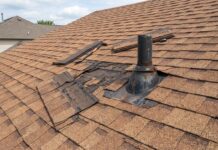

Attic fan installation can help move hot air out of an attic, reduce heat buildup under the roof deck, and support better attic ventilation during warm weather. But an attic fan is not a magic cooling fix. It works best when your attic already has enough intake ventilation, clear soffit or gable vents, and good air sealing between the living space and attic.
If those basics are wrong, an attic fan can backfire. Instead of pulling cooler outdoor air through attic vents, it may pull conditioned air from your house into the attic. That can make your air conditioner work harder and may increase your summer energy bill.
This article explains attic fan installation costs, roof vs gable attic fans, solar attic fans, who installs attic fans, when the project is worth it, when it is not, and what homeowners should check before hiring a pro.

- Worth it if: Your attic gets extremely hot, has enough intake ventilation, and is well sealed from the living space.
- Not worth it if: Your soffit vents are blocked, your attic floor leaks air, or your main problem is poor insulation.
- Typical professional cost: Many attic fan installations fall around $300 to $900, while project complexity, wiring, roof work, and fan type can push the price higher.
- Best pro to call: A roofer for roof-mounted fans, an electrician for powered wiring, HVAC/attic ventilation pros for system design, or a qualified handyman for simple gable replacements.
- Best first step: Check attic intake vents, air sealing, insulation, roof condition, and fan sizing before cutting into the roof or wiring a powered fan.
Attic fan installation can involve roof penetrations, flashing, electrical wiring, attic access, thermostat controls, and ventilation balancing. If you are not comfortable with roofing or electrical work, compare local pros before starting.
Tip: Ask whether the quote includes wiring, flashing, roof sealing, thermostat or humidistat controls, cleanup, and any permit requirements.
What Is an Attic Fan?
An attic fan is a powered ventilation fan that removes hot air from the attic and pushes it outdoors. It is usually installed in the roof deck or at a gable vent. Most attic fans are controlled by a thermostat, humidistat, solar panel, switch, or smart controller.
An attic fan is not the same as a whole-house fan. A whole-house fan pulls air through the living space and exhausts it into the attic. An attic fan pulls air from the attic itself and exhausts it outdoors.
The goal is to lower attic temperature and improve attic air movement, not directly cool the rooms below like an air conditioner.
How Much Does Attic Fan Installation Cost?
Attic fan installation commonly costs a few hundred dollars to around $900 for many standard projects. The final price depends on fan type, wiring, roof access, attic access, fan size, controls, roof material, and whether extra ventilation or air sealing is needed.
| Project Type | Typical Cost Range | Notes |
|---|---|---|
| Replace existing attic fan | Lower to mid range | Usually cheaper if wiring, opening, and vent location already exist. |
| Gable attic fan installation | Moderate | May avoid cutting roof, but wiring and vent sizing still matter. |
| Roof-mounted attic fan installation | Moderate to high | Flashing, shingles, roof pitch, and leak prevention affect labor. |
| Solar attic fan installation | Moderate to high | May reduce wiring work, but roof placement and flashing still matter. |
| Fan plus attic ventilation corrections | Higher | Soffit vents, baffles, air sealing, insulation fixes, or roof vent changes can add cost. |
Do not judge the project by the fan price alone. A cheaper fan can become an expensive job if the installer needs to add wiring, cut through the roof, correct venting, replace shingles, or repair blocked soffits.
What Affects Attic Fan Installation Cost?
Fan Type
Gable fans, roof-mounted fans, electric fans, solar attic fans, and smart-controlled fans all have different equipment and installation requirements.
Roof Work
Any roof penetration raises the stakes. The fan must be flashed and sealed correctly to avoid leaks. Roof pitch, shingle type, roof age, and access can all affect labor.
Electrical Work
Hardwired electric attic fans may require a new circuit, switch, junction box, thermostat, humidistat, or other electrical work. That usually means hiring a qualified electrician.
Attic Access
A cramped, hot, low-clearance attic is harder to work in than a spacious attic with safe access. Difficult access can increase labor time.
Fan Size and CFM
The fan should match the attic size and ventilation design. Bigger is not always better. An oversized fan can create pressure problems if the attic does not have enough intake air.
Intake Ventilation
An attic fan needs replacement air. If soffit vents are blocked or there is not enough intake, the fan may pull air from the living space instead of outside.
Air Sealing and Insulation
Before installing a powered attic fan, check air leaks around attic hatches, recessed lights, plumbing penetrations, wiring holes, bath fan chases, and top plates. Air sealing often matters more than the fan itself.
Types of Attic Fans
Gable Attic Fan
A gable attic fan mounts behind or near an existing gable vent. It exhausts hot attic air through the side of the house. This can be a good option when your home already has a usable gable vent and roof cutting is not desired.
Best for: Homes with existing gable vents, easier attic access, and homeowners who want to avoid cutting into the roof deck.
Roof-Mounted Attic Fan
A roof-mounted attic fan is installed through the roof deck. It can be useful when gable venting is not available or when the best exhaust location is near the upper roof area.
Best for: Attics without usable gable vents, roof-based ventilation layouts, and homes where a roofer can properly flash the unit.
Solar Attic Fan
A solar attic fan uses a solar panel to power the fan. Many solar attic fans reduce the need for electrical wiring, but they still need correct roof placement, sun exposure, and proper flashing.
Best for: Homes with good sun exposure and homeowners who want attic exhaust without running a new powered circuit.
Electric Attic Fan
An electric attic fan is powered by household electricity and usually controlled by a thermostat, humidistat, or switch. It can run when needed regardless of solar exposure, but wiring must be done safely.
Best for: Homes needing reliable powered attic ventilation and where electrical work can be completed correctly.
Whole-House Fan
A whole-house fan is not the same project. It pulls outdoor air through open windows and exhausts house air into the attic. It can cool living spaces in certain climates, but it requires enough attic exhaust area and different installation planning.
Best for: Dry climates, cool evenings, and homes where pulling outdoor air through living spaces makes sense.
Roof Attic Fan vs Gable Attic Fan
| Feature | Roof Attic Fan | Gable Attic Fan |
|---|---|---|
| Installation location | Through roof deck | At gable wall vent |
| Leak risk | Higher if flashing is poor | Lower roof leak risk because roof may not be cut |
| Best installer | Roofer or attic ventilation pro | Electrician, attic ventilation pro, or qualified installer |
| Best for | Homes without good gable vents | Homes with existing gable vents |
| Watch out for | Flashing, roof warranty, roof pitch | Short-circuiting airflow between nearby vents |
There is no universal winner. A roof fan can be the right choice for one attic, while a gable fan is smarter for another. The best choice depends on existing vents, roof design, attic layout, and intake airflow.
Do Attic Fans Really Work?
Attic fans can work when they are part of a balanced attic ventilation system. They can lower attic air temperature and help remove heat trapped under the roof deck. But the fan must have enough intake air, and the attic floor must be sealed from the living space.
An attic fan is more likely to help when:
- The attic gets extremely hot in summer.
- Soffit or gable intake vents are open and unobstructed.
- The attic floor is air-sealed from the living space.
- Insulation is not blocking intake vents.
- The fan is sized correctly for the attic.
- The roof or gable exhaust location makes sense.
An attic fan may disappoint or backfire when:
- Soffit vents are blocked by insulation.
- The attic hatch leaks air.
- Recessed lights, plumbing chases, or wiring holes leak conditioned air.
- The fan is oversized.
- The roof already has a well-balanced passive ventilation system.
- The real problem is poor insulation, not attic heat.
Who Installs Attic Fans?
The right installer depends on the fan type and scope of work.
Roofer
Hire a roofer for roof-mounted attic fans, especially if shingles, flashing, underlayment, roof penetrations, or leak prevention are involved. A poor roof installation can cause water damage.
Electrician
Hire an electrician if the fan needs hardwired power, a new circuit, thermostat wiring, humidistat control, a switch, or electrical troubleshooting.
HVAC or Attic Ventilation Pro
An HVAC or attic ventilation professional can evaluate attic airflow, intake vents, insulation, air sealing, and whether a fan is the right solution.
General Contractor or Qualified Handyman
A qualified handyman may be appropriate for simple gable fan replacement when wiring and vent openings already exist. Avoid using a general handyman for roof penetrations or electrical work beyond their license and experience.
Questions to Ask Before Hiring an Attic Fan Installer
- Do I have enough intake ventilation for this fan?
- Are my soffit vents blocked by insulation?
- Should air sealing or insulation be fixed first?
- Is a roof fan or gable fan better for this attic?
- What CFM fan do you recommend and why?
- Does the quote include wiring?
- Does the quote include thermostat or humidistat controls?
- Does the quote include flashing and roof sealing?
- Will this affect my roof warranty?
- Are permits required in my area?
- Who handles cleanup and old fan disposal?
- What warranty covers the fan and the installation?
A good quote should explain the fan type, CFM, replacement, electrical work, venting assumptions, and roof sealing details. Avoid vague quotes that only say “install fan.”
Can You Install an Attic Fan Yourself?
Some homeowners can replace a simple gable attic fan if the opening, wiring, mounting, and controls are already in place. But new attic fan installation is often more complicated than it looks.
DIY attic fan installation can involve:
- Working in a hot attic.
- Working near electrical wiring.
- Cutting siding, gable vents, or roof decking.
- Installing flashing and weatherproofing.
- Climbing on a roof.
- Matching fan CFM to attic ventilation.
- Preventing roof leaks.
- Maintaining safe clearances around wiring and insulation.
If the job involves a roof opening, new wiring, a new circuit, roof flashing, or uncertain ventilation design, hiring a pro is the safer choice.
Attic Fan Installation Steps: What the Job Usually Involves
This is not a full DIY tutorial, but it helps to understand what a professional installer is doing.
- Inspect the attic. The installer checks attic access, intake vents, insulation, roof condition, and existing ventilation.
- Choose fan type and size. The fan should match the attic square footage and available intake ventilation.
- Select the location. The installer chooses a roof or gable location that supports proper airflow and safe installation.
- Prepare the opening. For roof fans, this may involve cutting roof decking and shingles. For gable fans, it may involve adapting the gable vent area.
- Install the fan housing. The unit is mounted securely and aligned with the vent opening.
- Flash and seal roof-mounted fans. Proper flashing helps prevent leaks.
- Connect power or solar controls. Electric fans require safe wiring. Solar fans need proper panel placement.
- Set thermostat or humidistat controls. Controls are adjusted for the attic and climate.
- Test airflow and operation. The fan should run correctly without obvious rattling, vibration, or blocked airflow.
- Verify intake vents. The system needs enough replacement air from soffit or gable intake vents.
Attic Fan Installation Near Me: How to Choose a Local Pro
For “attic fan installation near me” searches, do not hire based on the lowest quote alone. The installer needs to understand both ventilation and the specific trade risk: roofing, electrical, or attic airflow.
Look for:
- Local experience with attic fans.
- Roofing experience for roof-mounted fans.
- Electrical licensing for hardwired fans.
- Proof of insurance.
- Clear quote details.
- Ventilation assessment, not just fan installation.
- Warranty on labor and materials.
- Good reviews mentioning attic ventilation or fan installation.
Red flags include:
- No mention of intake ventilation.
- No roof flashing details.
- No electrical scope.
- “One-size-fits-all” fan recommendation.
- No written warranty.
- Pressure to install before inspecting the attic.
Attic Fan vs Better Insulation: Which Should Come First?
If your upstairs rooms are hot, an attic fan may not be the first fix. Poor insulation and air leaks can make rooms uncomfortable even if the attic has ventilation.
Before spending money on a fan, check:
- Attic insulation depth and condition.
- Air leaks around attic hatches.
- Recessed lights and ceiling penetrations.
- Bath fans venting into the attic instead of outdoors.
- Blocked soffit vents.
- Missing vent baffles.
- Dark, overheated roof areas.
- Signs of moisture, mold, or condensation.
In many homes, air sealing and insulation improvements should happen before or alongside attic fan installation.
Solar Attic Fan Installation: Is It Worth It?
A solar attic fan can be worth considering if the attic is hot, roof sun exposure is good, and running new electrical wiring would be expensive. Solar models are attractive because they operate from a solar panel rather than a household circuit.
Solar attic fans are best when:
- The roof gets strong sun exposure.
- You want to avoid new electrical wiring.
- The attic has enough intake ventilation.
- The roof location allows proper flashing.
- The fan size matches the attic.
They are less ideal when:
- The roof is heavily shaded.
- The attic lacks intake vents.
- The roof is old and near replacement.
- You need reliable fan operation during cloudy or low-sun conditions.
Best Attic Fan Installation Checklist
Use this checklist before you approve the job.
- Attic intake vents are open and not blocked by insulation.
- Fan CFM matches the attic size and available intake airflow.
- Attic hatch and ceiling penetrations are air-sealed.
- Roof fan location will be flashed correctly.
- Electrical work is included and done by a qualified person.
- Thermostat or humidistat settings are explained.
- Installer confirms whether permits are needed.
- Quote includes cleanup and old fan removal if replacing a fan.
- Labor and product warranties are written down.
- You understand whether the fan is roof-mounted, gable-mounted, solar, or electric.
Common Attic Fan Installation Mistakes
- Installing before air sealing: The fan may pull conditioned air from the living space.
- Ignoring soffit vents: Blocked intake vents can ruin performance.
- Oversizing the fan: Bigger airflow can create pressure problems if intake is limited.
- Poor roof flashing: A cheap installation can become an expensive roof leak.
- Wrong installer: Roof work, electrical work, and ventilation design require different skills.
- Using a fan to fix insulation problems: Ventilation cannot replace proper insulation.
- Skipping controls: Thermostats and humidistats help prevent unnecessary runtime.
- Confusing attic fans with whole-house fans: They solve different problems.
Final Verdict: Should You Install an Attic Fan?
Install an attic fan if your attic overheats, your intake vents are clear, the attic floor is sealed, and a professional confirms that powered ventilation fits your roof and climate. A properly sized fan can support attic ventilation and reduce heat buildup under the roof deck.
Do not install an attic fan as a shortcut around poor insulation, blocked soffits, or air leaks between the house and attic. Those problems should be fixed first. Otherwise, the fan may pull cooled air from your living space and make your air conditioner work harder.
For most homeowners, the smartest move is to get an attic ventilation inspection and quote before buying a fan. Ask the installer to explain intake ventilation, fan sizing, roof sealing, wiring, and whether a gable, roof-mounted, electric, or solar attic fan makes the most sense.
Attic Fan Installation FAQ
How much does attic fan installation cost?
Many professional attic fan installations cost a few hundred dollars to around $900, depending on fan type, wiring, roof work, attic access, controls, and whether ventilation corrections are needed.
Who installs attic fans?
Roofers often install roof-mounted attic fans, electricians handle hardwired electrical work, and HVAC or attic ventilation pros can evaluate airflow, sizing, and ventilation balance.
Is an attic fan worth installing?
An attic fan can be worth installing if the attic gets very hot, has enough intake ventilation, and is well sealed from the living space. It may not be worth it if soffit vents are blocked or the attic floor leaks conditioned air.
Can I install an attic fan myself?
Some simple gable fan replacements may be DIY-friendly for experienced homeowners, but new roof-mounted or hardwired attic fan installation is usually better left to qualified pros because of roof leak and electrical risks.
What is better, a roof attic fan or gable attic fan?
A gable attic fan is often less roof-invasive if your home already has a usable gable vent. A roof-mounted fan may be better when gable venting is not available, but flashing and leak prevention are critical.
How long does attic fan installation take?
A simple replacement may take a few hours, while a new roof-mounted or hardwired installation can take longer depending on access, wiring, roof work, and ventilation corrections.
Does an attic fan lower your electric bill?
It can help in some homes, but it can also hurt if the attic is not air-sealed or lacks intake ventilation. If the fan pulls conditioned air from the house, the air conditioner may run harder.
Do attic fans need soffit vents?
Attic fans need intake air. Soffit vents, gable vents, or other intake vents must be open and sized correctly so the fan can pull outdoor air instead of air from the living space.
Is solar attic fan installation worth it?
A solar attic fan can be worth it if your roof has strong sun exposure, the attic has enough intake ventilation, and you want to avoid running a new electrical circuit. Roof flashing still matters.
What temperature should an attic fan be set at?
Many attic fan thermostats are set in the high attic-temperature range, but the right setting depends on the fan, climate, attic design, and manufacturer instructions. Follow the fan manual and installer guidance.
Join Garden Frontier for practical home improvement, attic ventilation, roofing, HVAC, lawn care, gardening tools, and homeowner maintenance advice.
100% free. No spam. Unsubscribe anytime.