









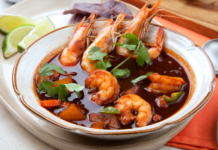








Despite its name, Cuban Oregano (Plectranthus amboinicus or Coleus amboinicus) is an incredibly deceptive plant. It is not actually from Cuba, and it isn’t even true oregano! This heavily aromatic, fleshy-leaved herb is actually a close relative of the colorful coleus and the mint family.
Because it grows natively in tropical regions around the world, it goes by a massive list of aliases, including Mexican oregano, Spanish thyme, Indian borage, soup mint, and Suganda. But no matter what you call it, this heat-loving, drought-tolerant perennial is an absolute superstar in the garden and a secret weapon in the kitchen for flavoring black beans, salsas, and rich tomato sauces.

How to Grow Cuban Oregano
If you live in a hot, humid climate (USDA Zones 9-11), Cuban oregano is one of the easiest edible plants you will ever grow. It does not mind blistering heat, intense sun, or prolonged drought.
- Sunlight: It thrives in full sun to partial shade. In extremely hot afternoon climates, a little dappled shade will keep the velvety leaves from scorching.
- Soil and Water: Because of its thick, succulent-like leaves, it stores water very efficiently. Plant it in well-draining soil and only water it when the top two inches of dirt are completely dry.
- Propagation: You only need to buy this plant once! It roots incredibly fast. Simply snip off a 4-inch stem, stick it in moist soil or a glass of water, and it will begin growing roots in a matter of days.
In warm, frost-free climates (like Florida, Texas, and the Caribbean), Cuban oregano can be incredibly invasive. As it crawls across the ground, the stems root themselves wherever they touch the dirt, quickly taking over entire garden beds. It is highly recommended to grow this herb in a hanging basket or an isolated patio container to prevent it from choking out native plants.
Cooking with Cuban Oregano
The flavor of Cuban oregano is intensely pungent—much stronger than traditional Mediterranean oregano. It features bold notes of thyme, mint, and oregano. Because the leaves are thick and fuzzy, they are rarely eaten raw in salads; instead, they are finely diced and added to stews, bean dishes, and marinades.
The essential oils in Cuban oregano are highly volatile and will quickly break down if boiled for too long. For the best culinary results, always add the freshly diced herb during the very last 5 to 10 minutes of cooking!
Recipe 1: Classic Black Beans with Cuban Oregano
A quick, flavorful, and hearty side dish that perfectly showcases the bold aroma of this unique herb.
- Prep Time: 5 mins
- Cook Time: 30 mins
- Yield: 4 servings
Ingredients:
- 1 (15 oz) can Black Beans (do not drain)
- 2 tbsp Olive oil
- 4 cloves Garlic (chopped)
- 1 tbsp fresh Cuban Oregano (finely diced)
- 1 Bay leaf
- 2 tbsp fresh Cilantro (chopped)
- Salt and pepper (to taste)
- Green onions (for garnish)
Instructions:
- Add the black beans (and their liquid) to a medium saucepan over medium heat.
- In a separate small skillet, heat the olive oil. Add the chopped garlic and diced Cuban oregano. Sauté for 1 to 2 minutes until the garlic is fragrant and lightly golden.
- Stir the garlic and oregano mixture into the black beans. Add the bay leaf, salt, and pepper.
- Cover the saucepan, reduce the heat to low, and simmer gently for 30 minutes to allow the flavors to meld.
- Remove the bay leaf. Serve the black beans warm, garnished heavily with fresh cilantro and chopped green onions.
Recipe 2: Spicy Ocean Pasta (Mahi Mahi & Salmon)
A rich, hearty seafood pasta sauce where the pungent Cuban oregano cuts perfectly through the bold flavors of the fish.
- Prep Time: 15 mins
- Cook Time: 40 mins
- Yield: 4-6 servings
Ingredients:
- 1 lb Mahi Mahi (skinned and cubed)
- 1 (14 oz) can Salmon (drained)
- 1 (14 oz) can Tomato sauce
- 1 large ripe Tomato (chopped)
- 1 medium Onion (chopped)
- 1 small Green Bell Pepper (chopped)
- 3 cloves Garlic (crushed)
- 1 tbsp Olive oil
- Chicken broth (as needed for thinning)
- 2 tsp fresh Cuban Oregano (finely chopped, divided)
- 2 tbsp fresh Parsley (chopped)
- 1 tsp fresh Basil (chopped)
- 1 tbsp Paprika
- 1 tsp Salt
- 1/4 tsp Black pepper
- Hot sauce (to taste)
- Cooked Pasta (for serving)
Instructions:
- In a large pot or deep skillet, sauté the onion, garlic, and green bell pepper in olive oil over medium heat until the onion softens and turns translucent.
- Add the fresh chopped tomato and a splash of chicken broth. Reduce heat to low, cover, and let it stew for about 10 minutes.
- Pour in the tomato sauce, parsley, basil, paprika, salt, pepper, and only 1 teaspoon of the Cuban oregano.
- Let the sauce simmer for 30 minutes. If the sauce becomes too thick, add a little chicken broth as needed.
- Gently fold the cubed Mahi Mahi into the simmering sauce. Next, add the drained canned salmon, stirring very carefully so the salmon chunks do not break apart entirely.
- Let the seafood cook in the sauce for another 10 minutes until the Mahi Mahi is cooked through and flaky.
- Remove from heat. Stir in the remaining 1 teaspoon of fresh Cuban oregano and let the sauce stand for 5 minutes.
- Serve generously over cooked pasta and finish with a few drops of hot sauce to taste!
Frequently Asked Questions
Can I use Cuban oregano instead of regular oregano?
Yes, but you must use it sparingly. Cuban oregano has a much stronger, more pungent flavor profile than standard Mediterranean oregano. Because the leaves are thick and hold a lot of water, it is best used fresh rather than dried.
Is Cuban oregano toxic to dogs and cats?
Yes. According to the ASPCA, plants in the Coleus family, including Cuban oregano, contain essential oils that are toxic to dogs, cats, and horses if ingested. It can cause vomiting, diarrhea, and depression. Keep this plant out of reach of curious pets.
Can Cuban oregano survive the winter?
It depends on your Hardiness Zone. Cuban oregano is a tropical plant and will die if exposed to frost or freezing temperatures. If you live outside of Zones 9-11, you must grow it in a pot and bring it indoors to a sunny windowsill for the winter.