

















Cultivated in tropical areas, common ginger (Zingiber officinale) is a stunning plant with bamboo-like, deciduous leaves and slender stems that can reach up to 4 feet tall. Beyond its architectural beauty, it produces one of the most versatile, zesty, and highly sought-after culinary roots in the world.
While ginger thrives effortlessly outdoors in Zone 9 and above, you do not need to live in a tropical paradise to grow it. In colder winter areas, ginger makes a fantastic and highly productive indoor potted plant. The secret to a massive harvest lies in replicating its native environment: rich soil, excellent drainage, high humidity, and warm temperatures.
I will walk you through the exact 5-step process for growing ginger from a simple grocery-store root, how to keep it alive indoors, and the best gear to ensure a massive autumn harvest.

Patience is mandatory when growing ginger. It is generally planted in early spring and harvested in late fall. You can harvest “young” stem ginger at the 5-month mark (which has thin skin and a milder flavor). For mature, pungent ginger roots with tough skin, you must wait 8 to 10 months until the leaves and stems die back naturally.
5 Steps to Growing a Massive Ginger Harvest
Step 1: Selecting the Right Rhizome
Ginger is temperamental but easily propagated. You do not need to buy expensive seeds; you can start with a fresh piece of ginger root (rhizome) from your local grocery store. Look for a plump, firm piece with at least one or two “eyes” or growth buds (similar to the eyes on a potato). Pro Tip: Always buy organic ginger. Conventional grocery store ginger is often sprayed with a growth inhibitor to stop it from sprouting on the shelf.
Step 2: Preparing the Soil
Ginger roots are highly susceptible to root rot if left sitting in heavy, soggy dirt. You need a premium, professional-quality potting mix. Create a blend of equal parts loam, coarse sand, and peat moss (or compost). This ensures the soil holds moisture but drains excess water instantly.
Step 3: Planting the Eyes
Fill a small starter pot with your moistened soil mix. Plant the ginger root on its side (lengthwise) so it sits parallel to the soil surface. Plant it shallow—just barely covering the top of the root with an inch of dirt. Keep the pot in a very warm location (75°F or warmer; the top of a refrigerator is often a great DIY heat mat) until you see green stalks emerge from the eyes.
Step 4: Transplanting & Feeding
Once the green shoots are established, transplant the ginger into a large pot (at least 12 inches in diameter and 12 inches deep). Place the root about two inches deep. Ginger is a heavy feeder. Apply a liquid fertilizer high in potassium every few weeks during the active summer growing season. If keeping it outdoors, place it in bright, indirect sunlight (dappled shade). Bring it indoors before temperatures drop below 50°F.
Step 5: The Harvest
After 8 to 10 months, the green tops will naturally begin to yellow and die back. This is your signal that the ginger is mature. Dig up the entire rhizome, shake off the soil, cut off the dead stems, and remove the fibrous roots. Wash it thoroughly and let it air dry for a day or two. You can store fresh ginger for several months at 55°F, or freeze it for year-round use! Be sure to save a piece with a healthy “eye” to replant next spring.
Essential Gear for Growing Ginger Indoors
Because ginger requires very specific tropical conditions to thrive, using standard garden pots and generic potting soil often leads to fungal diseases. Here is the gear experienced growers use to force explosive rhizome growth indoors.
1. Heavy-Duty Fabric Grow Bags (Best for Preventing Rot)
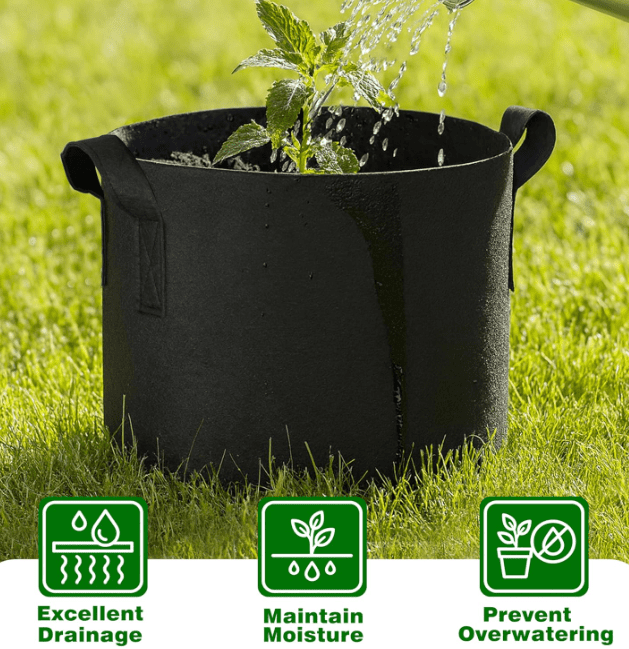
Plastic pots trap moisture at the bottom, which can be fatal for ginger rhizomes. Fabric grow bags allow for 360-degree aeration and instant drainage. As a bonus, when harvest time comes, you can simply dump the bag out rather than trying to pry a massive root ball out of a hard plastic pot.
✅ Pros:
- Eliminates the risk of root rot.
- Air-prune roots for a denser, healthier root system.
- Features reinforced handles for easy movement indoors/outdoors.
❌ Cons:
- Requires more frequent watering than plastic pots during hot summers.
2. Full Spectrum LED Grow Light (Mandatory for Wintering)
If you live in a cold climate, your ginger will spend half its life indoors. Standard windows block essential light spectrums, causing the stalks to become weak and “leggy.” A dedicated full-spectrum LED light provides the exact energy the plant needs to develop thick, heavy roots underground.

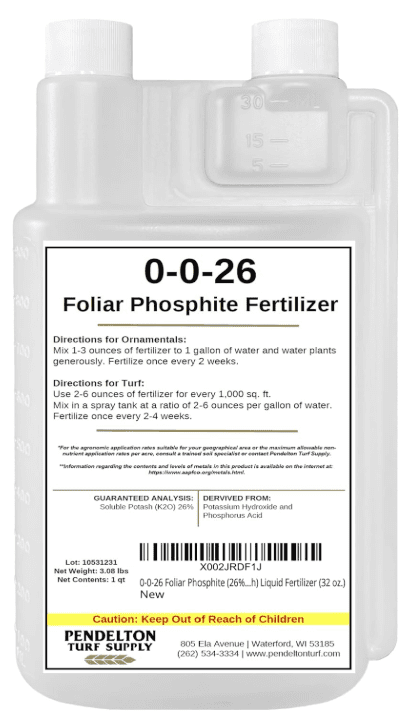
3. Liquid Potassium Fertilizer (Best for Root Development)
Nitrogen grows leaves, but potassium grows massive roots. Once your ginger is established, feeding it a liquid fertilizer with a high potassium ratio ensures the energy is directed straight into swelling the underground rhizome.
Frequently Asked Questions
Can I grow ginger from a grocery store root?
Yes, absolutely! However, it is highly recommended to purchase organic ginger. Non-organic ginger is often treated with sprouting inhibitors that will prevent the “eyes” from waking up and growing.
How long does it take to grow ginger?
Ginger is a slow-growing crop. It takes approximately 5 to 6 months to harvest “baby” or stem ginger. If you want mature ginger with pungent flavor and tough skin, it takes 8 to 10 months of continuous growth.
Does ginger need full sun?
No. In its natural tropical habitat, ginger grows under the canopy of larger trees. It prefers bright, indirect light or dappled shade. Placing a ginger plant in the direct, scorching afternoon sun will severely burn the leaves and stunt its growth.