









I still remember staring at an empty patch of grass in my backyard, wondering if I could actually grow my food. Growing a vegetable garden is a fantastic way to bring fresh, healthy vegetables directly to your table. Knowing exactly where your food comes from is just one advantage of home vegetable gardening. You will also save a noticeable amount of money on groceries and get some great exercise while enjoying the outdoors.
This guide is perfectly tailored for beginners with little to no gardening experience who are looking to start their very first vegetable garden successfully.
- 🍅 Freshness: Access to 100% organic, pesticide-free produce.
- 💰 Savings: Drastically cuts down summer and fall grocery bills.
- 🧘 Mental Health: Improves mental well-being and connects you with nature.
- 🏃♂️ Activity: Encourages physical activity and is a highly rewarding hobby for the whole family.
1. Selecting a Quality Garden Site
When choosing a location for your first vegetable garden, take some time to observe the sun’s movement across your yard. Most vegetables require at least 6 hours of direct sunlight daily to thrive. Pick an open area with minimal shade from large trees or buildings.
Regional Focus: King County, WA (Zone 8b)
While these rules apply anywhere, I want to use King County, WA as a prime example of how to adapt to your specific region:
- Planting Zones: King County is in USDA planting zone 8b. Knowing your zone helps you choose vegetables perfectly suited to your climate.
- Ideal Planting Times: Cool-season crops can be planted in early spring and fall, while warm-season crops should be planted after the last frost (typically in late May or early June for this area).
- Vegetables That Thrive Here: The Pacific Northwest climate is incredible for lettuce, spinach, kale, peas, beans, carrots, and beets. With proper care, you can also easily grow tomatoes, peppers, cucumbers, and squash.
Drainage and Raised Garden Beds
Ensure your chosen site has good drainage, as standing water leads to root rot. Sandy soil drains well but dries out quickly, while heavy clay soil drains poorly. Amend your native soil with organic matter like compost or aged manure to fix both issues.
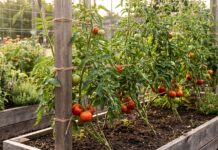
Raised garden beds can be a massive shortcut for beginners, especially if your existing soil is poor quality. You can purchase raised garden bed kits or build your own from untreated lumber, then fill them with high-quality potting mix or garden soil. (Use the calculator below to figure out exactly how much soil you need!)
2. Preparing Your Soil
If you are planting directly in the ground, preparation is key:
- Use a spading fork or shovel to loosen the soil and break up large, hard clumps.
- Rake the area thoroughly to remove debris like rocks, weeds, and old roots.
- Mix in a thick layer of fresh garden soil and compost with a hoe to enrich the base.
3. Selecting Vegetables for Your Garden
You have two choices when starting: seeds or transplants.
- Seeds are highly cost-effective and offer a vastly greater variety, but they take longer to mature. You can start seeds indoors 6-8 weeks before your last spring frost and transplant them outdoors later.
- Young plants (Transplants) from a nursery are a great choice if you want to save time and guarantee success, though they are more expensive.
Consider your family’s preferences first—there is no point in dedicating garden space to vegetables nobody enjoys eating! Opt for varieties that mature quickly if your growing season is short, and look for disease-resistant cultivars.
10 Easiest Vegetables for Beginners to Grow:
- Beets
- Lettuce
- Kale
- Cucumbers
- Peas
- Radishes
- Green beans
- Cherry tomatoes
- Summer and winter squash
- Zucchini (be prepared for a massive abundance!)
4. Planting Your First Vegetable Garden
Use a sturdy garden trowel to dig holes for your transplants, making them at least twice as deep and wide as the plant’s nursery container. Space the plants exactly according to the recommended distance on the seed packet or plant label. This ensures proper air circulation and prevents fungal diseases caused by overcrowding.
Gently place the plant in the hole and fill it with soil, ensuring it sits at the same depth it was in the container. Firm the soil gently around the base. Provide immediate support for climbing plants like tomatoes and beans using stakes or trellises, and water everything thoroughly to settle the roots.
Watering Fundamentals
Water your garden regularly, especially during hot and dry weather. Aim to keep the soil consistently moist but not soggy. I highly recommend using a drip irrigation system or soaker hoses to water your plants efficiently at the root level. Avoid walking on your garden soil when it is wet to prevent hard compaction.
5. Fertilizing, Pests, and Protection
Vegetable plants benefit from fertilizer, but it is crucial not to over-fertilize. Healthy soil with plenty of organic compost typically requires much less fertilizer than poor-quality dirt. Follow the instructions on your organic fertilizer label carefully.
Keep a close eye out for pests and diseases. It is far easier to address a small bug problem early on before it ruins a crop. For edible plants, strictly use labeled organic or natural insecticides (like Neem oil).
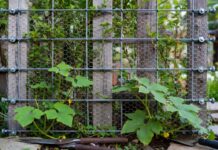
Finally, deer, rabbits, and birds can be a massive nuisance. Use physical barriers like wire fencing or bird netting with small holes to exclude them safely without causing harm to the wildlife.
Final Thoughts: Crop Rotation and Maintenance
Before the season ends, draw a quick map of your garden layout and note what vegetables you planted where. This helps with crop rotation next year. Rotating your plant families (e.g., not planting tomatoes where potatoes grew last year) helps maintain soil health and prevents pests and diseases from building up in the dirt.
Vegetable gardening is an incredibly rewarding hobby that anyone can master. Fresh vegetables from your garden not only taste significantly better than store-bought, but they give you a profound sense of accomplishment. Embrace the learning process, get your hands dirty, and enjoy the bounty of your first harvest!
🌱 Grow Your First Bountiful Harvest
Join our growing community and get my best beginner gardening guides, soil recipes, and hands-on yard improvement tips sent straight to your inbox.
100% Free. No spam. Unsubscribe anytime.