














When it comes to planting vegetables in your yard, the golden rule is simple: don’t get overly scientific or overly ambitious. Just plant what you eat! There is no point in growing a massive crop of radishes if your family hates them. Instead, focus on the foods you love to cook with.
Before you start digging, consider how much space you actually have and how much time you want to dedicate to maintenance. Whether you have a tiny balcony or a massive backyard, here is my quick guide to planning a vegetable garden that works for your specific lifestyle and region.
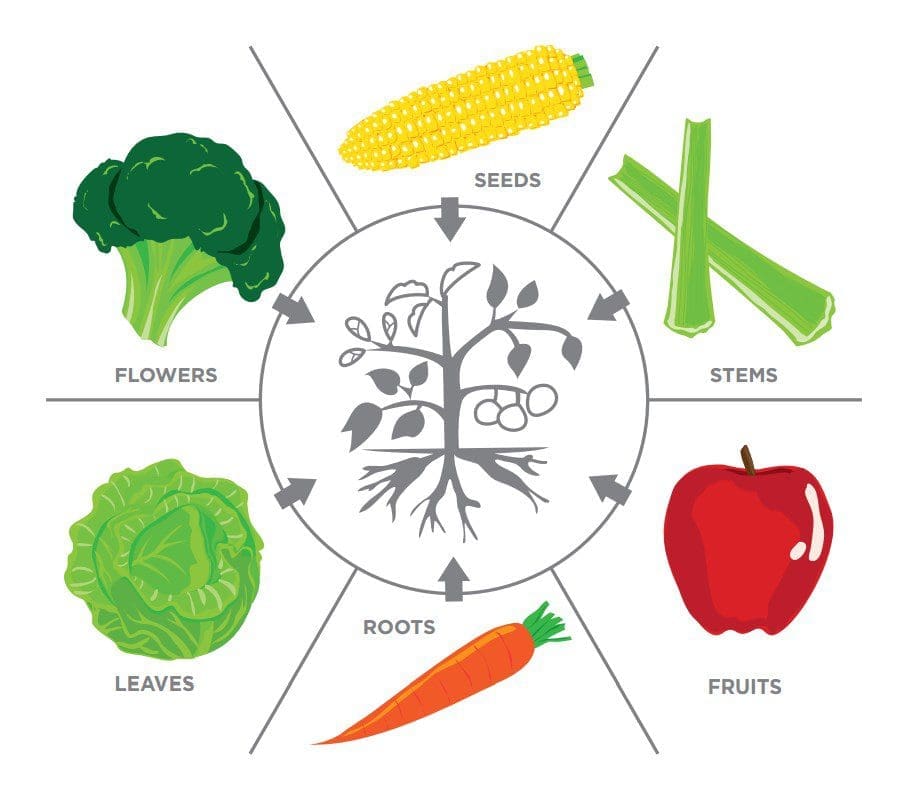
- 🪴 Match Your Space: Use pots for small spaces, raised beds for medium yards, and traditional in-ground rows only if you have a large property.
- 💰 Grow High-Value Crops: Save money on groceries by planting expensive supermarket items like fresh herbs, tomatoes, and bell peppers.
- 🌡️ Know Your Season: If you live in a region with a short summer, buy established nursery plants instead of starting from seeds.
- 💧 Water Smart: Never water from above during the heat of the day. Always water at the base of the plant early in the morning.
Garden Size Matters: From Pots to Raised Beds
For a small garden space, you can easily plant your favorite vegetables in pots or containers on your deck. Look for specific plant varieties adapted to container growth, such as patio tomatoes, dwarf peppers, or hanging strawberry baskets.
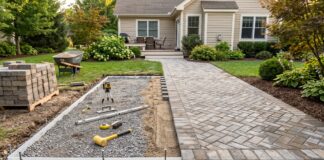
Medium-sized gardens thrive best in raised garden beds if you have a bit more space. Raised beds provide a physical barrier on the bottom and sides to prevent invasive weeds from creeping in. At the same time, they provide a perfectly controlled area to hold your loose, amended compost without it washing away in the rain.
The Perfect Medium-Sized Setup
Raised garden beds are the absolute best way to grow a high-yield vegetable garden without breaking your back pulling weeds.
Think About Value-Added Plants
When deciding what to plant, think about your grocery bill! If you want to cut down on the amount of money you spend on fresh produce, grow plants that produce higher-priced fruits. Fresh heirloom tomatoes, sweet bell peppers, and eggplants have a much higher return on investment than cheap, space-hogging crops like sweet corn or garlic.
Adapt to Your Regional Climate
You have to adapt your strategy to your specific growing zone. For instance, if you live in a northern state like Ohio with a notoriously short growing season, I strongly suggest you buy established plug plants from the garden store rather than trying to start everything from seed outdoors.
Conversely, if you garden in a hot, humid climate like Florida, you need to think about heat tolerance. I love planting hot peppers because they thrive in the heat, add vibrant color to the garden, and local wildlife won’t eat them! I also highly recommend using ornamental companion plants, like Gaura. I have used Gaura in both containers and ornamental beds in the deep South. When the flowering declines, you simply cut it back, and it grows back stronger to produce another massive round of flowers that attract crucial pollinators to your vegetables.
Spotlight: Growing Endless Parsley
To really maximize your garden’s value, focus on herbs. Parsley is one of the most useful, all-around herbs that we grow. To ensure a limitless supply right through the seasons, I make two or three successional sowings a year—the first in January, then April, and finally one in August.
I used to sow parsley directly into the dirt and then thin it heavily, but now I sow it in seed trays indoors. It needs warmth to germinate (a sunny windowsill above a radiator works perfectly). Like all mid-winter sowings, the January batch is slow to get going, but it provides robust plants in February that are ready to go out under garden cloches. Planting them at 15- to 25-cm spacing encourages huge, healthy plants to develop as soon as the spring soil warms up!
Maintenance and the Golden Rule of Watering
All gardens require occasional maintenance, but watering is usually where beginners make the biggest mistakes. Too little water stunts growth, while too much water causes root rot.
It is a natural response when you notice your plants wilting in the hot summer sun to grab the hose and flood the garden from above. Do not do this! Getting water on the plant’s leaves and fruits in the heat of the day causes severe sun scorch and invites fungal diseases.
Always water your plants at the base (at soil level) early in the morning, so the roots can drink deeply before the afternoon heat sets in.
Water Like a Pro
Stop splashing your tomato leaves! A long-reach watering wand allows you to deliver water gently and directly to the base of your plants.
Final Thoughts
At the end of the day, do not overcomplicate your backyard. Plant what you eat, experiment with high-value crops, and adapt your methods to your local weather. Relax, enjoy the sunshine, and relish the feel of the dirt in your hands! Be sure to take a moment to sit back and notice the birds and butterflies sharing your garden with you—after all, gardening shouldn’t just feed your family; it should feed your soul.
🍅 Grow Your Best Harvest Yet
Join our growing community and get my best vegetable planting guides, pest-control tips, and hands-on yard improvement advice sent straight to your inbox.
100% Free. No spam. Unsubscribe anytime.






Comments are closed.