


















Swedish ivy (Plectranthus australis) is a classic, well-known houseplant that has been gracing windowsills and hanging baskets for decades. Despite its common name, it is not actually an ivy at all. It is a proud member of the Plectranthus genus, which belongs to the larger mint family (Lamiaceae) and originates from South Africa.
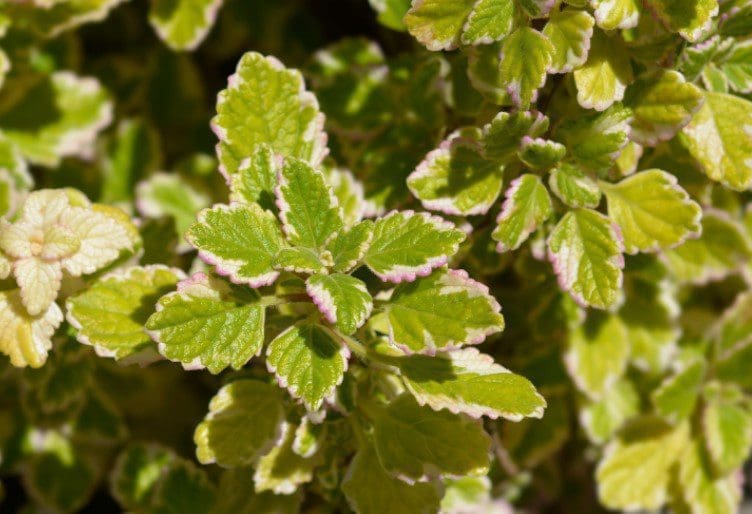
This vigorous, trailing evergreen plant features beautiful, bright green leaves with distinct scalloped edges. While it can produce delicate, tiny white or pale purple flowers when exposed to enough sunlight, it is primarily grown for its lush, cascading foliage.
Quick Facts: Swedish Ivy Profile
| Plant Care Requirement | Details |
|---|---|
| Botanical Name | Plectranthus verticillatus / australis |
| Light Needs | Bright, indirect light or filtered sun. |
| Watering | Water thoroughly when the top inch of soil starts to dry out. |
| Fertilizer | Feed monthly with a balanced 20-20-20 houseplant fertilizer. |
If left completely unpruned, Swedish ivy can quickly become “leggy” and rangy, losing its bushy appeal. To maintain a compact, dense plant, regularly pinch off the tips of new growth. This forces the plant to branch out and create a fuller canopy!
Popular Swedish Ivy Varieties
Over the past decade, breeders have developed many new Plectranthus varieties. They feature stronger, more attractively colored foliage than the original plant, making them fantastic candidates for hanging baskets or tall patio urns.
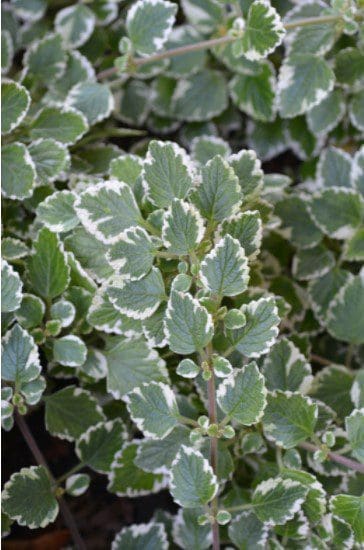
- Plectranthus coleoides: This variety features leaves similar to the common Swedish ivy, but it boasts a darker green center heavily bordered by striking white edges.
- Plectranthus forsteri: A highly aromatic variety with larger leaves (up to 6 cm wide) and white margins. It thrives in direct sunlight and produces beautiful blue flowers. A popular cultivar is ‘Aureus veritus,’ which showcases golden variegation.
- Plectranthus amboinicus: Often known as Cuban Oregano, this upright-growing plant forms a bushy canopy with small, round, felted leaves that release a strong oregano-like scent when touched.
- Plectranthus tomentosa: Commonly called the “Vicks Plant.” It is a sprawling, rangy plant whose crushed leaves release a distinct camphor or menthol fragrance.
- Plectranthus argentatus: An incredible filler plant for summer patio containers, featuring heavily textured, silvery-felted leaves.
- Plectranthus ecklonii: A dramatic variety with dark green leaves and deep burgundy undersides. It blooms heavily with flowers resembling coleus blossoms.
How to Care for Plectranthus Indoors and Outdoors
Light and Temperature
These plants are incredibly forgiving. They thrive in semi-shade or filtered sunlight. While they can tolerate brighter conditions (which actually encourages more blooming), harsh, direct afternoon sun can scorch their delicate leaves. Swedish ivy is very frost-sensitive. If you grow it outdoors on a porch or patio, you must bring it indoors before temperatures drop below 40°F (4°C).
Water and Soil
Members of the Swedish ivy family prefer a rich, well-draining potting mix high in organic humus. They can tolerate very short periods of dry soil, but they look their absolute best when watered right as the top layer of soil begins to dry. Never let the roots sit in standing water, as this leads to root rot.
Easy Propagation
One of the best things about Swedish ivy is how ridiculously easy it is to propagate. Simply take a 4-to-6-inch tip cutting, strip the bottom leaves, and place the stem in a glass of water or directly into moist sand or vermiculite. Roots will form in just a few weeks, giving you endless new plants to share with friends!
Frequently Asked Questions
Is Swedish ivy an actual ivy plant?
No, Swedish ivy (Plectranthus) is not a true ivy (Hedera). It is actually a creeping, trailing member of the mint family native to southern Africa, making it entirely non-toxic and safe for homes with pets.
Why is my Swedish ivy getting leggy and thin?
If the stems are growing long with large gaps between the leaves, the plant is likely not getting enough light. Move it to a brighter location with indirect sun, and pinch off the tips of the stems to encourage bushier growth.
How do you propagate Swedish ivy?
It is one of the easiest houseplants to propagate. Take a healthy stem tip cutting just below a leaf node, remove the lower leaves, and place it in a jar of water or moist potting soil. It will root vigorously within two to three weeks.







Comments are closed.