












There is nothing more frustrating than spending your weekends fertilizing and mowing your lawn, only to realize that the lush, green patches taking over your yard are actually weeds that look like grass. Because they blend in so perfectly with your turf, these grassy weeds can quietly establish deep roots and steal vital nutrients from your soil for weeks before you even notice them.
By the time they produce unsightly seed heads or turn brown in the summer heat, they have already built up enough strength to resist basic weed control efforts. The secret to a perfect lawn is early identification. If you can spot these grassy imposters early, you can eradicate them before they take over. Here are the top 3 most common weeds that look like grass and exactly how to get rid of them.
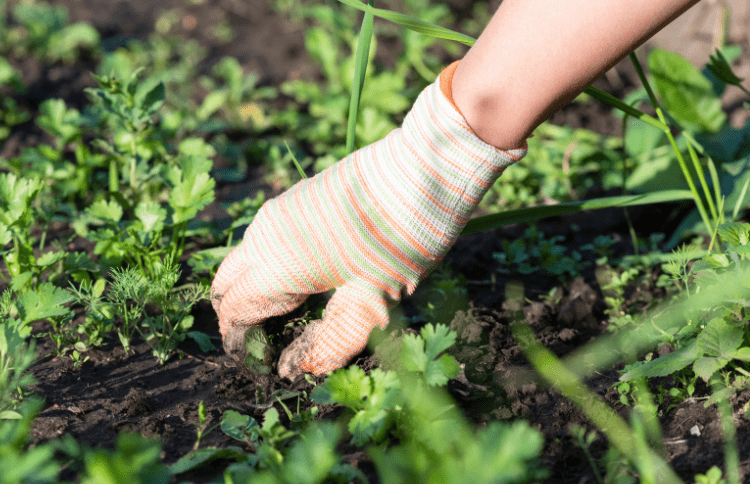
Herbicides are great, but the absolute best defense against grassy weeds is a thick, healthy lawn. Weeds are opportunistic; they look for bare, thin spots in your turf where sunlight hits the soil. By mowing high (at least 3 inches), overseeding in the fall, and aerating compacted soil, you literally choke out the weeds before their seeds can germinate.
1. Goosegrass (Eleusine indica)

Goosegrass is an incredibly tough, warm-season annual weed that thrives in highly compacted, poorly drained areas where regular turfgrass struggles to survive. You will often find it growing along the edges of sidewalks, driveways, or heavy foot-traffic areas.
How to Identify It:
Goosegrass grows in a low, flat rosette (like a wagon wheel). The easiest way to distinguish it from crabgrass is by looking at the center of the plant. Goosegrass has a very distinct silvery-white or pale green center where the stems meet the soil. Later in the season, it produces stiff, finger-like seed heads that resemble a goose’s foot.
How to Kill It:
Because Goosegrass loves compacted soil, core aeration is your first step. For chemical control, a pre-emergent applied in early spring is highly effective. If the weed has already sprouted, a post-emergent herbicide containing Mesotrione is your best option for killing it without harming your regular lawn.
2. Crabgrass (Digitaria sanguinalis)
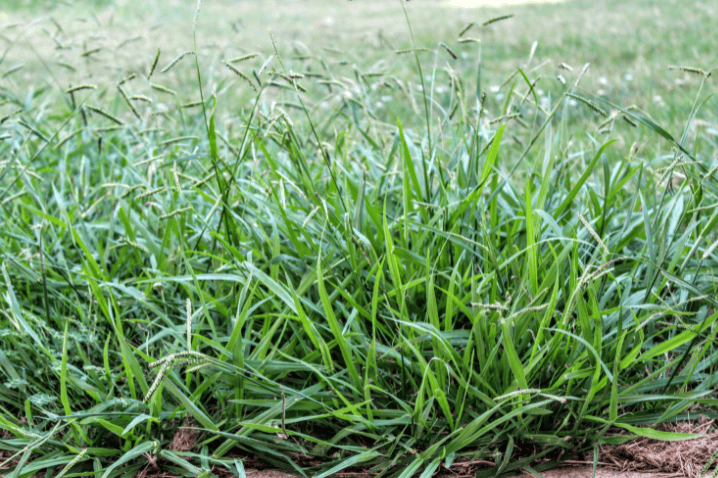
Crabgrass is arguably the most infamous lawn weed in North America. It is an aggressive, warm-season annual that germinates in the spring when soil temperatures reach 55°F, explodes in growth during the blistering summer heat, and dies off after the first fall frost (leaving behind thousands of seeds to ruin your lawn next year).
How to Identify It:
True to its name, crabgrass grows low to the ground with stems that sprawl out horizontally like crab legs. Its leaves are a much lighter, pale “apple green” color compared to the darker green of Kentucky Bluegrass or Fescue. The blades are also noticeably wider and have a distinct fold down the center.
How to Kill It:
The golden rule of crabgrass is to stop it before it starts using a pre-emergent herbicide (like Prodiamine or Dithiopyr) in early spring. If it has already taken over, you need a post-emergent herbicide containing Quinclorac. For those preferring an organic route on small patches, heavily soaking the center of the crabgrass with high-concentration horticultural vinegar (20% to 30% acidity) on a hot sunny day will burn it out.
3. Creeping Bentgrass (Agrostis palustris)
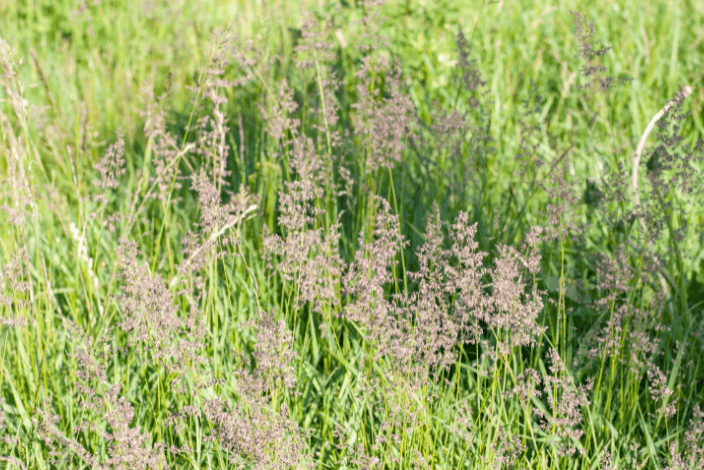
Creeping bentgrass is a bit of a paradox. On a luxury golf course putting green, it is highly desired. But when it invades your residential home lawn, it is a highly invasive, difficult-to-control weed. It spreads rapidly via above-ground runners (stolons), creating dense, spongy mats that choke out your desired grass.
How to Identify It:
Creeping bentgrass has very fine, narrow blades that form a dense, fluffy carpet. In the cool, wet weather of spring, it looks like a beautiful light-green patch in your yard. However, because its roots are very shallow, it cannot handle the summer heat and quickly turns into a massive, ugly brown patch in July and August.
How to Kill It:
Because it spreads via runners, pulling it by hand is almost impossible (if you leave even a tiny piece of the runner behind, it will regrow). The most effective chemical control is Mesotrione (often sold under the brand name Tenacity). It will turn the creeping bentgrass stark white as it destroys its chlorophyll, safely removing it while leaving your Kentucky Bluegrass or Fescue unharmed.
Frequently Asked Questions
Why do I have so many grassy weeds?
Grassy weeds typically invade lawns that are stressed, mowed too short, or highly compacted. Bare spots allow sunlight to hit the weed seeds waiting in the soil. Maintaining a thick, tall lawn (mowing at 3 to 4 inches) is your best natural defense.
What is the difference between pre-emergent and post-emergent herbicides?
Pre-emergents create a chemical barrier in the soil that stops weed seeds from germinating in the spring. Post-emergents are sprayed directly onto the leaves of weeds that have already sprouted and are actively growing.
Can I just pull crabgrass by hand?
Yes, if you only have a few small plants, hand-pulling is very effective. Wait until after a heavy rain when the soil is soft, and ensure you pull from the very center of the “wagon wheel” so you extract the entire root system.