


















If you are looking for a houseplant that is practically immortal, let me introduce you to my absolute favorite: the ZZ Plant. Years ago, when I was struggling to keep delicate ferns and finicky orchids alive, a fellow gardener recommended the ZZ Plant. It completely changed my indoor gardening game.
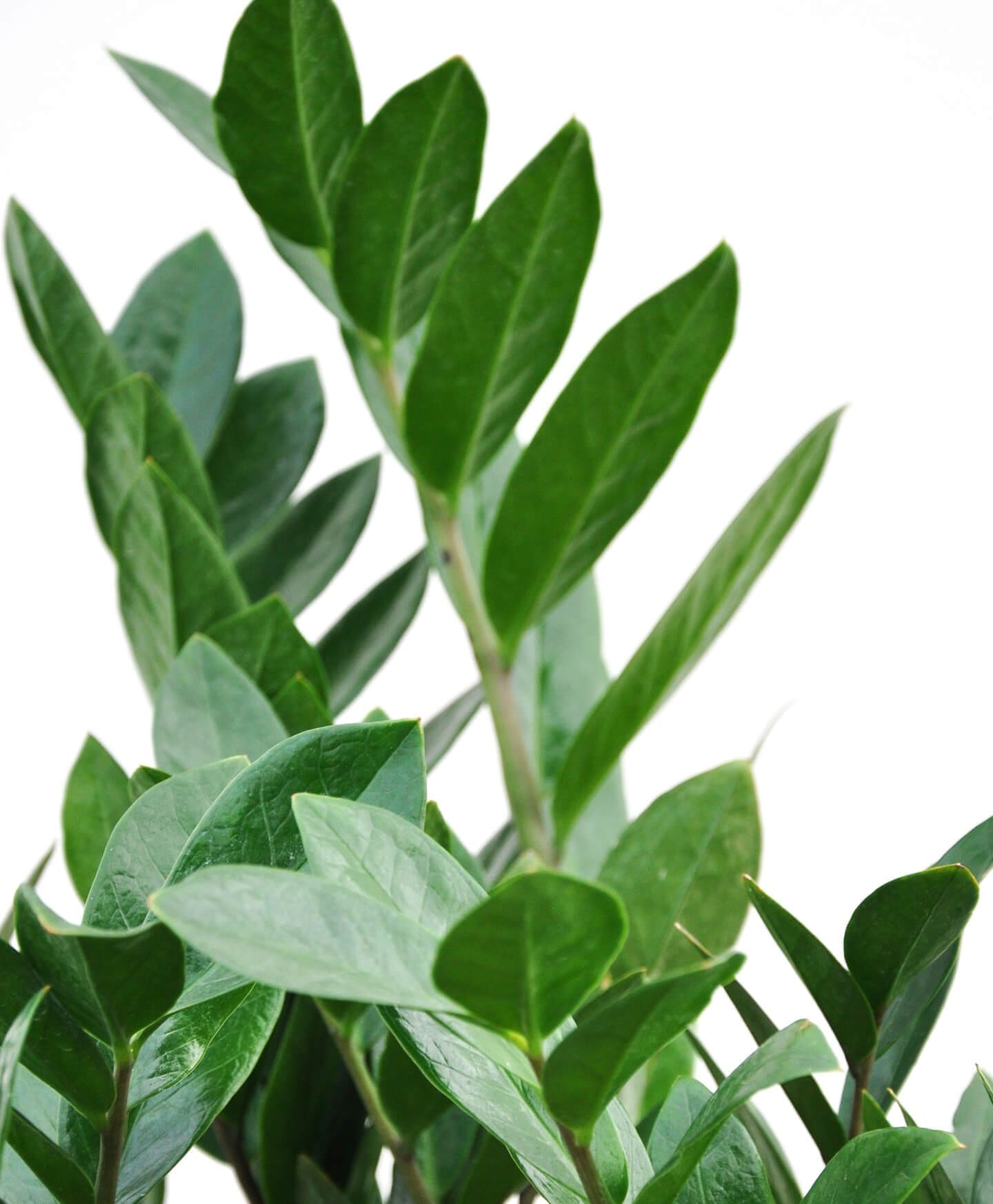
Formally known as Zamioculcas zamiifolia (or the Zanzibar Gem), this plant is harsh, hardy, and ideal for the forgetful owner. It can survive for months with almost no water and will happily develop in dark corners where other plants would instantly wither. With its broad, deep green, waxy leaves, it brings a bold, tropical statement to any room without demanding your constant attention.
- ☀️ Light: Highly adaptable. Thrives in bright, indirect light but happily tolerates extremely low-light conditions.
- 💧 Watering: Less is more! Water only when the soil is completely dry (usually every 2-3 weeks).
- 🪨 Soil: Requires a well-draining potting mix; adding perlite prevents root rot.
- ✨ Superpower: Acts as a natural air purifier, filtering harmful toxins from indoor environments.
The History of the Zanzibar Gem
The ZZ Plant has existed in the wild for generations, originating in the drought-prone landscapes of Eastern Africa, specifically regions like Tanzania. It belongs to the Araceae family, making it a distant cousin to the philodendron and the popular peace lily.
Despite its ancient roots, it wasn’t a common houseplant until relatively recently. A few decades ago, Dutch nurseries in South Africa discovered the plant’s incredible propagating opportunities. In 1996, they began distributing it globally. Since that time, ZZ plants have entered offices, homes, and hearts worldwide.
How to Care for Your ZZ Plant
Care for the ZZ plant is so natural and effortless that it has become the gold standard for houseplant novices, busy office workers, and self-proclaimed “brown thumbs.”
Watering and Rhizomes
The secret to the ZZ plant’s survival lies beneath the soil. It grows from thick, potato-like rhizomes that are incredibly adept at storing moisture. Because of this, it behaves much like a cactus or succulent. Overwatering is the absolute most common problem and will quickly lead to root rot. Situate the ZZ in your home and only water it when the soil is completely dried out. You can easily forget about watering it for a few weeks, and it will still thrive!
Soil and Fertilizer
The ZZ happily does not need any overly specific or expensive potting soil. Any well-draining indoor potting mix will do, though I always like to mix in a handful of perlite to ensure the roots don’t sit in excess moisture. Regarding feeding, use a standard, balanced houseplant fertilizer (20-20-20) once a month during the active growing season (spring and summer).
Light Requirements
While they grow fastest in bright, indirect light (like near a south-facing window), they are famous for their ability to tolerate very low light. The only thing you must avoid is placing them in intense, direct, blazing sunlight for extended periods, as this will scorch their beautiful leaves.
Want to Add a ZZ Plant to Your Collection?
If you can’t find a healthy Zanzibar Gem at your local nursery, you can easily order a vibrant, fully-rooted plant online and have it delivered safely to your door.
Cleaning and Maintenance (A Fun Fact!)
The foliage of your ZZ Plant is naturally glossy. Therefore, absolutely no chemical “leaf shine” sprays are needed! In fact, those sprays can clog the plant’s pores. Just wipe the leaves gently with a damp cloth every few weeks to keep them dust-free so they can photosynthesize efficiently.
ZZ usually grows gradually to a height and width of 2 to 3 feet, so it is not a plant monster that will rapidly outgrow its pots. If your plant’s limbs intrude into your space, simply prune them away. While the plant can technically flower in mid-summer to early autumn, the blossoms are tiny and not very appealing, making the ZZ primarily a foliage plant.
NASA-Approved Air Purifying Benefits
The ZZ plant is not only a stylish and low-maintenance addition to your indoor space, but it also offers serious health benefits. It is a proven air cleaner. In a famous NASA clean air study, scientists found that plants like the ZZ are specifically adept at extracting large amounts of volatile organic compounds (VOCs) like benzene, toluene, and xylene from the indoor atmosphere.
Final Thoughts
In essence, the ZZ plant is a testimony to nature’s adaptability and the beauty of the green world. Its affinity to withstand neglect, dry soil, and low humidity without compromising its stunning appearance makes it a massive favorite among gardeners and interior designers alike. If you want to boost your mood, clean your indoor air, and enjoy a lush plant that practically takes care of itself, the Zanzibar Gem is the perfect choice.
🌿 Become an Indoor Plant Expert
Join our growing community and get my best houseplant care guides, watering schedules, and hands-on landscaping tips sent straight to your inbox.
100% Free. No spam. Unsubscribe anytime.