













Understanding the various types of pliers is crucial to unlocking the full potential of your hand tools. From gripping and molding metal to snipping wires and tweaking delicate jewelry, these pivotal tools are the undisputed cornerstones of both DIY homeowner kits and expert mechanic bags.
Pliers are arguably the most versatile tools we use on a daily basis. However, using the wrong type of pliers for a job is the fastest way to strip a bolt, damage delicate materials, or pinch your fingers. Did you know there are nearly two dozen specialized designs tailored for specific trades? In this expert guide, we will break down exactly what each type of plier does and when you should reach for it.

The Basics: Anatomy of Pliers
Before diving into the specialized types, it is helpful to understand how these tools actually generate force. Pliers operate on the basic principle of two levers working in opposite directions, connected by a fulcrum.
- The Jaws (Nose): The gripping end of the tool. They often feature serrated teeth for heavy-duty grip or smooth surfaces for delicate work.
- The Pivot Point (Fulcrum): The hinge that connects the two halves. Adjustable pivot points allow the jaws to open wider.
- The Cutters: Many standard pliers feature sharpened blades near the fulcrum designed to snip wire or cables.
- The Handles: The longer the handle, the more leverage and cutting power you can generate. Insulated handles are crucial for electrical work.
The Most Common Types of Pliers
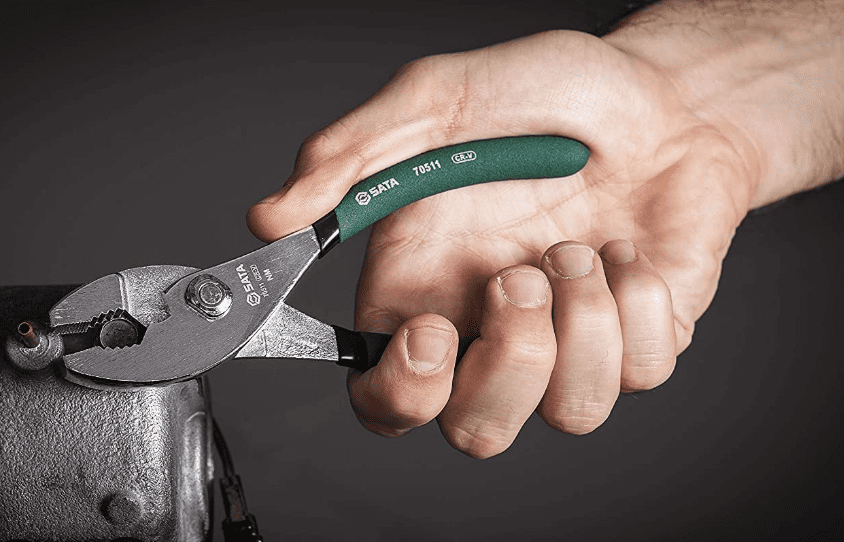
1. Slip Joint Pliers
Slip joint pliers are the quintessential household tool. They feature an adjustable pivot point that allows the jaws to shift into two different positions, accommodating objects of various sizes. They are ideal for holding, bending, twisting, and light bolt-turning.
2. Needle Nose (Long Nose) Pliers
Needle-nose pliers are designed with a long, pointed snout that enables them to reach tight, recessed spaces effortlessly. These versatile tools are used heavily in precision tasks like electrical work, computer repair, and jewelry making. They almost always include a wire-cutting edge near the base.

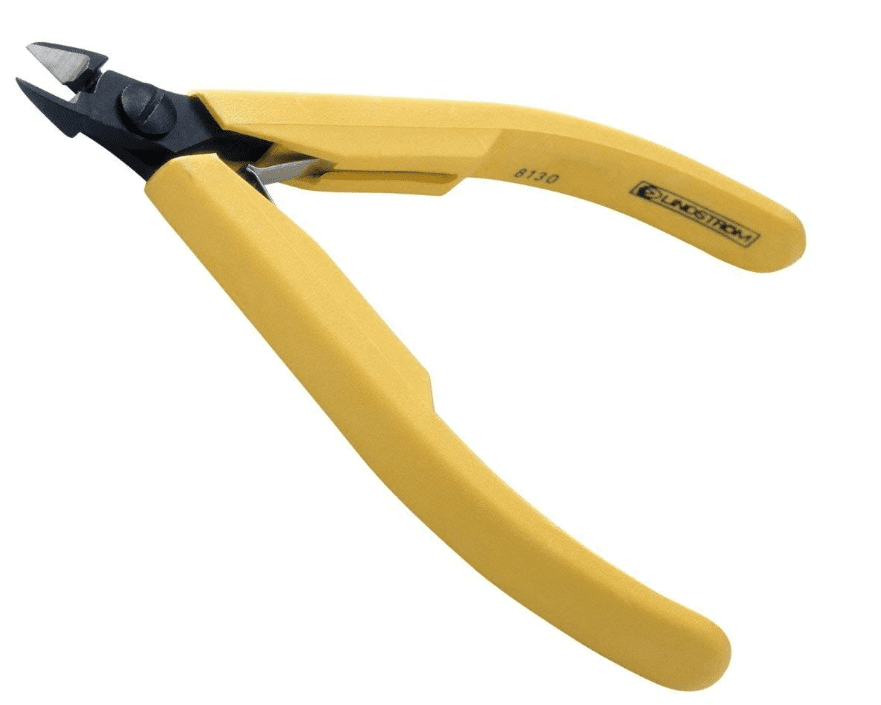
3. Diagonal Pliers (Wire Cutters)
Diagonal pliers do not have gripping jaws. Instead, their jaws are sharply angled cutting edges designed exclusively for snipping wire. The hardened cutting edge ensures durability, making them a must-have for electricians and carpenters cutting thick nails or heavy-gauge wire.
4. Lineman’s Pliers
The ultimate multi-tool for electricians. Lineman’s pliers feature a flat, heavy-duty gripping surface at the tip and strong cutting blades near the fulcrum. Their heavy, bulky head is often used as a makeshift hammer to tap in loose staples or wall anchors.

5. Tongue and Groove Pliers (Channel Locks)
Also known as water pump pliers or “Channel Locks,” these feature heavily angled jaws and a highly adjustable pivot point that slides along a grooved track. They are the plumber’s best friend, capable of expanding to grip massive PVC pipes or massive hex nuts.

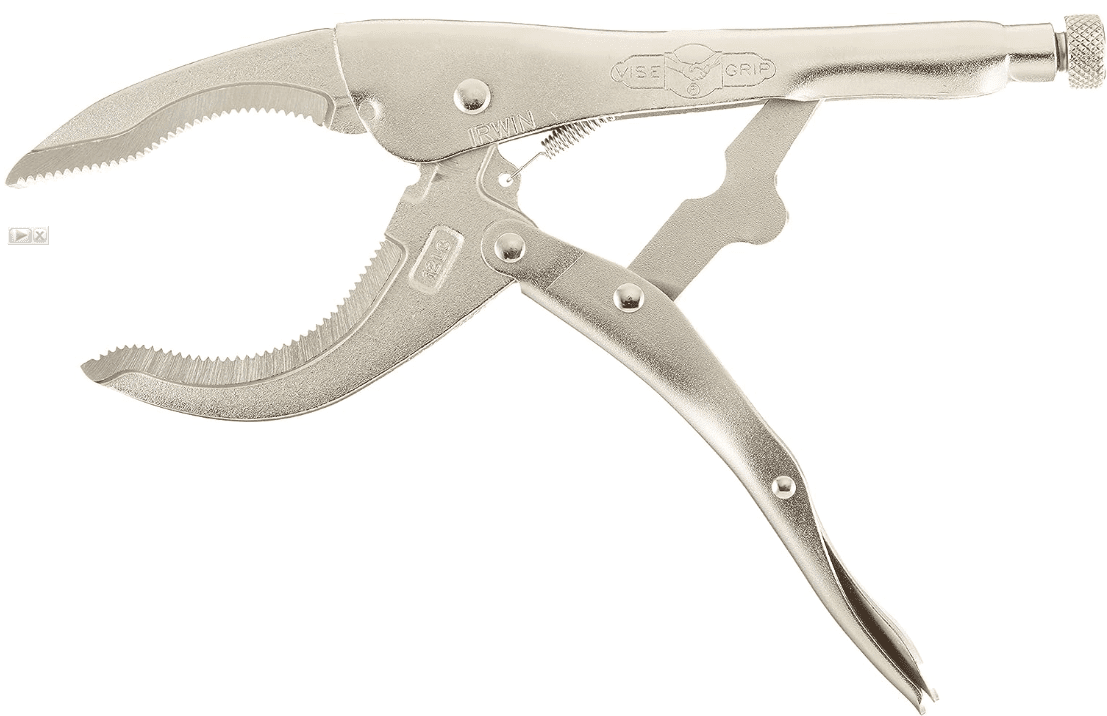
6. Locking Pliers (Vise-Grips)
Locking pliers, universally known as Vise-Grips, feature a bolt mechanism in the handle that allows you to lock the jaws shut onto an object with extreme clamping force. They act as a portable vise and are heavily used in welding, metalworking, and extracting stripped bolts.
Specialty and Automotive Pliers
If you need to use steel-jawed pliers on a delicate chrome plumbing fixture or a soft brass fitting, wrap the jaws tightly in electrical tape or duct tape first. This gives you the gripping leverage of the metal tool without scratching the decorative finish.
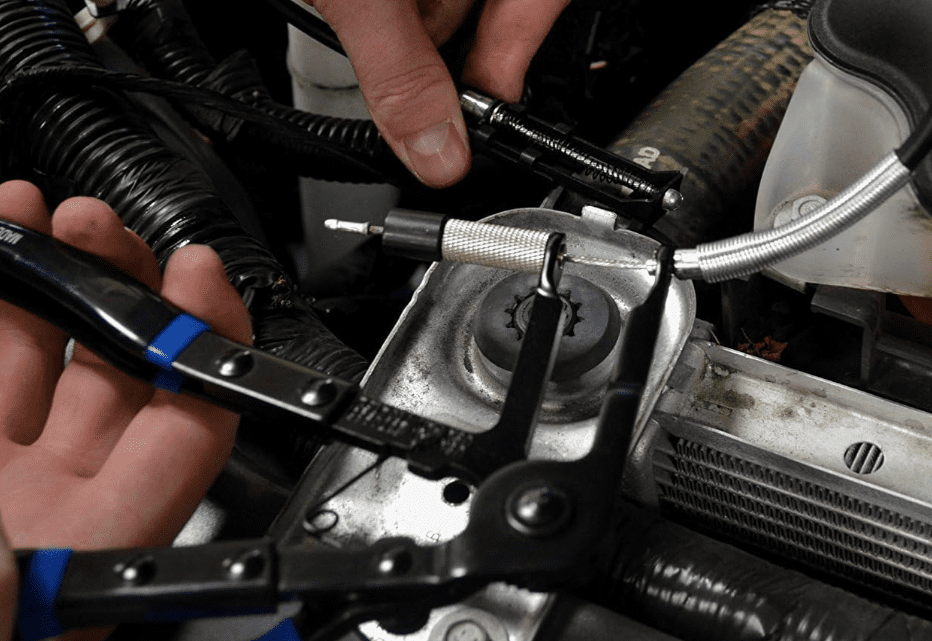
7. Hose Clamp Pliers
Specifically designed for automotive mechanics, these feature a locking ratcheting mechanism that holds tight tension on spring-loaded coolant and fuel line clamps, keeping your fingers safe while you maneuver the hose.
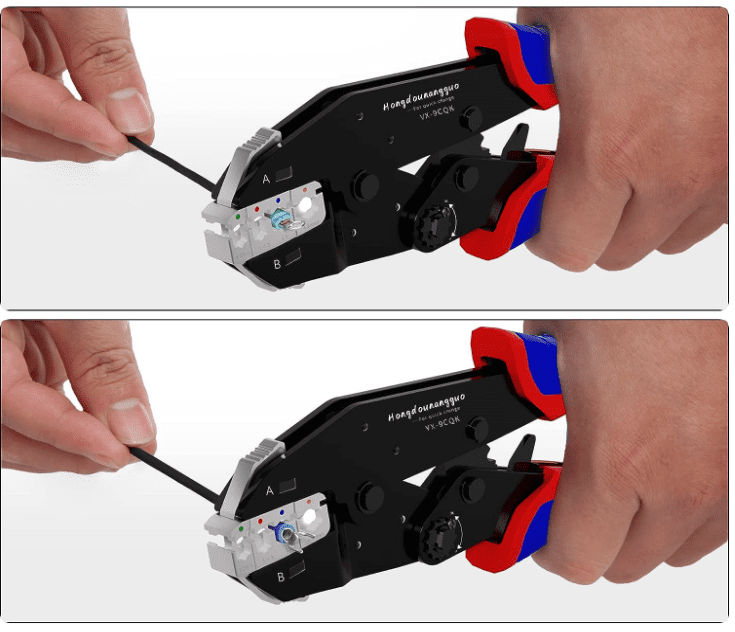
8. Crimping Pliers
Used heavily in electrical and networking trades, the jaws of these pliers feature specialized notches designed to crush (crimp) metal sleeves, securing wire connections without needing solder.
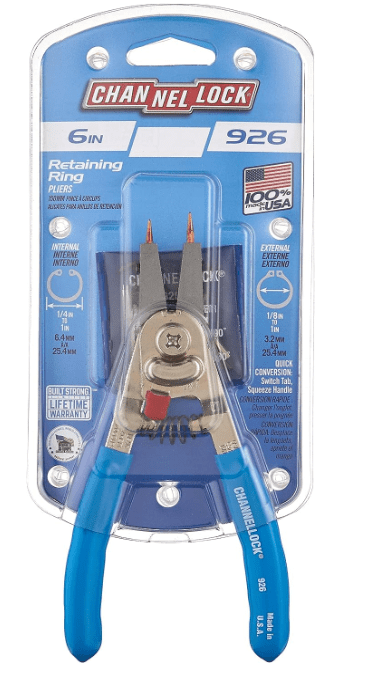
9. Snap Ring Pliers (Circlip Pliers)
Snap rings (circlips) are tiny, rigid metal rings used to retain bearings on a shaft. Snap ring pliers have tiny, pin-like tips that fit perfectly into the ring’s eyelets. Unlike normal pliers, some snap ring pliers open the ring when you squeeze the handles.
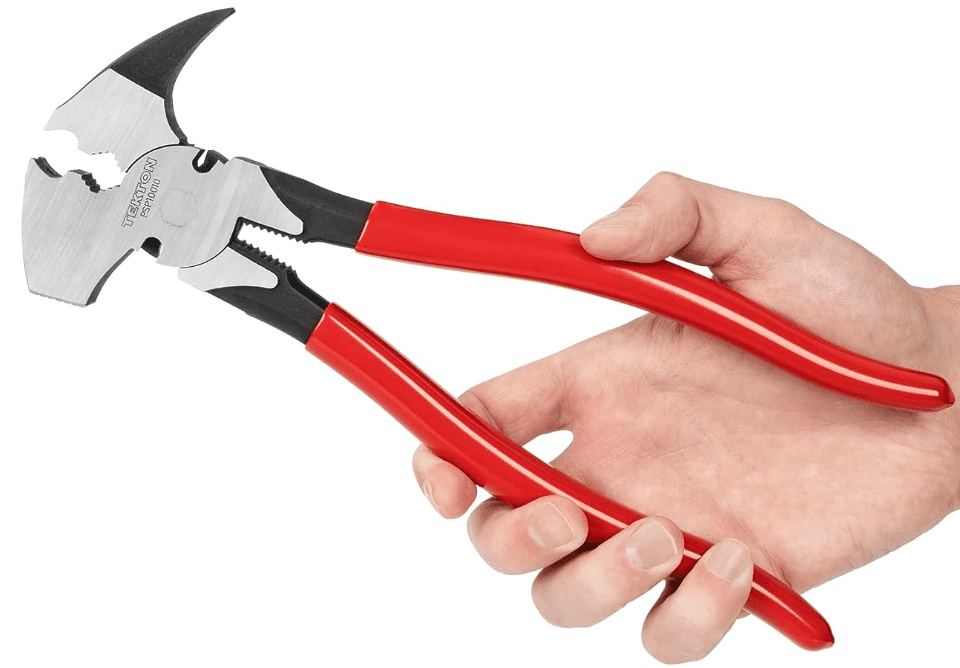
10. Fencing Pliers
The ultimate farm tool. Fencing pliers feature a hammerhead for driving staples, a claw for pulling them out, and heavy-duty wire cutters. They are specifically built to construct and repair heavy barbed wire fences.
11. Oil Filter Pliers
Specifically designed with massive, curved, toothed jaws, these pliers clamp down on stuck or overtightened oil filters, giving mechanics the leverage needed to twist them free.

12. Battery Pliers
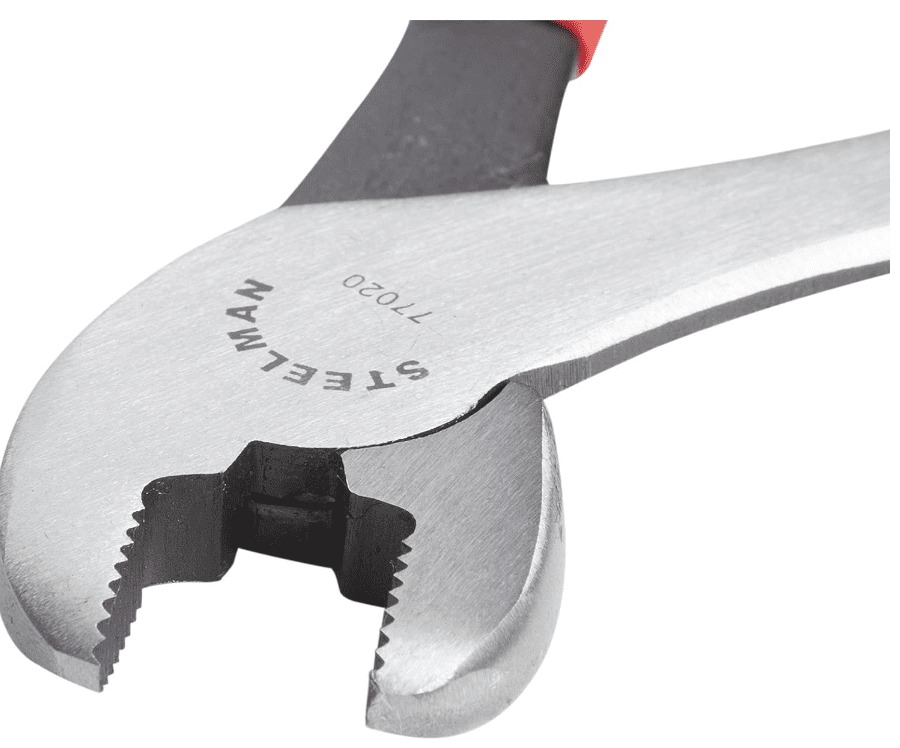
Battery pliers are designed with a specialized jaw angle intended to firmly grip the square-headed bolts on car battery terminals, avoiding the stripping that often occurs when using standard wrenches in tight engine bays.
Crafting, Glass, and Woodworking Pliers
13. Bent Nose Pliers
These function identically to needle-nose pliers, but the tip is bent at an angle (usually 45 or 90 degrees). This allows you to grip wires or beads without your hand blocking your line of sight.

14. Flat Nose & Chain Nose Pliers
Essential for jewelry makers. Flat nose pliers have a perfectly flat, wide interior jaw meant to grip and put sharp right-angle bends into wire. Chain nose pliers are rounded on the outside but flat on the inside, used to open and close jump rings without scratching the metal.

15. Running Pliers
Running pliers are a highly specialized tool used exclusively by stained glass and mosaic artists. After scoring a piece of glass, the curved jaws of the running pliers apply perfectly even pressure to “run” the break cleanly along the score line.

16. Nail Puller Pliers (End Nippers)
Also called end-cutting pliers, these have cutting blades located perfectly flush at the top of the jaws rather than on the side. Carpenters use them to grab a stuck nail close to the wood and roll the rounded head backward to pry it completely out.

17. Soft Jaw Pliers (Non-Marring)
If you are working with soft metals, plastics, or assembling custom plumbing fixtures, soft jaw pliers feature removable nylon or rubber slip-covers over the steel jaws. They provide a secure grip without leaving a single scratch on the material.

Frequently Asked Questions
Can I just use one type of pliers for everything?
It is highly discouraged. Trying to use slip joint pliers to twist delicate wire will result in a messy job, and trying to use needle-nose pliers to loosen a rusted bolt will likely snap the tip of the tool off. Having a dedicated set saves time and prevents material damage.
How do I stop my pliers from rusting?
Because most high-quality pliers are made from high-carbon steel (for durability), they are susceptible to rust if left in a damp garage. Regularly wipe them down with a dry cloth and apply a light coat of machine oil or WD-40 to the fulcrum joint to keep them functioning smoothly.
What is the difference between Linesman pliers and Combination pliers?
They are incredibly similar. However, true linesman pliers usually have a flatter, heavier nose designed specifically for pulling and twisting electrical cables, whereas combination pliers often feature a rounded cut-out in the jaw specifically designed for gripping small pipes or round objects.