
















Exterminator prices usually start with one question: how much will it cost to get this pest problem handled before it gets worse? The answer depends on the pest, the size of your home, the severity of the infestation, the treatment method, the number of visits, and your local market.
For many common household pest problems, a one-time exterminator visit often falls somewhere around 0 to 0. Many homeowners pay closer to the middle of that range for a standard treatment, while larger infestations, recurring service plans, termites, bed bugs, rodents, and specialty treatments can cost more.
We break down prices of exterminators by visit type, pest type, home size, treatment plan, and local pricing factors. It also explains when a monthly pest control plan makes sense, when a one-time visit may be enough, and when you should compare local providers before deciding.
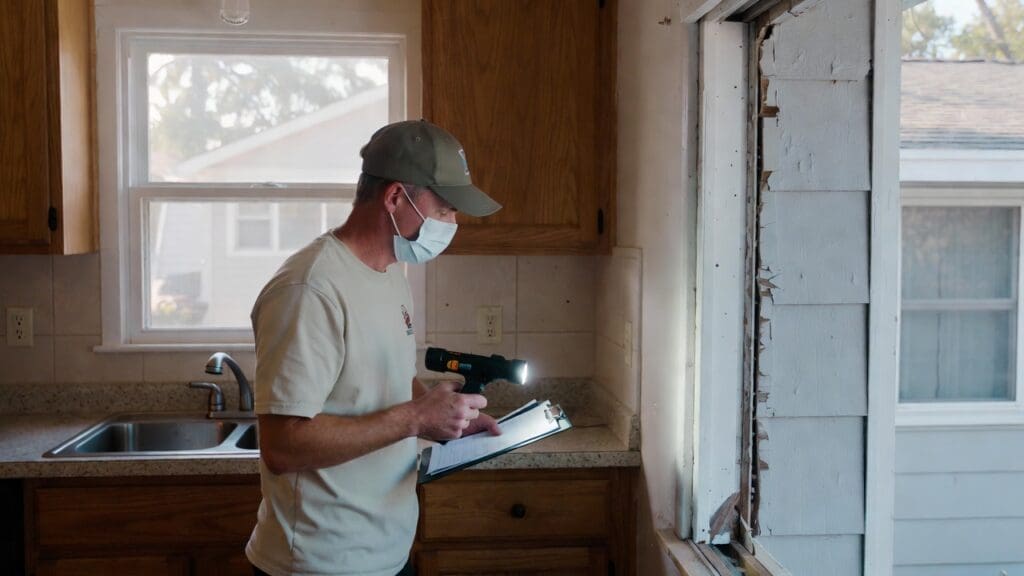
Most exterminator prices range from about $100 to $600 for a one-time visit, depending on the pest and infestation level. Monthly pest control plans often cost about $40 to $75 per visit, with an initial inspection and treatment commonly costing more. Severe infestations, termites, bed bugs, rodents, large homes, and specialty treatments can cost significantly more.
The phone option on this page is for residential common pest-control pricing, such as ants, cockroaches, spiders, silverfish, crickets, centipedes, millipedes, and some general household pest problems. Bed bugs, wasps, bees, wildlife, snakes, squirrels, raccoons, commercial buildings, mobile homes, and some rodent jobs may require a different provider or service category.
Prices vary by pest type, home size, infestation level, treatment plan, and location. For common residential pest problems, you can call to discuss local pest control pricing with a participating provider.
Average Exterminator Prices by Service Type
The fastest way to understand exterminator price ranges is to separate one-time treatments from ongoing pest control plans. A single visit may be enough for a light ant, spider, silverfish, or occasional roach problem. A recurring plan may make more sense if pests keep coming back, your home has seasonal pressure, or you want ongoing inspection and prevention.
| Service Type | Typical Price Range | Best For |
|---|---|---|
| One-time exterminator visit | $100 to $600 | Single pest issue, light to moderate infestation, first-time treatment |
| Initial visit for a recurring plan | $150 to $300 | Inspection, first treatment, setup for ongoing service |
| Monthly pest control | $40 to $75 per visit | Homes with regular pest pressure, prevention, recurring service |
| Quarterly pest control | $100 to $300 per visit | Seasonal pest control and prevention in many homes |
| Annual pest control plan | $300 to $900 per year | Ongoing service, inspections, prevention, and follow-up visits |
| Specialty infestation treatment | $500 to $5,000+ | Termites, bed bugs, severe infestations, fumigation, heat treatments, complex jobs |
Exterminator Prices by Pest Type
Different pests require different inspection time, products, traps, entry-point sealing, follow-up visits, and treatment methods. That is why exterminator prices for ants are usually not the same as roach exterminator prices, mice exterminator price ranges, or termite treatment costs.
| Pest Type | Typical Price Range | Pricing Notes | CTA Fit |
|---|---|---|---|
| Ants | $100 to $300+ | Light indoor ant problems cost less than widespread nests or recurring outdoor activity. | Phone CTA OK |
| Cockroaches / roaches | $100 to $500+ | German roaches, multi-room activity, apartments, and follow-up visits raise the price. | Phone CTA OK |
| Spiders | $100 to $300+ | Price depends on indoor activity, exterior treatment, web removal, and recurring prevention. | Phone CTA OK |
| Silverfish, crickets, earwigs, centipedes, millipedes | $100 to $300+ | Moisture control and entry-point prevention matter as much as treatment. | Phone CTA OK |
| Mice | $150 to $500+ | Pricing varies by trapping, bait stations, exclusion, entry points, attic/crawl space access, and follow-ups. | Provider coverage varies |
| Rats | $200 to $600+ | Rat jobs may require exclusion work and can overlap with rodent or wildlife service categories. | Use local pro comparison |
| Termites | $250 to $2,500+ | Localized treatment costs less than whole-home treatment, bait systems, structural issues, or fumigation. | Phone CTA may fit by provider |
| Fleas | $150 to $400+ | Often requires preparation, pet treatment coordination, vacuuming, and follow-up. | Use local pro comparison |
| Bed bugs | $300 to $5,000+ | Heat treatment, multiple rooms, follow-ups, and severe infestations can raise costs quickly. | Use specialist/local pro comparison |
| Wasps, bees, wildlife, snakes, squirrels, raccoons | Varies widely | These may require a different pest, bee, or wildlife removal provider. | Use local pro comparison |
For residential common pest-control needs such as ants, cockroaches, spiders, silverfish, crickets, centipedes, millipedes, and general household pest pressure, call to discuss local pricing with a participating provider.
One-Time Exterminator Cost vs Monthly Pest Control Cost
A one-time exterminator visit is usually best when the problem is limited, the pest is easy to identify, and you do not have a long history of repeat infestations. Recurring pest control makes more sense when your home has seasonal pest pressure, nearby vegetation, moisture issues, gaps around doors, older construction, or repeat roach, ant, spider, or general pest activity.
Choose One-Time Treatment If
You saw a limited pest problem, the source is obvious, the infestation is light, and you do not need ongoing inspections or prevention.
Choose Monthly Pest Control If
Pests keep returning, the home has recurring pressure, you need routine service, or your property has conditions that attract pests throughout the year.
Choose Quarterly Pest Control If
You want prevention without monthly service. Quarterly plans are common for general ants, spiders, roaches, and household pest prevention.
Mice Exterminator Price
Mice exterminator price ranges often start around $150 and can rise above $500 depending on the size of the home, the number of entry points, the location of activity, and whether the job includes traps, bait stations, follow-up visits, or exclusion work.
A basic mouse treatment may be simple if activity is limited to a garage, basement, or one kitchen wall. The price can rise when mice are in wall voids, attics, crawl spaces, insulation, cabinets, or multiple rooms.
- Lower-cost mouse jobs: Limited activity, easy access, obvious entry point, small treatment area.
- Higher-cost mouse jobs: Multiple rooms, attic/crawl space activity, droppings in many areas, odor, damaged insulation, or difficult entry-point sealing.
- Important: Rodent service coverage varies by provider. Some rodent problems may need a separate rodent or wildlife removal provider.
Rat Exterminator Price
Rat exterminator price ranges are often higher than mouse jobs because rats are larger, more cautious, and can require more involved exclusion and follow-up. A rat problem may cost $200 to $600 or more depending on severity and access.
Rat pricing often depends on whether the provider only sets traps or also identifies entry points, seals gaps, checks attic or crawl space areas, and returns for follow-up service. In some markets, rats may be handled under a separate rodent or wildlife removal service category.
Some pest problems, including rats, bed bugs, wasps, bees, wildlife, snakes, squirrels, and raccoons, may require a different local provider than general household pest control. You can compare local pest control options before choosing a service.
Roach Exterminator Prices
Roach exterminator prices usually depend on the type of cockroach, the size of the infestation, sanitation issues, apartment or shared-wall conditions, and the number of follow-up visits required.
A light American cockroach or occasional roach problem may be handled with a standard treatment. A German cockroach infestation in kitchens, bathrooms, cabinets, appliances, or multi-unit housing can cost more because it often requires a more targeted plan and repeated follow-up.
Why Roach Treatments Can Cost More
- Roaches hide in cracks, cabinets, appliances, and wall voids.
- Egg cases and nymphs can keep the problem going after the first visit.
- Sanitation, moisture, and food sources affect success.
- Apartment and shared-wall buildings can have reinfestation pressure.
- Follow-up treatments are often needed for stubborn infestations.
Exterminator Prices for Ants
Exterminator prices for ants often fall toward the lower end of pest control costs when the problem is light and easy to trace. But ant pricing can rise when colonies are outdoors, trails keep reappearing, or the pest is a more difficult species such as carpenter ants or pharaoh ants.
For simple indoor ant trails, treatment may focus on baiting, entry points, and sanitation. For outdoor colonies or structural concerns, the provider may need more inspection time and a different treatment approach.
Termite Exterminator Cost
Termite treatment is usually in a different price category than general household pest control. A small localized treatment may cost a few hundred dollars, while larger termite jobs, bait systems, soil treatments, structural access issues, and fumigation can run into the thousands.
Termite prices depend on the species, treatment method, size of the structure, extent of activity, local climate, and whether there is damage that needs repair. Termite inspections and treatment details should be handled carefully because untreated termite activity can create expensive structural problems.
Do not compare termite prices only by the first number you hear. Ask what inspection, treatment method, warranty terms, follow-up, bait system, drilling, trenching, or monitoring is included.
Bed Bug Exterminator Prices
Bed bug exterminator prices can be much higher than general pest control. A small, early bed bug issue may cost a few hundred dollars, while multi-room infestations, heat treatments, preparation requirements, repeat visits, and severe infestations can cost thousands.
Bed bugs are not a good fit for a general household pest-control phone CTA on this page. If you are researching bed bug extermination, compare local bed bug specialists and ask detailed questions about inspection, treatment method, preparation steps, follow-up visits, and what is included.
Flea Exterminator Price
Flea exterminator price often depends on how many rooms are treated, whether pets are involved, whether the yard needs treatment, and whether follow-up visits are needed. Flea jobs usually work best when the home, pets, bedding, carpets, furniture, and outdoor areas are handled together.
Professional flea treatment may fail if the pet source is not treated by a veterinarian-approved method or if vacuuming, laundry, and preparation instructions are ignored.
Wasp, Bee, and Wildlife Pricing
Wasps, bees, snakes, squirrels, raccoons, bats, birds, and other wildlife situations often require a different provider than common household pest control. Bees may involve protected pollinator concerns or beekeeper removal, while wildlife jobs may require trapping, exclusion, repairs, and local rules.
If your problem involves wasps, bees, squirrels, raccoons, snakes, bats, birds, or other wildlife, compare local providers that specifically handle that service category.
What Affects Exterminator Prices?
The price of an exterminator is not based only on the bug or rodent you saw. A provider also has to consider the property, access, severity, safety, materials, labor, travel time, and whether follow-up is needed.
1. Pest Type
Ants, spiders, and silverfish are often less expensive than termites, bed bugs, severe roaches, or complex rodent problems. The more difficult the pest is to identify, reach, monitor, or eliminate, the higher the price may be.
2. Infestation Severity
A few ants in one room are not priced the same as roaches in cabinets, termites in structural wood, or rodents in an attic. More activity usually means more labor, more materials, and more visits.
3. Home Size
Larger homes take longer to inspect and treat. More square footage can also mean more entry points, moisture zones, wall voids, exterior perimeter, crawl space, attic access, and follow-up areas.
4. Treatment Type
Baits, sprays, dusts, traps, exclusion, monitoring stations, heat treatments, fumigation, and soil treatments all have different costs. Some methods require specialized equipment or extra preparation.
5. Visit Frequency
A one-time treatment has one price structure. Monthly, bi-monthly, quarterly, and annual plans spread costs differently. Recurring plans can be cheaper per visit but cost more over the year.
6. Location
Exterminator near me prices can vary by city, state, pest pressure, travel time, labor rates, local competition, and regional pest problems. A price in Houston, San Antonio, New York City, or rural areas may not match the national average.
7. Access and Preparation
Attics, crawl spaces, basements, cluttered rooms, heavy furniture, wall voids, rooflines, exterior nests, or multi-unit buildings can make treatment more difficult and more expensive.
How to Get a Fair Exterminator Price
You do not need to choose the cheapest provider. You need to understand what the price includes. A low first price can become expensive if follow-ups, inspection, return visits, preparation, or exclusion work are not included.
- What pest is the service designed to treat?
- Is this a one-time visit or part of a recurring plan?
- Does the price include inspection and treatment?
- Are follow-up visits included or billed separately?
- What preparation does the homeowner need to do?
- What products or methods will be used?
- Are children and pets required to stay out of treated areas for a period of time?
- Does the service include entry-point recommendations?
- What happens if pests return after treatment?
- Is the provider licensed and insured where required?
For common household pest-control needs in houses, apartments, or family homes, call to discuss local pricing with a participating provider.
DIY Pest Control vs Hiring an Exterminator
DIY pest control can make sense for a light, well-identified pest problem where the product label is clear and the risk is low. It may not make sense when you do not know the pest, the problem keeps returning, pests are inside walls, there are droppings or structural concerns, or the treatment involves higher-risk products.
The EPA and NPIC emphasize safe pesticide use, label directions, ventilation, and integrated pest management. That means pest control is not only about spraying. It can include removing food sources, sealing entry points, controlling moisture, reducing clutter, monitoring, and using pesticides carefully when needed.
DIY May Be Enough If
- The pest is easy to identify.
- The problem is small and recent.
- You can remove the food, water, or entry source.
- The product is labeled for the pest and location.
- You can follow every label instruction safely.
Hire a Pro If
- You cannot identify the pest.
- The infestation is spreading.
- You see droppings, damage, nesting, or repeated activity.
- Pests are in wall voids, attics, crawl spaces, or multiple rooms.
- The pest may be termites, bed bugs, roaches, rodents, or stinging insects.
- You have children, pets, allergies, asthma, or safety concerns around pesticide use.
Exterminator Prices Near Me: Why Local Pricing Changes
Searches like exterminator near me prices, exterminator prices near me, and bug exterminator near me prices are popular because national averages only go so far. Your local price may be higher or lower depending on the market.
For example, large metro areas may have higher labor costs but more provider competition. Rural areas may have fewer providers and more travel time. Warm climates may have year-round pest pressure, while colder climates may see stronger seasonal spikes.
Local Factors That Change Price
- City and state labor rates
- Pest pressure in your region
- Travel distance
- Home size and construction type
- Apartment, townhouse, or single-family layout
- Local licensing and insurance requirements
- Seasonal demand
- Number of providers in your area
If you prefer to compare providers online instead of calling, you can look at local pest control pros and service options in your area.
Official Pest Control Pricing and Safety References
For current cost comparisons, review the EPA’s pest control and pesticide safety resources, EPA’s Integrated Pest Management principles, and NPIC’s safe pesticide use practices.
Frequently Asked Questions
What is the average price for an exterminator?
The average price for an exterminator often falls around $150 to $300 for many standard visits, but one-time treatments commonly range from about $100 to $600 depending on the pest, home size, severity, and location.
How much does pest control cost per month?
Monthly pest control often costs about $40 to $75 per visit after the initial service, though pricing varies by pest type, home size, local market, and service plan.
Are exterminator prices higher for roaches?
Roach exterminator prices can be higher when the infestation is severe, involves German cockroaches, affects multiple rooms, or needs follow-up treatments. Light roach activity may cost much less than a widespread infestation.
How much is an ant exterminator?
Ant exterminator prices often range from about $100 to $300 or more. Simple indoor ant trails usually cost less than recurring ant problems, outdoor colonies, carpenter ants, or difficult species such as pharaoh ants.
What is the mice exterminator price?
Mice exterminator price ranges often start around $150 and can rise above $500 depending on activity level, entry points, attic or crawl space access, traps, bait stations, exclusion work, and follow-up visits.
How much does a rat exterminator cost?
Rat exterminator prices often range from about $200 to $600 or more. Rat problems can cost more than mouse jobs when they require exclusion work, follow-up visits, attic or crawl space access, or specialized rodent service.
How much are bed bug exterminator prices?
Bed bug exterminator prices can range from a few hundred dollars to several thousand dollars. Cost depends on the number of rooms, treatment method, preparation, follow-up visits, and whether heat treatment or whole-home treatment is needed.
How much does termite extermination cost?
Termite extermination can cost a few hundred dollars for localized treatment and several thousand dollars for larger jobs, bait systems, structural access issues, or fumigation. Termite treatment pricing should be compared carefully by method and coverage.
Why are exterminator near me prices different from national averages?
Local prices vary because of labor rates, travel time, pest pressure, home construction, service demand, licensing requirements, and provider availability. National averages are useful for planning, but your local price can differ.
Is monthly pest control worth it?
Monthly pest control may be worth it if pests keep returning, your home has regular pest pressure, or you want ongoing inspection and prevention. A one-time visit may be enough for a small, isolated problem.
Is DIY pest control cheaper?
DIY pest control is usually cheaper upfront, but it may not solve the problem if the pest is misidentified, the infestation is larger than expected, or the product is used incorrectly. Professional service can be better for roaches, termites, bed bugs, rodents, recurring infestations, and safety-sensitive homes.
What affects the price of an exterminator?
The biggest factors are pest type, infestation severity, home size, treatment method, number of visits, location, preparation needs, follow-up service, and whether exclusion or specialty treatment is required.
Final Verdict
Exterminator prices are easiest to understand when you separate simple one-time pest control from recurring plans and specialty infestations. A standard one-time visit often falls between $100 and $600, while monthly pest control often costs about $40 to $75 per visit after the initial service.
For common household pests such as ants, cockroaches, spiders, silverfish, crickets, centipedes, and millipedes, pricing is usually more predictable. For termites, bed bugs, rodents, wasps, bees, wildlife, and severe infestations, pricing can vary much more and may require a specialist or different service category.
The best move is not to chase the cheapest number. Look at what the service includes, whether follow-up is part of the plan, what preparation is required, whether the provider is licensed and insured where required, and whether the treatment fits the pest you actually have.
For common residential pest-control needs, call to discuss local pricing with a participating provider.
Join the free Garden Frontier list for home maintenance guides, pest prevention tips, garden care ideas, and practical homeowner checklists.
100% free. No spam. Unsubscribe anytime.