














When I first started gardening, I used to panic at the sight of a single bug. I quickly learned that one bug doesn’t make an infestation! In nature, garden pests are always chewing on plants; it is simply the way ecosystems work. However, not all pest damage is significant enough to warrant reaching for the bug spray. The healthiest backyards encounter bugs at some point or another, yet they still produce a stunning harvest.
As gardeners, we need to determine the level of pest activity we are willing to accept. The most effective way to maintain a healthy garden is to educate yourself and learn to quickly identify the true “bad bugs.” The sooner a pest is detected, the easier it is to manage using earth-friendly, organic methods.
- 🔍 Inspection: Check the undersides of leaves regularly. Early detection is your best weapon.
- 🐞 Beneficial Insects: Encourage ladybugs and lacewings; they are natural predators to aphids and caterpillars.
- 🧴 Organic Solutions: Keep Neem oil and insecticidal soap on hand for soft-bodied pests.
- 💧 Watering Habits: Water in the morning. Evening watering creates damp conditions that slugs and snails love.
Part 1: The 4-Step Method for Four-Legged Invaders
Before we get to the bugs, we have to address the bigger animals. If you have a lovely community garden or backyard plot, neighborhood animals have definitely noticed it. Deer will feast on your hostas, birds and raccoons will steal your tomatoes, and neighborhood cats might use your raised beds as a litter box.

Here is my tried-and-true 4-step strategy to protect your produce from wildlife:
- Identify: Make sure you know exactly what creature is ransacking your garden. Putting up a tall deer fence is useless if rabbits or voles are digging underneath. Look for tracks and scat to make an accurate conclusion.
- Protect: Erect a physical barrier. A deer fence needs to be 8 feet high. To stop digging rodents, tack chicken wire to the bottom edge of your fence and bury it 5 inches deep. Use bird netting over ripening berries.
- Repel: Use predator urine, essential oils, or motion-activated sprinklers to trigger their startle reflex.
- Eliminate (Relocate): When all else fails, use humane live traps to capture and relocate nightmare animals far away from your yard.
Part 2: Identifying and Controlling Common Insect Pests
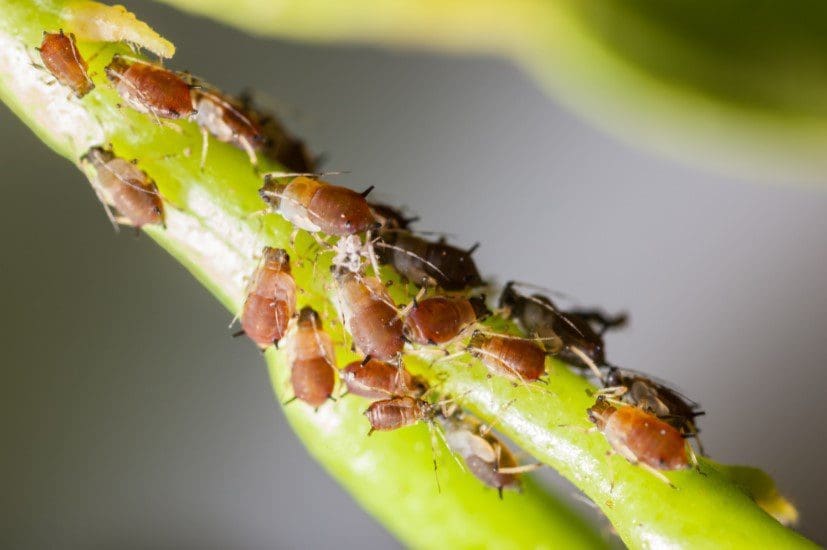
1. Aphids

Where to find them: In dense clusters on the undersides of leaves and on tender new plant growth.
Aphids are tiny (1/8 inch), pear-shaped, sap-sucking insects. Heavy infestations cause foliage to curl, wilt, or yellow. As they feast, they secrete a sticky substance called honeydew, which attracts ants and encourages black sooty mold.
How to Control: Hose them off with a strong, steady stream of water. Introduce ladybugs (their natural predators) to your garden. For heavy infestations, use insecticidal soap or Neem oil. Diatomaceous earth around the base of the plant also helps.
2. Armyworms

Where to find them: Active at night on corn, beans, tomatoes, and leafy greens.
These pests travel in “armies” and consume almost everything in their path. They skeletonize leaves and burrow into corn ears and tomatoes. Older larvae have distinctive stripes running the length of their bodies.
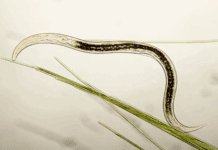
How to Control: Avoid broad-spectrum pesticides that kill beneficial predators. Handpick the worms at night and drop them into a bucket of soapy water. Release beneficial nematodes into your soil to destroy armyworm pupae before they hatch. Use Bacillus thuringiensis (Bt) as a safe, organic biological control.
3. Asparagus Beetles

Where to find them: Exclusively on garden variety and wild asparagus plants.
These metallic blue/black beetles with cream spots emerge in early spring just as your asparagus spears push through the soil. Their feeding causes spears to bend into a “shepherd’s crook” shape and turn brown.
How to Control: Harvest spears early and often to cut their life cycle short. Brush larvae off the spears onto the ground (they usually cannot climb back up). Clean up garden debris in the fall to remove their overwintering hiding spots.
4. Mexican Bean Beetles
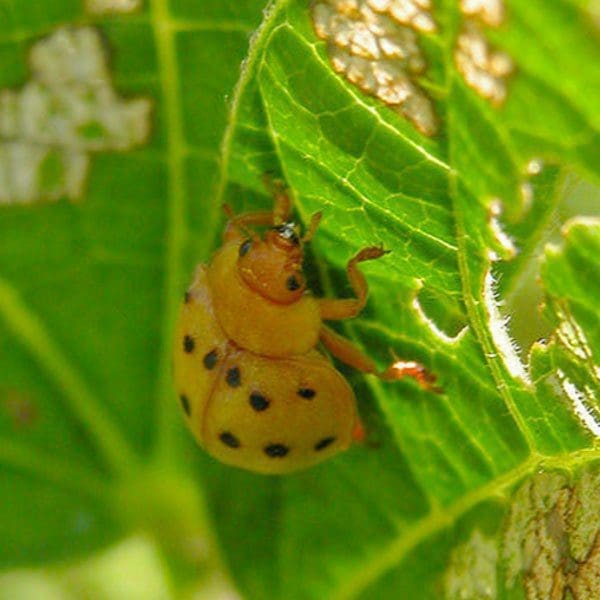
Where to find them: Eastern U.S. and southwest, chewing holes in all types of bean plants.
Adults look remarkably like copper-brown ladybugs with 16 black spots. Both adults and their fuzzy yellow larvae feed on the undersides of leaves until only the veins are left, giving the leaf a lacy, skeletonized look.
How to Control: Plant early-maturing bean varieties to beat the peak August infestations. Handpick adults and crush the bright yellow egg clusters found under the leaves. Neem oil is highly effective against the larval stage.
5. Blister Beetles (Toxicity Warning!)

Where to find them: Swarming on tomatoes, potatoes, leafy greens, and hay crops.
These long, narrow beetles secrete a blistering agent called cantharidin when crushed. Warning: This toxin is lethal to livestock (especially horses) if ingested in baled hay, and can cause severe welts on human skin.
How to Control: Never tackle blister beetles with bare hands; always wear thick gloves! Brush them into a bucket of soapy water. Because they travel in massive swarms, floating row covers are the best defense to keep them off your vegetable plots entirely.
6. Cabbage Loopers & Cabbage Worms
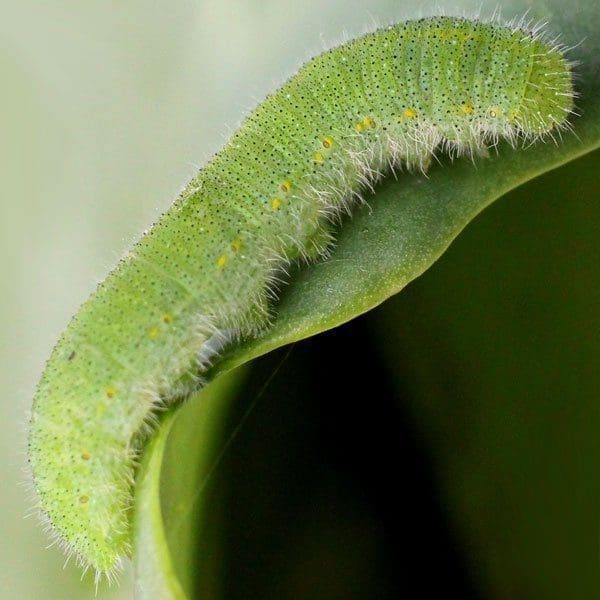
Where to find them: Chewing large, irregular holes in broccoli, kale, turnip, and cabbage leaves.
Loopers “inch” along the plant, while cabbage worms are velvety green caterpillars. Both bore directly into the center of cabbage heads, leaving behind masses of dark, damp fecal pellets.
How to Control: Protect your brassica crops immediately after planting with floating row covers to stop the white butterflies from laying eggs. If worms appear, spray the leaves with Bacillus thuringiensis (Bt kurstaki), a naturally occurring soil bacteria that stops caterpillars from feeding immediately.
7. Slugs & Snails

Where to find them: In damp, shady places, gliding along a shiny slime trail.
These mollusks hide under mulch during the day and emerge at night to chew massive holes in tender seedlings, hostas, and ripening strawberries.
How to Control: Change your watering habits! Water in the early morning instead of the evening so the soil surface dries out before nightfall. Sink shallow pans of stale beer into the soil to trap and drown them. Organic iron phosphate baits (like Sluggo) are highly effective and safe for pets.
Final Thoughts on Garden Pest Management
Striking a balance is the key to organic gardening. We want to protect our tomatoes from armyworms while also fostering a biodiverse environment where bees, ladybugs, and earthworms can thrive. By learning to identify the true culprits, using physical barriers, and opting for organic solutions like Neem oil or Bt rather than harsh chemicals, you can keep your garden healthy, productive, and safe for your family.
🛡️ Protect Your Harvest
Join our growing community and get my best organic pest control recipes, plant care guides, and hands-on yard improvement tips sent straight to your inbox.
100% Free. No spam. Unsubscribe anytime.