




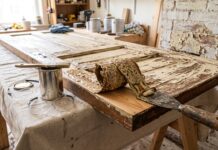

An untreated cedar raised garden bed is popular with vegetable gardeners because it gives you a natural wood bed without pressure-treated lumber, heavy plastic, or a metal look. Cedar costs more than budget pine or fir, but it naturally resists decay better than many common softwoods and looks good in edible gardens.
The word “untreated” matters. It means the cedar has not been pressure-treated, stained, painted, or coated with unknown chemicals before you add soil and vegetables. For many gardeners, that makes untreated cedar one of the cleaner and easier-to-explain choices for raised beds used for tomatoes, peppers, lettuce, herbs, strawberries, and edible flowers.
But untreated cedar is not magic. It can still rot, crack, weather, and eventually fail if it sits in wet soil year after year. The right bed depends on cedar quality, board thickness, drainage, bed depth, corner strength, and whether you choose an open-bottom bed or an elevated cedar planter.
For product picks and buying options, start with best cedar raised garden beds. For patio and deck planters, use cedar raised garden bed with legs. This article focuses specifically on untreated cedar, vegetable safety, pressure-treated wood comparisons, sealing, liners, and buying details.

An untreated cedar raised garden bed is a strong choice for vegetables because cedar is naturally decay-resistant and does not need pressure treatment for many garden uses. Choose real cedar, preferably Western Red Cedar, with no stains or unknown coatings, sturdy boards, good drainage, and enough soil depth for your crops. It will still weather and eventually age, so drainage and construction quality matter.
Use these related Garden Frontier guides when choosing a raised bed material, kit, or size.
Best Untreated Cedar Raised Garden Bed Options
If you are buying instead of building, look for listings that clearly say cedar, Western Red Cedar, untreated cedar, or no chemicals or stains. Avoid vague “wood raised bed” listings when the material is not clearly identified.
Best Overall: Infinite Cedar Premium Cedar Raised Garden Bed
Best for: Vegetable gardeners who want a real cedar raised garden bed with a clean untreated-wood angle, sturdy boards, and a practical backyard size.
This is a strong first pick because it is positioned around Western Red Cedar, no chemicals or stains, thicker boards, and a clean open-bottom raised bed design. It makes more sense for a vegetable garden than a shallow decorative planter.
Best Deep Option: Infinite Cedar 4′ x 8′ x 16.5″ Raised Garden Bed
Best for: Gardeners who want more depth for tomatoes, peppers, carrots, potatoes, and a larger vegetable layout.
A deeper untreated cedar bed gives plants more root volume and makes the bed more useful for summer vegetables. The trade-off is higher soil cost and more weight once filled.
Best Elevated Option: All Things Cedar Deluxe Raised Garden Box on Legs
Best for: Patios, decks, herbs, lettuce, strawberries, compact vegetables, and gardeners who want less bending.
This is better understood as an elevated cedar planter, not a full deep vegetable bed. It works well when comfort and patio placement matter more than maximum root depth.
Best Small Cedar Planter: All Things Cedar 2-Tier Garden Box
Best for: Herbs, small greens, edible flowers, patio color, and compact beginner gardens.
This is a small untreated cedar option for gardeners who want cedar material without committing to a large bed. It is not the pick for large tomatoes or a main vegetable garden.
Best for Checking Current Availability: Untreated Cedar Raised Garden Beds
Best for: Comparing current cedar bed sizes, prices, and styles before ordering.
Use this search to compare options, but read listings carefully. A product can look like cedar in photos while actually being fir, pine, acacia, or generic stained wood.
What Does “Untreated Cedar” Mean?
Untreated cedar means the wood has not been pressure-treated or chemically preserved before use. It may be sanded, cut, and assembled into a kit, but it should not be sold with unknown stains, paints, preservatives, or coatings on the soil-facing surfaces.
This matters most when you are growing edible crops. Many gardeners want the bed material to be simple: cedar boards, soil, compost, water, and plants. Untreated cedar fits that expectation better than mystery wood or treated lumber with unclear claims.
Is Untreated Cedar Safe for Vegetables?
Untreated cedar is commonly used for vegetable raised beds and is one of the wood choices many gardeners prefer when they want to avoid pressure-treated lumber. Cedar is naturally decay-resistant, so it does not need pressure treatment to be useful outdoors in many garden settings.
That said, “safe” still depends on the actual product. A true untreated cedar board is different from a stained “cedar-tone” wood bed, a painted planter, reclaimed lumber with unknown history, or a low-cost bed that only looks like cedar in photos.
For edible beds, buy clearly labeled untreated cedar. Avoid vague “wood” listings, unknown reclaimed lumber, old treated wood, or products with unclear stains or coatings.
Untreated Cedar vs Pressure-Treated Wood
Pressure-treated wood is designed to last outdoors by using preservatives that resist rot and insects. Untreated cedar takes a different route: it uses cedar’s natural durability rather than added pressure treatment.
Modern pressure-treated lumber is not the same as older arsenic-containing formulations, and university sources often discuss it with more nuance than internet arguments do. Still, many home vegetable gardeners choose untreated cedar because it sidesteps the treatment debate and feels simpler around edible crops.
| Material | Why Gardeners Use It | Main Concern | Best Fit |
|---|---|---|---|
| Untreated cedar | Natural decay resistance, good appearance, simple edible-garden material | Higher cost and eventual weathering | Vegetables, herbs, visible backyard beds, patios |
| Pressure-treated wood | Longer outdoor life and lower cost | Some edible gardeners prefer to avoid treated lumber | Budget beds where the gardener is comfortable with the material |
| Untreated pine or fir | Cheap and easy to find | Rots faster than cedar in many settings | Short-term or low-budget beds |
Untreated Cedar vs “Cedar-Tone” Wood
Do not confuse real cedar with cedar-tone wood. “Cedar-tone” usually refers to color, stain, or appearance, not the wood species. A cedar-tone raised bed may be made from another wood and colored to look like cedar.
For this keyword, the listing should clearly say cedar, Western Red Cedar, untreated cedar, or cedar wood. If it only says “cedar color,” “natural wood,” or “wooden raised bed,” keep looking through the specs before buying.
If a raised bed looks like cedar but the listing never says cedar wood, assume it may be fir, pine, acacia, or another material until the seller proves otherwise.
Why Cedar Is Used for Raised Beds
Cedar is used because it is naturally more rot-resistant than many common softwoods. That makes it appealing for outdoor garden boxes where the wood sits near damp soil, rain, mulch, and irrigation.
It also looks good. Cedar’s warm color fits vegetable gardens, cottage gardens, patio beds, and front-yard edible landscapes better than some metal or plastic beds. Over time, untreated cedar usually weathers to a gray or silver tone unless finished.
Natural Decay Resistance
Cedar contains natural compounds that help it resist decay better than many cheaper woods. This does not mean cedar never rots. It means cedar starts with a better outdoor durability profile than untreated pine or fir.
No Pressure Treatment Needed
Because cedar is naturally durable, it is commonly sold as an untreated raised bed material. That is the big reason many vegetable gardeners choose it. They get outdoor performance without choosing pressure-treated lumber.
Good Appearance Near Patios
Raised beds are not always hidden in a back corner. Many gardeners now place vegetable beds near patios, walkways, decks, and kitchen doors. Cedar looks more intentional in visible spaces than many low-cost wood or plastic beds.
How Long Does an Untreated Cedar Raised Garden Bed Last?
An untreated cedar raised garden bed can last for several years, and better-built beds can last longer with good drainage. The exact lifespan depends on board thickness, cedar quality, climate, soil moisture, construction, and how much of the wood stays wet.
Thin cedar boards in a wet climate may fail much sooner than thick cedar boards in a dry, well-drained garden. A bed that sits in a low spot with irrigation soaking the sides every day will age faster than a bed placed on a drained, sunny site.
For a durability-focused support article, use how long do cedar raised garden beds last.
Should You Seal an Untreated Cedar Raised Bed?
You do not have to seal untreated cedar. Many gardeners leave it unfinished and let it weather naturally. That is the simplest approach, especially for edible beds.
If you want to slow weathering, be cautious. Use only a product appropriate for garden use, follow the label, and avoid questionable coatings on the inside of vegetable beds. Some gardeners treat only the outside face of the boards while leaving the soil-facing interior unfinished.
| Option | Pros | Cons |
|---|---|---|
| Leave cedar unfinished | Simple, natural, no coating concerns | Wood will weather and gray over time |
| Exterior-only finish | May slow weathering on visible surfaces | Must choose product carefully |
| Coat the inside | May sound protective | Can raise coating concerns and may trap moisture if done poorly |
Do Untreated Cedar Raised Beds Need a Liner?
Most open-bottom untreated cedar raised beds do not need a plastic liner. A sealed plastic liner can trap moisture between the soil and wood, which may keep cedar wetter for longer. That can work against the goal of making the bed last.
There are a few exceptions. Hardware cloth can help when burrowing pests are a problem. A breathable fabric layer may help hold soil in some elevated planters. Cardboard under an open-bottom bed can suppress grass and weeds while breaking down over time.
What to Use Instead of Plastic
- Cardboard: Useful under open-bottom beds for grass and weed suppression.
- Hardware cloth: Useful for gopher, vole, or burrowing pest pressure.
- Breathable landscape fabric: Useful in some elevated planters when drainage remains open.
- No liner: Often best for simple open-bottom cedar beds on soil.
Open-Bottom Untreated Cedar Bed vs Elevated Cedar Planter
The best choice depends on how you garden. An open-bottom untreated cedar bed is better for a main vegetable garden. An elevated cedar planter is better for patios, decks, herbs, lettuce, strawberries, and less bending.
| Bed Style | Best For | Main Limitation |
|---|---|---|
| Open-bottom untreated cedar bed | Tomatoes, peppers, carrots, beans, cucumbers, larger vegetable gardens | Needs a suitable ground location and more soil. |
| Cedar raised garden bed with legs | Patios, decks, herbs, lettuce, compact crops, easier access | Limited root depth and faster drying. |
| Small cedar planter box | Herbs, flowers, small greens, beginner gardens | Not enough space for larger vegetables. |
For elevated-bed details, read cedar raised garden bed with legs.
Best Size and Depth for Untreated Cedar Beds
For most gardeners, 3 to 4 feet wide is practical when the bed can be reached from both sides. If the bed sits against a fence or wall and you can reach only one side, 2 feet wide is easier to manage.
Depth depends on crops. A shallow bed can grow herbs and greens. A deeper bed is better for tomatoes, peppers, carrots, potatoes, and crops that need more root volume.
| Depth | Good Crops | Verdict |
|---|---|---|
| 6 to 8 inches | Lettuce, herbs, radishes, shallow greens | Useful but limited. |
| 10 to 12 inches | Many vegetables, herbs, flowers, strawberries | Good practical minimum for many beds. |
| 16 to 24 inches | Tomatoes, peppers, carrots, potatoes, deep-rooted crops | Better growing volume but costs more to fill. |
What Soil Should You Use?
Untreated cedar only handles the frame. The soil does the growing. Do not fill a raised bed with straight heavy clay, pure compost, or cheap bagged topsoil alone. A good raised bed mix should hold moisture, drain well, and provide organic matter.
A practical mix often includes quality topsoil, compost, and a lighter amendment or raised-bed mix component. For elevated cedar planters, use a lighter container-style mix because heavy native soil can compact and add too much weight.
How to Make Untreated Cedar Last Longer
Untreated cedar lasts longer when it can dry between wet periods. Constant moisture is the enemy. The goal is not to keep the wood perfectly dry, because raised beds hold soil, but to avoid needless wetness around the outside and bottom edges.
- Choose thicker boards: Thin cedar may bow or fail sooner when filled with wet soil.
- Build or buy strong corners: Corners take pressure from heavy soil.
- Place the bed on drained ground: Avoid low spots where water stands after rain.
- Use drip irrigation: Water the soil, not the outside walls.
- Keep paths tidy: Gravel, mulch, or stepping stones can reduce mud splash against the boards.
- Avoid sealed plastic liners: Trapped moisture can keep cedar wet longer.
- Do yearly checks: Tighten hardware, inspect corners, and replace failing boards before the whole bed collapses.
Can You Build Your Own Untreated Cedar Raised Bed?
Yes. Building your own bed can be a better value if you have access to real cedar boards and basic tools. A DIY bed also lets you choose board thickness, exact dimensions, corner posts, and hardware quality.
The main downside is cost and lumber availability. Cedar boards can be expensive, and not every local lumberyard carries the same quality. If you do not want to cut, drill, and design the corners yourself, a cedar raised garden bed kit is easier.
For kit-specific buying details, use cedar raised garden bed kit.
Buying Checklist for Untreated Cedar Raised Beds
Before ordering, slow down and read the listing. Raised bed product pages can be sloppy with material names. A good listing should answer basic questions without making you guess.
| What to Check | Why It Matters | Good Sign |
|---|---|---|
| Wood species | Not every wood bed is cedar. | Listing says cedar or Western Red Cedar. |
| Untreated claim | Important for vegetable gardeners. | No chemicals, stains, paint, or pressure treatment stated. |
| Board thickness | Thin boards can bow or rot faster. | Clear thickness listed. |
| Corner design | Wet soil pushes outward. | Strong posts, rods, brackets, or reinforced corners. |
| Depth | Crop success depends on root volume. | 10 to 12 inches or deeper for general vegetables. |
| Open-bottom or elevated | Changes root space and watering needs. | Design matches your crops and location. |
Common Mistakes With Untreated Cedar Raised Beds
- Buying cedar color instead of cedar wood: Cedar-tone is not the same as real cedar.
- Ignoring board thickness: Thin boards may not hold up well under wet soil pressure.
- Using sealed plastic inside the bed: This can trap moisture against the wood.
- Placing the bed in a wet low spot: Cedar resists decay, but it still dislikes constant wetness.
- Buying too shallow: Shallow beds limit crop choices.
- Choosing weak corners: Long beds need strong corner construction and sometimes bracing.
- Assuming untreated means maintenance-free: Cedar still weathers, cracks, and eventually ages.
- Using unknown reclaimed wood: Avoid old lumber with unknown treatment, paint, or chemical history.
Official Raised Bed References
For material safety considerations, see the University of Maryland Extension resource on raised bed materials. For raised bed depth and crop-root planning, see the University of Maryland Extension raised bed vegetable guide. For a nuanced look at pressure-treated lumber and raised beds, see the Oregon State University Extension publication on pressure-treated wood for raised beds.
Frequently Asked Questions
Is an untreated cedar raised garden bed safe for vegetables?
Untreated cedar is commonly used for vegetable raised beds and is preferred by many gardeners who want to avoid pressure-treated lumber. Always confirm the bed is real untreated cedar and not stained, painted, treated, or mislabeled wood.
Why use untreated cedar for raised beds?
Untreated cedar is naturally decay-resistant, attractive, and does not rely on pressure treatment. That makes it a popular choice for edible gardens, patios, and visible backyard beds.
Does untreated cedar rot?
Yes, untreated cedar can eventually rot, especially in wet conditions. It resists decay better than many cheaper softwoods, but drainage, board thickness, and climate still affect lifespan.
How long does an untreated cedar raised bed last?
Lifespan varies by cedar quality, board thickness, drainage, climate, soil moisture, and construction. Better cedar beds in well-drained locations can last several years or longer.
Should I seal an untreated cedar raised bed?
You do not have to seal untreated cedar. Many gardeners leave it unfinished. If you use a finish, choose carefully and avoid questionable coatings on the soil-facing interior of vegetable beds.
Do untreated cedar raised beds need a liner?
Most open-bottom untreated cedar beds do not need a plastic liner. Cardboard, hardware cloth, or breathable fabric may be useful in specific situations, but sealed plastic can trap moisture against the wood.
Is cedar better than pressure-treated wood for raised beds?
Cedar is often preferred by edible gardeners because it provides natural decay resistance without pressure treatment. Pressure-treated wood may last longer and cost less, but some gardeners prefer to avoid it for vegetables.
What is the best untreated cedar for raised beds?
Western Red Cedar is one of the most common premium choices for untreated cedar raised garden beds. Look for clear labeling, sturdy boards, and strong corners.
Can I use untreated cedar for tomatoes?
Yes, untreated cedar raised beds can grow tomatoes when the bed is deep enough, the soil is fertile, and plants get steady water and support. Deeper open-bottom beds are better than shallow cedar planters for large tomatoes.
Can I use untreated cedar for herbs?
Yes, untreated cedar is a good fit for herbs. Herbs can grow in small cedar boxes, elevated cedar planters, or larger raised beds as long as drainage and light are good.
What is the difference between cedar and cedar-tone wood?
Cedar is a wood species. Cedar-tone usually refers to color or stain. A cedar-tone raised bed may not be made from cedar, so check the listing carefully.
Should I build or buy an untreated cedar raised bed?
Build one if you want custom sizing and have tools and cedar boards available. Buy a kit if you want easier assembly, pre-cut boards, included hardware, and a known design.
Final Verdict
An untreated cedar raised garden bed is one of the best choices for gardeners who want a natural wood frame for vegetables, herbs, strawberries, and edible flowers. It gives you better outdoor durability than many budget softwoods without relying on pressure treatment.
The best untreated cedar bed is clearly labeled as real cedar, preferably Western Red Cedar, with no stains or unknown coatings, strong corners, practical board thickness, and enough depth for the crops you want. It still needs good drainage and smart placement to last.
For product picks, return to best cedar raised garden beds. For patio planters, read cedar raised garden bed with legs. For kit construction, use cedar raised garden bed kit. For lifespan planning, see how long do cedar raised garden beds last.
Buy the material, not the photo. Make sure the listing says real untreated cedar, then check board thickness, corners, depth, drainage, and whether the design fits your vegetables.
Join Garden Frontier for practical raised bed tips, vegetable gardening ideas, soil advice, and seasonal growing guides.
100% free. No spam. Unsubscribe anytime.