













Do cedar raised beds need a liner? Most open-bottom cedar raised garden beds do not need a plastic liner. Cedar already has natural decay resistance, and a sealed plastic liner can trap moisture against the wood if it is installed poorly. In many vegetable gardens, the better choices are no liner, cardboard under the bed, hardware cloth for burrowing pests, or breathable fabric only when the bed design needs it.
The right answer depends on what problem you are trying to solve. Weed control, grass suppression, gophers, soil loss, deck protection, and wood lifespan all call for different materials. A liner that helps one problem can create another if it blocks drainage or keeps cedar wet.
For cedar bed buying advice, start with best cedar raised garden beds. For untreated wood safety, read untreated cedar raised garden bed. For durability, use how long do cedar raised garden beds last.

Open-bottom cedar raised beds usually do not need a plastic liner. Use cardboard under the bed for grass and weed suppression, hardware cloth for burrowing pests, and breathable landscape fabric only when soil needs support in an elevated planter. Avoid sealed plastic against cedar because trapped moisture can shorten the life of the wood.
Use these related Garden Frontier guides before building or lining a cedar raised bed.
Best Liner Options for Cedar Raised Beds
Think of a raised bed liner as a problem-solving layer, not a default requirement. The best material depends on whether you want to stop weeds, block burrowing animals, keep soil inside an elevated planter, or protect a patio surface.
Best for Grass and Weeds: Plain Cardboard
Best for: Open-bottom cedar raised beds placed over lawn, grass, or weedy soil.
Cardboard is often the simplest bottom layer for a new open-bottom bed. It suppresses grass and weeds at the start, then breaks down over time so roots and soil life can move through.
Best for Gophers and Voles: Galvanized Hardware Cloth
Best for: Cedar raised beds in areas with burrowing pests.
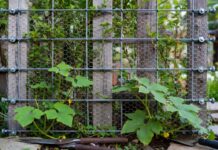
Hardware cloth is a better bottom barrier than plastic when you need pest protection. It blocks digging animals while still allowing water to drain and roots to access air and soil biology.
Best for Elevated Cedar Planters: Breathable Landscape Fabric
Best for: Cedar raised garden beds with legs, slatted bottoms, or elevated planter boxes.
Breathable fabric can keep soil from falling through slats while still letting water drain. It should not be used like sealed plastic. Drainage has to stay open.
Best Overall Bed Setup: Untreated Cedar Raised Bed + Good Soil
Best for: Vegetable gardeners who want a clean, natural raised bed setup without overcomplicating the bottom layer.
A real untreated cedar bed, cardboard if needed, open drainage, and a good raised bed soil mix is usually better than wrapping the entire inside with plastic.
Should You Line the Bottom of a Cedar Raised Bed?
For an open-bottom cedar raised bed placed directly on soil, you usually do not need a permanent bottom liner. The whole point of an open-bottom bed is that water drains into the ground and plant roots can interact with the soil below.
A temporary weed-smothering layer like cardboard can be useful during setup. Hardware cloth can be useful where burrowing pests are common. But a sealed bottom layer that blocks drainage is usually a mistake for vegetables.
| Bottom Layer | Best Use | Verdict |
|---|---|---|
| No liner | Clean soil site with good drainage | Often best for open-bottom cedar beds. |
| Cardboard | Starting over grass or weeds | Good temporary layer that breaks down. |
| Hardware cloth | Gophers, voles, and burrowing pests | Useful barrier that still drains. |
| Plastic sheet | Rarely useful inside open vegetable beds | Avoid if it blocks drainage or traps moisture. |
Should You Line the Sides of a Cedar Raised Bed?
Most cedar raised beds do not need side liners. Cedar is chosen partly because it can handle outdoor use better than many cheaper softwoods. Lining the sides with sealed plastic can trap water between the soil and wood, especially if the top edge lets water in.
If your goal is to make cedar last longer, focus first on drainage, board thickness, good corners, and keeping wet mulch away from the outside. A side liner is not automatically a durability upgrade.
Do not wrap cedar boards tightly with sealed plastic and then fill the bed with wet soil. If water gets trapped between plastic and cedar, the wood may stay wetter for longer.
Is Plastic Safe as a Cedar Raised Bed Liner?
Plastic is not always a good liner for cedar raised beds. The problem is not only food safety. The bigger practical problem is moisture. Plastic can block drainage, trap water, and keep wood damp. That is the opposite of what cedar needs for a longer lifespan.
Plastic may have limited uses under a patio container tray or as part of a manufactured self-watering planter design, but it is usually not the best choice inside an open-bottom vegetable bed. If you use any plastic near a food garden, use known materials and keep drainage open.
Cardboard Under Cedar Raised Beds
Cardboard is one of the most useful bottom layers for new cedar raised beds placed over grass. It smothers grass and weeds during the first part of the season, then gradually breaks down. That makes it more garden-friendly than permanent plastic.
Use plain brown cardboard without glossy coatings, heavy ink, tape, staples, or plastic labels. Overlap the pieces so grass cannot easily grow through gaps. Wet the cardboard before filling the bed so it begins to settle and conform to the ground.
When Cardboard Works Best
- New beds over lawn: Cardboard helps suppress grass before it grows into the bed.
- Weedy starting areas: It creates a temporary barrier while vegetables establish.
- Open-bottom beds: It breaks down instead of permanently blocking root and water movement.
- Budget setups: Plain cardboard is cheap and easy to source.
Hardware Cloth Under Cedar Raised Beds
Hardware cloth is the better choice when your real problem is burrowing pests. Gophers, voles, and similar animals can enter from below and damage roots or crops. Hardware cloth creates a physical barrier while still allowing drainage.
Choose galvanized hardware cloth with small enough openings to stop the pest you have. Attach it securely to the bottom or lay it under the frame before filling. Leave no big gaps at the edges, because pests find weak points.
Hardware Cloth vs Chicken Wire
Hardware cloth is usually better than chicken wire for serious burrowing-pest protection because it is stiffer and has smaller, more consistent openings. Chicken wire may be easier to bend, but it is often less durable underground.
Landscape Fabric in Cedar Raised Beds
Landscape fabric can be useful in elevated cedar planters or beds with slatted bottoms. It helps keep soil from falling out while still letting water drain. It is less useful as a permanent weed barrier at the bottom of an open garden bed.
In open-bottom beds, landscape fabric can interfere with root movement and may become clogged with soil over time. Cardboard is often a better choice for temporary weed suppression because it breaks down naturally.
| Material | Good Use | Poor Use |
|---|---|---|
| Cardboard | Temporary weed suppression under open-bottom beds | Long-term pest barrier |
| Hardware cloth | Gopher and vole protection | Weed control by itself |
| Landscape fabric | Holding soil in elevated planters | Permanent bottom barrier in open vegetable beds |
| Plastic sheet | Rare specialty uses with planned drainage | Blocking drainage inside cedar vegetable beds |
Do Cedar Raised Beds With Legs Need a Liner?
A cedar raised garden bed with legs is different from an open-bottom bed. It usually has a bottom, slats, drainage holes, or a tray-style planter box. In that case, a breathable liner may be useful to keep soil from falling through while still allowing drainage.
Do not confuse a breathable liner with a sealed plastic wrap. Elevated cedar planters dry faster than ground beds, but their bottoms can still rot if soil stays wet and drainage is blocked.
Should You Use a Weed Barrier Under Cedar Raised Beds?
You can use a weed barrier, but the best option is usually cardboard for new open-bottom vegetable beds. It suppresses weeds early, then breaks down. Permanent weed fabric under the bed may block roots and interfere with soil improvement over time.
If the site has serious perennial weeds, remove as much root material as possible before placing the bed. Cardboard helps, but it is not a cure for every aggressive weed.
Should You Put Gravel Under a Cedar Raised Bed?
Gravel under a raised bed is not usually necessary. It can help with muddy paths around the bed, but it does not replace good soil drainage inside the bed. If the native ground drains poorly, fix the site or choose another location rather than relying on a thin gravel layer.
For paths, gravel can be useful because it keeps muddy soil and wet mulch from staying pressed against cedar boards. That can help the outside of the bed dry faster.
Should You Put Rocks in the Bottom?
Putting rocks in the bottom of a cedar raised bed usually wastes growing depth. Vegetables need soil volume, not a rock layer. If drainage is the concern, use a better soil mix and make sure the bed is not placed in a low wet spot.
Rocks can also make future bed repairs more annoying. When the cedar eventually needs repair or replacement, digging through rock-filled soil is extra work.
Best Setup for an Open-Bottom Cedar Raised Bed
For most vegetable gardens, a simple open-bottom setup works well. Keep the bed on well-drained ground, use cardboard if starting over grass, add hardware cloth only if pests are a problem, and fill with a good raised bed soil mix.
- Choose a level, sunny, well-drained site.
- Remove tall grass and aggressive weeds.
- Lay plain cardboard if starting over lawn.
- Add hardware cloth only if burrowing pests are a known issue.
- Assemble the cedar bed square and level.
- Fill with a raised bed soil mix that drains but holds moisture.
- Water the soil and let it settle before planting.
Best Setup for an Elevated Cedar Planter
For elevated cedar planters, the goal is different. You need to hold soil inside the planter without blocking drainage. Breathable fabric can help, but drainage holes or slats must stay open.
- Check the planter bottom and drainage design.
- Use breathable fabric only if soil can fall through gaps.
- Do not block drainage holes with plastic.
- Use a lighter container-style raised bed mix.
- Protect patios or decks from runoff if needed.
- Check moisture more often because elevated beds dry faster.
Will a Liner Make Cedar Raised Beds Last Longer?
Sometimes, but not always. A breathable liner in an elevated planter can protect soil support and reduce soil loss. Hardware cloth can protect crops from pests. Cardboard can suppress grass. But sealed plastic against cedar can hold moisture and shorten wood life.
The best way to make cedar last longer is still basic moisture control: good drainage, thick boards, strong corners, no soggy low spots, no wet mulch piled against the outside, and careful watering.
How to Make Cedar Raised Beds Last Longer Without Plastic
- Use thicker cedar boards: Thin boards fail faster under wet soil pressure.
- Choose real untreated cedar: Avoid cedar-colored mystery wood.
- Place beds on drained ground: Low wet spots shorten wood life.
- Keep paths from staying soggy: Wet mulch against boards keeps cedar damp.
- Water the soil, not the boards: Drip irrigation helps.
- Avoid sealed side liners: Do not trap water between plastic and cedar.
- Inspect lower boards yearly: Catch soft spots before the bed collapses.
Common Raised Bed Liner Mistakes
- Using plastic to “protect” cedar: Plastic can trap moisture against wood.
- Blocking drainage holes: Roots need oxygen and excess water needs a way out.
- Using landscape fabric as a permanent bottom layer: It may interfere with roots and soil improvement.
- Skipping hardware cloth in gopher areas: Cardboard will not stop burrowing pests.
- Using glossy cardboard: Avoid slick coatings, tape, labels, and staples.
- Putting rocks in the bottom: Rocks waste root depth and do not fix poor drainage.
- Forgetting deck runoff: Elevated beds can stain or damage surfaces if drainage is unmanaged.
Official Raised Bed References
For raised bed material safety considerations, see the University of Maryland Extension resource on materials used for raised beds. For raised bed material options including cedar, see the University of Georgia Extension raised bed materials guide. For raised bed gardening setup and soil planning, see the University of Maryland Extension guide to growing vegetables in raised beds.
Frequently Asked Questions
Do cedar raised beds need a liner?
Most open-bottom cedar raised beds do not need a plastic liner. Use cardboard for temporary weed suppression, hardware cloth for burrowing pests, and breathable fabric only when an elevated planter needs help holding soil.
Should I put plastic inside a cedar raised bed?
Usually no. Plastic can trap moisture against cedar and block drainage if installed poorly. For vegetable beds, avoid sealed plastic liners unless the product design specifically requires a drained liner system.
What should I put under a cedar raised garden bed?
For most open-bottom beds, use no liner or plain cardboard under the bed. Use hardware cloth if you have gophers, voles, or other burrowing pests.
Can I use cardboard under cedar raised beds?
Yes. Plain cardboard is useful under new cedar raised beds placed over grass or weeds. It suppresses growth temporarily and breaks down over time.
Can I use hardware cloth under cedar raised beds?
Yes. Hardware cloth is useful when burrowing pests are a problem. It blocks animals while still allowing drainage.
Can I use landscape fabric in a cedar raised bed?
Landscape fabric can help hold soil in elevated cedar planters with slatted bottoms. It is usually less useful as a permanent bottom layer in open-bottom vegetable beds.
Will a liner stop cedar from rotting?
Not necessarily. A sealed liner can trap moisture and make rot worse. Cedar lasts longer when it drains well and can dry between wet periods.
Do cedar raised beds with legs need a liner?
They may need a breathable liner if the bottom has slats or gaps where soil can fall through. The liner should hold soil but still allow drainage.
Should I put rocks in the bottom of a cedar raised bed?
Usually no. Rocks waste soil depth and do not fix poor drainage. Use a better soil mix and choose a well-drained location instead.
Should I use a weed barrier under cedar raised beds?
Cardboard is usually a better temporary weed barrier for open-bottom beds. Permanent weed fabric can interfere with roots and soil improvement over time.
Can plant roots grow through cardboard under raised beds?
Yes, cardboard breaks down over time, and roots can eventually move through it. That is one reason cardboard is useful under open-bottom beds.
What is the best liner for cedar raised beds?
The best liner depends on the problem. Use cardboard for weeds, hardware cloth for burrowing pests, breathable fabric for elevated planter bottoms, and no liner when drainage and soil contact are already good.
Final Verdict
Most open-bottom cedar raised beds do not need a plastic liner. A simple setup with untreated cedar, open drainage, cardboard if starting over grass, and hardware cloth only when pests are a problem is usually better than sealing the inside with plastic.
For elevated cedar planters, a breathable fabric liner can be useful if the bottom has slats or gaps. The key is drainage. Any liner that holds soil while allowing water to escape can be useful. Any liner that traps water against cedar can shorten the bed’s life.
For buying options, return to best cedar raised garden beds. For untreated wood safety, read untreated cedar raised garden bed. For kit quality, use cedar raised garden bed kit. For lifespan planning, see how long do cedar raised garden beds last.
Use the liner that solves the actual problem. Cardboard for grass, hardware cloth for burrowing pests, breathable fabric for elevated planter bottoms, and no plastic where drainage would be blocked.
Join Garden Frontier for practical raised bed tips, vegetable gardening ideas, soil advice, and seasonal growing guides.
100% free. No spam. Unsubscribe anytime.