


















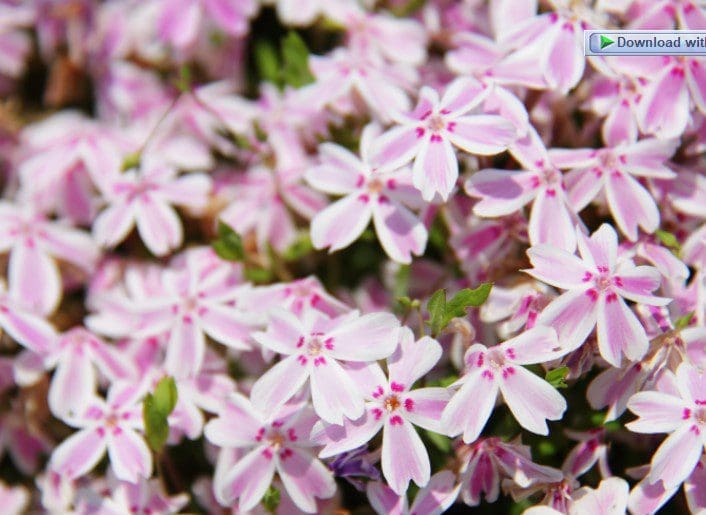
Creeping phlox is one of the early perennials that springs forth from our gardens, signaling that winter is finally over. There’s a creeping variety for almost every climate. If you want a good idea of the colors available, just look at a vibrant Easter basket—expect spectacular shades of pastel pink, purple, white, and blue.
When planning your landscape, you will quickly realize there are two main kinds of mat-forming, low-growing, must-have phlox: one that thrives in the blistering sun, and one that prefers the shade. In this comprehensive guide, we will break down exactly how to plant, care for, and propagate these incredible ground covers.
Quick Facts: Creeping Phlox Overview
| Feature | Details |
|---|---|
| Botanical Name | Phlox subulata (Sun) / Phlox stolonifera (Shade) |
| Hardiness Zones | Zones 3 to 9 |
| Mature Size | 4-6 inches tall, up to 24 inches wide |
| Bloom Time | Mid-to-late Spring |
Top Phlox Varieties for Your Garden
Phlox subulata is the most famous and well-known species. It is also known as “moss pinks,” “thrift pinks,” or simply “creeping phlox.” However, the Phlox family has several stunning variations.
1. Carolina Phlox
Carolina Phlox grows 2 to 3 feet tall and produces fragrant, long-lasting purple, pink, or white flowers on graceful stems from June to early July. It is highly mildew-resistant and does especially well in hot, humid summers. Plant in full sun in rich, moist soil. Pro tip: The white-flowering variety “Miss Lingard” is especially fragrant.
2. Smooth Phlox
Smooth Phlox is an excellent ground cover, as its smooth green foliage grows only 4 to 6 inches tall. Its large flowers resemble those of Tall Phlox and are borne profusely on 18-inch stems from June to August. This plant does best in light shade with rich, moist soil. Cut it back lightly after flowering to maintain a tidy appearance.
3. Moss Pink (Phlox subulata)
It is hard to beat Moss Pink for a bright carpet of white, pink, red, or lavender-blue from April to May. Its semi-evergreen foliage is perfect for rock gardens, cascading over retaining walls, or planting between pavers. “Nettleton’s Variation” is an unusual standout variety featuring pink flowers and variegated green and cream foliage.
4. Wild Blue Phlox
If you have a wooded yard, Wild Blue Phlox is your best alternative for the shade. From late April until June, it produces fragrant blue or white flowers on wispy stems over mounds of dark green foliage. Plant the lavender-flowered variety “Clouds of Perfume” near a walkway to savor its delicious scent.
To keep your creeping phlox blooming vigorously year after year, fertilize regularly in the early spring with a high-quality balanced fertilizer. Removing faded flower clusters (deadheading) will prolong the bloom time and prevent unwanted, inferior seedlings from taking over.
Creeping Phlox Planting Instructions
Creeping phlox is easygoing and can thrive in a wide range of difficult environments. Follow these simple steps for a colorful spring carpet:
- Location: Choose a sunny spot (for Phlox subulata) or a partially shaded area (for woodland varieties).
- Soil Preparation: While it tolerates poor soil, adding organic compost will help the roots establish faster. Ensure the area is well-drained; phlox hates “wet feet.”
- Planting Depth: Dig a hole just deep enough for the root ball. Never bury the main stems in the soil, as this causes rot.
- Spacing: Space plants about 15 to 18 inches apart. They will quickly spread and connect to form a solid mat.
Ongoing Care & Maintenance
Creeping phlox requires very little extra care, but a few seasonal chores will keep it looking pristine.
Summer Heat: Even established plants need to be watered deeply during hot summer droughts. Plants living over rockeries or concrete retaining walls might experience scorching from the radiating heat.
Pruning: Creeping Phlox has long, spreading stems that become woody with age. These thicker, woody growths stop producing flowers. To rejuvenate the plant, cut the stems back by half immediately after the spring flowering finishes. This encourages the formation of newer, more delicate stems.
Pest Control: Keep your plant healthy by watching for pests such as spider mites. Use an organic insecticidal soap to treat infestations as soon as you spot them.
How to Propagate Creeping Phlox
Because creeping phlox spreads so well, dividing the plant is the easiest way to get free plants for other areas of your yard.
- Dig it up: Carefully lift the entire plant from the ground, keeping the root ball intact.
- Divide: Use a sharp spade or soil knife to cut cleanly through the middle of the root mass.
- Replant: Place one half back into the original hole. Plant the newly divided half wherever you desire more colorful ground cover. Water both thoroughly.
Note: You can also use stem cuttings in the summer. Dip the cut stems in rooting hormone and place them in a moist, soilless medium until roots develop.
Frequently Asked Questions
Does creeping phlox spread quickly?
Yes, creeping phlox has a moderate to fast growth rate. Under optimal conditions (full sun and well-drained soil), a single plant can spread up to 24 inches across within a couple of years, creating a dense, weed-suppressing mat.
Will creeping phlox choke out other plants?
No. While it forms a dense mat that keeps weeds at bay, its root system is relatively shallow. It generally plays well with other taller perennials and spring bulbs like tulips and daffodils, which will happily push right through the phlox foliage.
Why is my creeping phlox turning brown underneath?
Browning underneath is usually a sign of poor air circulation, extreme drought, or old, woody stems that haven’t been pruned. Cutting the plant back by half right after it finishes blooming in the spring will encourage fresh, green growth and prevent this woody, brown center.