













If you have ever cracked open a fresh coconut, you have likely noticed the thick, fibrous, stringy husk that surrounds the hard inner shell. For decades, this outer husk was considered a useless agricultural byproduct and simply thrown away. Today, that “waste” is processed into coco peat (also known as coconut coir)—one of the most revolutionary and sustainable growing mediums in the horticultural world.
Whether you are starting seeds indoors, building a hydroponic system, or trying to improve the drainage of heavy clay soil in your raised beds, coco peat is rapidly replacing traditional sphagnum peat moss. Here is everything you need to know about what it is, how it works, and why urban gardeners are obsessed with it.
What Exactly is Coco Peat?
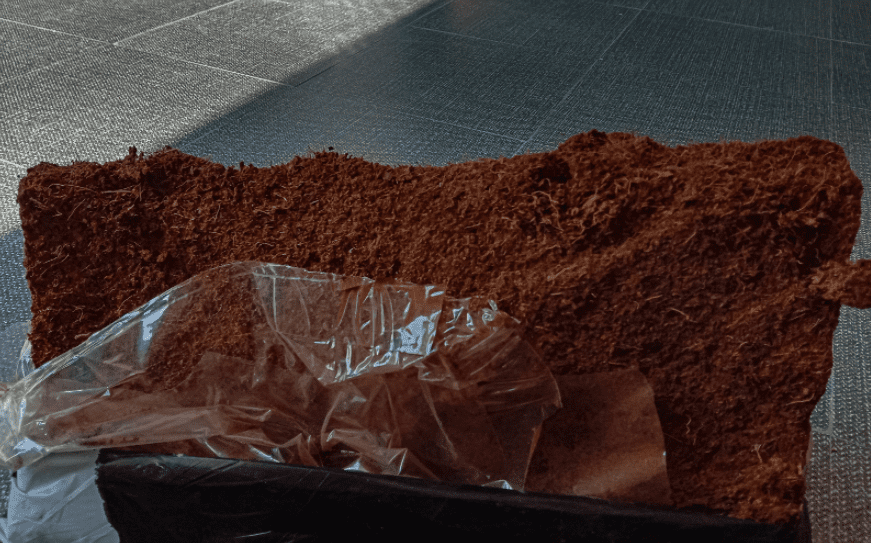
The husk of a coconut is made up of two main components: long, coarse fibers (often used to make ropes, doormats, and wire basket liners) and the spongy, dust-like particles that bind those fibers together. When the long fibers are extracted, the remaining “dust” and short fibers are washed, heat-treated, and compressed into bricks. This resulting material is coco peat.
Because it is incredibly lightweight and sterile, it has become the go-to material for soilless gardening, particularly for urban apartment dwellers and indoor hydroponic growers who do not want to drag heavy bags of dirty topsoil into their homes.
The Unmatched Absorbency of Coir
The absolute superpower of coco peat is its water retention. A single kilogram of compressed coco peat can absorb up to 7 liters of water! When you hydrate a dry brick of coir, it will rapidly expand up to 10 times its original volume.
However, unlike heavy clay soil that turns to dense mud when wet, coco peat maintains an incredibly high porosity. This means that even when it is fully saturated with water, it still holds tiny pockets of oxygen. This perfect balance of moisture and airflow allows plant roots to breathe, preventing root rot and encouraging rapid, explosive vegetative growth.
Never try to break apart a dry block of coco peat with your hands or a shovel; it is compressed so tightly it feels like a brick. Place the block in a large wheelbarrow or plastic tote, pour warm water over it, and let it sit for 15 minutes. It will magically dissolve into fluffy, usable soil.
Why is it Considered a Sustainable Alternative?
For years, the gold standard for potting mixes was sphagnum peat moss. However, peat moss is harvested from ancient peat bogs in regions like Canada and Scotland. These bogs are incredibly delicate ecosystems that act as massive carbon sinks. While they slowly regenerate, the process takes hundreds, sometimes thousands, of years.
Coco peat, on the other hand, is a 100% renewable byproduct of the existing food industry. Since a single coconut tree can produce 150 to 180 fruits per year, the supply of coconut husks is virtually unlimited. By using coir, gardeners are keeping agricultural waste out of landfills and helping to protect fragile peat bogs.
Innovative Uses Beyond Potting Soil
Because of its versatility, the horticultural industry has adapted coconut fiber into several unique products:
- Coco-Disks (Seed Starters): Small, flat disks of compressed coir that swell into perfect little seedling pots when watered. They are highly favored by nurseries because you can plant the entire disk directly into the ground without disturbing delicate seedling roots.
- Coco-Poles (Moss Poles): Thick poles wrapped in coconut fiber used to support climbing houseplants like Monsteras and Pothos. The coir holds moisture, encouraging the aerial roots of the plants to latch on and climb.
- Erosion Control: Loosely woven coir mats are unrolled along steep banks or railway lines. They stabilize the soil, prevent washouts during heavy rain, and eventually biodegrade back into the earth once the vegetation has taken root.
Coco Peat vs. Peat Moss: The Verdict
Both peat moss and coco coir are lightweight and weed-free, but how do they actually compare in performance?
In various agricultural studies, researchers have tested plant performance in traditional peat/perlite mixes versus coir/perlite mixes. Often, plants grown in traditional peat exhibit slightly higher chlorophyll content. This is because coco peat is inert—meaning it contains virtually zero nutrients.
If you use 100% coco peat, you must supplement it with liquid fertilizers or blend it with organic compost to provide the nitrogen, potassium, and phosphorus your plants need. A popular and highly effective DIY potting mix is 40% coco peat (for moisture), 40% compost (for nutrients), and 20% perlite (for extra drainage).
Frequently Asked Questions
Do I need to wash coco peat before using it?
It depends on the brand. Because coconuts grow near the ocean, lower-quality coco peat can retain high levels of natural salt (salinity), which is toxic to plants. Always buy “washed” or “buffered” coco coir. If you buy cheap, unwashed blocks, you must rinse them thoroughly with fresh water before planting.
Is coco peat naturally acidic?
No, and this is one of its major advantages over peat moss. Traditional peat moss is highly acidic (pH 3.5 to 4.5), which requires adding lime to balance the soil. Coco peat has a near-neutral pH (usually between 5.5 and 6.8), making it perfect for the vast majority of vegetables and houseplants right out of the bag.
Can I reuse coco peat?
Yes! Unlike peat moss, which degrades quickly, coco peat is incredibly durable. After a growing season, you can easily pull out the old plant roots, fluff up the coir, and reuse it for another crop, making it a very cost-effective growing medium over time.