



A good bee garden is not just a flower bed with a few lavender plants. It is a small support system: food from spring through fall, clean shallow water, safe nesting space, and fewer pesticide risks on open blooms.
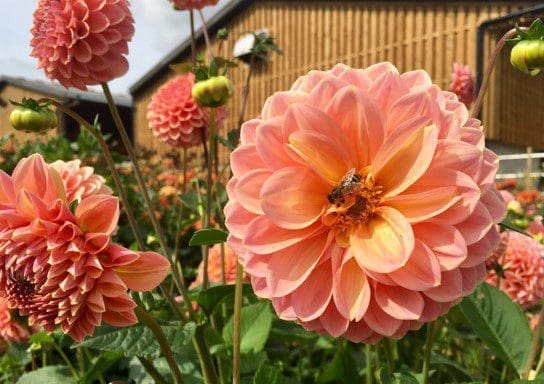
That matters because bees are not just “nice to have” garden visitors. USDA notes that about 35 percent of the world’s food crops depend on animal pollinators, and thousands of native bee species help increase crop yields in gardens, farms, orchards, and wild landscapes.
The best part is that you do not need a huge property or a backyard beehive to help. A sunny corner, a strip along a fence, a few containers, or part of a lawn converted to native flowers can become a useful pollinator habitat if it is planted and managed correctly.
Quick Answer: What Bees Need Most
- Flowers from spring through fall: Choose plants that bloom in different seasons so bees are not left hungry between bloom waves.
- Native single flowers: Open, single-flowered blooms usually provide easier access to pollen and nectar than dense double flowers.
- Clean shallow water: Use a shallow dish with stones, pebbles, or marbles so bees can land safely without drowning.
- Safe nesting space: Leave some bare soil, hollow stems, leaf litter, or a well-maintained bee house for native bees.
- Low pesticide pressure: Avoid spraying open flowers, and be especially cautious with broad-spectrum and systemic insecticides.
Honey Bees vs. Native Bees: Why Your Garden Should Support Both
Most people picture honey bees first, but a backyard bee garden should support more than managed honeybee colonies. Native bees such as bumblebees, mason bees, leafcutter bees, sweat bees, mining bees, and small carpenter bees are important pollinators too.
Honey bees live in large social colonies and are often managed by beekeepers. Many native bees are solitary, meaning each female builds and provisions her own nest. Some nest in bare ground, some use hollow stems, and some use small cavities in wood or plant material.
That difference matters for garden design. A honeybee may use a wide range of flowers, but a native bee may need the right bloom shape, the right season, or the right nesting habitat nearby. A stronger bee garden supports both food and shelter.
Best Bee Garden Plants by Season
The most common bee garden mistake is planting one big summer show and forgetting the rest of the year. Bees need food early in the season when colonies and solitary bees are waking up, in midsummer when gardens are busy, and in fall when many pollinators are preparing for winter.
| Season | Bee Garden Goal | Plant Examples |
|---|---|---|
| Early Spring | Feed emerging queens, early native bees, and active honey bees. | Crocus, willow, serviceberry, redbud, wild plum, dandelion, clover. |
| Late Spring | Build steady nectar and pollen supply before summer heat. | Bee balm, salvia, chives, penstemon, catmint, native geranium. |
| Summer | Provide high-volume blooms for peak pollinator activity. | Coneflower, black-eyed Susan, mountain mint, lavender, sunflower, zinnia. |
| Late Summer to Fall | Support bees before cold weather and fill the late-season nectar gap. | Asters, goldenrod, sedum, Joe-Pye weed, ironweed, native sunflowers. |
Best Native Flowers for Bees
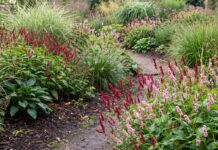
Native plants are usually the backbone of a strong bee garden because they evolved alongside local insects. They are not the only plants bees use, but they are often the most reliable foundation for a pollinator bed.
- Bee balm: Excellent for bumblebees and long-tongued bees.
- Purple coneflower: Easy to grow, long-blooming, and useful for multiple pollinators.
- Mountain mint: A pollinator magnet that attracts bees, wasps, butterflies, and beneficial insects.
- Goldenrod: One of the best late-season nectar plants, often unfairly blamed for allergies.
- Asters: Essential fall flowers for bees still foraging late in the season.
- Black-eyed Susan: Tough, cheerful, and valuable in sunny beds.
- Penstemon: Good for long-tongued bees and hummingbirds.
- Joe-Pye weed: Tall, dramatic, and excellent for larger pollinator gardens.
Start With Bee-Friendly Seed Mixes
For new beds, choose regional pollinator seed mixes whenever possible. Local or regional mixes are usually a better fit than generic “wildflower” blends that may include plants poorly suited to your area.
Choose Flower Shapes Bees Can Actually Use
Flower shape matters. Many bees prefer open, single flowers where pollen and nectar are easy to reach. Dense double flowers may look impressive to people, but they often hide or reduce the parts of the flower bees need.
| Flower Type | Bee Value | Examples |
|---|---|---|
| Open single flowers | Easy pollen and nectar access for many bee sizes. | Coneflower, sunflower, aster, single zinnia, black-eyed Susan. |
| Tubular flowers | Useful for long-tongued bees and bumblebees. | Bee balm, penstemon, foxglove, salvia. |
| Umbel or flat clusters | Attracts small bees and beneficial insects. | Dill, fennel, yarrow, mountain mint, parsley flowers. |
| Dense double flowers | Often less useful because pollen and nectar are harder to reach. | Double roses, double peonies, some heavily hybridized annuals. |
That does not mean every decorative flower is “bad.” It simply means the backbone of a bee garden should be made from accessible, nectar-rich, pollen-rich plants rather than flowers bred only for human appearance.
How to Provide Water Without Drowning Bees
Bees need water for drinking and, in honeybee colonies, for cooling the hive. The problem is that deep birdbaths, buckets, and pet bowls can drown bees if there is no safe landing spot.
The easiest solution is a shallow dish filled with stones, pebbles, or marbles. Add water just below the top of the stones so bees can stand safely while drinking. Refresh it often so it does not become a mosquito nursery.
- Use a shallow dish, saucer, or birdbath.
- Add stones or pebbles as landing pads.
- Keep the water level low.
- Place it near flowers but away from heavy foot traffic.
- Clean and refill it regularly.
Bee Houses: Helpful Only If You Maintain Them
A bee house can help cavity-nesting native bees such as mason bees and leafcutter bees, but only if it is designed and maintained well. A poorly maintained bee hotel can become a parasite hotel instead of a pollinator habitat.
Choose a bee house with removable tubes, trays, or nesting blocks so old nesting material can be cleaned or replaced. Avoid decorative “insect hotels” packed with pine cones, loose bark, straw, and random filler. Those materials may look rustic, but many bees will not use them, and they can shelter pests.
- Placement: Mount the bee house in a sunny, sheltered location, ideally facing morning sun.
- Protection: Use a roof or overhang to protect nesting tubes from rain.
- Depth: Nesting holes should be deep enough for healthy sex ratios in mason bees.
- Cleaning: Replace or clean nesting materials each season.
- Predators: Consider a wire guard that keeps birds from pulling out tubes.
Choose a Bee House You Can Clean
Look for a mason bee house with removable tubes or trays. Maintenance matters more than decoration if you want the house to actually help native bees.
Leave Some Bare Soil and Stems
Not every bee wants a wooden bee house. Many native bees nest in the ground. Others use hollow stems or old plant material. If every inch of the garden is covered with mulch, fabric, turf, or hardscape, you may be removing nesting habitat while adding flowers.
Leave a few sunny patches of bare, well-drained soil near the garden. In fall, consider leaving some dead stems standing until spring so cavity-nesting insects have time to emerge. A perfectly cleaned garden is not always the most pollinator-friendly garden.
Pesticides to Avoid in a Bee Garden
You cannot build a strong bee garden and spray open blooms with broad-spectrum insecticides at the same time. Many pesticides can harm pollinators directly or indirectly, especially when they contaminate flowers, water, nesting areas, or nearby weeds in bloom.
Be especially cautious with:
- Broad-spectrum insecticides: These can kill pests and beneficial insects together.
- Systemic insecticides: Some products move through plant tissue and may contaminate pollen or nectar.
- Dust formulations: Dust can cling to bees and be carried back to nesting sites.
- Spraying open flowers: Avoid treating plants while bees are actively foraging.
If pest control is unavoidable, identify the pest first, choose the least harmful effective option, follow the label exactly, avoid spraying blooms, and apply treatments when bees are not active. For many garden pests, hand-picking, pruning, row covers, water sprays, and targeted controls are safer first steps than blanket spraying.
Should You Start a Backyard Beehive?
A bee garden and a beehive are not the same project. Planting flowers for bees is gardening. Keeping honey bees is livestock management. A hive requires inspections, mite monitoring, swarm prevention, feeding decisions, disease awareness, and local rule compliance.
Before buying a hive, check your city, county, HOA, and state requirements. Some areas require hive registration, setbacks from property lines, water sources, flyway barriers, or limits on hive numbers. It is also smart to join a local beekeeping association before buying bees.
Expect backyard beekeeping to cost more than a simple garden project. A basic hive setup, protective gear, smoker, hive tool, feeder, and live bees can easily move into the several-hundred-dollar range, and costs vary by region and equipment quality.
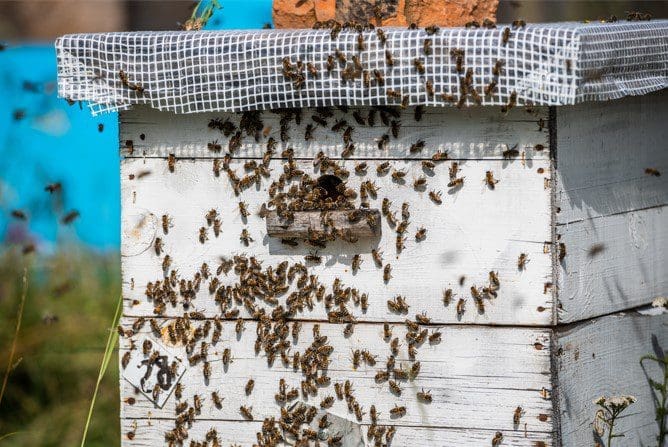
Basic Beekeeping Gear for Beginners
If you are ready for honey bees, start with education first. Then compare starter kits that include hive boxes, frames, smoker, hive tool, veil or suit, and gloves.
Feeding Honey Bees in Winter: Ask Local Beekeepers First
If you keep honey bees, winter feeding should follow local beekeeping guidance, not random internet recipes. Many beekeepers use sugar syrup, fondant, or dry sugar at specific times, but timing, ratio, feeder type, temperature, and colony condition matter.
Before adding herbs, essential oils, or homemade supplements, check with your local extension office or beekeeping association. Some additives may be unnecessary, and poor feeding decisions can create moisture problems, robbing, fermentation, or stress inside the hive.
The safer beginner rule is simple: learn from local beekeepers who understand your climate, nectar flows, winter temperatures, and common disease pressures.
Want a Pollinator Garden Without Guessing?
If you want a bee garden but do not want to guess on plant selection, bed layout, irrigation, or lawn conversion, a local landscaper can help design a pollinator bed that fits your region and yard conditions.
Turn Lawn Space Into a Bee-Friendly Planting Bed
A local landscaping pro can help replace turf with native flowers, add drip irrigation, improve soil, and design a low-spray pollinator garden that blooms from spring through fall.
Final Takeaway
A bee garden works best when it is built around real pollinator needs instead of just pretty flowers. Give bees a season-long food supply, safe shallow water, nesting habitat, and fewer pesticide hazards. Native plants, open blooms, clean bee houses, bare soil patches, and a little patience can turn even a small backyard bed into a useful pollinator stop.
If you decide to go beyond gardening and keep honey bees, treat that as a separate responsibility. Learn your local rules, take a beginner course, connect with nearby beekeepers, and make feeding or treatment decisions based on local guidance rather than viral recipes.
Frequently Asked Questions About Bee Gardens
What is a bee garden?
A bee garden is a planting area designed to support bees with nectar, pollen, water, and nesting habitat. The best bee gardens include flowers that bloom from spring through fall and avoid pesticide use on open blooms.
What flowers attract bees the most?
Bee balm, coneflower, lavender, mountain mint, black-eyed Susan, sunflowers, asters, goldenrod, salvia, and clover are all useful bee plants. Native plants are usually the strongest foundation for a regional bee garden.
Are native plants better for bees?
Native plants are often better for native bees because they evolved together in the same region. A garden can include nonnative herbs and flowers, but native plants should make up the backbone of a bee-friendly planting.
Should I plant wildflower seed mixes for bees?
Yes, but choose carefully. Regional pollinator seed mixes are usually better than generic wildflower blends. Check the seed list to avoid invasive plants or species poorly suited to your area.
Do bee houses really help?
Bee houses can help cavity-nesting bees if they are designed and maintained properly. Choose removable tubes or trays, protect the house from rain, and clean or replace nesting materials each season.
Will a bee garden attract wasps?
A bee garden may attract some wasps, but that is not always bad. Many wasps are beneficial predators. Yellow jackets are more likely to be attracted to garbage, sugary drinks, fallen fruit, and food scraps than to a properly maintained pollinator bed.
Is a bee garden safe for kids and pets?
Usually, yes. Bees foraging on flowers are generally focused on feeding, not attacking. Place high-traffic play areas away from dense flower beds, teach children not to swat bees, and avoid planting bee-heavy flowers right beside doors or narrow walkways.
What pesticides should I avoid in a bee garden?
Avoid broad-spectrum insecticides and be cautious with systemic insecticides, especially on blooming plants. If treatment is necessary, identify the pest first, choose the least harmful effective option, follow the label, and avoid spraying open flowers.
Do I need a backyard hive to help bees?
No. Planting flowers, reducing pesticide use, adding water, leaving nesting habitat, and supporting native bees can help pollinators without keeping honey bees.
How much does backyard beekeeping cost?
Costs vary widely, but a hive, protective gear, smoker, tools, feeder, and live bees can easily cost several hundred dollars. Local classes, extra boxes, mite monitoring tools, and replacement equipment can add more.
🌿 Build a Better Backyard Ecosystem
Join our growing community and get my best plant guides, pollinator gardening tips, safe pest-control strategies, and hands-on yard improvement advice sent straight to your inbox.
100% Free. No spam. Unsubscribe anytime.



Comments are closed.