













A lightweight bypass pruner may work perfectly for fresh green growth on your rose bushes, while thick, mature tree branches require long-handled loppers, telescopic pole saws, or even electric cutting systems. Choosing incorrectly doesn’t just waste your weekend; it can also permanently damage the tree and create serious safety risks. Here is my personal guide to the tools you actually need in your shed.
Quick Answer: What Is the Best Tree Trimming Tool?
For most homeowners, the best overall setup for tree trimming includes a bypass hand pruner for small cuts, heavy-duty loppers for medium branches, and a cordless pole saw for taller limbs. Based on my testing, modern electric battery-powered tools now vastly outperform gas tools for residential yard maintenance because they are quieter, lighter, and require no engine maintenance.

Why Most Homeowners Buy the Wrong Tree Trimming Tools
One of the most significant mistakes I see homeowners make is buying tools solely on price or flashy marketing, rather than assessing their actual yard conditions.
A small suburban yard with a few ornamental trees requires very different equipment than a heavily wooded property filled with mature oaks, tall palms, or dense overgrown brush.
Cheap trimming tools usually fail in three critical areas:
- Blade quality: Dull, cheap steel edges crush branches instead of making clean cuts, leaving the tree vulnerable to disease.
- Weight distribution: Poor balance causes severe arm and shoulder fatigue to set in extremely quickly.
- Handle ergonomics: Uncomfortable grips can make trimming sessions feel absolutely miserable during longer weekend sessions.
When trimming involves overhead work, poor equipment becomes a major safety hazard. Investing in the right tool matters far more than saving a few dollars at the big box store.
1. Bypass Hand Pruners
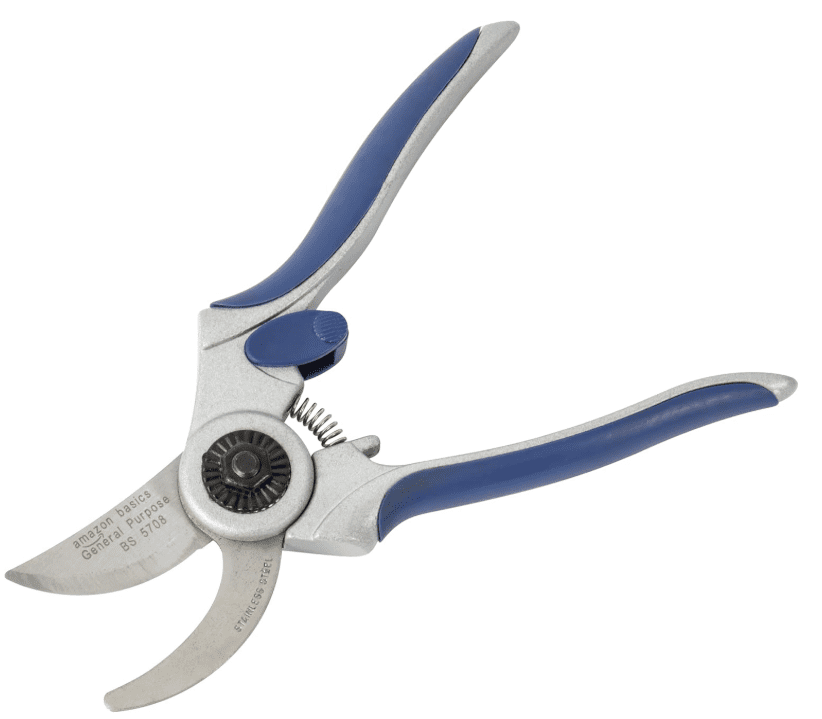
Bypass pruners are the absolute foundation of almost every tree maintenance setup. I carry mine in my pocket every time I walk into the yard.
Unlike anvil-style pruners that crush branches against a flat metal block, bypass pruners use two curved blades that slide past each other exactly like scissors. This creates significantly cleaner cuts that heal faster and cause less stress to living trees.
They are ideal for:
- Fresh green growth
- Fruit tree pruning
- Small ornamental trees
- Rose bushes and shrubs
The biggest thing to look for is blade quality. High-carbon, hardened steel blades stay sharper longer and cut more efficiently.
Best For Most Homeowners
If you only own one manual pruning tool, make it a high-quality bypass pruner. It handles the vast majority of routine backyard trimming tasks better than anything else.
2. Heavy-Duty Loppers

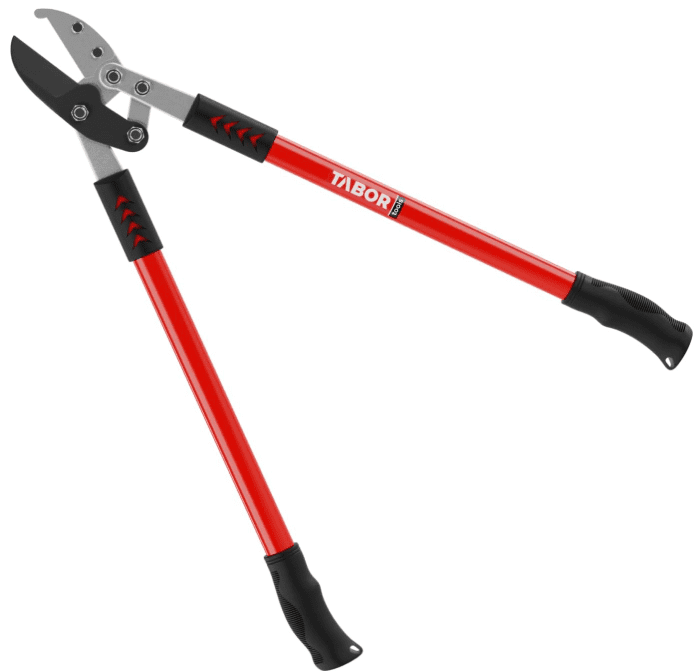
Loppers are essentially oversized pruners with long handles specifically designed to increase your leverage. When I am clearing dense, overgrown shrubs around our property line, these are the tools I use most often.
They are perfect for cutting medium-sized branches that are too thick for hand pruners but not large enough to warrant a saw. The extra handle length dramatically increases your cutting power and lets you reach deeper into thorny shrubs.
If you have weaker grip strength, I highly recommend looking for ratcheting loppers. The cutting action occurs gradually in stages rather than requiring a single, powerful squeeze.
My top recommendation for cutting thick branches easily: Check out Heavy-Duty Ratcheting Loppers here.
Best for:
- Branches roughly 1–2 inches thick
- Overgrown dense shrubs
- Dead branch removal
3. Cordless Pole Saws

For taller branches, cordless pole saws have completely revolutionized residential tree trimming. I used to dread dragging a heavy ladder across the lawn and trying to balance while sawing overhead.
Modern battery-powered pole saws are dramatically safer, surprisingly quiet, and incredibly easy to control. A telescopic pole saw allows you to trim high branches while keeping both feet firmly planted safely on the ground.
Safety Tip
Never use a pole saw while standing directly underneath heavy branches. Always position yourself outside the falling path and strictly wear eye protection and gloves.
4. Electric Mini Chainsaws

Mini cordless chainsaws have exploded in popularity because they perfectly fill the massive gap between manual pruning tools and full-size, terrifying gas chainsaws.
For processing medium-sized limbs after a storm or doing heavy backyard cleanup, these compact electric saws are a dream to use. However, battery quality matters heavily here. Cheap models often have weak runtime and easily bog down. Stick to reputable brands.
If you have a lot of storm debris to clear, a battery-powered mini chainsaw will save your back and shoulders.
5. Palm Tree Trimming Tools
Palm trees create an entirely different trimming challenge. The height, incredibly fibrous fronds, and awkward cutting angles require specialized equipment.
One of the biggest mistakes people make in warm climates is over-trimming palms into the aggressive “hurricane cut.” Removing too many healthy green fronds severely weakens the tree. If your property includes palms, be sure to explore our detailed guide to palm tree trimming tools for safer cutting methods.
Electric vs Manual Tree Trimming Tools
| Tool Type | Best Advantage | Main Drawback |
|---|---|---|
| Manual Pruners | High precision and control | Very limited cutting power |
| Heavy Loppers | Strong leverage for medium branches | Can become tiring during long sessions |
| Cordless Pole Saws | Safe tall branch trimming from ground | Battery runtime limitations |
| Mini Electric Chainsaws | Incredibly fast cutting performance | Requires higher safety awareness |
When the Job is Too Big (or Dangerous)
Never attempt to trim massive limbs overhanging your roof or any branches near active power lines yourself. No homeowner tool is worth risking a massive property damage bill or severe electrocution. Let the pros handle the hazardous overhead work.
Find Certified Arborists & Tree Services on Angi
Sponsored affiliate link. Professional availability varies by location.
Final Thoughts
The best tree trimming tools are rarely the biggest, loudest, or most expensive ones at the hardware store. The right tools are the ones that actually match your property, tree types, and physical comfort level.
For most homeowners, ditching the rusty old saws and investing in a combination of high-carbon bypass pruners, strong ratcheting loppers, and a modern cordless pole saw will handle nearly every routine trimming task safely and efficiently.
Frequently Asked Questions
What is the best tool for trimming tree branches?
It depends entirely on the size of the branch. For small green branches, bypass pruners work best. Medium branches (1-2 inches) require loppers, while tall or thick limbs are much easier and safer to handle with cordless pole saws or electric mini chainsaws.
Are cordless pole saws worth it?
Absolutely. Modern cordless pole saws with lithium-ion batteries are significantly safer, lighter, and far easier to maintain than their heavy gas-powered alternatives for routine residential tree trimming.
What tool cuts thick tree branches easiest?
Heavy-duty ratcheting loppers work exceptionally well for medium branches by multiplying your force. However, for truly thick limbs, battery-powered mini chainsaws and pole saws handle the job with zero physical strain.
Can you trim trees safely without a ladder?
Yes, and you should whenever possible. Telescopic pole saws and long-reach pruning tools are specifically designed to allow you to safely trim high branches while standing firmly on the ground.
Are electric tree trimming tools better than gas?
For 95% of homeowners, yes. Battery-powered electric tools are much quieter, lighter, easier to start (push a button), and require zero mixing of fuel or carburetor maintenance compared to gas equipment.