


















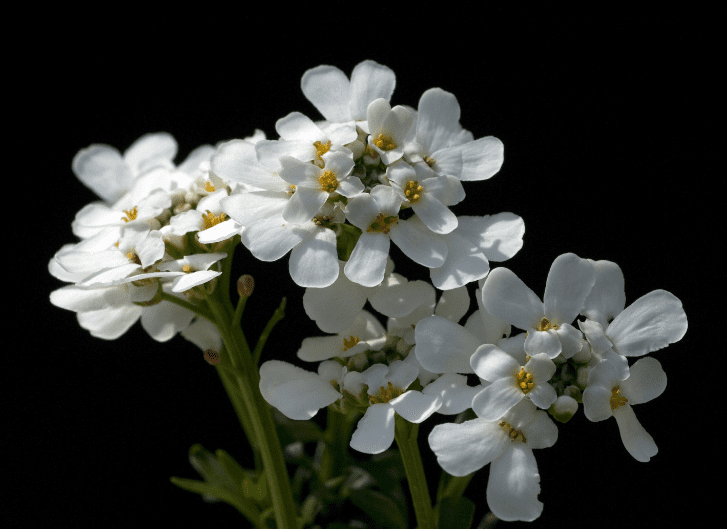
What Are the Best Companion Plants for Candytuft?
The best companion plants for Candytuft are those that thrive in similar dry, sunny conditions. Excellent choices include lavender, sedum, and creeping thyme. Because these plants all prefer well-drained soil and full sunlight, they naturally help prevent moisture-related problems like root rot. Plus, their varied textures and colors look absolutely stunning alongside Candytuft’s pure white, cloud-like flowers.
Candytuft (Iberis sempervirens) is a long-lasting perennial ground cover cherished for its brilliant white spring blossoms and dark green, evergreen foliage. Native to Southern Europe, it is the perfect low-maintenance addition for edging rock gardens, cascading over retaining walls, or filling mixed borders.
Choosing the right companion plants can elevate your landscape design and create a healthier micro-ecosystem. Here is everything you need to know about pairing Candytuft with other plants to keep your garden thriving all year round.
Why Choose Candytuft as a Ground Cover?
Candytuft makes an exceptional ground cover, especially in spots where you want high visual impact with low maintenance. It creates a dense mat that effectively suppresses weeds and prevents soil erosion. Its spreading growth habit is perfect for filling empty, awkward gaps in your garden beds.
This creates a cohesive and beautiful look. When the pure white flowers bloom in late spring to early summer, they bring bright, vibrant energy to any outdoor space, making it a staple for spring garden designs.
Ideal Growing Conditions
Candytuft performs best in soil that drains exceptionally well and receives plenty of full sunlight. It is adaptable to various climates but particularly enjoys mild winters and warm, dry summers. Because of its excellent drought tolerance once established, it is a top choice for low-maintenance perennial gardens and xeriscaping.
Best Companion Planting Strategies
Perennial Companions for Year-Round Beauty
Candytuft is an evergreen perennial, meaning its deep green leaves stay fresh even in the dead of winter when many other plants have died back. You can maximize this year-round appeal by planting Candytuft alongside other evergreens like Boxwood or Dwarf Mugo Pine. These shrubs bring essential height and architectural shape to your garden, creating a beautiful backdrop for Candytuft’s low-growing foliage.
Candytuft and Knockout Roses: A Perfect Match
Knockout Roses are fantastic partners for Candytuft. Because they bloom continuously from spring to fall, they provide a long-lasting display of color. The soft pinks or striking reds of Knockout Roses contrast beautifully against Candytuft’s crisp white flowers. Both plants require well-drained soil and plenty of sun, making them incredibly easy to care for when planted side by side.
Companion Planting for Pest Management
Strategic companion planting is a great way to manage garden pests naturally without harsh chemicals. For example, Marigolds and Nasturtiums work brilliantly alongside Candytuft. They attract beneficial insects, such as ladybugs and hoverflies, which are natural predators of aphids and mealybugs.
Creating Different Heights and Textures
Because Candytuft grows low to the ground (usually 6 to 12 inches tall), it acts as a perfect structural base. You can mix it with taller, airier plants like Russian Sage or Salvia to add vertical interest. This approach adds depth, movement, and a layered texture to your garden beds.
Essential Care and Maintenance
Avoiding Root Rot and Moisture Issues
One of the few challenges of growing Candytuft is its susceptibility to root rot, which occurs when the plant sits in soggy, poorly drained soil. To prevent this, always plant it alongside companions that share its love for dry conditions, such as Sedum, Yarrow, or Lavender. If you live in an area with high rainfall or heavy clay soil, consider planting Candytuft in raised beds, rock gardens, or amending the soil with sand and gravel to improve drainage.
Encouraging New Growth with Proper Pruning
Candytuft benefits greatly from a light pruning immediately after its blooming cycle ends in early summer. Shearing the top third of the plant prevents it from becoming leggy, encourages fresh, dense foliage, and maintains a compact, tidy shape.
Sunlight Exposure for Companions
Candytuft thrives in full sun but can tolerate light, dappled shade, especially in regions with scorching summers. When selecting companions, ensure their light requirements match. Full-sun lovers like creeping thyme make great partners in open areas, while Hostas or ferns can provide a striking textural contrast in spots where Candytuft receives partial afternoon shade.
Propagation: Growing More Candytuft
If you want to expand your garden, Candytuft is relatively easy to propagate. You can divide the root ball in early spring or early fall. Alternatively, you can take softwood stem cuttings in late summer. Whenever transplanting divisions, make sure the new location offers excellent drainage.
Frequently Asked Questions (FAQs)
How do you care for Iberis sempervirens?
Caring for Iberis sempervirens (Candytuft) requires planting it in well-draining soil, providing plenty of sunlight, and trimming it back after the spring bloom. It thrives in hardiness zones 3–9. Applying a balanced, all-purpose slow-release fertilizer in early spring helps promote vigorous growth and abundant flowering.
What are the different varieties of perennial Iberis?
Popular varieties include ‘Alexander’s White’ and ‘Autumn Beauty’, which are compact and excellent for borders. ‘Snowflake’ and ‘Tahoe’ are highly sought after for their profuse blooms and broad, dark green leaves, making them perfect for rock garden ground covers.
How do I avoid root rot with Candytuft?
The key is soil drainage. Avoid overwatering and never plant Candytuft in low-lying areas where water pools. Mixing sand or gravel into the soil before planting can significantly improve aeration and drainage.
How often should I fertilize Candytuft?
A single application of a slow-release fertilizer in early spring is usually enough. Over-fertilizing, especially with high-nitrogen formulas, will result in lush, floppy foliage at the expense of those beautiful white flowers.