











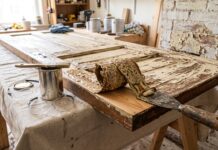

Engineered hardwood flooring vs LVP comes down to one big trade-off: real wood beauty versus waterproof practicality. Engineered hardwood gives you a genuine hardwood surface with natural grain, warmth, and stronger resale appeal. LVP, short for luxury vinyl plank, gives you a tough synthetic floor that handles water, pets, basements, and busy households with less stress.
If you want the short version, choose engineered hardwood when real wood matters and the room is dry enough to protect it. Choose LVP when water resistance, easier maintenance, lower cost, or basement use matters more than having real hardwood underfoot.

If you are still comparing the whole flooring family, start with our broader engineered hardwood vs laminate vs hardwood comparison. If you already own engineered wood and are trying to save it, see whether engineered hardwood floors can be refinished before replacing them.
- Choose engineered hardwood for living rooms, dining rooms, bedrooms, and higher-end remodels where real wood feel and resale appeal matter.
- Choose LVP for basements, bathrooms, laundry rooms, rentals, pet-heavy homes, and spaces where standing water or easy cleanup is a real concern.
- Engineered hardwood wins on natural grain, warmth, premium feel, and potential refinishing if the wear layer is thick enough.
- LVP wins on water resistance, scratch resistance, budget control, DIY installation, and low-maintenance cleanup.
- Biggest mistake: assuming “waterproof engineered hardwood” behaves like vinyl. Most engineered wood still has real wood and wood-based layers that need moisture control.
| Feature | Engineered Hardwood | LVP | Winner |
|---|---|---|---|
| Surface | Real hardwood veneer | Printed vinyl wear layer | Engineered hardwood for real wood |
| Water resistance | Better than solid wood, but not truly waterproof in most cases | Usually excellent, depending product and installation | LVP |
| Scratch resistance | Depends on wood species and finish | Often very good with a thick wear layer | LVP for pets/kids |
| Refinishing | Possible if wear layer is thick enough | Not refinishable | Engineered hardwood |
| Resale value | Usually stronger because it is real wood | Practical, but not usually seen as premium hardwood | Engineered hardwood |
| Basements | Only if product and moisture conditions allow | Often one of the safer choices | LVP |
| Comfort and sound | Warmer, more natural feel | Depends on core and underlayment | Engineered hardwood for feel |
| DIY installation | Possible, but more product-specific | Often very DIY-friendly click-lock | LVP |
What Is Engineered Hardwood Flooring?
Engineered hardwood is real wood flooring made with a hardwood veneer on top of a layered core. The top layer gives the floor its real wood grain, color, and character. The core below makes the plank more stable than solid hardwood.
The most important spec is the wear layer. A thicker wear layer gives the floor more long-term repair potential. A thin veneer may look beautiful on day one but cannot be sanded much later. This is why two engineered hardwood products can have very different lifespans even if they look similar online.
What Is LVP Flooring?
LVP stands for luxury vinyl plank. It is a synthetic floor built in layers, usually with a printed wood-look design, protective wear layer, vinyl or rigid core, and attached or separate underlayment depending on the product.
LVP is not wood. That is the point. Because it is not made with a real wood surface, it can handle water and daily abuse better than many wood floors. The trade-off is that it cannot be sanded, refinished, or marketed as real hardwood.
Engineered Hardwood Flooring vs LVP: The Real Difference
The real difference is not just material. It is the job each floor is trying to do.
Engineered hardwood is for homeowners who want a genuine wood surface but need more stability than solid hardwood. It belongs in rooms where the floor can be protected from standing water and where premium appearance matters.
LVP is for homeowners who want a good-looking floor that can take moisture, pets, kids, and easier maintenance. It belongs in spaces where real wood would make you nervous.
Water Resistance: LVP Has the Clear Advantage
If water is the deciding factor, LVP usually wins. Many LVP products are designed around water resistance, and some are marketed as waterproof. That makes LVP a common choice for basements, bathrooms, laundry rooms, mudrooms, and rentals.
Engineered hardwood is more dimensionally stable than solid hardwood, but that does not make it waterproof. The top is real wood, and the core may include wood-based layers. Spills should be wiped quickly. Repeated water exposure can still damage edges, seams, finishes, and cores.
“Waterproof engineered hardwood” is not the same as vinyl. Always read the warranty, installation rules, and exclusions. Some products resist spills better than traditional wood, but bathrooms, wet basements, and standing water are still risky for most wood-based floors.
Scratches, Dents, and Pets
For pets and active households, LVP often has the easier life. A good LVP wear layer can resist claw marks, toy scratches, chair movement, and grit better than many wood finishes. It is also less stressful around pet water bowls and occasional accidents.
Engineered hardwood can still work with pets, but choose carefully. Matte finishes, wire-brushed textures, harder wood species, lighter colors, area rugs, and regular nail trimming help hide wear. Dark glossy engineered floors can show scratches and dust faster.
Resale Value and Buyer Perception
Engineered hardwood usually wins on resale perception because it is real wood. In main living areas, dining rooms, bedrooms, and higher-end remodels, buyers often respond better to real hardwood than vinyl.
LVP can still be a smart resale choice in the right house. A clean, durable LVP floor in a basement or rental can be more appealing than worn carpet, damaged laminate, or risky wood. But in a premium living room, cheap-looking vinyl can feel like a downgrade.
Comfort, Sound, and Feel Underfoot
Engineered hardwood tends to feel warmer and more natural underfoot. It also sounds more like real wood, especially when glued or nailed down correctly.
LVP comfort depends on the core, plank thickness, attached pad, subfloor, and underlayment. Some rigid-core LVP feels solid and quiet. Cheap thin vinyl can sound clicky or hollow, especially over uneven subfloors.
Installation: Which Is Easier?
LVP is usually easier for DIY installation. Many products use click-lock edges and can be installed as floating floors with fewer specialized tools. That does not mean the job is foolproof. Subfloor flatness, expansion gaps, door jamb cuts, transitions, and stair details still matter.
Engineered hardwood can be floating, glued down, nailed down, or stapled depending on the product. That flexibility is useful, but it also makes instructions more important. A floor approved for nail-down may not be approved for floating. A floor approved over concrete may require moisture testing and adhesive compatibility.
Cost: Engineered Hardwood vs LVP
LVP is usually cheaper than engineered hardwood in both material and installation. That is one reason it has taken so much market share. It gives homeowners the wood-look style without the price or moisture worries of real wood.
Engineered hardwood costs more because the top layer is real hardwood and the construction is more complex. Installation can also cost more if the floor is glued down, nailed down, or installed with careful moisture-control steps.
| Cost Factor | Engineered Hardwood | LVP |
|---|---|---|
| Material cost | Usually higher | Usually lower to mid-range |
| Installation cost | Can rise with glue-down, nail-down, stairs, or subfloor prep | Often lower, especially for floating click-lock installs |
| Repair cost | Depends on wear layer and plank availability | Usually plank replacement, if matching pieces are available |
| Long-term value | Higher if the floor is quality and refinishable | Strong practical value, weaker premium resale perception |
A flooring pro can check moisture risk, subfloor condition, stairs, transitions, and installation method before you commit to real wood or vinyl plank.
Best Rooms for Engineered Hardwood vs LVP
| Room | Better Choice | Why |
|---|---|---|
| Living room | Engineered hardwood | Real wood gives the strongest premium feel in main living spaces. |
| Bedrooms | Engineered hardwood or LVP | Both work; choose by budget, style, and resale expectations. |
| Kitchen | Depends on household | Engineered hardwood looks warmer; LVP is less stressful around spills. |
| Bathroom | LVP | Water exposure makes wood-based floors risky. |
| Basement | LVP | Moisture risk and concrete slabs favor vinyl plank. |
| Rental property | LVP | Lower cost, easy cleaning, and practical durability matter. |
| High-end remodel | Engineered hardwood | Real wood better supports a premium design story. |
When Engineered Hardwood Is the Better Choice
Choose engineered hardwood when you want the floor to feel like a long-term design decision, not just a practical surface. It is the better choice for homeowners who value real wood grain, warmer underfoot feel, and stronger buyer perception in visible living areas.
- You want real hardwood, not a printed vinyl surface.
- The room is dry and not exposed to standing water.
- You want better resale perception in main living areas.
- You are choosing a quality product with a decent wear layer.
- You may want screen-and-recoat or refinishing options later.
When LVP Is the Better Choice
Choose LVP when the floor needs to survive moisture, pets, kids, rental turnover, or a tight budget. It is not the prestige pick, but it is often the practical pick.
- You are installing in a basement, bathroom, laundry room, or mudroom.
- You have pets, spills, or frequent wet cleaning needs.
- You want an easier DIY floating floor.
- You need to control material and labor costs.
- You prefer replacing a plank over sanding a wood floor.
Can LVP Look as Good as Engineered Hardwood?
Good LVP can look very convincing, especially in matte finishes with embossed texture and varied plank patterns. But side by side, real wood still has depth, grain variation, and texture that a printed layer has to imitate.
The gap is smaller than it used to be. In a basement or rental, quality LVP can look excellent. In a sunlit living room next to custom trim, stone, and high-end cabinetry, engineered hardwood usually looks more authentic.
What to Check Before Buying Either Floor
| Buying Check | Engineered Hardwood | LVP |
|---|---|---|
| Top layer | Wear layer thickness and wood species | Wear layer thickness and texture quality |
| Core | Plywood or high-quality engineered core | SPC, WPC, or other rigid core construction |
| Room rating | Approved for slab, radiant heat, kitchen, or basement if relevant | Waterproof claims, bathroom rating, basement rating |
| Installation | Floating, glue-down, nail-down, or staple-down approval | Click-lock quality, expansion gaps, subfloor flatness |
| Warranty exclusions | Moisture, pets, scratches, humidity range | Seam leaks, subfloor moisture, rolling loads, sunlight |
Best Products to Compare Before Installing
Ordering samples and the right accessories is smarter than choosing from a screen. Check color in morning and evening light, then compare texture, sheen, thickness, and how the plank feels underfoot.
| Product Type | Best For | What to Check | Compare |
|---|---|---|---|
| Engineered hardwood flooring samples | Real wood comparison | Wear layer, species, finish, texture, plank width. | Amazon |
| LVP flooring samples | Vinyl plank comparison | Wear layer, core type, texture, pattern repeat, thickness. | Amazon |
| Flooring underlayment | Floating floors | Moisture barrier, sound rating, product compatibility. | Amazon |
| Flooring installation kit | DIY click-lock installs | Spacers, tapping block, pull bar, mallet compatibility. | Amazon |
| Felt furniture pads | Scratch prevention | Chair legs, sofas, tables, and heavy furniture. | Amazon |
Common Mistakes to Avoid
1. Buying Engineered Hardwood for a Wet Room
Engineered hardwood is more stable than solid hardwood, but most products still do not belong in rooms with standing water, frequent leaks, or poor moisture control.
2. Assuming All LVP Looks Cheap
Cheap LVP can look flat and repetitive, but higher-quality products can be very convincing. Look for realistic texture, low pattern repeat, thicker planks, and a matte finish.
3. Ignoring Wear Layer Specs
Both materials use the term “wear layer,” but it means different things. Engineered hardwood wear layer is real wood veneer thickness. LVP wear layer is the protective top layer over the printed design.
4. Forgetting About Subfloor Prep
Floating floors need flat subfloors. Vinyl plank especially can telegraph dips, humps, and debris. A poor subfloor can make either floor feel cheap.
5. Choosing the Same Floor for Every Room
One material does not have to cover the entire house. Engineered hardwood may belong upstairs and in main living areas, while LVP may be smarter in the basement, laundry room, or mudroom.
Final Verdict
For most homeowners comparing engineered hardwood flooring vs LVP, the decision is not about which material is universally better. It is about which material matches the room. Engineered hardwood is the better choice when real wood, warmth, and resale perception matter. LVP is the better choice when water resistance, pets, rentals, and easy maintenance matter more.
Use engineered hardwood where you want the house to feel more premium and the room is dry enough to protect real wood. Use LVP where life is messy, wet, and practical. The best floor is not the one that wins every category. It is the one you will not regret five years after installation.
Frequently Asked Questions
Is engineered hardwood better than LVP?
Engineered hardwood is better if you want real wood, stronger resale appeal, and a warmer premium feel. LVP is better if water resistance, pets, budget, and easy maintenance matter more.
Is LVP more waterproof than engineered hardwood?
Yes. LVP is usually much more water-resistant than engineered hardwood, and many products are marketed as waterproof. Most engineered hardwood still needs moisture control and quick spill cleanup.
Does LVP hurt resale value compared with engineered hardwood?
In main living areas and higher-end homes, engineered hardwood usually has stronger buyer appeal because it is real wood. In basements, rentals, and wet areas, good LVP can still be a smart and attractive choice.
Can engineered hardwood be used in a basement?
Some engineered hardwood can be used below grade if the product is approved and moisture is controlled. LVP is often the safer basement option because it handles water risk better.
Is LVP better for dogs than engineered hardwood?
LVP is often easier for dogs because it resists scratches and moisture better. Engineered hardwood can work with pets, but claws, water bowls, and accidents need more attention.
Which costs more, engineered hardwood or LVP?
Engineered hardwood usually costs more than LVP because it has a real hardwood veneer and often requires more careful installation. LVP is usually the more budget-friendly choice.
Can LVP be refinished?
No. LVP cannot be sanded or refinished like wood. If the surface is deeply damaged, the affected plank usually needs replacement.
Can engineered hardwood be refinished?
Yes, but only if the real wood wear layer is thick enough. Thin veneers may only allow screen-and-recoat or plank replacement.
Which looks more realistic, engineered hardwood or LVP?
Engineered hardwood looks more realistic because it is real wood. High-quality LVP can look very convincing, but it still uses a printed design layer.
Should I choose engineered hardwood or LVP for a kitchen?
Engineered hardwood can work in a kitchen if spills are cleaned quickly and the product is approved for that use. LVP is usually less stressful in kitchens where water, pets, and heavy traffic are daily realities.
Join the free Garden Frontier list for flooring decisions, home improvement costs, cleaning tips, and practical renovation ideas that save headaches later.
100% free. No spam. Unsubscribe anytime.