
















Garden ornaments can do what another flat of flowers cannot: give the eye somewhere to land. A good statue, birdbath, copper stake, solar light, or weathered pot can make a plain bed feel intentional instead of unfinished.
I like garden decor most when it looks as if it belongs there. A copper hummingbird partly hidden in salvia. A small Buddha tucked beside ferns. A solar lily near the edge of a path. A weathered urn at the end of a view. The mistake is turning the yard into a shelf full of outdoor collectibles. One strong piece usually beats twelve tiny ones scattered across the lawn.

The best garden ornaments add at least one of four things: a focal point, movement, light, or mood. Once you start choosing pieces that do a job, the garden feels calmer and more finished.
- Use one anchor piece: A statue, birdbath, urn, fountain, or tall metal stake gives the garden a clear focal point.
- Match the mood: Zen, rustic, cottage, fantasy, modern, woodland, and farmhouse decor should not all fight in the same bed.
- Think about scale: Small ornaments vanish in large beds, while oversized statues can overwhelm patios and narrow paths.
- Add light or movement: Solar lights, wind spinners, fountains, and hanging art make the yard feel alive.
- Buy fewer, better pieces: Weather-resistant resin, cast stone, copper, steel, ceramic, and concrete usually age better than cheap plastic.
Before buying a garden ornament, decide where it will sit and what job it will do. If it does not mark a path, anchor a bed, add light, attract birds, create sound, or set a mood, it may become clutter.
Why Garden Ornaments Work
Plants change every week. They bloom, fade, flop, get cut back, go dormant, or disappear in winter. Garden ornaments give structure when plants are between seasons.
A statue at the end of a path pulls you forward. A birdbath adds height and movement. A copper stake gives a flower bed a vertical accent before the perennials fill in. A solar lantern keeps a patio corner from going dead after sunset.
Historic gardens used water, stone, urns, sculpture, gates, and symmetry because they understood one simple design truth: a garden needs rhythm. Modern backyards need the same thing, just with a lighter touch.
Best Garden Ornament Ideas
The easiest way to shop is by purpose, not by impulse. Decide whether the space needs height, light, sound, humor, calm, wildlife, or a strong focal point.
Garden Statues
Best for focal points, entryways, quiet corners, and the end of a garden path.
Solar Garden Lights
Best for paths, patios, containers, dark corners, and beds that look flat after sunset.
Metal Stakes and Wind Spinners
Best for height, movement, and year-round interest in perennial borders.
Birdbaths and Bird Decor
Best when you want the ornament to be beautiful and useful for backyard wildlife.
Large Pots, Urns, and Bowls
Best for patios, entrances, steps, courtyards, and formal garden beds.
Handcrafted Metal Stakes and Spinners

Metal garden ornaments are useful because they add height without blocking the plants. A copper hummingbird, iron heron, steel flower stake, or wind spinner can rise above low perennials and keep the bed interesting before or after peak bloom.
Copper is one of my favorite materials outdoors because it does not stay frozen in one perfect showroom color. It darkens, softens, and develops patina. That aging is part of the charm, especially around herbs, grasses, salvia, coneflowers, roses, and cottage-style beds.
Use metal stakes where the garden needs a vertical accent. They work well near paths, beside birdbaths, in container groupings, or in beds where plants are mostly low and rounded.
Solar Garden Lights
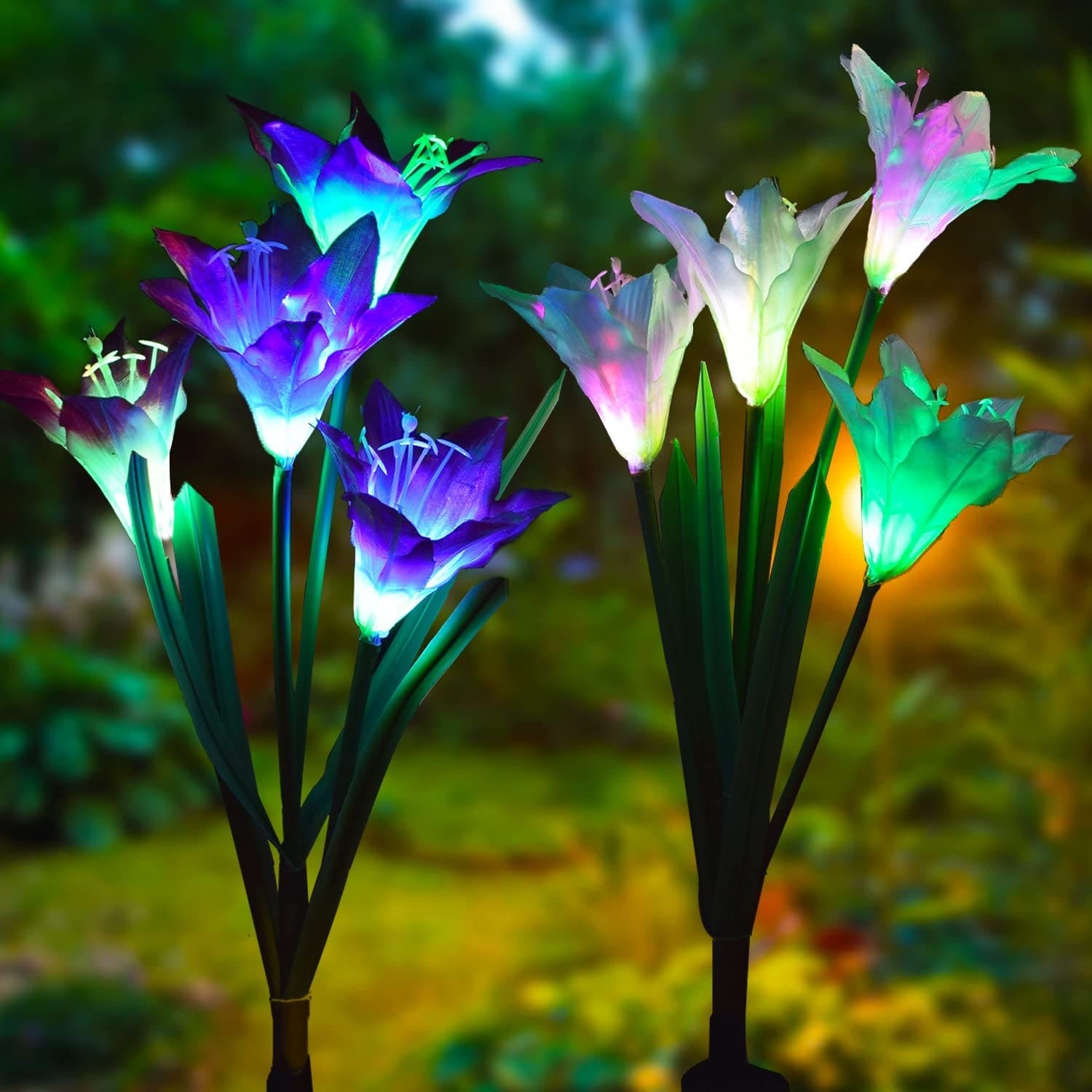
Solar garden ornaments solve a real problem: most gardens disappear at night. A few soft lights along a path, around a patio, or near a dark fence can make the space feel usable after sunset.
The trick is restraint. Too many color-changing lights can make a garden feel like a carnival. One cluster near a patio or a few lights along a path usually looks better than scattering them everywhere.
- Use warm light for patios and seating areas.
- Use brighter decorative lights only as accents.
- Place solar panels where they get enough sun during the day.
- Clean the panels when dust or pollen builds up.
- Bring delicate lights inside during harsh winter weather if they are not rated for it.
Fantasy and Dragon Garden Statues

Fantasy pieces can be great when the rest of the space supports them. A dragon statue looks better near mossy stones, dark foliage, ferns, old brick, a shaded entry, or a woodland corner than in the middle of a bare lawn.
The same rule applies to fairies, gargoyles, mushrooms, gnomes, and mythical creatures. Give them a little scene. Half-hide the piece. Let people discover it instead of making it shout from the center of the yard.
Fantasy garden ornaments look strongest when they feel partly hidden. Tuck them into shade, near stones, between ferns, or beside old wood instead of leaving them exposed in open grass.
Zen, Buddha, Angel, and Religious Garden Statues
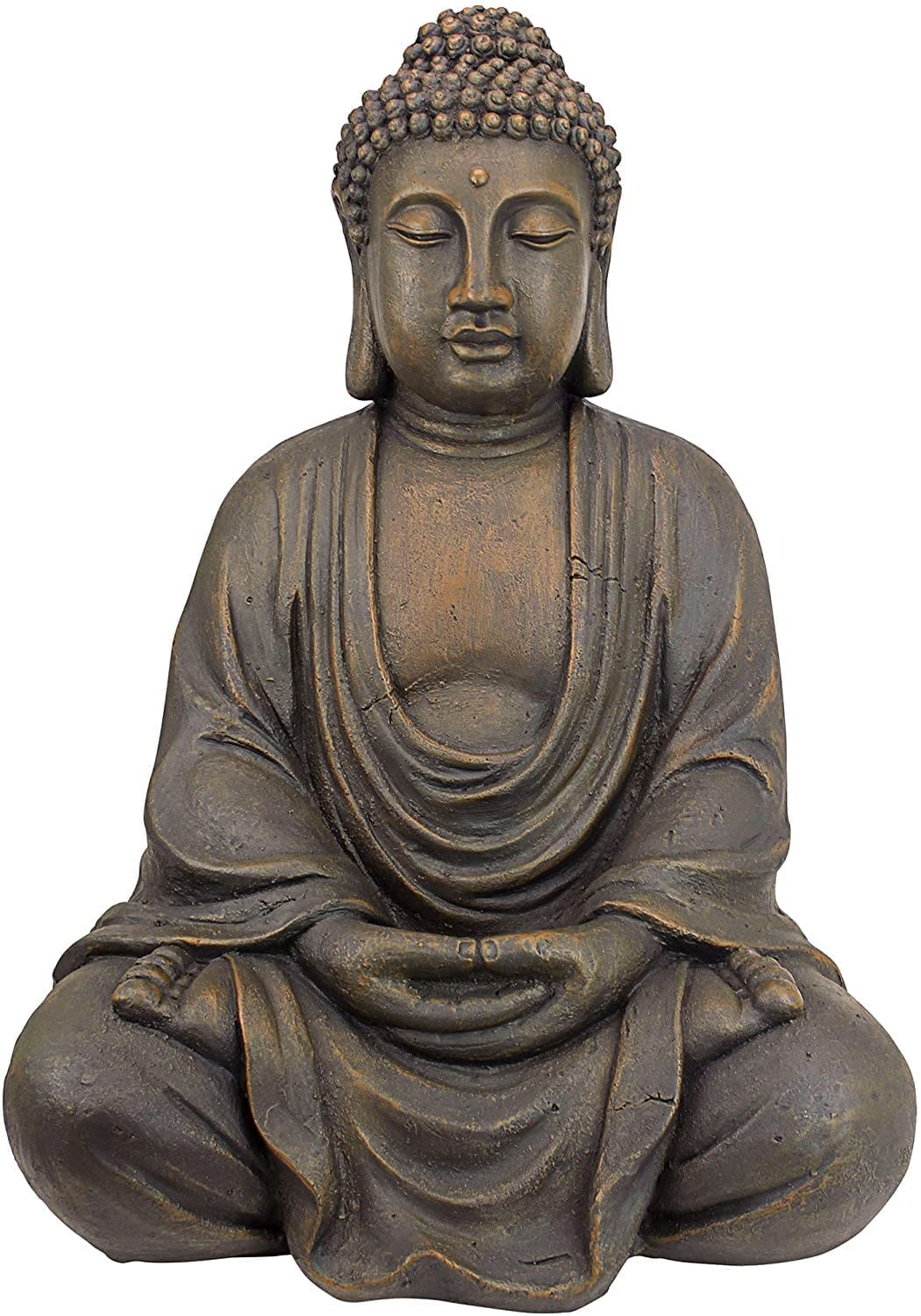
Zen and religious statues work best in quiet places. A Buddha statue, angel, monk, saint, or simple stone figure can turn an unused corner into a small retreat if the setting is calm.
I would not place a meditative statue in the busiest part of the yard. It usually feels better near water, ferns, shade plants, gravel, a bench, or a small container grouping. The area around it should be simple enough that the statue feels intentional.
For a calming corner, pair one statue with three things: a plant with soft texture, a simple pot or stone, and a low-maintenance ground surface such as mulch, gravel, or stepping stones.
Birdbaths, Birdhouses, and Wildlife Ornaments
Some of the best garden ornaments are useful. A birdbath, nesting box, bee hotel, butterfly puddling dish, or shallow water bowl can look good while supporting wildlife.
Birdbaths are especially useful because birds need clean water for drinking and bathing. Place one where birds can see danger and reach cover quickly. Keep it shallow, stable, and easy to scrub.
If your yard goal is more birds, connect your decor choices with habitat. Our guide on how to attract birds to your yard covers feeders, fresh water, native plants, shelter, and safer feeding habits.
Where to Place Garden Ornaments
Placement matters more than the ornament itself. A cheap piece in the perfect spot can look charming. An expensive statue in the wrong place can look awkward.
At the End of a Path
A statue, urn, bench, fountain, or tall pot at the end of a path gives the eye a destination. This is one of the easiest ways to make a small yard feel designed.
Near an Entry
Use matching pots, lanterns, small statues, or metal stakes near gates, doors, and steps. Keep the scale appropriate so the entry feels welcoming, not crowded.
Inside a Planting Bed
Ornaments look more natural when plants partly surround them. Let foliage soften the base of a statue or stake so it does not look dropped onto bare mulch.
By Water
Birdbaths, fountains, frogs, herons, turtles, and stone bowls make sense near water features. Even a small solar fountain can help a patio corner feel cooler and more alive.
In a Hidden Corner
Whimsical pieces are best when discovered. A small animal, fairy door, dragon, or weathered ornament tucked into a shaded corner feels more charming than one placed in the center of everything.
How to Avoid a Cluttered Yard
Garden ornament clutter usually happens slowly. One bird. One gnome. One solar light. One statue on sale. After a few seasons, the yard starts looking busy even when the plants are healthy.
Here is the simplest fix: remove everything that does not have a clear role. Then put back only the pieces that improve the view.
- Repeat one material, such as copper, stone, black metal, terracotta, or concrete.
- Use fewer colors in one view.
- Group small pieces instead of scattering them everywhere.
- Keep one main focal point per garden area.
- Leave some empty space so ornaments can breathe.
- Remove faded plastic pieces before they make the whole garden look tired.
Best Materials for Garden Ornaments
Outdoor decor has to survive sun, rain, wind, freeze-thaw cycles, soil splash, sprinklers, and the occasional knocked-over hose. Material choice matters.
Cast Stone and Concrete
Heavy, durable, classic, and good for permanent focal points. Harder to move and may need winter care in freeze-thaw climates.
Copper and Metal
Great for stakes, spinners, birds, trellises, and rustic accents. Some metals patina or rust, which can be part of the look.
High-Quality Resin
Lighter than stone and available in detailed designs. Look for UV-resistant finishes and bring delicate pieces inside during harsh freezes.
Ceramic and Terracotta
Beautiful near patios and containers, but breakable. Best protected from hard freezes unless rated for outdoor winter use.
Plastic
Light and cheap, but often fades, cracks, and looks tired quickly. Best for temporary seasonal decor rather than permanent focal points.
Recommended Garden Ornaments and Decor
These are the types of pieces I would compare first. The goal is not to fill the yard. The goal is to choose one or two ornaments that make the space feel more finished.
Flamed Copper Hummingbird Ornament
A good choice for flower beds, pollinator gardens, cottage borders, and rustic outdoor spaces. Copper ages naturally and blends well with plants.
Color-Changing Lily Solar Lights
Useful for adding evening color near paths, patios, container gardens, and dark corners where flowers disappear after sunset.
Medieval Black Dragon Garden Statue
Best for fantasy gardens, shaded corners, gothic entryways, and woodland-style plantings with stone, moss, and dark foliage.
Meditative Buddha Garden Statue
A strong fit for patios, shade gardens, meditation corners, container groupings, and quiet spaces with simple planting.
Outdoor Birdbath
One of the most useful garden ornaments because it adds height, reflection, movement, and a water source for birds.
Metal Garden Wind Spinner
Adds movement to open beds, lawn edges, and large borders where still ornaments may feel flat.
Garden Urn or Statement Planter
A classic choice for entries, steps, patios, and formal beds. Fill it with seasonal color or leave it simple as a sculptural piece.
Large resin statues, birdbaths, urns, fountains, and metal wind spinners can be awkward to ship. Check shipping costs before checkout and compare Prime options when the item is heavy or oversized.
Disclosure: Garden Frontier may earn a commission or bounty from eligible Amazon sign-ups.
How to Care for Garden Ornaments
A little care makes outdoor decor last longer. Most damage comes from UV exposure, trapped moisture, freezing water, rust, and pieces sitting directly in wet soil.
- Lift lightweight pieces before storms or high winds.
- Place statues on pavers, gravel, or flat stones instead of wet soil.
- Clean birdbaths often and dump standing water when mosquitoes become a problem.
- Use a clear UV-protective spray on painted resin when the finish starts to fade.
- Bring delicate ceramic, terracotta, and resin pieces inside during hard freezes.
- Let copper and rustic iron age naturally if patina is part of the look.
- Check solar lights for cloudy panels, weak batteries, and water inside housings.
Frequently Asked Questions
How do you choose the right garden ornaments?
Choose garden ornaments by style, scale, and purpose. A large bed may need one bold focal point, while a small patio may only need a compact statue, urn, lantern, or birdbath. The ornament should match the mood of the space and have a clear job.
What are the best materials for outdoor garden statues?
Cast stone, concrete, copper, steel, ceramic, and high-quality UV-resistant resin are common choices. Cast stone and concrete feel permanent but are heavy. Resin is easier to move but should be protected from harsh weather when possible.
Where should I place garden statues?
Place garden statues at the end of a path, near an entry, inside a planting bed, beside water, near a bench, or in a quiet corner. Avoid dropping statues into the middle of bare lawn unless the scale is strong enough to hold the space.
How many garden ornaments are too many?
If every view has several competing pieces, the yard starts to look cluttered. Use one main focal point per area, group smaller items, repeat materials, and leave breathing room around the best pieces.
How do I keep resin garden statues from fading?
Keep resin statues out of the harshest sun when possible, clean them gently, and apply a clear UV-protective outdoor spray when the finish starts to dull. Store delicate resin pieces indoors during harsh winter freezes.
Are solar garden ornaments worth it?
Solar garden ornaments are worth it when they receive enough sun during the day and are used as accents. They work best near paths, containers, patios, and dark corners. Cheap solar lights may fade, leak, or lose battery strength quickly.
Can garden ornaments attract birds?
Yes, if the ornament is useful. Birdbaths, birdhouses, nesting boxes, and shallow water features can help attract birds when they are kept clean and placed safely. Decorative birdhouses without proper dimensions are less useful.
Final Verdict
Garden ornaments work best when they feel like part of the landscape, not a pile of outdoor decorations. Choose fewer pieces, place them carefully, and let plants soften the edges.
If your garden feels flat, start with one focal point: a birdbath, statue, urn, solar light cluster, or copper stake. Put it where the eye naturally travels. Then stop. Live with it for a week before adding anything else.
The best ornament is not always the biggest or most expensive. It is the one that makes the garden feel more like a place you want to walk into.
Join the free Garden Frontier list for outdoor decor ideas, garden design tips, backyard wildlife guides, and practical product comparisons.
100% free. No spam. Unsubscribe anytime.