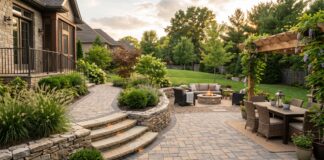

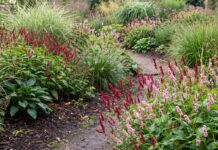
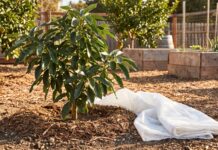













Ground cover plants are not just “little plants that spread.” The right one can replace struggling lawn, cover bare soil, soften paver edges, cool a hot slope, reduce erosion, feed pollinators, and make a garden look finished without constant mulch.

The wrong one can become a headache. Some ground covers creep politely. Others run like they have somewhere to be. A plant that is perfect under a maple tree may burn out on a sunny slope. A plant that works between stepping stones may fail in wet clay. That is why the best ground cover starts with the site, not the prettiest photo on the plant tag.
The smartest way to choose a ground cover is to start with the problem area, not the plant list. A sunny slope, a shady side yard, a strip between stepping stones, and a bare patch under trees all need different plants. Start with the conditions you have — sun, shade, soil moisture, slope, foot traffic, and how much spreading you can manage — then pick the ground cover that fits instead of forcing a trendy plant into the wrong spot.
Quick Answer: Best Ground Cover Plants by Situation
- Best overall low-maintenance picks: Creeping thyme, sedum, creeping phlox, hardy geranium, liriope, mondo grass, and sweet woodruff.
- Best for full sun: Creeping thyme, sedum, ice plant, creeping phlox, woolly thyme, and lamb’s ear.
- Best for shade: Sweet woodruff, hosta, barrenwort, wild ginger, ferns, Allegheny spurge, and mondo grass.
- Best flowering ground covers: Creeping phlox, creeping thyme, hardy geranium, ice plant, ajuga, mazus, and white-flowering options like sweet woodruff.
- Best for slopes: Creeping phlox, sedum, bearberry, juniper, liriope, native sedges, and lowbush blueberry.
- Best for weed suppression: Dense, fast-covering plants such as sweet woodruff, liriope, creeping phlox, sedum, hardy geranium, and barrenwort.
- Best rule: Avoid aggressive ground covers near natural areas unless you have confirmed they are not invasive in your region.
Ground Cover Plants at a Glance
| Plant | Best Use | Light | Foot Traffic | Watchout |
|---|---|---|---|---|
| Creeping thyme | Sunny paths, pavers, pollinators | Full sun | Light | Dislikes wet soil |
| Sedum | Dry sun, rock gardens, slopes | Full sun | Low | Can rot in soggy soil |
| Creeping phlox | Spring flowers, sunny slopes | Full sun to part sun | Low | Needs drainage |
| Sweet woodruff | Shade, white flowers, woodland beds | Part shade to shade | Low | Can spread in moist shade |
| Hardy geranium | Long-blooming perennial cover | Sun to part shade | Low | Variety matters |
| Mondo grass | Low evergreen edging | Part shade | Light | Slow to fill |
| Bearberry | Dry slopes, native gardens | Sun to part sun | Low | Needs acidic, well-drained soil |
| Liriope | Edging, slopes, tough sites | Sun to shade | Low | Some types spread aggressively |
How to Choose the Right Ground Cover Plant
The best ground cover is not always the fastest spreader. Fast is useful when you are covering a slope before weeds return, but fast can become a problem near lawns, natural areas, perennial borders, and walkways.
Start with these questions before you buy plants:
- How much sun does the site get? Full sun, part shade, bright shade, and dry shade are very different conditions.
- Is the soil dry, average, or wet? Sedum loves dry soil. Ferns and some sedges tolerate moisture. Most plants hate soggy clay.
- Will people walk on it? Only a few ground covers handle light foot traffic. None enjoy being treated like a sports field.
- Do you want flowers or foliage? Some bloom beautifully for two weeks. Others provide cleaner foliage for most of the year.
- Do you need evergreen cover? Evergreen foliage matters in front yards, slopes, and winter-visible beds.
- How aggressive can it be? A plant that “fills in fast” may also escape the area if you do not edge or monitor it.
- Is it invasive in your region? Always check local invasive plant guidance before planting ivy, vinca, wintercreeper, pachysandra, ajuga, or other spreading species.
After you choose the right plant, the next step is installation. Our ground cover planting guide explains spacing, soil prep, mulching, and how to help new plants fill in without turning the bed into a weedy mess.
Best Ground Cover Plants for Full Sun
1. Creeping Thyme
Creeping thyme is one of the most popular sunny ground cover plants because it checks several boxes at once: fragrant foliage, tiny flowers, pollinator value, drought tolerance, and light foot-traffic tolerance between stepping stones.
It works best in full sun and well-drained soil. It does not like wet feet, heavy clay, or shady corners. If you want a lawn-like carpet, be realistic: creeping thyme is beautiful, but it is not a substitute for turf in a high-traffic play area.
Creeping thyme deserves its own deeper breakdown because it is both popular and easy to misuse. Our creeping thyme ground cover guide covers where it works, where it fails, and how to plant it between pavers or along sunny edges.
2. Sedum
Sedum ground covers are excellent for hot, sunny, dry areas where fussier plants collapse. They are especially useful in rock gardens, along dry edges, on sunny slopes, and in low-water landscapes.
Low-growing sedums spread into a mat of succulent foliage, often with starry flowers in summer. The main rule is drainage. If the soil stays wet in winter, choose something else.
For dry slopes, gravel gardens, and low-water beds, our sedum ground cover plants guide compares the best low-growing varieties for sun, rock gardens, and xeriscaping.
3. Ice Plant
Ice plant can be spectacular in hot, dry sun. It forms a succulent mat and can explode with bright daisy-like flowers in pink, purple, yellow, orange, or white.
The caution is regional. Some ice plants are well-behaved garden plants in certain climates, while others have invasive histories in coastal or mild regions. Check the exact species and your local guidance before planting near wild areas.
Because ice plant can be brilliant in one region and a problem in another, our ice plant ground cover guide covers the best varieties, care tips, and places where you should be cautious before planting it.
4. Creeping Phlox
Creeping phlox is a classic flowering ground cover for sunny slopes, rock walls, border edges, and spring color. In bloom, it can look like a pink, lavender, blue, purple, or white carpet.
It is not a walkable plant. Use it where you want color and erosion help, not where people will step. After flowering, the foliage remains low and tidy if the plant is happy.
5. Lamb’s Ear
Lamb’s ear is grown more for texture than flowers. Its soft, silver-gray leaves brighten hot dry beds and create contrast with green shrubs, ornamental grasses, and flowering perennials.
It works best in sun and well-drained soil. In humid or wet climates, the foliage can rot or look ragged. Use it where drainage is good and air movement is decent.
6. Woolly Thyme
Woolly thyme is lower and softer-looking than many thymes. It is a good choice between stepping stones where you want a tight mat and light fragrance.
It needs full sun and very good drainage. It is not the fastest cover, but once established it can make a path look settled and intentional.
7. Blue Star Creeper
Blue star creeper forms a low mat with tiny blue flowers. It can work around pavers, along paths, and in moist but well-drained areas.
It spreads more enthusiastically in some climates than others, so use edging and avoid planting it where escape would be a problem. If blue flowers are your main goal, our blue flower ground cover guide compares better options for real garden conditions.
Best Ground Cover Plants for Shade
Shade is one of the best reasons to use ground cover plants. Turfgrass often thins under trees and along north-facing sides of houses, but shade-adapted ground covers can turn those bare spots into intentional planting beds.
8. Sweet Woodruff
Sweet woodruff is a charming woodland ground cover with whorled green leaves and small white spring flowers. It works well in shade or part shade and can form a soft carpet under shrubs and trees.
It spreads best in cool, moist soil. In rich shade it may move faster than expected, so keep it out of small beds where you need strict boundaries.
9. Barrenwort
Barrenwort, also called Epimedium, is one of the most useful ground covers for dry shade. That matters because dry shade under trees is one of the hardest places to plant.
It has delicate spring flowers and attractive foliage that can look clean for much of the season. It is slower than aggressive ground covers, but that is often a good thing.
10. Wild Ginger
Wild ginger is a native-style woodland ground cover with heart-shaped leaves. It is excellent for shaded beds where you want a low, natural-looking cover.
It spreads slowly by rhizomes and prefers richer woodland soil. It is not a fast commercial carpet, but it can be beautiful in native shade gardens.
11. Hostas
Hostas are not always thought of as ground covers, but mass-planted hostas can fill a shady bed better than many traditional spreading plants. They offer leaf color, texture, and size options from tiny edging types to massive statement plants.
Use hostas where deer and slugs are manageable. In deer-heavy areas, they may become expensive salad.
12. Ferns
Ferns are excellent ground covers for shade, especially where the goal is woodland texture rather than a tight flat mat. Lady fern, sensitive fern, Christmas fern, and other regionally appropriate ferns can create beautiful layers under trees.
Match the fern to moisture. Some like consistent moisture; others handle drier shade once established.
13. Allegheny Spurge
Allegheny spurge is a native alternative to Japanese pachysandra in parts of the eastern U.S. It has attractive mottled foliage and is useful in shade gardens.
It is generally slower and less aggressive than some older ground cover staples, which makes it appealing for gardeners trying to avoid invasive spread.
14. Mondo Grass
Mondo grass looks grass-like, but it is used more as a ground cover or edging plant than as a true lawn. It is useful in part shade, under shrubs, and along paths.
It is slow to fill, so patience and close spacing matter. Once established, it can create a neat evergreen look in mild climates.
15. Japanese Forest Grass
Japanese forest grass is not a flat carpet, but it can function as a soft ground cover in shade and part shade. It creates movement and bright foliage where many flowering plants struggle.
Use it as a flowing mass rather than a tight mat. It pairs well with hostas, ferns, and shade perennials.
Best Flowering Ground Cover Plants
Flowering ground covers give you the best of both worlds: living mulch and seasonal color. The trick is to know whether the plant is attractive after blooming. Some ground covers are spectacular for three weeks and ordinary the rest of the year. Others have enough foliage value to carry the bed.
16. Hardy Geranium
Hardy geranium, also called cranesbill, is one of the best perennial ground covers for mixed borders. It can weave between shrubs and perennials, suppress some weeds, and flower for weeks depending on the variety.
It is especially good when you want a softer, less rigid ground cover than thyme or sedum. Your existing hardy geranium ground cover guide is the natural support page for creeping cranesbill varieties and long-blooming perennial cover.
17. Ajuga
Ajuga, or bugleweed, is a fast-covering ground cover with glossy foliage and blue flower spikes. It is useful for part sun to shade and can fill quickly.
The caution is spread. Ajuga can be too aggressive in some gardens and may move into lawns or beds. Use it where you can edge it or where a fast cover is actually wanted.
18. Mazus
Mazus is a low ground cover with small flowers that can work around paths and moist garden edges. It is lower than many flowering ground covers and can soften hardscape nicely.
It prefers consistent moisture and may struggle in dry heat.
19. Veronica
Low-growing veronica varieties can form a small-scale ground cover with blue, purple, white, or pink flowers. They are best for sunny borders, rock gardens, and edges.
Choose creeping varieties, not tall upright forms, if your goal is ground coverage.
20. White-Flowering Ground Covers
If you want a cooler, brighter look, white-flowering ground covers can make shady or evening gardens feel cleaner. Sweet woodruff, white creeping phlox, white thyme, lily-of-the-valley, and some mazus varieties can all fit this look.
For a cleaner color-focused planting plan, our white-flowering ground cover guide covers options for shade, sun, borders, and walkways.
Best Evergreen Ground Cover Plants
21. Creeping Juniper
Creeping juniper is a woody evergreen ground cover for sunny, dry slopes and open areas. It is useful where you need year-round coverage and erosion control.
It is not a plant for small mixed flower beds. Give it space, because mature spread can be wide.
22. Bearberry
Bearberry is a low evergreen native ground cover in many northern areas. It has small leathery leaves, spring flowers, and red berries.
It likes acidic, sandy, well-drained soil. It is not the right plant for rich wet clay, but it can be excellent on dry slopes and naturalistic plantings.
23. Wintergreen
Wintergreen is another low evergreen option for acidic soil. It offers glossy leaves and red berries, and it can work in woodland edges or acidic native gardens.
Like bearberry, it needs the right soil chemistry and drainage. Do not treat it like a generic ground cover plug.
24. Liriope
Liriope is tough, grass-like, and often used for edging, slopes, and mass planting. It can handle sun or shade depending on the region and type.
Check the species. Clumping liriope behaves differently from spreading liriope, and some types can become aggressive.
25. Pachysandra
Pachysandra is a classic evergreen shade ground cover, but it deserves caution. Japanese pachysandra has been overused in some areas and may not be the best ecological choice near natural spaces.
If you like the look, consider native Allegheny spurge where appropriate, and check regional invasive guidance before planting large areas.
Best Walkable Ground Cover Plants
No ground cover handles heavy foot traffic like a true lawn. But some low plants tolerate light stepping between pavers, along garden paths, or in rarely used lawn alternatives.
26. Creeping Thyme for Paths
Creeping thyme is one of the best walkable options for sunny paths. It releases fragrance when brushed and can flower beautifully in early summer.
Use it between stepping stones, not in the main route where people run, drag trash bins, or park bikes.
27. Corsican Mint
Corsican mint forms a tiny fragrant mat and can grow between stones in cool, moist, protected spots.
It is not a hot dry driveway-edge plant. It needs moisture and protection from harsh conditions.
28. Irish Moss and Scotch Moss
Irish moss and Scotch moss create a soft, mossy look in cool climates. They can work between stones or in small display areas.
They dislike hot, dry, compacted sites and may melt out in humid heat or poor drainage.
29. Dwarf Mondo Grass
Dwarf mondo grass is useful between pavers in part shade and mild climates. It creates a tidy, dark green, low-maintenance look.
It is slow, so it is not the cheapest option for large areas. It shines in small high-visibility spaces.
Best Ground Cover Plants for Slopes and Erosion
Slopes need plants that root well, spread enough to cover soil, and survive the site conditions. The biggest mistake is planting tiny plugs too far apart and expecting them to stop erosion immediately. Mulch, erosion fabric, temporary netting, or staggered planting may be needed while plants establish.
30. Creeping Phlox for Sunny Slopes
Creeping phlox is one of the prettiest options for sunny slopes. It creates spring color and a low mat that helps cover exposed soil.
31. Sedum for Dry Slopes
Sedum works on dry slopes where irrigation is limited and soil drains fast. Use it with gravel mulch or rock garden styling for a clean low-water look.
32. Native Sedges
Sedges are underrated ground cover plants, especially in native plantings, rain gardens, shade edges, and slope stabilization projects. They are grass-like but often better adapted to shade or moisture than turfgrass.
Choose sedges by region and site: dry shade, moist shade, sun, clay, or rain-garden conditions.
33. Lowbush Blueberry
Lowbush blueberry can function as a ground cover in acidic soil. It offers spring flowers, edible berries, fall color, and wildlife value.
It is not a universal ground cover. It needs acidic conditions and does not want alkaline soil.
34. Hesperaloe
Hesperaloe, often called red yucca, is not a carpeting ground cover, but mass plantings can cover hot, dry slopes with architectural foliage and flower stalks.
Use it in dry-climate landscapes where low-water structure matters more than a flat mat.
35. Native Strawberry
Native strawberry can form a useful low ground cover in sunny to lightly shaded sites, depending on species and region. It offers small flowers, spreading runners, and wildlife value.
It is a good example of why regional selection matters. Choose a species native or well-adapted to your area.
Ground Covers to Avoid or Plant Carefully
Some of the most famous ground cover plants became famous because they spread fast. That is exactly why they can cause problems. Before planting any aggressive ground cover, check whether it is listed as invasive or problematic in your state, province, or county.
| Plant | Why to Be Careful | Better Direction |
|---|---|---|
| English ivy | Can climb trees, spread into natural areas, and smother native vegetation. | Use native shade ground covers, ferns, sedges, or Allegheny spurge. |
| Vinca / periwinkle | Can spread aggressively in shade and escape cultivation in some regions. | Use barrenwort, wild ginger, or native alternatives where appropriate. |
| Wintercreeper | Can spread as ground cover and climb, creating invasive pressure in many regions. | Choose evergreen natives or less aggressive ground covers. |
| Chameleon plant | Extremely difficult to remove once established. | Avoid planting in open ground. |
| Japanese pachysandra | Can be overused and may be problematic near natural areas in some regions. | Consider Allegheny spurge or mixed shade plantings. |
How to Plant Ground Cover So It Fills In
Ground cover planting fails when people treat it like sprinkling green magic over bare soil. The first year is establishment, not instant carpet. Good soil prep, spacing, watering, and weed control matter.
- Clear weeds first: Remove existing weeds, roots, turf, and aggressive perennials before planting.
- Improve the soil: Add compost where appropriate, but do not over-enrich dry-loving plants like sedum and thyme.
- Plan spacing: Closer spacing fills faster but costs more. Wider spacing needs more weeding while plants establish.
- Plant in staggered rows: A triangular pattern covers ground more evenly than straight soldiers in a line.
- Water during establishment: Even drought-tolerant ground covers need water while roots settle in.
- Mulch lightly: Use a thin mulch between plants, but do not bury crowns or smother tiny creepers.
- Edge the bed: Use edging where spreading plants meet lawn, paths, or perennial borders.
- Weed early: Once weeds grow through a young ground cover planting, the bed becomes harder to clean.
Ground Cover Plant Spacing Chart
| Spacing | Best For | What to Expect |
|---|---|---|
| 6 inches apart | Tiny plugs, fast fill, high-budget small areas | Faster coverage, higher plant cost. |
| 8 to 12 inches apart | Most small ground cover plugs | Good balance of cost and fill time. |
| 12 to 18 inches apart | Larger perennials, shrubs, or spreading plants | Slower fill; more weeding at first. |
| 18 to 36 inches apart | Creeping juniper, large hostas, shrubs, wide spreaders | Best for larger mature plants, not instant coverage. |
Plant Ground Covers Faster and Cleaner
A soil knife, kneeling pad, and landscape staples make ground cover planting easier, especially when you are working across a slope or large bed.
Ground Cover Plants for Weed Control
Ground cover plants help with weeds after they fill in. They do not magically kill established weeds on day one. The bed must be cleaned first, then planted thickly enough that the ground cover can shade the soil and reduce weed germination.
For weed suppression, choose plants that form dense foliage and match the site. Sweet woodruff may suppress weeds in shade, but it will not thrive in hot dry sun. Sedum may cover dry sun, but it will not solve wet shade.
Ground Cover Plants as Lawn Alternatives
Ground covers can replace lawn in areas where turf is failing, but they are not all true lawn substitutes. Most are better for low-traffic zones: under trees, around stepping stones, on slopes, in side yards, along edges, and in ornamental beds.
For a lawn-like look with low traffic, consider creeping thyme in sun, dwarf mondo grass in part shade, sedges in regionally appropriate conditions, or mixed native ground covers. For kids, dogs, sports, and constant walking, turf or a hardscape path is usually more realistic.
When to Plant Ground Cover Plants
Spring and fall are usually the easiest planting seasons because temperatures are milder and rainfall is more reliable. Summer planting can work if you water carefully, but heat stress makes establishment harder.
- Spring: Good for most ground covers, especially in cold-winter climates.
- Fall: Excellent for perennials in many regions because roots establish before summer heat.
- Summer: Possible with irrigation, but risky for small plugs in hot sun.
- Winter: Usually not ideal unless you garden in a mild climate and soil is workable.
Want a Ground Cover Bed Without Guessing?
Ground cover is easy to buy and surprisingly easy to install badly. Slopes, drainage, weed pressure, irrigation, edging, and plant spacing all matter. If you are replacing lawn, planting a hillside, or trying to solve erosion, a local landscaper can save you from buying the wrong plants twice.
Need Help Replacing Lawn With Ground Cover?
A local landscaping pro can help remove turf, prep soil, solve drainage, install edging, and choose ground cover plants that fit your sun, shade, slope, and region.
Related Ground Cover Guides
Once you narrow the site conditions, these focused guides can help you choose and plant the right ground cover for a specific problem or look.
- Creeping Thyme Ground Cover — best for sunny paths, pavers, pollinators, and low-water edging.
- Ice Plant Ground Cover — best for hot dry sun, with regional invasive cautions.
- Sedum Ground Cover Plants — best for dry slopes, rock gardens, and xeriscaping.
- Ground Cover With White Flowers — best for clean, bright, shade or border designs.
- Blue Flower Ground Cover — best for visual search intent and flower-focused gardeners.
- How to Plant Ground Cover — best for installation, spacing, mulching, and weed prevention.
- Hardy Geranium Ground Cover — best for long-blooming perennial cover and creeping cranesbill varieties.
Final Takeaway
The best ground cover plants are not chosen from a generic top-10 list. They are chosen by site: sun, shade, soil moisture, slope, foot traffic, climate, and how much spreading you can manage.
If you want one rule, use this: choose the least aggressive plant that will still solve the problem. Creeping thyme is excellent in sunny dry paths. Sedum is hard to beat for dry slopes and rock gardens. Sweet woodruff and barrenwort shine in shade. Hardy geraniums soften mixed borders. Native sedges and ferns can solve tough shade and erosion problems. And before planting anything famous for “spreading fast,” check whether it is invasive where you live.
Frequently Asked Questions About Ground Cover Plants
What are ground cover plants?
Ground cover plants are low-growing plants that spread across soil to create living coverage. They are used to reduce bare ground, soften edges, suppress some weeds, control erosion, replace struggling lawn, or add flowers and foliage to difficult areas.
What is the best low-maintenance ground cover?
The best low-maintenance ground cover depends on the site. Creeping thyme and sedum are excellent for dry sun. Sweet woodruff and barrenwort are useful in shade. Creeping phlox works well on sunny slopes, and hardy geraniums are strong choices for mixed borders.
What ground cover grows fastest?
Fast-spreading ground covers include ajuga, sweet woodruff, vinca, ivy, and some liriope types, but fast growth can become a problem. Always check whether a fast-spreading ground cover is invasive or aggressive in your region.
What ground cover prevents weeds?
Dense ground covers help suppress weeds once established. Good options include sweet woodruff in shade, creeping phlox in sun, sedum in dry sun, liriope in tough sites, and hardy geranium in mixed borders. Weed removal before planting is still essential.
What is the best ground cover for full sun?
Creeping thyme, sedum, ice plant, creeping phlox, woolly thyme, lamb’s ear, and blue star creeper can all work in sunny sites, depending on soil moisture, climate, and foot traffic.
What is the best ground cover for shade?
Sweet woodruff, barrenwort, wild ginger, hostas, ferns, Allegheny spurge, mondo grass, and Japanese forest grass are good shade ground cover options. Match the plant to dry shade, moist shade, or partial shade.
What ground cover can you walk on?
Creeping thyme, woolly thyme, Corsican mint, Irish moss, Scotch moss, and dwarf mondo grass can handle light foot traffic in the right conditions. None of them should be treated like a high-traffic lawn.
What ground cover is best for slopes?
Creeping phlox, sedum, creeping juniper, bearberry, native sedges, lowbush blueberry, and liriope can work on slopes. Choose based on sun, soil, moisture, and regional suitability.
When should you plant ground cover?
Spring and fall are usually the best times to plant ground cover because temperatures are milder and plants have time to establish roots before heat or cold stress.
How far apart should ground cover plants be planted?
Small plugs are often spaced 6 to 12 inches apart for faster coverage. Larger spreading plants may be spaced 12 to 36 inches apart. Closer spacing costs more but fills faster and reduces weeding time.
Do ground cover plants replace mulch?
Eventually, yes. Once established, ground covers can act like living mulch by shading soil and reducing bare ground. During establishment, a light mulch between plants helps reduce weeds and conserve moisture.
Are ground cover plants invasive?
Some are. English ivy, vinca, wintercreeper, chameleon plant, and some other traditional ground covers are invasive or problematic in many regions. Always check local invasive plant lists before planting large areas.
🌿 Build a Better Low-Maintenance Yard
Join our growing community and get practical plant guides, lawn alternatives, landscaping ideas, weed-control tips, and seasonal garden advice sent straight to your inbox.
100% Free. No spam. Unsubscribe anytime.