




















Hedges are a fantastic way to add privacy, structure, and beauty to your garden. But keeping them looking their best requires regular maintenance. When I first planted my privacy hedge, I let it grow wild for a few years, thinking it would fill in faster. Instead, it became a woody, top-heavy mess!
I quickly learned that regular, strategic trimming is the secret to a dense, lush hedge. In this guide, I will take you through everything you need to know about hedge trimming, from the right tools to use to when to trim different types of bushes to achieve the perfect shape.
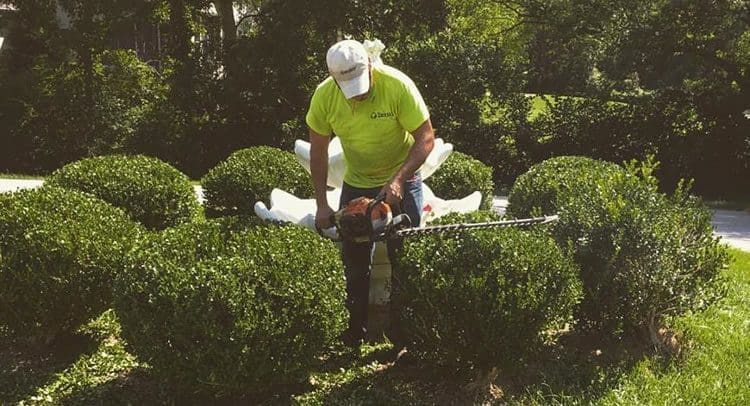
- 📐 The Golden Rule: Always cut the sides of the hedge slightly narrower at the top than the bottom (an A-shape). This allows sunlight to reach the lower branches.
- ⏱️ Timing: Trim evergreen hedges in late spring and late summer. Trim deciduous hedges after they finish flowering.
- 🛠️ Safety First: Always wear safety glasses and thick pruning gloves to protect yourself from flying debris and thorns.
- ☀️ Time of Day: Try to trim in mid-morning after the dew has evaporated, or in the late afternoon to avoid scorching the freshly cut leaves.
Why Trim Your Hedges?
Regular hedge trimming offers several crucial benefits for the health of your plants:
- Maintains Shape and Size: Trimming keeps your hedges neat and tidy, preventing them from becoming overgrown and blocking walkways or starving nearby plants of sunlight.
- Encourages New Growth: Trimming the tips stimulates fresh new growth from the center of the plant, resulting in a thicker, healthier, and more private hedge.
- Improves Airflow and Light Penetration: Regular thinning allows air and light to reach the inner branches, preventing fungal diseases and dead spots.
When to Trim Different Hedges
The best time to trim a hedge depends entirely on the type of plant. Here is my general guide based on seasons:
- Evergreen Hedges: Trim most evergreens like yew, holly, and boxwood in late spring (May-June) and again in late summer (August) before the first frost.
- Deciduous Hedges: Flowering hedges like viburnum and honeysuckle must be trimmed immediately after flowering (usually May-June). If you wait too long, you will cut off next year’s flower buds! Others, like beech and hornbeam, are best trimmed in late summer.
Essential Tools for Hedge Trimming
Having the right tools makes this job a breeze instead of a back-breaking chore. Here is what I keep in my gardening shed:
1. Manual Hedge Shears
Perfect for small hedges, detailed topiary shaping, and making precise cuts on delicate leaves where a power trimmer would cause too much damage.
2. Long-Reach Power Hedge Trimmers
If you have a long, tall privacy hedge, a battery-powered or gas long-reach trimmer is absolutely essential to get the job done quickly and safely without overextending on a ladder.
3. Protective Gear (Gloves & Glasses)
Never trim without protection. Flying wood chips and sap can easily damage your eyes, and thick pruning gloves will protect your hands from blisters and hidden thorns.
Step-by-Step: How to Trim Your Hedges
- Plan your shape: Decide on the shape you want for your hedge. Formal hedges typically have straight sides and a flat top, while informal hedges can be rounded or curved. In areas with heavy snow, I recommend a rounded top to prevent snow from accumulating and crushing the branches.
- Set up a guide: Don’t trust your eyes! For a perfectly straight line, tie a taut string line between two posts at the desired height.
- Start trimming: Begin at the bottom of the hedge and work your way up. Cut with a smooth, sweeping motion, staying slightly behind your guide string.
- Maintain a tapered base: Cut the sides of the hedge slightly narrower at the top than the bottom. This prevents the hedge from becoming bare and woody at the base.
- Clean up: Remove clippings from the base of the hedge to prevent mold and pests. You can shred the clippings and add them to your compost pile!
Shaping Your Hedges
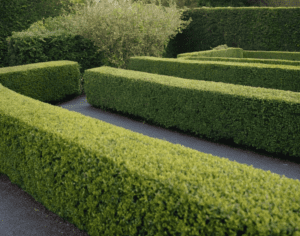
Hedges can be trimmed into specific shapes depending on your garden’s aesthetic:
- Formal Squares: Geometrically precise, with sharp angles and straight lines. These require frequent, highly precise trimming to maintain their shape. Best suited for experienced gardeners.
- Rounded Balls (Topiary): Spherical shapes often used to create focal points. These also demand regular trimming, but they add a beautiful, soft texture to a landscape.
- Informal Slopes: Naturalistic and asymmetrical, with uneven contours. This is the most feasible option for novice gardeners because it requires much less frequent trimming.
Renovating Old, Neglected Hedges
If you have moved into a new house with an overgrown, woody hedge, it can be rejuvenated with a drastic cutback (often called “renovation pruning”).
Identify your hedge type first, as some evergreens (like conifers) will not sprout from old, brown wood. If your hedge is suitable for renovation, cut it back by up to one-third of its height and width in late winter. This drastic shock will stimulate intense new growth in the spring. Once new growth appears, trim the tips regularly to encourage thickening.
Final Thoughts
Following these tips will help you keep your hedges healthy, dense, and looking their best throughout the entire year. Remember, proper trimming is not just about aesthetics—it encourages healthy growth, prevents disease, and adds vital structure to your garden. Grab your shears, set up your string line, and enjoy the incredibly satisfying process of shaping your yard!
🌳 Master Your Landscape
Join our growing community and get my best landscaping tips, pruning guides, and tool recommendations sent straight to your inbox.
100% Free. No spam. Unsubscribe anytime.







Comments are closed.