














Quick answer
How do you grow garlic?
Plant individual garlic cloves in fall, pointy end up, about 2 inches deep and 4 to 6 inches apart in full sun and well-drained soil. Mulch through winter, keep weeds down in spring, harvest when the lower leaves brown in early to midsummer, then cure the bulbs in a dry, airy, shaded place before storage.
Short video idea
Watch: Garlic Explains Why It Belongs in Your Garden
Garlic Growing Cheat Sheet
| Best planting time | Fall, usually after the first killing frost in cold-winter areas |
| Sun | Full sun |
| Soil | Loose, fertile, well-drained soil |
| Planting depth | About 2 inches deep |
| Spacing | 4 to 6 inches apart |
| Harvest | Early to midsummer, when several lower leaves turn brown |
What Is a Garlic Clove?
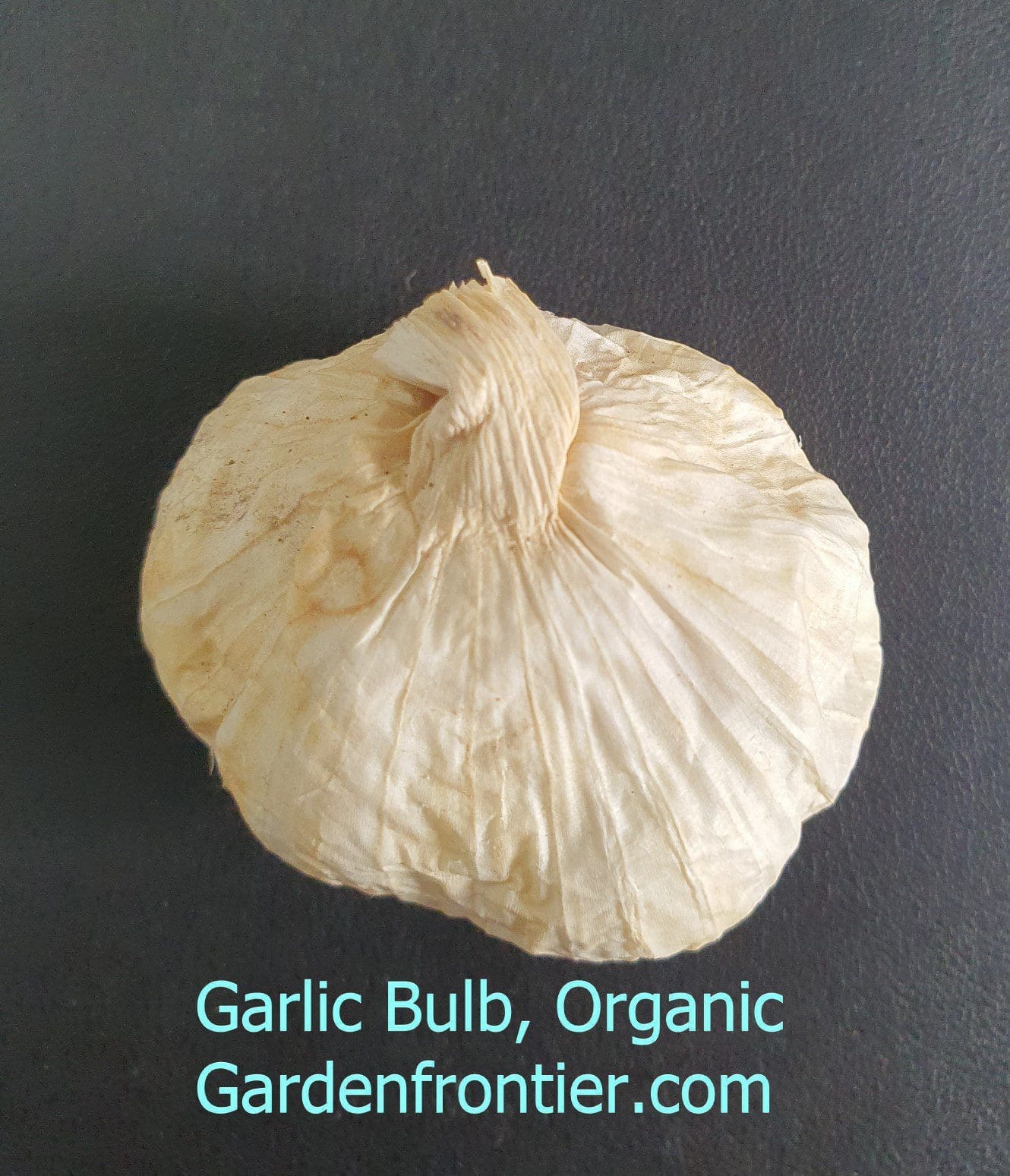
A garlic clove is one of the small individual sections inside a garlic bulb. The whole head you buy at a nursery, farmers market, or grocery store is the bulb. Break that bulb apart and you get cloves. Each clove is both food and planting material.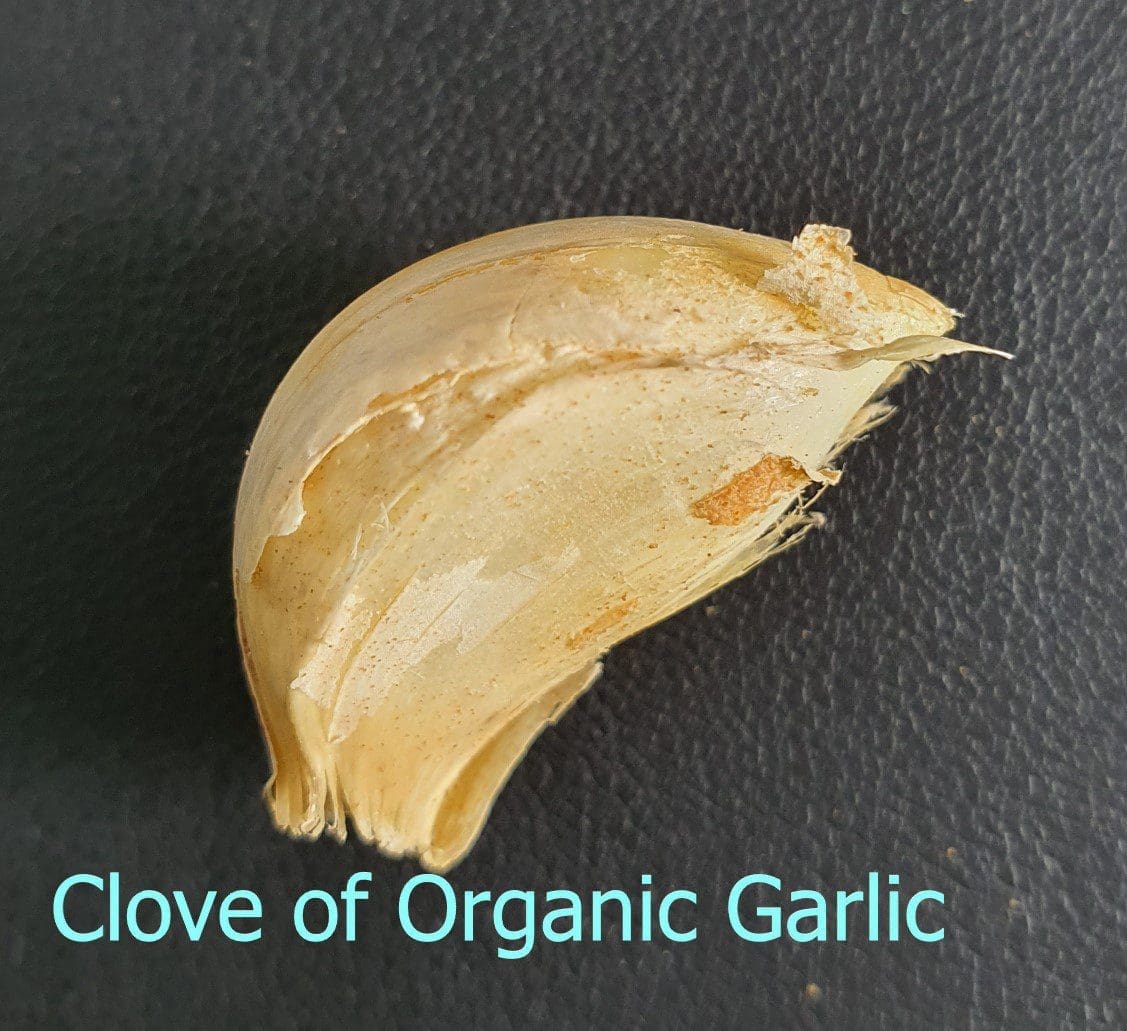
Is Garlic a Vegetable, Herb, or Spice?
Garlic (Allium sativum) is botanically a vegetable in the allium family, along with onions, leeks, shallots, and chives. In the kitchen, most people treat it more like a seasoning because the flavor is so concentrated. Nobody eats garlic like a bowl of carrots unless they are trying to scare both vampires and dinner guests. For gardeners, the classification matters less than the growing habit. Garlic is a bulb crop, and it rewards loose soil, full sun, steady spring moisture, and good curing after harvest.Hardneck vs. Softneck Garlic
Before planting, choose the type that fits your climate and storage goals.Hardneck Garlic
Hardneck garlic is the better choice for many cold-winter gardens. It usually produces larger cloves arranged around a firm central stalk. In late spring or early summer, hardneck garlic sends up curly flower stalks called scapes. Cut those scapes while they are tender and use them in pesto, stir-fries, scrambled eggs, or compound butter. Hardneck bulbs typically do not store as long as softneck types, but the flavor can be excellent and the cloves are easy to peel.Softneck Garlic
Softneck garlic is common in grocery stores and tends to store longer under good conditions. It performs well in milder climates and produces flexible stems that can be braided after curing. If your winters are not very cold, softneck varieties are often the safer bet.Simple variety rule
Cold winters? Start with hardneck garlic. Mild winters and long storage goals? Try softneck garlic. Not sure? Plant a small patch of both and let your garden tell you the truth.
When to Plant Garlic
Fall planting produces the best bulbs in most U.S. gardens. The goal is to give the cloves enough time to form roots before winter, without encouraging too much leafy growth above ground before hard freezes arrive. In cold-winter regions, a good rule is to plant garlic after the first killing frost, while the soil is still workable. In many areas, that lands sometime from October into November. Warmer zones may plant later, sometimes into winter. Spring planting can work if you missed the fall window, but the bulbs are often smaller because the plants have less time to develop. If spring is your only option, plant as early as the soil can be worked.How to Plant Garlic Cloves
Garlic is simple, but the small details matter. Planting upside down, planting in soggy soil, or letting weeds take over can shrink the harvest fast.- Choose healthy bulbs. Use firm, disease-free garlic. Nursery seed garlic is safest because grocery garlic may be treated to delay sprouting or may not suit your climate.
- Separate the cloves right before planting. Keep the papery skin on each clove.
- Prepare the bed. Work in finished compost and loosen the soil. Garlic hates sitting in water.
- Plant pointy end up. The pointed tip faces the sky. The flatter root end faces down.
- Plant about 2 inches deep. Space cloves 4 to 6 inches apart, with rows about 12 inches apart.
- Water after planting. Settle the soil around the cloves, but do not soak the bed into a swamp.
- Mulch in cold climates. Straw, shredded leaves, or clean garden mulch helps protect the bed and reduce winter heaving.
Best Soil and Sun for Garlic
Garlic grows best in full sun with fertile, well-drained soil. Aim for a loose bed with good organic matter. Heavy clay can work if amended, but garlic will punish soggy soil with rot, small bulbs, and sad little plants that look like they lost an argument. If your garden stays wet in winter, use a raised bed or a slightly mounded row. A pH around slightly acidic to neutral is ideal for most vegetable gardens, and garlic generally performs well in the same soil conditions that onions and leeks enjoy.Spring Garlic Care
When growth resumes in spring, garlic wants two things from you: weed control and steady moisture. Garlic leaves are narrow and do not shade the soil much, so weeds can steal light, water, and nutrients quickly.- Keep the bed weed-free. Hand weed carefully so you do not disturb the shallow roots.
- Water during dry spells. Garlic needs consistent moisture while bulbs are sizing up.
- Feed lightly if growth is weak. Compost or a balanced organic fertilizer can help in early spring.
- Stop heavy watering near harvest. Too much moisture late in the season can reduce storage quality.
Should You Cut Garlic Scapes?
If you grow hardneck garlic, yes, cut the scapes when they curl and are still tender. Removing scapes helps the plant put more energy into the bulb instead of the flower stalk. The bonus is that scapes taste fantastic. They have a fresh garlic flavor without the full punch of a raw clove. Use chopped scapes in pasta, omelets, compound butter, soups, grilled vegetables, or quick pesto. This is the part of growing garlic that grocery shoppers rarely get to experience.When to Harvest Garlic
Garlic is usually ready in early to midsummer. The classic sign is browning lower leaves while several upper leaves remain green. If you harvest too early, the bulbs may be small. If you wait too long, the wrappers can split, and the bulbs may not store well. Do not yank garlic out by the leaves. Loosen the soil with a garden fork or shovel, then lift the bulbs carefully. Bruised bulbs and cut wrappers shorten storage life, so treat fresh garlic like something you actually want to keep.How to Cure Garlic
Curing dries the outer wrappers, necks, and roots so the bulbs store longer. Lay freshly harvested garlic in a dry, shaded, well-ventilated place for about two to four weeks. A covered porch, airy shed, garage with airflow, or shaded rack can work. Keep bulbs out of direct sun while curing. Once the necks and roots are dry, brush off loose soil. Do not wash the bulbs before storage. Trim the roots and cut stems about an inch above the bulb, or braid softneck garlic if you left the stems intact.How to Store Garlic
Store cured garlic in a cool, dry, dark, well-ventilated place. Mesh bags, slatted crates, hanging bunches, or braids all work. Avoid sealed plastic bags because trapped moisture invites mold. Softneck garlic usually stores longer than hardneck garlic. Use any damaged bulbs first, save your biggest healthy bulbs for fall planting, and keep the rest for cooking.Storage tip
Do not store fresh garlic in oil at room temperature. Garlic-in-oil mixtures can create a food safety risk if not handled correctly. Refrigerate prepared garlic oil and follow trusted food preservation instructions.
Garlic Benefits: What It Can and Cannot Do
Garlic has a long history in food and traditional wellness, but it is not magic medicine. The strongest modern evidence is mostly about garlic supplements, not a random extra clove tossed into spaghetti sauce. That does not make fresh garlic useless. It simply means the claims should stay honest. Garlic contains sulfur compounds that form when cloves are chopped, crushed, or chewed. That chemistry helps explain garlic’s strong smell, sharp flavor, and much of the research interest around it.1. Garlic Adds Big Flavor With Very Few Calories
Garlic is a powerful way to make vegetables, soups, sauces, marinades, beans, and roasted meats taste better without relying heavily on sugar or ultra-processed sauces. That may be its most practical daily benefit: it makes real food easier to enjoy.2. Garlic Supplements May Modestly Support Cholesterol and Blood Pressure
According to the National Center for Complementary and Integrative Health, garlic supplements may reduce total cholesterol and LDL cholesterol to a small extent in people with high cholesterol. Limited evidence also suggests garlic supplements may reduce blood pressure to a small extent in people with high blood pressure. That is promising, but it is not a reason to replace prescribed medication. Think of garlic as a food with potential wellness upside, not a DIY cardiology plan.3. Garlic May Support a More Flavorful, Plant-Forward Diet
Garden-grown garlic makes it easier to cook vegetables in ways people actually want to eat. Sautéed greens, roasted broccoli, tomato sauce, lentil soup, grilled zucchini, and salad dressings all improve with fresh garlic. That matters because healthy eating only works long term if the food tastes good.4. Garlic Has Safety Considerations
Food amounts of garlic are safe for most people, but concentrated supplements are a different conversation. Garlic can cause bad breath, body odor, heartburn, upset stomach, and allergic reactions in some people. It may also increase bleeding risk, especially for people taking blood thinners or preparing for surgery. If you take anticoagulant or antiplatelet medication, have a bleeding disorder, are scheduled for surgery, or are managing a medical condition, ask a clinician before using garlic supplements.Best Ways to Use Fresh Garlic
Fresh garlic can go soft and sweet, sharp and hot, or rich and nutty depending on how you prepare it.- Raw: Strongest bite. Use sparingly in dressings, dips, salsa, and garlic butter.
- Sautéed: Classic for soups, sauces, stir-fries, beans, and greens. Do not burn it.
- Roasted: Sweet, mellow, spreadable, and excellent on bread or mixed into mashed potatoes.
- Fermented or pickled: Great for adventurous cooks who want longer preservation options.
- Scapes: Use like a green garlic herb in pesto, eggs, pasta, and grilled vegetables.
Easy Garden Garlic Dressing
Mix: 1 small crushed garlic clove, 3 tablespoons extra virgin olive oil, 1 tablespoon lemon juice or vinegar, a pinch of sea salt, black pepper, and a little Dijon mustard if you like it creamy.Let it sit for 5 minutes, then toss with salad greens, roasted vegetables, grilled zucchini, or tomato cucumber salad.
Common Garlic Growing Mistakes
- Planting small cloves: Tiny cloves usually produce smaller bulbs.
- Planting upside down: The pointy end should face up.
- Using soggy soil: Garlic needs drainage. Wet soil can rot bulbs.
- Letting weeds win: Garlic does not compete well with weeds.
- Harvesting too late: Split wrappers reduce storage life.
- Skipping curing: Fresh garlic is delicious, but uncured bulbs will not store the same way.
FAQ: Growing and Using Garlic
Can you plant garlic from the grocery store?
You can, but it is not the best choice. Grocery garlic may be treated to delay sprouting, may carry disease, or may not be adapted to your climate. Seed garlic from a reputable grower is safer for a garden bed.What month do you plant garlic?
In many U.S. gardens, garlic is planted in fall, often October or November, depending on the local frost pattern. Cold regions usually plant after the first killing frost while the soil is still workable. Mild regions may plant later.How deep should garlic cloves be planted?
Plant garlic cloves about 2 inches deep with the pointed end facing up. In very cold climates, mulch helps protect the bed through winter.Does garlic need full sun?
Yes. Garlic grows best in full sun. It can tolerate a little light shade, but stronger sun usually means stronger plants and better bulbs.How do you know when garlic is ready to harvest?
Harvest garlic when several lower leaves have turned brown but the upper leaves still have some green. Carefully dig the bulbs instead of pulling them by the stems.Do you have to cure garlic?
You do not have to cure garlic if you plan to use it right away. For storage, curing is important because it dries the wrappers, roots, and neck so the bulbs keep longer.Is raw garlic better than cooked garlic?
Raw garlic has a sharper flavor and different sulfur compound activity after chopping or crushing. Cooked garlic is milder and often easier to digest. Both are useful in the kitchen.Can garlic supplements replace medication?
No. Garlic supplements should not replace prescribed medication. Anyone taking blood thinners, managing high blood pressure, preparing for surgery, or dealing with a medical condition should speak with a healthcare professional before using garlic supplements.Final Takeaway
Garlic is one of the easiest high-value crops a home gardener can grow. Plant cloves in fall, keep the bed sunny and weed-free, harvest at the right moment, cure the bulbs properly, and you can stock your kitchen with real homegrown flavor for months. Start small if you are new to it. Plant one row this fall, save the biggest bulbs for replanting, and you may never look at a supermarket garlic sleeve the same way again.Grow Better Food at Home
Join the Garden Frontier newsletter for practical vegetable planting tips, harvest reminders, and simple garden-to-table ideas.
100% free. No spam. Unsubscribe anytime.
Editorial Sources
- University of Minnesota Extension: Growing Garlic in Home Gardens
- UMass Extension: Garlic Harvest, Curing, and Storage
- Oregon State University Extension: Preserving Garlic
- NCCIH: Garlic Usefulness and Safety