
















Mondo grass and liriope are often confused because both look like grass, stay green in mild climates, spread into clumps, and work beautifully as edging or ground cover. I have seen both sold as “monkey grass,” which only adds to the confusion.
The easiest way to tell them apart is size and texture. Mondo grass is usually shorter, finer, and more delicate. Liriope is taller, broader-leaved, and usually has more noticeable purple, lavender, or white flower spikes.
If you want a low, neat, shade-friendly ground cover, mondo grass is often the better fit. If you want a stronger border plant with more height and showier flowers, liriope usually wins.
🌿 Quick Answer: Mondo Grass vs Liriope
- Mondo grass: Shorter, finer-textured, better for shady borders, between stepping stones, and low ground cover.
- Liriope: Taller, broader leaves, showier flowers, better for edging, mass planting, slopes, and tougher landscape borders.
- Biggest difference: Liriope usually grows 12 to 24 inches tall, while mondo grass usually stays around 6 to 12 inches tall.
- Best for sun: Liriope usually handles more sun than mondo grass.
- Best for tight spaces: Mondo grass, especially dwarf mondo grass.
Mondo Grass vs Liriope: Comparison Chart
| Feature | Mondo Grass | Liriope |
|---|---|---|
| Botanical Name | Ophiopogon japonicus | Liriope muscari or Liriope spicata |
| Typical Height | 6 to 12 inches; dwarf types can stay around 2 to 4 inches | 12 to 24 inches; some large types can grow taller |
| Leaf Texture | Fine, narrow, grass-like leaves | Broader, thicker, more strap-like leaves |
| Flowers | Small white or pale lavender flowers, often hidden in foliage | More visible purple, lavender, pink, or white flower spikes |
| Best Light | Part shade to shade | Full sun to shade, depending on variety and climate |
| Spreading Habit | Slow to moderate clumping spread | L. muscari clumps; L. spicata spreads aggressively |
| Best Uses | Shade ground cover, stepping stones, low edging, containers | Borders, slopes, mass planting, driveway edging, foundation beds |
What Is Mondo Grass?
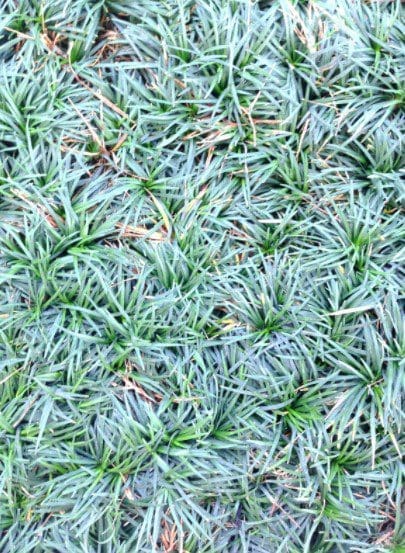
Mondo grass is a low-growing evergreen perennial with narrow, grass-like leaves. Despite the name, it is not true lawn grass. It belongs to a group of lily-like plants and is commonly used as a ground cover, border plant, edging plant, or lawn substitute in shady spots.
The most common type is Ophiopogon japonicus. It usually grows 6 to 12 inches tall, though dwarf mondo grass stays much shorter and is often used between stepping stones or along paths.
Mondo grass has a fine texture that looks softer and lower than liriope. Its flowers are usually small and partly hidden by the foliage, so gardeners grow it mostly for its evergreen leaves rather than showy blooms.
What Is Liriope?
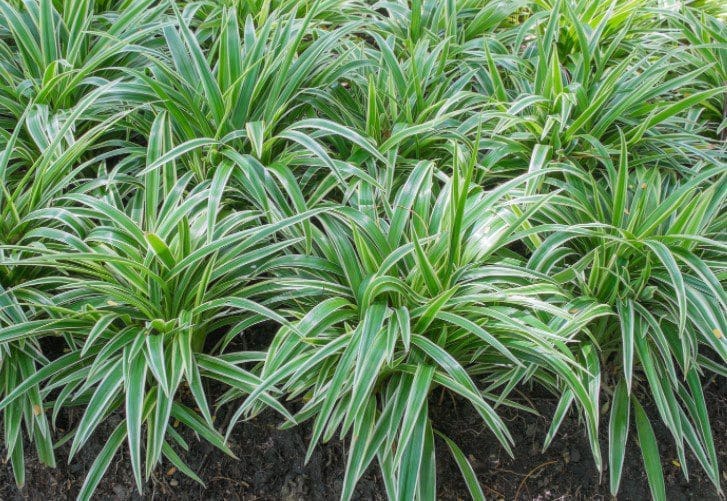
Liriope is another grass-like evergreen perennial commonly used as ground cover or edging. It is also often called lilyturf or monkey grass. This is where confusion starts, because many people use “monkey grass” for both liriope and mondo grass.
Liriope is generally taller and bolder than mondo grass. Liriope muscari usually grows in clumps and is popular for borders. Liriope spicata, often called creeping liriope, spreads more aggressively and is better suited for larger ground cover areas where it has room to move.
Liriope also has more noticeable flower spikes, usually in purple, lavender, or white. These flowers rise above the foliage in summer and can add color where many ground covers stay mostly green.
Biggest Differences Between Mondo Grass and Liriope
1. Height
Height is the fastest way to separate the two. Mondo grass is usually shorter, while liriope creates a taller, more obvious border.
Use mondo grass when you want a low ground cover. Use liriope when you want a stronger visual edge or taller clumps.
2. Leaf Width
Mondo grass leaves are narrow and fine. Liriope leaves are broader, thicker, and more strap-like.
If the plant looks delicate and low, it is probably mondo grass. If it looks bolder and more upright, it is likely liriope.
3. Flowers
Liriope has showier flowers. Its flower spikes can be purple, lavender, pinkish, or white depending on the variety. Mondo grass also flowers, but the blooms are usually smaller and less noticeable.
4. Sun Tolerance
Liriope usually handles more sun than mondo grass, especially in mild or humid regions. Mondo grass prefers part shade or filtered light and can burn in harsh full sun.
5. Spreading Habit
Mondo grass spreads slowly to moderately. Liriope depends on the species. Liriope muscari is clumping and easier to control. Liriope spicata spreads more aggressively and can move into beds or turf if not managed.
Best Uses for Mondo Grass
I like mondo grass in tight, shady areas where taller plants would look messy. Its low profile makes it useful in small garden details.
- Between stepping stones: Dwarf mondo grass stays low enough to avoid tripping.
- Shady borders: It creates a clean green edge without much height.
- Under trees: It can work where turf grass struggles.
- Asian-inspired gardens: Its fine texture fits quiet, simple planting designs.
- Containers: It works as a low filler around taller plants.
- Small slopes: It can help cover soil where mowing is difficult.
Best Uses for Liriope
Liriope is better when you want a tougher, more visible planting. It has more presence than mondo grass and can handle bigger landscape jobs.
- Driveway edging: Liriope creates a strong, durable border.
- Sidewalk borders: It gives a clean line with seasonal flowers.
- Mass planting: It fills large beds with dependable foliage.
- Slopes and banks: It can help cover soil and reduce erosion.
- Foundation beds: Taller types work well under low windows or around shrubs.
- Tree shade: It can fill areas where grass is thin.
Mondo Grass Care
Mondo grass is low-maintenance once established, but it looks best when planted in the right light and soil.
Light
Mondo grass prefers part shade, filtered sun, or shade. In hot climates, too much direct afternoon sun can cause leaf burn or faded foliage.
Soil
Plant mondo grass in well-drained soil. It can tolerate some dryness once established, but it dislikes soggy soil that stays wet for long periods.
Water
Keep new plantings evenly moist while roots establish. After that, mondo grass is fairly drought tolerant, though it looks better with occasional water during dry periods.
Fertilizer
Mondo grass does not need heavy feeding. A light application of balanced garden fertilizer in spring can help new growth, especially in poor soil.
Pruning
If foliage looks tattered after winter, trim it back in late winter or very early spring before new growth begins. Do not cut too close to the crown.
Liriope Care
Liriope is one of those plants that survives a lot of neglect, but it still performs better with basic care.
Light
Liriope can grow in full sun, part shade, or shade, depending on the variety and climate. Variegated types often color better with more light, while dark green types tolerate shade well.
Soil
Liriope prefers well-drained soil but is adaptable. It handles average garden soil better than many fussier ground covers.
Water
Water new plantings until established. Mature liriope is drought tolerant, but it will look fuller with occasional watering during long dry spells.
Fertilizer
A balanced fertilizer in spring is usually enough for most liriope plantings. In poor soil, a second light feeding in early summer may help.
Pruning
Cut liriope back in late winter or early spring before fresh growth appears. Many gardeners use hand pruners, hedge shears, a string trimmer, or a mower set high. Avoid cutting into the crowns.
Popular Mondo Grass Varieties
Standard Mondo Grass
Standard mondo grass has narrow green leaves and grows around 6 to 12 inches tall. It is a dependable ground cover for shaded borders and small beds.
Dwarf Mondo Grass
Dwarf mondo grass stays much shorter, often around 2 to 4 inches tall. It is excellent between stepping stones, along patios, and in small-scale gardens.
Black Mondo Grass
Black mondo grass has very dark purple-black foliage. It grows slowly and is usually used as an accent plant rather than a large ground cover. It looks especially good next to light gravel, gold foliage, or bright green ground covers.
Variegated Mondo Grass
Variegated mondo grass has green-and-white or silver-striped foliage. It can brighten shady corners, but it may grow slower than standard green forms.
Popular Liriope Varieties
Liriope muscari
Liriope muscari is the clumping type most often used as edging. It has broad leaves and purple or white flower spikes, depending on the cultivar.
Liriope spicata
Liriope spicata spreads more aggressively by underground runners. It can be useful as a ground cover in large areas, but it is not my first choice for tight edging near lawns or delicate flower beds.
Variegated Liriope
Variegated liriope has striped foliage, usually green with cream, yellow, or white margins. It can brighten borders and often performs well with some sun.
Big Blue Liriope
‘Big Blue’ is one of the most common liriope selections. It forms clumps of dark green foliage with purple flower spikes and works well in borders and mass plantings.
Monroe’s White Liriope
‘Monroe’s White’ produces white flowers instead of purple. It is useful when you want the texture of liriope but prefer a softer flower color.
Spacing Mondo Grass and Liriope
Spacing depends on how quickly you want coverage and how much you are willing to spend at planting time.
| Plant | Suggested Spacing | Best Use |
|---|---|---|
| Dwarf Mondo Grass | 3 to 4 inches apart | Stepping stones, small borders, tight ground cover |
| Standard Mondo Grass | 4 to 6 inches apart | Shade ground cover and edging |
| Liriope muscari | 8 to 12 inches apart | Borders, edging, mass planting |
| Liriope spicata | 12 inches or more apart | Large ground cover areas where spreading is acceptable |
How to Divide Mondo Grass and Liriope
Both plants are easy to divide. This is one reason gardeners pass them along so often.
- Lift the clump: Use a garden fork or shovel to lift an established clump.
- Shake off loose soil: Remove enough soil so you can see the roots and crowns.
- Separate sections: Pull apart loose clumps by hand or cut tight clumps with a sharp knife or spade.
- Trim damaged roots: Remove dead, mushy, or overly long roots.
- Replant quickly: Plant divisions at the same depth they were growing before.
- Water well: Keep divisions moist until they establish.
If you buy larger pots of mondo grass or liriope, you can often divide each pot into several smaller sprigs before planting. This saves money on large ground cover areas, but the planting will take longer to fill in.
Common Problems
Brown Winter Foliage
Mondo grass and liriope can look rough after cold winters. Brown foliage is common and does not always mean the plant is dead. Trim old foliage in late winter before new growth starts.
Leaf Burn
Mondo grass can burn in hot direct sun. If foliage turns pale, crispy, or scorched, the plant may need more shade or more consistent moisture.
Root Rot
Both plants dislike soggy soil. Root rot is more likely in poorly drained areas or where irrigation keeps the soil wet for too long.
Aggressive Spreading
Liriope spicata can spread aggressively. Use it only where you want a spreading ground cover, not where you need a tidy, controlled border.
Foot Traffic Damage
Although they look grass-like, mondo grass and liriope are not turf grass. They tolerate light brushing but not regular walking.
Which One Should You Plant?
Choose mondo grass if you want a low, fine-textured ground cover for shade, stepping stones, containers, or small borders.
Choose liriope if you want a taller, tougher border plant with showier flowers and stronger visual impact.
For tight formal spaces, I prefer mondo grass. For driveway edging, slopes, and larger beds, I usually prefer liriope. For areas where spreading could become a problem, avoid creeping liriope unless you are ready to manage it.
📚 More Ground Cover & Garden Guides
Planning a low-maintenance garden bed? These guides can help:
Frequently Asked Questions
Is mondo grass the same as liriope?
No. Mondo grass and liriope are different plants. Mondo grass is usually shorter and finer-textured, while liriope is taller with broader leaves and showier flower spikes.
Which is better, mondo grass or liriope?
Mondo grass is better for low shade ground cover and tight spaces. Liriope is better for taller edging, mass planting, slopes, and areas where you want more visible flowers.
Does mondo grass spread?
Yes, mondo grass spreads slowly to moderately by underground growth, but it is usually easier to control than creeping liriope.
Does liriope spread aggressively?
Some types do. Liriope muscari usually forms clumps, while Liriope spicata spreads more aggressively and can move into nearby beds or lawn areas.
Can mondo grass grow in full sun?
Mondo grass can tolerate some sun, but it usually looks best in part shade or filtered light. In hot climates, full afternoon sun can cause leaf burn.
Can liriope grow in shade?
Yes, liriope can grow in shade, though flowering may be stronger with more light. It is one of the more adaptable ground covers for sun-to-shade conditions.
When should you cut back mondo grass and liriope?
Cut them back in late winter or early spring before new growth appears. This removes damaged foliage and helps the planting look fresh.
Can you use mondo grass or liriope as a lawn substitute?
Yes, both can be used as low-maintenance ground covers where turf grass struggles, especially in shade. However, they are not true lawn grasses and do not tolerate regular foot traffic well.
Which is best between stepping stones?
Dwarf mondo grass is usually the best choice between stepping stones because it stays very low and has a fine texture.