














A Solo Stove review can get weirdly unhelpful if it only says “smokeless fire pit = good.” That part is easy. The harder question is whether you should buy the Solo Stove Bonfire 2.0, step up to the Yukon 2.0, or keep things small with the Ranger 2.0.
I would not choose by hype. I would choose by where the fire pit will actually live. A small patio, a wood deck, an RV setup, a big backyard and a permanent seating area all push you toward different Solo Stove models. The Bonfire is the safe middle. The Yukon is the backyard centerpiece. The Ranger is the portable one that makes sense only if you are honest about log size and seating.
The big improvement with the 2.0 line is cleanup. Older Solo Stove fire pits made you tip the whole unit upside down to dump ash, which was annoying after the honeymoon phase wore off. The 2.0 models added a removable base plate and ash pan, which makes routine cleanup much easier and is one of the main reasons I would avoid older versions unless the price is very good.
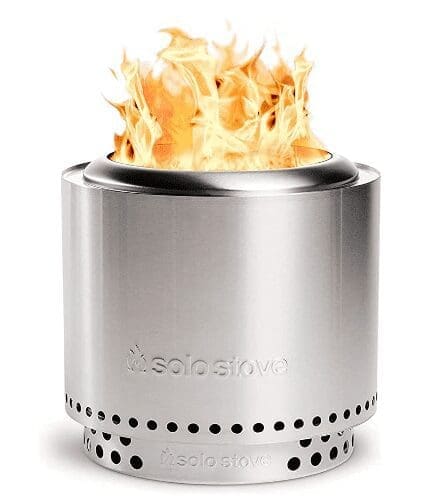
- Best for most backyards: Solo Stove Bonfire 2.0. It is the easiest recommendation for patios, small gatherings and normal 16-inch firewood.
- Best for large yards: Solo Stove Yukon 2.0. It throws more heat, fits larger logs and feels like a permanent backyard feature.
- Best for camping and small patios: Solo Stove Ranger 2.0. It is light and portable, but you need shorter wood pieces.
- Best accessory to buy first: The Stand if you are using the fire pit on a deck, patio surface or heat-sensitive area.
- Biggest buying mistake: Buying the Yukon because it looks impressive, then realizing it eats firewood fast and is too large for casual weeknight fires.
Start with size and use case before you start chasing a sale. The wrong Solo Stove is usually not “bad” — it is just too small, too large or too annoying for how you actually burn wood.
| Model | Best For | What to Know | Check Price |
|---|---|---|---|
| Solo Stove Bonfire 2.0 | Most patios and backyards | The best balance of heat, portability, firewood size and everyday use. | Amazon |
| Solo Stove Yukon 2.0 | Large backyards and gatherings | Big heat and big presence, but heavier and much hungrier for wood. | Amazon |
| Solo Stove Ranger 2.0 | Camping, RVs and small patios | Portable and efficient, but standard firewood usually needs cutting down. | Amazon |
| Solo Stove Stand | Deck and patio protection | Raises the fire pit and improves airflow underneath. Match the stand to your exact model. | Amazon |
| Solo Stove Heat Deflector | More warmth around the seating area | Helps push heat outward instead of letting most of it rise straight up. | Amazon |
If you are comparing Solo Stove fire pits, stands, covers, heat deflectors or patio accessories on Amazon, it is worth checking whether a Prime trial or discounted Prime plan is available before checkout.
Good fit for: fire pits, covers, stands, wood racks, heat-resistant gloves, fire starters and other outdoor living gear you may want delivered quickly.
Disclosure: Garden Frontier may earn a commission or bounty from eligible Amazon sign-ups. Prime terms, eligibility, pricing and benefits can change.
Solo Stove Ranger vs Bonfire vs Yukon: Size Comparison
The easiest way to choose a Solo Stove is to picture the actual seating circle. Not the fantasy version with twelve friends and matching Adirondack chairs. The real one. Two chairs on a small patio? Ranger. Four to six people in a normal backyard? Bonfire. Big open seating area where the fire pit becomes the centerpiece? Yukon.
| Model | Diameter | Weight | Best Fit | Main Tradeoff |
|---|---|---|---|---|
| Ranger 2.0 | 15 inches | About 15 lb | Camping, RVs, small patios, 2–4 people. | Standard logs usually need cutting shorter. |
| Bonfire 2.0 | 19.5 inches | About 22–23 lb | Most patios, backyards and 4–6 person seating areas. | Can feel small for larger parties. |
| Yukon 2.0 | 27 inches | About 41–44 lb | Large backyards, permanent fire pit areas and bigger gatherings. | Heavy, less portable and burns through wood faster. |
Can You Put a Solo Stove on a Wood Deck?
Yes, a Solo Stove can be used on a wood or composite deck only when you set it up correctly and follow the manufacturer’s safety guidance. The big rule is simple: do not place the hot fire pit directly on heat-sensitive surfaces.
If I were using one on a deck, the Solo Stove Stand would not be optional. The stand raises the fire pit and allows airflow underneath, which helps reduce heat transfer to the surface below. I would also keep the fire pit away from siding, railings, cushions, umbrellas, dry leaves, overhead structures and anything else that can melt, scorch or catch fire.
Use the correct stand for your exact Solo Stove model, follow the manual, keep clearance around the fire pit and never use a wood-burning fire pit under a covered porch, inside a garage, near open windows or in an enclosed space.
Check Solo Stove Stands on Amazon
How Smokeless Is a Solo Stove?
Solo Stove fire pits are low-smoke, not magic portals where smoke disappears forever. The double-wall airflow design helps the fire burn hotter and more completely once the wood is dry, the fire is established and the stove reaches that secondary combustion stage.
During startup, damp wood, overloaded logs or a weak fire can still smoke. If you toss in wet firewood and expect a clean blue-flame miracle, the fire pit will quietly expose your optimism. Dry hardwood matters. So does not overfilling the burn chamber.
- Use dry wood: Wet wood creates smoke no fire pit can fully hide.
- Do not overfill: Keep wood below the upper vent holes.
- Let the fire heat up: Secondary combustion improves after the fire is established.
- Clean ash regularly: Better airflow means better burn quality.
- Watch wind direction: Even a low-smoke fire pit can send some smoke sideways in gusty conditions.
Solo Stove Bonfire 2.0 Review
The Solo Stove Bonfire 2.0 is the model I would recommend first to most homeowners. It is large enough to feel like a real backyard fire pit, but not so large that every casual fire turns into a wood-feeding commitment.
Bonfire is the sweet spot because it fits many normal patio setups. It handles standard firewood better than the Ranger, moves easier than the Yukon and has enough flame presence for four to six people sitting around it. If you are buying one Solo Stove for the backyard and do not want to overthink it, Bonfire is usually where I would start.
- Best for: Most patios, suburban backyards and 4–6 person seating areas.
- Pros: Balanced size, easier to move than Yukon, works with normal firewood, removable ash pan.
- Cons: Not as dramatic as Yukon for large gatherings and still needs accessories for deck use or better heat direction.
Check Solo Stove Bonfire 2.0 on Amazon
Solo Stove Yukon 2.0 Review
The Solo Stove Yukon 2.0 is the model for people who want the fire pit to dominate the backyard seating area in a good way. It is wide, impressive and better for larger groups. It also consumes firewood faster, takes up more space and is not nearly as grab-and-go as Bonfire or Ranger.
I would choose Yukon if the fire pit has a dedicated spot and you regularly host bigger gatherings. I would not choose it for a small deck, a narrow patio or a household that wants one quick fire after dinner and then easy cleanup.
- Best for: Large backyards, bigger seating areas and 6–10 person gatherings.
- Pros: Big flame, strong heat presence, fits larger logs, impressive centerpiece.
- Cons: Heavy, less portable, uses more firewood and can overpower smaller spaces.
Check Solo Stove Yukon 2.0 on Amazon
Solo Stove Ranger 2.0 Review
The Solo Stove Ranger 2.0 is the portable one. It makes the most sense for RV camping, car camping, tailgating, tiny patios and buyers who need something easy to move and store.
The tradeoff is fuel size. Standard firewood is usually too long unless you cut it down. That sounds minor until you are standing outside with a bundle of wood and realizing every log needs a second job interview before it fits. If you want true convenience at home, Bonfire is easier. If you want portability, Ranger wins.
- Best for: RVs, camping, small patios, tailgates and 2–4 person fires.
- Pros: Light, compact, easy to store, fast to heat up.
- Cons: Smaller heat circle and shorter wood requirement.
Check Solo Stove Ranger 2.0 on Amazon
Solo Stove Accessories I Would Compare
Solo Stove accessories can make the fire pit safer, warmer and easier to live with. They can also turn a simple purchase into a very expensive outdoor toy shelf if you buy everything at once. I would prioritize based on where you use the fire pit.
| Accessory | Why It Helps | Priority |
|---|---|---|
| Stand | Raises the fire pit for safer use on approved surfaces and improves airflow underneath. | High if using on deck or patio. |
| Shield / spark screen | Helps reduce escaping sparks, especially with crackly wood. | High around kids, pets or dry landscaping. |
| Heat deflector | Pushes more heat outward toward people instead of straight up. | High in cooler climates. |
| Cover / shelter | Protects the stainless steel fire pit from weather and debris. | High for outdoor storage. |
| Pellet adapter | Lets compatible models burn pellets instead of firewood. | Optional convenience upgrade. |
Shop Solo Stove Accessories on Amazon
Is Solo Stove Worth It?
Solo Stove is worth it if you want a cleaner-burning, better-looking wood fire pit and you will actually use it often enough to justify the price. The real value is not just “less smoke.” It is the combination of airflow design, stainless steel build, easier cleanup on 2.0 models and a large accessory ecosystem.
It may not be worth it if you only want one cheap fire per year, do not want to buy dry firewood, or expect a smokeless fire pit to behave like a propane heater. A Solo Stove still needs wood, airflow, ash cleanup and safe placement.
Common Solo Stove Buying Mistakes
- Buying too large: Yukon is impressive, but it can be overkill for a small patio.
- Buying too small: Ranger is portable, but it can feel tiny as a main backyard fire pit.
- Skipping the stand: Bad idea on decks, composite surfaces and many patios.
- Using wet wood: Wet wood smokes, hisses and makes the fire pit look worse than it is.
- Overfilling the fire pit: Keep wood below the upper vent holes for proper airflow.
- Ignoring heat direction: Most heat rises. A heat deflector can matter in cool weather.
- Leaving it uncovered outside: Stainless steel is durable, but outdoor storage still benefits from a cover.
- Assuming “smokeless” means zero smoke: Startup and poor wood can still smoke.
Final Verdict
If I were buying one Solo Stove for a normal backyard, I would buy the Bonfire 2.0. It has the best balance of size, portability, heat, wood compatibility and cleanup. It is big enough to feel satisfying without turning every fire into a full-scale wood consumption event.
Choose the Yukon 2.0 if you have a large permanent fire pit area and regularly host groups. Choose the Ranger 2.0 if portability matters more than backyard presence. And whichever model you choose, budget for the Stand if deck or patio safety matters. That accessory is not glamorous, but neither is explaining scorch marks on a deck.
Frequently Asked Questions About Solo Stove
Which Solo Stove is best for most people?
The Solo Stove Bonfire 2.0 is the best fit for most people because it balances backyard heat, portability, standard firewood size and everyday usability.
Is Solo Stove really smokeless?
Solo Stove fire pits are low-smoke once the fire is hot and burning dry wood properly. They can still smoke during startup, in windy conditions or when wet wood is used.
Can you put a Solo Stove on a wood deck?
You can use a Solo Stove on a wood deck only when you follow the manufacturer’s safety guidance and use the correct stand or approved heat-protection setup. Never place a hot fire pit directly on heat-sensitive surfaces.
What is the difference between Solo Stove Bonfire and Yukon?
Bonfire is the medium-size model for most patios and backyards. Yukon is larger, heavier, hotter and better for big seating areas or larger gatherings.
Is Solo Stove Ranger too small?
Ranger can be too small as a main backyard fire pit, but it is excellent for camping, RVs, small patios and portable use. The main drawback is that standard firewood often needs to be cut shorter.
Does Solo Stove give off enough heat?
Solo Stove fire pits give off good heat, but much of the warmth rises. A heat deflector can help push more heat outward toward people sitting around the fire.
What wood works best in a Solo Stove?
Dry seasoned hardwood works best. Wet or green wood creates more smoke and makes it harder to reach the clean secondary burn Solo Stove is known for.
Is the Solo Stove 2.0 ash pan worth it?
Yes. The removable ash pan and base plate on 2.0 models make cleanup much easier than older versions that required tipping the fire pit over to dump ash.
Do you need a Solo Stove stand?
You need a stand if you are using the fire pit on a deck, patio surface or any heat-sensitive area where airflow and surface protection matter. Match the stand to your exact Solo Stove model.
Can you cook on a Solo Stove?
You can cook on a Solo Stove with compatible accessories, but the basic fire pit is mainly designed for fire enjoyment. Use cooking accessories made for your model and follow safety instructions.
Join our home and garden community for outdoor living ideas, patio upgrades, fire pit tips and practical backyard product comparisons.
100% Free. No spam. Unsubscribe anytime.