












If you are wondering what to put on a tree stump to kill it, the most common options are potassium nitrate stump remover, Epsom salt, high-nitrogen fertilizer, or a professional stump-grinding service for the fastest clean result.
I have dealt with enough leftover stumps to know the real problem is not always cutting the tree down. The annoying part is what remains afterward: a hard, ugly stump sitting in the yard, sending up shoots, attracting insects, blocking mowing, and making the whole area look unfinished.
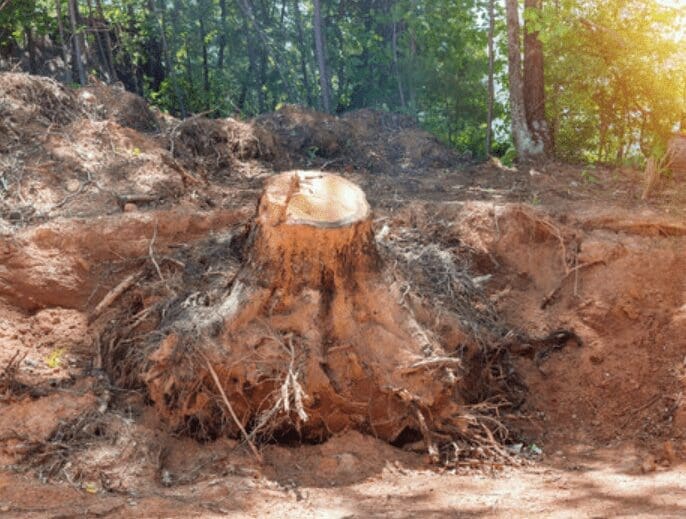
The old-school answer was usually “just burn it” or “dig it out.” Both can work in some situations, but both can also be risky, messy, exhausting, or illegal depending on where you live.
For most homeowners, the smarter approach is to choose the stump removal method based on your timeline:
- Want the fastest result? Hire a stump grinder.
- Want a DIY chemical method? Use potassium nitrate stump remover according to the label.
- Want a slower, low-cost method? Use Epsom salt or high-nitrogen fertilizer to speed decomposition.
- Want it gone today without grinding? Manual digging is possible, but only for smaller stumps.
The key is to kill or decay the stump without damaging nearby plants, contaminating the soil, starting an unsafe fire, or creating a bigger yard problem than you started with.
Quick Answer: What Should You Put on a Tree Stump to Kill It?
The best thing to put on a tree stump to kill it is a stump remover product containing potassium nitrate, applied into deep drilled holes according to the label directions. Epsom salt can also help dry and weaken a stump over time, while high-nitrogen fertilizer can speed natural decay. For large stumps, stump grinding is usually the fastest and cleanest solution.
Safety First
Always wear gloves and eye protection when drilling, cutting, digging, or applying stump remover. Keep children and pets away from treated stumps, follow product labels, and check local rules before burning anything outdoors.
Best Ways to Kill or Remove a Tree Stump
There is no single best method for every stump.
A small softwood stump in loose soil can sometimes be dug out by hand. A large oak stump near a patio may need professional grinding. A stump in a hidden corner of the yard may simply need to be killed and allowed to rot over time.
| Method | Best For | Speed | Main Drawback |
|---|---|---|---|
| Potassium Nitrate Stump Remover | DIY chemical stump decay | Weeks to months | Requires drilling and patience |
| Epsom Salt | Low-cost slow stump drying | Months or longer | Slow and inconsistent on large stumps |
| High-Nitrogen Fertilizer | Speeding natural decomposition | Several months to years | Does not “kill” as aggressively as stump remover |
| Manual Digging | Small or shallow-rooted stumps | Same day to weekend | Very labor-intensive |
| Stump Grinding | Large stumps and fast cleanup | Fastest | Requires rental equipment or a pro |
| Burning | Only where legal and safe | Variable | Fire risk, smoke, permits, and local restrictions |
Method 1: Put Potassium Nitrate Stump Remover on the Stump
Potassium nitrate stump remover is one of the most common products used for chemical stump removal.
It does not instantly make a stump disappear. Instead, it helps soften and accelerate the breakdown of the wood so the stump becomes easier to chop, break apart, or remove later.
This method works best when the tree is already cut as low as possible and the stump is drilled properly.
What You Need
- Potassium nitrate stump remover granules
- Drill with a long wood bit
- Water
- Plastic tarp
- Gloves and eye protection
- Axe, mattock, or digging bar for later removal
Best DIY product category for chemical stump removal:
How to Apply Stump Remover
- Cut the stump low: If possible, cut the stump close to the ground so there is less wood to break down.
- Drill deep holes: Drill several holes into the top of the stump. Use a long bit and make the holes deep enough to hold product and water.
- Add stump remover: Pour the stump remover into the drilled holes according to the product label.
- Add water: Add water if the label instructs you to do so. This helps dissolve and distribute the product.
- Cover the stump: Covering with a tarp can help hold moisture and support the breakdown process.
- Wait and monitor: The stump should gradually soften over time. The exact timeline depends on stump size, wood species, temperature, and moisture.
- Break it apart: Once softened, use an axe, mattock, or digging tool to remove the decayed wood.
Important Product Tip
Do not freestyle chemical stump removal. Different products have different instructions, waiting periods, and safety precautions. Always follow the label exactly.
You need deep holes for stump remover to work well:
Method 2: Put Epsom Salt on a Tree Stump
Epsom salt is a popular low-cost option for killing or weakening a tree stump over time.
The idea is simple: the salt helps draw moisture out of the stump and creates conditions that make it harder for the stump to keep pushing out new growth.
This method is slower than stump grinding and less predictable than a commercial stump remover, but it can work for homeowners who are not in a hurry.
How to Use Epsom Salt for Stump Removal
- Cut the stump low: A lower stump is easier to treat and cover.
- Drill deep holes: Drill holes across the top of the stump and around the sides if possible.
- Fill holes with Epsom salt: Pack the drilled holes with Epsom salt.
- Add a small amount of water: Moisten the salt without washing it away.
- Cover with a tarp: Keep the stump covered to limit rain dilution and sunlight.
- Repeat as needed: Reapply periodically as the salt dissolves and the stump dries.
Best Use Case
Epsom salt is best for smaller stumps, hidden stumps, or stumps you can allow to decay slowly over time. It is not the best option when you need the stump gone quickly.
Low-cost option for slow stump drying:
Method 3: Use High-Nitrogen Fertilizer to Rot a Tree Stump Faster
If your goal is not to “kill” the stump instantly but to help it rot faster, high-nitrogen fertilizer can help support decomposition.
Wood is carbon-rich. Decomposition speeds up when moisture, nitrogen, fungi, bacteria, and oxygen are present. Drilling holes and adding a nitrogen source can help create a better breakdown environment.
This is not a fast method, but it is practical for stumps in low-traffic areas where time is not a major issue.
How to Speed Stump Decomposition
- Cut the stump low: Less wood means less material to break down.
- Drill holes: Drill multiple deep holes in the top of the stump.
- Add high-nitrogen fertilizer: Apply fertilizer into the holes according to product directions.
- Add moisture: Keep the stump damp, not flooded.
- Cover with mulch or tarp: Moisture helps decay organisms stay active.
- Wait: This method may take months or longer depending on wood type and conditions.
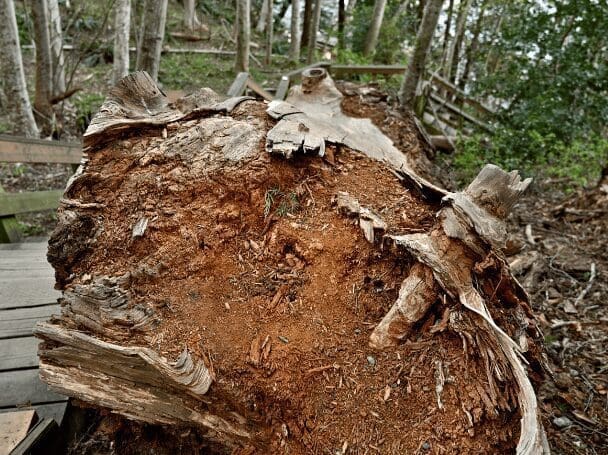
Natural Decay Reality Check
Even with fertilizer, moisture, and drilling, stump decay takes time. Softwoods break down faster than dense hardwoods like oak, maple, or hickory.
Useful for covering treated stumps and retaining moisture:
Method 4: Manual Tree Stump Removal Without a Grinder
Manual stump removal is simple in theory and brutal in practice.
You dig around the stump, expose the roots, cut them, pry the stump loose, and remove it from the ground. That sounds manageable until you meet a large hardwood stump with deep roots and compact soil.
This method works best for small stumps, young trees, shrubs, and shallow-rooted species.
Tools You Need
- Mattock or pickaxe
- Shovel
- Digging bar
- Root saw or pruning saw
- Loppers for smaller roots
- Gloves and eye protection
- Sturdy boots
Best hand tool for digging around roots and loosening stumps:
Manual Removal Steps
- Dig around the stump: Expose the major roots around the stump.
- Cut smaller roots: Use loppers or a pruning saw.
- Cut larger roots carefully: Use a root saw or appropriate cutting tool.
- Use leverage: A digging bar can help loosen the stump after roots are cut.
- Remove debris: Pull the stump and roots out once loose enough.
- Backfill the hole: Replace soil and level the area.
Manual Removal Warning
Do not use a vehicle, chain, or tow strap to yank out a stump unless you fully understand the risks. Snapping chains, flying hardware, vehicle damage, and sudden stump release can be dangerous.
Protect your eyes and hands before drilling or chopping:
Should You Burn a Tree Stump?

Burning is often touted as a fast stump-removal method, but I do not recommend it as the first choice for most homeowners.
The reasons are simple:
- Outdoor burning may be illegal or restricted where you live.
- Fire can spread through dry grass, mulch, roots, or nearby debris.
- Smoke can bother neighbors.
- Underground roots can smolder longer than expected.
- Using accelerants can be dangerous.
- Burning near fences, sheds, decks, or homes is risky.
Do Not Skip This
Before burning any stump, check local burn rules, fire danger conditions, HOA restrictions, and permit requirements. Never use gasoline. Never leave a burning or smoldering stump unattended.
If your area allows stump burning and you are experienced with outdoor fire control, follow local guidance exactly. If there is any doubt, choose grinding, chemical decay, or professional removal instead.
When Stump Grinding Is the Better Choice
Sometimes the honest answer is simple: do not waste six months trying to kill the stump.
If the stump is large, located in a high-visibility area, close to a patio, blocking landscaping, or creating a mowing hazard, stump grinding is usually the cleanest solution.
A stump grinder chews the stump down below grade, leaving wood chips that can be removed or used as mulch depending on the situation.
Stump grinding is usually better when:
- the stump is large or hardwood
- you need the area usable quickly
- the stump is near a driveway, walkway, or lawn edge
- manual digging would destroy too much yard
- you want to replant or landscape the area
- you do not want chemicals or long decay timelines
Want the Stump Gone Fast?
For large stumps, hardwood stumps, or stumps close to patios and walkways, hiring a local stump grinding pro is usually faster, cleaner, and safer than waiting months for DIY decay.
Find Local Stump Removal Pros on Angi
Sponsored affiliate link. Professional availability and services vary by location.
What Not to Put on a Tree Stump
Some stump-killing advice online is either outdated, unsafe, or bad for your yard.
Be careful with these:
- Gasoline: extremely dangerous and not appropriate for stump removal.
- Diesel or fuel oil: can create fire hazards and soil contamination concerns.
- Bleach: may damage nearby soil and plants without reliably removing the stump.
- Rock salt near valuable plants: can harm surrounding soil and roots.
- Random herbicide dumping: can injure nearby plants and may violate label directions.
- Uncontrolled burning: can spread, smolder, or violate local rules.
Better Rule
If a stump removal method sounds like it could poison the soil, start a fire, or harm nearby trees, skip it. Use labeled stump remover, slow decomposition methods, manual removal, or professional grinding.
How Long Does It Take to Kill a Tree Stump?
The timeline depends on the stump size, tree species, method, temperature, moisture, and whether the stump is still alive enough to send up shoots.
| Method | Typical Timeline | Best Expectation |
|---|---|---|
| Stump Grinding | Same day | Fast physical removal below grade |
| Manual Removal | Same day to weekend | Best for small stumps |
| Potassium Nitrate | Weeks to months | Softens wood for later removal |
| Epsom Salt | Months or longer | Slow drying and weakening |
| Natural Rotting | Years | Lowest effort, slowest result |
Hardwood stumps usually take longer than softwood stumps. A fresh oak stump can be dramatically more stubborn than an old pine stump already showing decay.
Can You Plant a New Tree Where a Stump Was Removed?
Yes, but it is usually better to avoid planting directly in the exact same hole right away.
Old roots, decomposing wood, fungal activity, nitrogen tie-up, and poor soil structure can make the spot less ideal for a new tree.
If you want to replant near the same area:
- Remove as much stump and root debris as practical.
- Replace wood chips with good topsoil where needed.
- Plant the new tree a few feet away if space allows.
- Improve drainage and soil structure before planting.
- Avoid planting into a pile of fresh stump grindings.
Fresh wood chips can be useful as mulch on top of soil, but they should not be treated as a perfect planting medium for a new tree.
Final Thoughts
The best thing to put on a tree stump depends on how fast you want it gone.
If you want a practical DIY chemical method, potassium nitrate stump remover is the most direct option. If you want a slower low-cost method, Epsom salt or high-nitrogen fertilizer can help weaken or decay the stump over time. If the stump is large, ugly, or in the way, stump grinding is usually worth the money.
I would avoid gasoline, fuel oil, random chemical dumping, and casual backyard burning. Those methods create more risk than they are worth for most homeowners.
My simple recommendation:
- Small stump: manual removal or Epsom salt method.
- Medium stump: potassium nitrate stump remover and drilling.
- Large hardwood stump: hire a stump grinding pro.
- Hidden stump: high-nitrogen decay method and patience.
A stump is annoying, but it is not worth damaging your yard or risking your safety. Choose the method that fits the stump, the location, and your timeline.
Frequently Asked Questions
What is the best thing to put on a tree stump to kill it?
The best common option is potassium nitrate stump remover applied into deep drilled holes according to the product label. It helps soften and break down the stump over time so it becomes easier to remove.
Does Epsom salt really kill a tree stump?
Epsom salt can help dry and weaken a stump over time, especially when applied into drilled holes and covered. It is slower and less predictable than grinding or commercial stump remover, but it can be useful for smaller stumps.
How do you kill a tree stump fast?
The fastest practical option is stump grinding. If you want a DIY method, cut the stump low, drill deep holes, and apply a labeled stump remover product. Chemical methods still take time and do not remove the stump instantly.
Can I use bleach to kill a tree stump?
Bleach is not a good stump removal method. It can harm nearby soil and plants without reliably removing the stump. Use labeled stump remover, Epsom salt, manual removal, or stump grinding instead.
Can I burn a tree stump to remove it?
Burning may be possible in some areas, but it is risky and may be illegal without permission. Always check local burn rules and never use gasoline. For most homeowners, grinding or controlled decomposition is safer.
How long does stump remover take to work?
Stump remover may take several weeks to several months depending on the size, tree species, moisture, and temperature. The product usually softens the wood rather than making the stump disappear immediately.
Will a tree grow back from a stump?
Some tree species can send up sprouts from the stump or roots after being cut. Killing the stump or grinding it down reduces the chance of regrowth.
Is stump grinding better than chemical stump removal?
Stump grinding is faster and cleaner when you want the stump physically gone. Chemical stump removal is cheaper for DIY users but takes much longer and still requires cleanup later.
Can I plant grass over a removed stump?
Yes, but remove excess wood chips, fill the depression with good soil, level the area, and seed after the ground settles. Fresh wood chips alone are not a good grass-growing medium.
What is the cheapest way to remove a tree stump?
The cheapest methods are usually Epsom salt, high-nitrogen decomposition, or manual digging if the stump is small. The cheapest method is rarely the fastest, especially for large hardwood stumps.