
















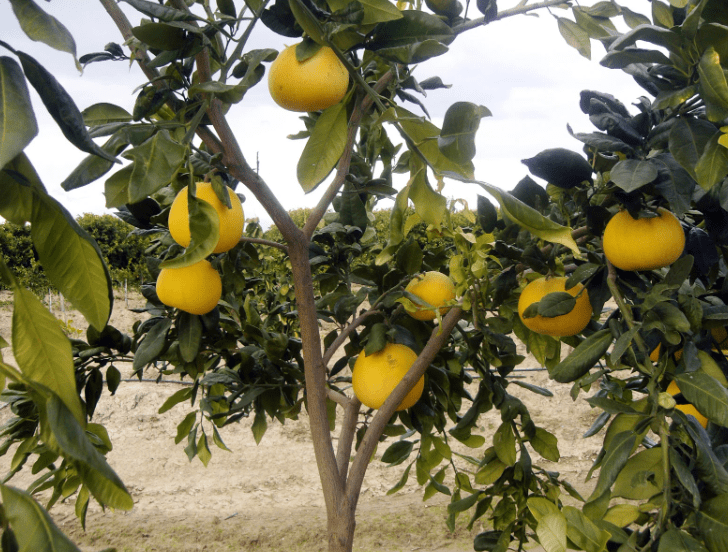
Bringing a red grapefruit trees into your garden is an adventure that rewards you with both beauty and flavor. These trees offer more than just fruit, they become a living centerpiece, with glossy leaves and vibrant, sunset-hued grapefruits that catch the eye and awaken the palate.
Among the many choices, the Rio Red and Ruby Red varieties stand out. The Rio Red grapefruit dazzles with its deep crimson flesh and a sweetness that lingers on the tongue, while the Ruby Red, the first grapefruit to be patented in the U.S., charms with its balanced flavor and striking appearance. Both are favorites for good reason.
To help your grapefruit tree flourish, it’s worth understanding its needs and rhythms. Choosing the right spot, preparing the soil, and tending to watering and feeding schedules all play a part in your tree’s journey from sapling to fruitful maturity.
Discovering the Character of Red Grapefruit Trees
Red grapefruit trees are known for their generous, juicy fruit, bursting with a lively tang and a hint of sweetness. Each grapefruit is packed with vitamins and antioxidants, making it a healthy addition to your table. These trees are at their best in warm, sun-drenched environments, where they can soak up the rays and thrive.
Cold spells are not their friend; protection is needed when temperatures drop. The soil beneath their roots should be loose and well-draining, as soggy ground can lead to root troubles. Sunlight is essential—aim for at least eight hours a day to encourage strong growth and a bountiful harvest.
In summary, the path to a thriving red grapefruit tree involves
-
Selecting a variety that suits your taste and garden.
-
Finding a sunny, sheltered spot.
-
Ensuring the soil drains well.
-
Letting the tree bask in plenty of sunlight.
Exploring Varieties: Rio Red and Ruby Red
Rio Red grapefruits are celebrated for their deep, ruby-colored flesh and a sweetness that makes them a favorite among citrus lovers. Ruby Red grapefruits, meanwhile, are recognized for their classic, balanced flavor and the distinction of being the first patented grapefruit in the United States.
Size and Growth Habits
Red grapefruit trees can become quite large, stretching 15 to 30 feet tall and wide, making them a dramatic presence in any garden. For those with limited space, dwarf varieties are a practical choice, maturing at 8 to 12 feet and fitting comfortably in containers or smaller yards. Both types grow at a steady pace, transforming over the years into lush, productive trees that offer shade, beauty, and fruit.
Planting Your Red Grapefruit Tree
Planting a red grapefruit tree is a moment of promise. Begin with a healthy young tree from a trusted nursery, ensuring a strong start. Spring is the ideal time to plant, after the last frost and before the summer heat sets in. This timing allows the roots to settle in and grow before the growing season kicks into high gear.
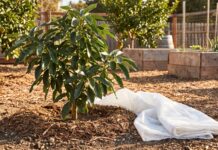
Dig a hole twice as wide as the root ball, matching the depth so the tree sits level with the ground. Gently backfill with soil, pressing lightly to eliminate air pockets. Water deeply to help the soil settle around the roots. Adding a layer of mulch around the base (but not touching the trunk) will help keep moisture in and weeds out. Keep an eye on your young tree, watching for any signs of stress or trouble.
Choosing the Right Location
Select a spot that receives full sun for most of the day—grapefruit trees thrive on sunlight. Avoid low-lying areas where water might collect, as good drainage is key to preventing root problems. Give your tree plenty of room to grow, both above and below ground, so it isn’t crowded by buildings or other plants.
Soil Requirements and Preparation
Red grapefruit trees prefer soil that is slightly acidic to neutral, with a pH between 6.0 and 7.5. Test your soil before planting and amend it if needed. Mix in organic matter to improve drainage and nutrient content. Clear the area of weeds and debris to give your tree the best possible start. Regular checks of the soil’s condition will help keep your tree healthy over the years.
Watering and Fertilizing
Balancing water and nutrients is crucial for your grapefruit tree’s success. Young trees need regular, deep watering to encourage strong root growth. Let the top few inches of soil dry out between waterings to avoid overwatering.
As the tree matures, you can reduce the frequency but continue to water deeply. Using a drip irrigation system or soaker hose helps deliver water directly to the roots without wetting the trunk, reducing the risk of fungal diseases.
Choose a balanced citrus fertilizer with an N-P-K ratio like 6-6-6, and apply it in early spring and again in late summer. Scatter the fertilizer under the canopy, away from the trunk, and water it in to help the nutrients reach the roots.
Pruning and Maintenance
Pruning and regular care help keep your grapefruit tree healthy and productive. Prune in late winter or early spring, making clean cuts close to the branch collar. Remove dead, broken, or diseased branches to prevent problems from spreading. Shape the tree by removing crossing branches, which allows sunlight to reach the inner canopy.
Keep up with regular maintenance by inspecting your tree for pests and disease, applying mulch to conserve moisture, and thinning branches to improve air circulation. These simple steps will help your tree stay vigorous and fruitful.
Protecting from Pests and Diseases
Red grapefruit trees can face challenges from pests like aphids, mites, and citrus leaf miners. Natural predators such as ladybugs and lacewings can help keep these pests in check. Organic sprays like insecticidal soap or neem oil are also effective and gentle on the environment.
Diseases such as citrus canker and greening can be serious threats. Good sanitation—removing fallen leaves and fruit—helps prevent disease spread. Copper-based sprays can manage citrus canker, while maintaining overall tree health will help your tree resist infection.
Harvesting and Enjoying Your Grapefruits
Harvest time is a highlight of the growing season. Look for grapefruits with deep red skin, a slight softness, and a heavy feel—these are signs of ripeness. Gently twist or clip the fruit from the branch, being careful not to bruise it.
Once picked, your grapefruits are ready to enjoy in countless ways. Eat them fresh for a burst of flavor, add slices to salads, or squeeze them for juice. Their zest adds brightness to baked goods and preserves, and homemade marmalade is a delicious way to capture their essence.
Where to Find Red Grapefruit Trees
You can find red grapefruit trees at local garden centers, specialty nurseries, or online retailers. Visiting a nursery lets you see the trees in person and get advice from knowledgeable staff. Online shopping offers a wide selection and the convenience of home delivery.
When choosing a tree, consider your space and needs. Dwarf varieties are ideal for small gardens or containers, while full-grown trees offer greater yields for those with more room. Look for healthy leaves and strong roots, and don’t hesitate to ask questions about care and maintenance.
Wrapping Up
Growing a red grapefruit tree is a journey that brings both beauty and bounty to your garden. With thoughtful care and attention, these trees will reward you with lush foliage and delicious fruit for years to come. Whether you’re a seasoned gardener or just starting out, the experience of nurturing a grapefruit tree is one to savor.