












I did not expect cookware material to completely change the way I cooked vegetables.
For years, I bounced back and forth between cheap ceramic pans and basic stainless steel cookware without really understanding why some meals tasted incredible while others felt flat, uneven, or overcooked.
Then, after spending a few weeks seriously cooking with both side by side — especially while using fresh vegetables from our raised garden beds — the differences became impossible to ignore.
The truth is, stainless steel cookware and ceramic cookware are designed for completely different cooking experiences.
One prioritizes precision, durability, browning, and high-heat performance. The other prioritizes convenience, low-stick cooking, and beginner-friendly cleanup.
Neither is universally better.
But depending on how you actually cook, one may fit your kitchen dramatically better than the other.
Quick Answer: Stainless Steel vs Ceramic Cookware
Stainless steel cookware is usually better for serious cooking, high-heat searing, long-term durability, and cooking vegetables with better flavor. Ceramic cookware is easier for beginners because food sticks less at first, but ceramic coatings usually wear down faster and do not last nearly as long as quality stainless steel.

This comparison is part of my cookware testing series. If you want the full product review, read my complete Legend 5-Ply Stainless Steel Cookware Review, where I explain how the set performed after two weeks of real cooking.
What Is the Actual Difference Between Stainless Steel and Ceramic Cookware?
The biggest misunderstanding is that people think ceramic cookware and stainless steel cookware are competing versions of the same thing.
They are not.
They behave completely differently.
Stainless steel cookware is built around heat control, durability, browning, and performance cooking. High-quality stainless steel pans are usually layered with conductive metals such as aluminum inside the body of the pan, helping distribute heat more evenly while keeping a durable stainless cooking surface.
Ceramic cookware, on the other hand, is usually aluminum cookware coated with a ceramic-based nonstick surface. That coating makes cooking easier at first, especially for eggs and delicate foods, but it also changes how the pan handles heat, browning, scratches, and long-term wear.
| Feature | Stainless Steel | Ceramic |
|---|---|---|
| Durability | Extremely long-lasting | Coating eventually wears down |
| Nonstick Performance | Requires technique | Very beginner-friendly |
| High-Heat Cooking | Excellent | Can degrade under extreme heat |
| Food Browning | Excellent fond development | Weaker searing |
| Lifespan | Often decades | Usually shorter lifespan |
| Learning Curve | Moderate | Very easy |
Why Serious Home Cooks Usually Prefer Stainless Steel
After cooking with both materials repeatedly, this became obvious very quickly:
Stainless steel gives you dramatically more control.
That matters most when cooking fresh vegetables, proteins, sauces, and anything requiring high heat.
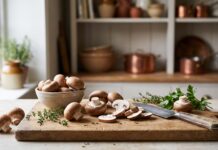
One of the biggest things I noticed while sautéing garden vegetables was moisture control. Ceramic pans often trapped moisture and steamed vegetables instead of browning them properly. Stainless steel allowed better evaporation, which created stronger caramelization and deeper flavor.
This becomes especially noticeable when cooking:
- zucchini
- mushrooms
- onions
- broccoli
- asparagus
- bell peppers
- fresh herbs
What Surprised Me Most
Once I learned proper stainless steel preheating, food actually stuck far less than I expected. Most people blame stainless steel when the real problem is usually cooking on a cold pan.
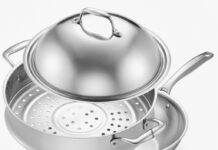
The stainless steel cookware I personally tested:
Where Ceramic Cookware Still Wins
Despite all the advantages of stainless steel, ceramic cookware absolutely has its place.
If you mainly cook eggs, pancakes, quick breakfasts, low-heat meals, or simple reheating, ceramic cookware feels much easier and less stressful.
There is almost no learning curve. You use less oil, cleanup is simple, and beginners usually feel more comfortable cooking with ceramic right away.
That convenience is the entire reason ceramic cookware became so popular.
But there is a tradeoff.
Most ceramic coatings gradually lose performance over time, especially if exposed to:
- high heat
- dishwasher abuse
- metal utensils
- thermal shock
- overheating empty pans
Once the coating degrades, sticking usually gets dramatically worse.
Prefer easy low-stick cooking?
The Biggest Mistake People Make With Stainless Steel
Most people test stainless steel incorrectly.
They buy a stainless steel pan, throw cold food into a cold pan, use almost no oil, crank the heat too high, and then decide stainless steel cookware is impossible to use.
That is not how professional kitchens use stainless steel.
Proper stainless steel cooking requires:
- preheating the pan first
- adding oil after preheating
- letting proteins naturally release before flipping
- using medium or medium-high heat instead of maximum heat
- deglazing the pan to turn browned bits into sauce
Once you understand those basics, stainless steel becomes dramatically easier to use.
Who Should Buy Stainless Steel?
- People who cook frequently
- Home cooks who enjoy searing and browning
- Gardeners cooking fresh vegetables
- Anyone wanting long-term cookware durability
- People trying to avoid synthetic nonstick coatings
Who Should Buy Ceramic?
- Beginner cooks
- People who prioritize easy cleanup
- Light breakfast cooking
- Low-oil cooking styles
- Casual cooks who rarely sear food
What About Non-Toxic Cooking?
This is one of the biggest reasons many people move toward stainless steel.
Modern ceramic cookware is often marketed as PFAS-free and PFOA-free, which is a major improvement over older traditional nonstick coatings.
However, ceramic coatings still degrade physically over time. Once that surface gets scratched, overheated, or worn down, the pan loses much of its main advantage.
Stainless steel does not rely on a coating at all.
That is why many professional chefs and long-term home cooks prefer it for durability and consistency.
If you are growing your own vegetables and investing serious effort into healthy eating, the cookware surface naturally becomes part of that conversation.
Stainless Steel vs Ceramic for Garden Vegetables
This is honestly where stainless steel impressed me the most.
Fresh garden vegetables contain a lot of water. Cheap cookware often turns those vegetables mushy because the pan cannot evaporate moisture efficiently.
Stainless steel performed dramatically better with zucchini, spinach, mushrooms, onions, green beans, broccoli, and kale because it handled heat and moisture more predictably.
If you are growing your own food this season, these guides pair naturally with this cookware comparison:
Related Review
For the stainless steel set I used during this comparison, read my complete Legend 5-Ply Stainless Steel Cookware Review.
Upgrading Your Entire Kitchen?
If you are investing in premium cookware, better prep space, or a full kitchen renovation, working with a professional contractor can save huge amounts of time and frustration.
Find Top-Rated Kitchen Contractors on Angi
Sponsored affiliate link. Contractor availability varies by location.
Final Thoughts
After cooking with both materials extensively, I honestly think this decision comes down to how seriously you cook.
If your priority is convenience and simplicity, ceramic cookware is easier.
But if you care about long-term durability, better searing, stronger heat control, restaurant-style browning, and cookware that can realistically last decades, stainless steel is the better long-term investment.
Especially once you learn how to use it properly.
For serious home cooks, gardeners, and people who cook fresh vegetables regularly, stainless steel simply offers the higher performance ceiling.
Frequently Asked Questions
Is stainless steel healthier than ceramic cookware?
Both are generally considered safe cooking surfaces, but stainless steel does not rely on a coating that gradually degrades over time. Ceramic cookware can be a good low-stick option, but the coating usually has a shorter lifespan.
Why does food stick to stainless steel?
Food usually sticks because the pan was not properly preheated or because insufficient oil was used before cooking. Once the pan reaches the right temperature, many foods naturally release from the stainless surface.
Does ceramic cookware wear out?
Yes. Most ceramic coatings gradually lose their nonstick performance over time, especially when exposed to high heat, metal utensils, dishwasher use, or overheating.
What lasts longer: stainless steel or ceramic cookware?
High-quality stainless steel cookware usually lasts dramatically longer than ceramic-coated cookware because there is no nonstick coating to wear away.
Is stainless steel better for vegetables?
For high-heat sautéing and browning, yes. Stainless steel handles moisture evaporation better, which helps vegetables caramelize instead of steaming.
Should beginners choose stainless steel or ceramic cookware?
Beginners who want the easiest cooking experience may prefer ceramic cookware at first. However, cooks who want long-term durability and better performance should learn stainless steel technique.