








Dehumidifier and mold removal is one of those home topics where the answer has to be clear: a dehumidifier can help prevent mold from growing or coming back, but it does not remove existing mold from walls, wood, drywall, carpet, furniture, or crawl space framing.
I like dehumidifiers because they solve one of the biggest mold problems: excess moisture. But buying a dehumidifier is not the same as mold remediation. Mold still needs cleaning, damaged materials may need removal, and the moisture source has to be fixed.

Yes, a dehumidifier helps with mold by lowering indoor humidity and making conditions less favorable for mold growth. But a dehumidifier will not kill mold, remove mold stains, clean moldy materials, or fix the water problem that caused mold in the first place. Use a dehumidifier for moisture control, not as a substitute for mold cleanup.
If you can see mold, clean or remove the moldy material. If the room stays damp, use a dehumidifier to control humidity. If the mold keeps coming back, you have not fixed the moisture source yet.
Does a Dehumidifier Help With Mold?
A dehumidifier helps with mold because mold needs moisture to grow. When indoor air stays damp, surfaces like drywall, wood, basement walls, carpet, furniture, and stored boxes can hold enough moisture for mold to develop.
The U.S. Environmental Protection Agency says moisture control is the key to mold control and recommends keeping indoor relative humidity below 60%, ideally between 30% and 50% when possible. You can measure that with a simple humidity meter or hygrometer.
So yes, a dehumidifier helps. But it helps by changing the environment. It does not erase a mold colony that is already growing.
Will a Dehumidifier Kill Mold?
No. A dehumidifier will not reliably kill mold. It may dry the area enough to slow or stop active growth, but mold spores and mold residue can remain on the surface.
This matters because even dead mold can still bother sensitive people. EPA notes that it is not enough to simply kill mold; mold should be removed. That is why cleaning, drying, and fixing the moisture problem all matter.
Will a Dehumidifier Remove Mold?
No. A dehumidifier will not remove mold from walls, wood, drywall, grout, carpet, furniture, insulation, or crawl space joists. It only removes moisture from the air.
A Dehumidifier Can
Lower humidity, reduce condensation, help damp areas dry, prevent future mold growth, and make basements or crawl spaces less mold-friendly.
A Dehumidifier Cannot
Scrub mold off surfaces, remove mold stains, repair water damage, clean contaminated insulation, fix leaks, or replace moldy porous materials.
What Humidity Level Prevents Mold?
For mold prevention, aim for indoor humidity around 30% to 50%. In damp rooms, basements, and crawl spaces, I like to keep humidity close to 45% to 50% when possible. If the humidity regularly climbs above 60%, mold risk increases.
A digital hygrometer is one of the cheapest tools you can buy for mold prevention. Without one, you are guessing.
30% to 50%: Best target range for most homes.
50% to 60%: Watch closely, especially in basements, bathrooms, closets, and crawl spaces.
Above 60%: Mold, mildew, dust mites, musty odors, and condensation become more likely.
When Is a Dehumidifier Enough?
A dehumidifier may be enough when you do not have active visible mold and your main problem is damp air, musty smell, window condensation, or seasonal basement humidity.
It can also help after cleanup, once the mold has been removed and the source of moisture has been fixed. This is where a dehumidifier shines: keeping the area dry enough so mold does not come back.
When Is a Dehumidifier Not Enough?
A dehumidifier is not enough when mold is already visible, when materials are wet from a leak or flood, when drywall is soft, when carpet smells musty, when wood is stained and damp, or when the same mold keeps returning after cleaning.
In those cases, you need mold cleanup and moisture correction. For a broader mold prevention overview, see our guide to mold removal and prevention.
What Actually Removes Mold?
Actual mold removal depends on the surface. Hard, non-porous surfaces can often be scrubbed and dried. Porous materials are more difficult because mold can grow into the tiny spaces inside the material.
Hard surfaces: Scrub with detergent and water, then dry completely.
Porous materials: Carpet, ceiling tiles, insulation, and some drywall may need removal if moldy.
Water leaks: Fix plumbing, roof, foundation, or drainage problems quickly.
After cleanup: Keep humidity controlled so the mold does not return.
Hidden mold: If you smell mold but cannot see it, there may be mold behind walls, under flooring, or inside cavities.
Dehumidifier and Mold on Wood
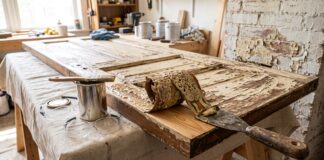
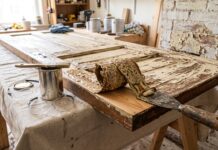
A dehumidifier can help dry damp wood and prevent mold from returning, but it will not remove mold already growing on wood. Mold on wood often needs brushing, cleaning, drying, and sometimes sanding or professional treatment, depending on how deep the staining goes.
If your problem is wood framing, subflooring, furniture, basement beams, or crawl space joists, read our full guide on how to get rid of mold on wood.
Dehumidifier and Basement Mold
Basements are one of the best places to use a dehumidifier because they naturally collect moisture. Concrete walls and floors can feel cool, outdoor humidity can enter through gaps, and poor drainage can keep the space damp.
A basement dehumidifier helps when the issue is high humidity. But if there is water coming through the walls, puddling on the floor, or soaking carpet, the dehumidifier is only part of the solution.
For product options, see our guide to the best basement dehumidifiers on Amazon.
Dehumidifier and Crawl Space Mold
Crawl spaces are a major mold zone because they often combine soil moisture, poor airflow, exposed wood framing, and hidden water problems. A crawl space dehumidifier can be very effective, but only when it is installed correctly.
If your crawl space has standing water, wet insulation, bare soil, or open vents pulling in humid outdoor air, the dehumidifier may run constantly and still struggle.
Start with our crawl space dehumidifier essentials guide. If you need a larger unit, compare options in our best commercial crawl space dehumidifier guide.
Fix the Moisture Source First
A dehumidifier works best after you correct the source of moisture. Otherwise, you are asking the machine to fight a problem that keeps refilling itself.
In crawl spaces, that often means drainage work, sealing, vapor barriers, exhaust planning, or removing standing water. These guides will help you diagnose the source:
Choosing the Right Dehumidifier for Mold Prevention
The right dehumidifier depends on room size, humidity level, temperature, drainage options, and whether the space is finished, unfinished, basement, bathroom, laundry room, garage, or crawl space.
For general sizing and features, see our guide to choosing the best electric dehumidifier for your space.
Built-in humidistat: Lets the unit maintain a target humidity.
Continuous drain option: Better for basements and crawl spaces than emptying a bucket.
Auto restart: Useful after power outages.
Low-temperature operation: Important in cool basements.
Correct capacity: A tiny unit will not keep up with a wet basement or crawl space.
Can Dehumidifiers Get Moldy?
Yes. Dehumidifiers can get moldy if the bucket, filter, coils, or drain hose stay dirty and damp. This is one reason regular cleaning matters.
If your dehumidifier smells musty, do not ignore it. A dirty unit can blow unpleasant air into the room and reduce performance.
How to Clean Mold in a Dehumidifier
Always unplug the unit first and follow the manufacturer’s instructions. Different models come apart differently.
- Unplug the dehumidifier. Never clean it while connected to power.
- Empty the water bucket. Wash it with warm water and mild detergent.
- Clean or replace the filter. A dirty filter restricts airflow and can hold dust and spores.
- Check the drain hose. Flush or replace it if it smells musty or has buildup.
- Wipe accessible surfaces. Remove dust, slime, and residue from areas you can safely reach.
- Let parts dry completely. Reassemble only when everything is dry.
- Run the unit in a clean area. Confirm that it drains properly and does not smell musty.
Never mix bleach with ammonia or other cleaners. If you use any disinfectant or strong cleaner, ventilate the area and follow the label exactly.
Bathroom Mold: Dehumidifier or Exhaust Fan?
For bathrooms, an exhaust fan is usually more important than a dehumidifier because the moisture source is short and intense. Hot showers can load the room with moisture quickly, and the fan should move that moisture outdoors.
A small dehumidifier can help in bathrooms with poor ventilation, no window, or recurring dampness. But if the fan is weak or does not vent outdoors, fix ventilation first.
Closet Mold and Dehumidifiers
Closets can grow mold when damp air gets trapped behind clothes, shoes, cardboard boxes, or furniture. A small dehumidifier or moisture absorber can help, but airflow matters too.
Leave space between stored items, avoid putting wet shoes or damp laundry in closets, and do not push furniture tight against cold exterior walls.
Will an Air Purifier Help With Mold?
A HEPA air purifier can help capture some airborne particles, including mold spores, but it does not remove mold from surfaces or fix moisture. I see air purifiers as a support tool, not a mold removal tool.
If mold is growing on the wall, under carpet, inside a crawl space, or behind drywall, the solution is still cleanup and moisture control.
When to Call a Mold Remediation Professional
Call a professional if mold covers a large area, keeps coming back, appears after flooding, is hidden behind walls, grows inside HVAC systems, or is connected to sewage, major water damage, or structural materials.
You should also be cautious if someone in the home has asthma, immune issues, severe allergies, or persistent symptoms that seem worse inside the house.
If mold keeps returning, smells musty behind walls, or follows water damage, it may be time to get a professional inspection or remediation estimate.
Best Products for Dehumidifier and Mold Prevention
Basement Dehumidifier
Best for damp basements, musty rooms, laundry areas, and moisture-prone lower levels.
Crawl Space Dehumidifier
Best for enclosed crawl spaces where wood framing, insulation, and subfloors need moisture control.
Digital Hygrometer
A simple humidity meter helps you know whether your dehumidifier is actually keeping the room in the right range.
Moisture Meter
Useful for checking damp wood, trim, subfloors, drywall, and suspicious areas after leaks.
HEPA Air Purifier
Helpful as a support tool for airborne particles, but not a replacement for mold cleanup or moisture repair.
Mold Cleanup Safety Gear
Gloves, goggles, and a properly fitting mask or respirator help reduce exposure during small cleanup jobs.
Official Mold and Moisture References
For additional safety guidance, review the EPA guide to mold, moisture, and your home, EPA’s basic mold cleanup steps, and CDC’s mold cleanup recommendations.
My Verdict: Dehumidifier First or Mold Removal First?
If you already see mold, remove or clean the mold first and fix the water source. Then use a dehumidifier to keep humidity low and prevent the mold from coming back.
If you do not see mold but the space smells musty, feels damp, has condensation, or runs above 50% to 60% humidity, a dehumidifier is one of the smartest prevention tools you can buy.
The best results usually come from combining several steps: fix leaks, improve drainage, dry wet materials, clean existing mold, ventilate bathrooms and crawl spaces, install a vapor barrier where needed, and run the right size dehumidifier.
Frequently Asked Questions
Does a dehumidifier help with mold?
Yes. A dehumidifier helps with mold by lowering indoor humidity and making the space less favorable for mold growth. It helps prevent mold, but it does not remove existing mold.
Will a dehumidifier kill mold?
No. A dehumidifier may dry the area and slow mold growth, but it does not reliably kill mold or remove mold residue from surfaces.
Will a dehumidifier remove mold?
No. A dehumidifier removes moisture from the air, not mold from surfaces. Existing mold still needs cleaning or removal.
What humidity level prevents mold?
Aim for 30% to 50% indoor relative humidity when possible. At minimum, try to keep indoor humidity below 60% to reduce mold risk.
Can dehumidifiers get moldy?
Yes. A dehumidifier can get moldy if the bucket, filter, drain hose, or internal surfaces stay dirty and damp. Clean the unit regularly.
Is a dehumidifier enough for basement mold?
A dehumidifier may help prevent basement mold if the issue is high humidity. It is not enough if there is standing water, leaks, wet carpet, moldy drywall, or hidden water damage.
Is a dehumidifier enough for crawl space mold?
A crawl space dehumidifier can help, but only if water, soil moisture, ventilation problems, and vapor barrier issues are addressed. Otherwise, the unit may run constantly and still struggle.
Should I use an air purifier or dehumidifier for mold?
Use a dehumidifier to control moisture. Use a HEPA air purifier only as a support tool for airborne particles. Neither one replaces mold cleanup.
When should I call a mold remediation pro?
Call a pro if mold covers a large area, keeps returning, follows flooding, is hidden behind walls, is inside HVAC systems, or involves structural materials.
Can I paint over mold after using a dehumidifier?
No. Do not paint over mold. Clean and dry the surface first, fix the moisture problem, and only paint once the mold issue has been handled.
Join the free Garden Frontier list for home moisture control, basement care, crawl space tips, mold prevention, and practical home improvement advice.
100% free. No spam. Unsubscribe anytime.