











Electric dehumidifiers remove excess moisture from indoor air, making damp basements, musty bedrooms, laundry rooms, bathrooms, garages, and crawl spaces more comfortable and less prone to moisture problems. If your home smells musty, windows sweat, stored items feel damp, or humidity stays above 60%, a dehumidifier is one of the simplest tools to start with.
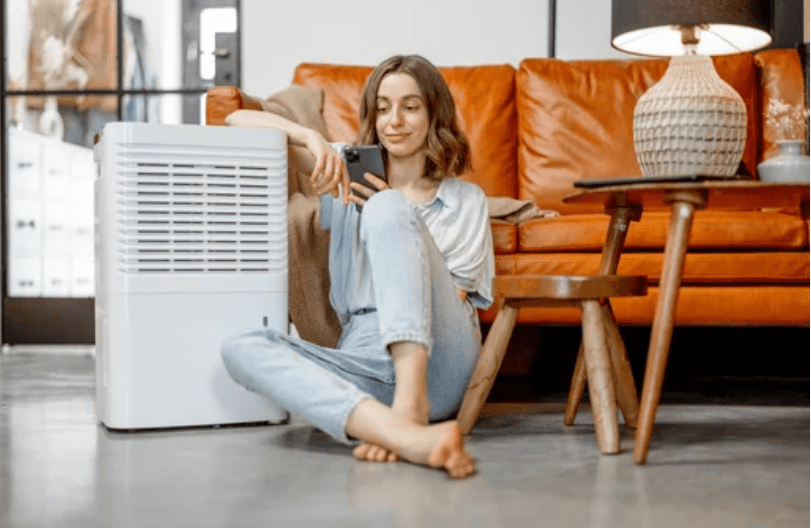
The right electric dehumidifier can help reduce musty odors, protect wood and stored belongings, make finished basements more comfortable, and create conditions that are less friendly to mold and mildew. But it is important to understand what these machines can and cannot do.
If you already see mold, start with our guide to dehumidifier and mold removal. A dehumidifier can help prevent mold by lowering humidity, but it will not remove existing mold from wood, drywall, carpet, insulation, or furniture.
For most damp basements and larger rooms, choose a 50-pint electric dehumidifier with a built-in humidistat and continuous drain hose option. For small bedrooms, closets, bathrooms, or laundry rooms, a compact 20- to 35-pint unit may be enough. For crawl spaces, severe moisture, or flood recovery, choose a crawl-space or commercial-grade model with pump drainage and auto-defrost.
Buy for the moisture problem, not just the room size. A clean small bedroom needs a different dehumidifier than a wet basement, humid crawl space, or garage with condensation.
How Electric Dehumidifiers Work
Most electric dehumidifiers work by pulling humid air into the unit with a fan. The air passes over cold coils, moisture condenses into water, and the drier air is released back into the room. The collected water either lands in a bucket or drains through a hose.
This process lowers relative humidity. Lower humidity can make a room feel cooler, reduce musty odors, help damp materials dry, and slow the conditions that encourage mold, mildew, dust mites, and moisture damage.
Why Use an Electric Dehumidifier?
An electric dehumidifier is useful anywhere indoor humidity stays too high. That includes basements, crawl spaces, bathrooms, laundry rooms, garages, storage rooms, finished lower levels, and humid climates.
Moisture Control
A dehumidifier lowers indoor humidity and helps reduce condensation on windows, pipes, walls, and cool basement surfaces.
Mold Prevention Support
Drier air makes the space less mold-friendly, especially when leaks, standing water, and existing mold have already been handled.
Better Comfort
A humid room can feel sticky, heavy, and stale. Reducing humidity often makes the space feel cleaner and more comfortable.
Protection for Belongings
Books, tools, clothes, furniture, cardboard boxes, electronics, and seasonal storage all last longer in a drier environment.
What Humidity Level Should You Aim For?
For most homes, a good indoor humidity target is around 30% to 50%. In basements and crawl spaces, I usually like to see humidity around 45% to 50% when practical. Once indoor humidity regularly rises above 60%, musty odors, mold conditions, dust mites, and condensation become more likely.
Do not guess. Buy a small digital hygrometer and check the actual humidity in the room before and after running the dehumidifier.
30% to 50%: Good range for most homes.
45% to 50%: Practical target for many basements and crawl spaces.
50% to 60%: Watch closely, especially in damp rooms.
Above 60%: Time to investigate moisture sources and run a dehumidifier.
Types of Electric Dehumidifiers
Not every electric dehumidifier is built for the same job. The best choice depends on the room, temperature, drainage, humidity level, and how often the unit will run.
Refrigerant Dehumidifiers
Refrigerant dehumidifiers are the most common type for homes. They use cold coils to condense moisture from the air. They work well in bedrooms, living areas, basements, laundry rooms, garages, and many crawl spaces.
Desiccant Dehumidifiers
Desiccant dehumidifiers use a moisture-absorbing material instead of cold coils. They can work better in colder spaces where refrigerant models struggle, but they are less common for normal home use.
Mini Electric Dehumidifiers
Mini dehumidifiers are best for closets, small bathrooms, RVs, cabinets, and tiny rooms. They are not strong enough for wet basements, crawl spaces, or whole-room humidity problems.
Basement Dehumidifiers
Basement models usually need higher capacity, continuous drainage, auto-restart, and good filter access. If the basement is your main concern, see our guide to the best basement dehumidifiers on Amazon.
Crawl Space Dehumidifiers
Crawl spaces need tougher machines because access is tight, drainage can be difficult, temperatures may be lower, and humidity can be constant. Start with our crawl space dehumidifier essentials guide.
Key Features to Consider
The best electric dehumidifier is not always the one with the largest capacity. A good unit should match your space and make maintenance easy.
Capacity: Choose a unit sized for the room and moisture load.
Built-in humidistat: Lets the unit maintain a target humidity automatically.
Continuous drain option: Important for basements, laundry rooms, and crawl spaces.
Built-in pump: Useful when water must be pushed upward to a sink, drain line, or window.
Auto-defrost: Helps in cooler basements or crawl spaces.
Auto-restart: Restarts the unit after a power outage.
Filter alert: Reminds you when airflow maintenance is needed.
Noise level: More important for bedrooms, offices, gyms, and finished basements.
Energy efficiency: Important if the unit will run every day during humid months.
How to Choose the Right Size Electric Dehumidifier
Start with the room size, then adjust for dampness. A large room with mild humidity may need less power than a small basement with water seepage and musty odors.
Small Rooms and Closets
Choose a mini or 20- to 25-pint class unit for mild humidity in small rooms, closets, RVs, and bathrooms.
Medium Rooms
Choose a 30- to 35-pint class unit for bedrooms, offices, laundry rooms, or moderately damp areas.
Large Rooms and Basements
Choose a 50-pint class unit for larger spaces, damp basements, and areas that smell musty after rain.
Severe Moisture or Flood Recovery
Choose a commercial or LGR dehumidifier with pump drainage and consider air movers for structural drying.
For severe moisture, flood recovery, or structural drying, see our guide to the best commercial crawl space dehumidifier. Those same commercial drying principles can apply to wet basements.
Best Electric Dehumidifiers to Consider
The product list below keeps the original article’s main models but removes old fixed prices. Amazon prices, availability, model features, and coupons change often, so always confirm the current listing before buying.
Frigidaire High-Efficiency Dehumidifier
A strong large-room and basement choice when you want a proven 50-pint class unit with automatic humidity control and dependable moisture removal.
hOmeLabs Energy Star Dehumidifier
A popular large-room pick for finished basements, home offices, gyms, laundry rooms, and general whole-room humidity control.
Toshiba Feature-Rich Dehumidifier
A feature-rich option for shoppers who want more controls and a flexible setup for medium to larger rooms.
Honeywell Large Capacity Dehumidifier
A large-capacity option for damp basements, storage rooms, and spaces where durability and straightforward controls matter.
BLACK+DECKER BDT30WTA Dehumidifier
A compact 30-pint class option for small to medium rooms, moderate dampness, apartments, and utility areas.
Electric Dehumidifier for Basement Use
Basements usually need more power than bedrooms because they are below grade, cooler, and more likely to have moisture from concrete, soil, foundation walls, and poor drainage.
If your basement smells musty, has condensation, or stores valuable items, choose a 50-pint class unit with continuous drainage. If the basement has active water entry, wet carpet, or repeated flooding, the dehumidifier should be part of a larger repair plan.
For basement-specific picks, read our best basement dehumidifiers on Amazon guide.
Electric Dehumidifier for Crawl Spaces
Crawl spaces need a tougher approach than normal rooms. Access is tight, drainage is harder, and the unit may need to run for long periods. A crawl space dehumidifier often needs pump drainage, auto-defrost, and rugged housing.
If your crawl space has bare soil, missing plastic, or moisture coming from the ground, also read our crawl space vapor barrier guide. If you have water under the home, start with water in crawl space.
Electric Dehumidifier for Mold Prevention
An electric dehumidifier helps prevent mold by reducing the moisture that mold needs to grow. It can be very useful after leaks are fixed, wet materials are dried, and moldy surfaces are cleaned or removed.
But it is not a mold remover. If you have mold on wood framing, furniture, shelves, trim, or subfloors, read how to get rid of mold on wood. For broader prevention and cleanup, see Conquering Mold: A Guide to Removal and Prevention.
Do not assume a dehumidifier has removed mold. Lower humidity helps prevent growth, but visible mold still needs cleanup, drying, and moisture-source correction.
Drain Hose vs Water Bucket
Most electric dehumidifiers collect water in a bucket. That works for occasional use, but it becomes annoying in basements, laundry rooms, and damp spaces where the unit runs often.
A continuous drain hose is better when you have a floor drain, sump pit, utility sink, or approved drain point lower than the unit. A pump model is better when water must move upward or across the room.
Energy Efficiency and Operating Cost
Electric dehumidifiers can run for many hours during humid weather, so efficiency matters. Look for Energy Star certification, correct capacity, automatic humidity control, and clean filters. A dirty filter makes the fan and compressor work harder.
Also remember that an oversized unit may short-cycle in a small room, while an undersized unit may run constantly in a wet basement. The right size is usually more efficient than simply buying the biggest machine.
Noise Level and Placement
Noise matters more in bedrooms, offices, finished basements, and living areas. A utility basement can tolerate more noise than a home gym or guest room.
Place the unit where air can move freely. Do not push it tight against walls, curtains, boxes, or furniture. Keep the intake and exhaust clear, and use a stable surface to reduce vibration.
Maintenance and Care
Regular maintenance helps the dehumidifier remove moisture efficiently and prevents the unit itself from smelling musty.
Clean the filter: Check monthly during humid season and clean according to the manual.
Wash the bucket: If you use the tank, clean it with mild soap and water to prevent musty buildup.
Inspect the drain hose: Look for kinks, clogs, algae, or poor slope.
Check for frost: Cooler rooms may need a unit with auto-defrost.
Clean around the unit: Dust and lint reduce airflow.
Monitor humidity: Use a hygrometer to confirm the unit is actually doing its job.
When a Dehumidifier Is Not Enough
A dehumidifier is not enough if you have standing water, repeated leaks, wet carpet, widespread mold, soft drywall, rotten wood, sewage contamination, or foundation seepage that keeps returning.
In those situations, fix the water source first. That may mean drainage correction, plumbing repair, foundation work, sump improvements, crawl space encapsulation, vapor barrier replacement, or professional mold remediation.
If your basement, crawl space, or storage room has widespread mold, water damage, wet materials, or musty odors that keep coming back, get a professional inspection or remediation estimate.
Official Humidity and Energy References
For additional guidance, review EPA’s mold and moisture guide and ENERGY STAR’s dehumidifier efficiency guidance.
Frequently Asked Questions
What does an electric dehumidifier do?
An electric dehumidifier removes excess moisture from indoor air. It helps reduce humidity, musty odors, condensation, and conditions that support mold, mildew, dust mites, and moisture damage.
What size electric dehumidifier do I need?
For small rooms, a 20- to 30-pint unit may work. For larger rooms and basements, a 50-pint unit is often a better starting point. Severe moisture may require a commercial unit.
Can an electric dehumidifier remove mold?
No. It can help prevent mold by lowering humidity, but it will not remove mold already growing on surfaces.
What humidity should I set my dehumidifier to?
A practical target is usually 45% to 50% relative humidity. In general, keep indoor humidity below 60% and aim for 30% to 50% when possible.
Should I use a drain hose or bucket?
Use a drain hose for basements, laundry rooms, and spaces where the unit runs often. A bucket is fine for occasional use, but it must be emptied and cleaned regularly.
Are electric dehumidifiers safe to run continuously?
Most modern units are designed for long runtime when used according to the manual. Use a grounded outlet, keep airflow clear, clean filters, and make sure drainage works properly.
How often should I clean my electric dehumidifier?
Check the filter monthly during humid months, clean the bucket regularly, and inspect the drain hose for clogs or buildup.
Do electric dehumidifiers use a lot of electricity?
Energy use depends on capacity, runtime, humidity load, and efficiency. Energy Star certified models and properly sized units help reduce operating costs.
Is a small dehumidifier enough for a basement?
Usually not for a damp full basement. Small units are better for closets, bathrooms, bedrooms, and small rooms with mild humidity. Basements often need a 50-pint class unit.
What is better for mold, a dehumidifier or air purifier?
A dehumidifier controls moisture, which helps prevent mold growth. A HEPA air purifier may help capture airborne particles, but it does not remove mold from surfaces or fix the moisture source.
Final Verdict
Electric dehumidifiers are worth it when indoor humidity stays high, rooms smell musty, windows sweat, or basements and crawl spaces feel damp. The key is choosing the right capacity, setting up drainage correctly, and monitoring humidity with a hygrometer.
For most large rooms and basements, start with a 50-pint class unit such as the Frigidaire High-Efficiency Dehumidifier or hOmeLabs Energy Star Dehumidifier. For smaller rooms, compact models like the BLACK+DECKER BDT30WTA can make more sense.
The most important takeaway is simple: control the water source first, then use the dehumidifier to maintain safe humidity levels. That combination protects your home far better than buying a machine and hoping it solves everything alone.
Join the free Garden Frontier list for basement moisture control, crawl space care, mold prevention, home repair, and practical equipment guides.
100% free. No spam. Unsubscribe anytime.