







Choosing your first beginner sewing machine should not feel like you are buying cockpit controls for a tiny fabric airplane. But that is exactly how it can feel when every listing shouts about stitch counts, computerized menus, quilting tables, automatic buttonholes, heavy-duty frames and accessory bundles.
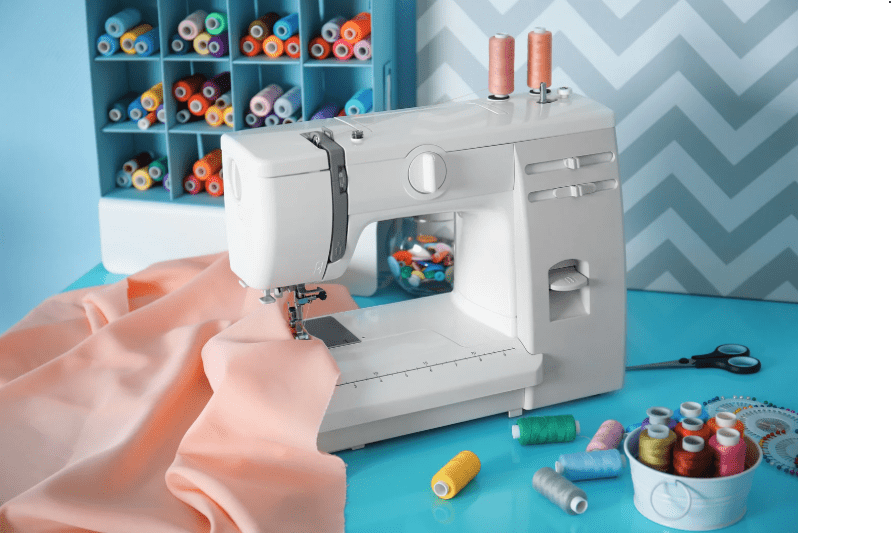
The truth is much simpler. A great starter sewing machine needs to be reliable, easy to thread, steady on the table and strong enough for the projects you actually want to make. It should help you sew straight seams, hem pants, repair clothes, make pillow covers, try basic quilting and learn without turning every Saturday into a thread-jam mystery.
For most beginners, the smartest move is not buying the fanciest machine. It is buying the machine that removes friction: simple controls, a friendly bobbin system, useful stitches, clear threading, a decent motor and enough room to grow. This guide breaks down the beginner models worth comparing, the features that matter, the features you can ignore and the accessories that make learning much easier.
- Best overall for most beginners: Singer Heavy Duty 4423 — simple mechanical controls, strong motor and enough stitches for real projects.
- Best computerized beginner machine: Brother CS7000X — beginner-friendly controls, 70 stitches, speed control and quilting accessories.
- Best heavy-duty upgrade: Janome HD-3000 — sturdy mechanical feel, aluminum frame and a simple long-term setup.
- Best for serious beginners: Juki HZL-F300 — more expensive, but excellent if you already know sewing will become a serious hobby.
- Best first purchase after the machine: A starter accessory kit with needles, bobbins, seam ripper, scissors, clips, thread and extra presser feet.
Here is the fast buyer version before the full reviews.
| Pick | Best For | Why It Makes Sense | Check Price |
|---|---|---|---|
| Singer Heavy Duty 4423 | Most beginners | Mechanical controls, strong everyday sewing power and 23 built-in stitches without too much menu clutter. | Amazon |
| Brother CS7000X | Computerized sewing and quilting | 70 stitches, LCD screen, wide table, speed control and a generous accessory package. | Amazon |
| Janome HD-3000 | Durable mechanical upgrade | Heavy-duty aluminum frame, 18 stitches and simple controls for long-term home sewing. | Amazon |
| Juki HZL-F300 | Serious beginners | 106 stitch patterns, automatic buttonholes and room to grow into garments, bags and quilting. | Amazon |
| Beginner Sewing Accessories | Every new sewist | Needles, bobbins, seam ripper, fabric scissors, clips and thread matter more than fancy stitches. | Amazon |
What Makes a Sewing Machine Beginner-Friendly?
A beginner-friendly sewing machine is not just cheap. It is predictable. When you are learning, you want the machine to behave the same way every time so you can figure out whether the problem is the fabric, the needle, the bobbin, the tension or your own speed control.
The best starter machines usually share a few traits:
- Easy threading: Clear thread path, good manual and ideally an automatic needle threader.
- Top drop-in bobbin: Easier for many beginners to load and monitor.
- Stable frame: Less vibration helps you sew straighter seams.
- Useful basic stitches: Straight, zigzag, stretch stitch, reverse and buttonhole matter more than 200 decorative stitches.
- Adjustable stitch length and width: Gives you control as your projects improve.
- Free arm: Useful for sleeves, cuffs, pant hems and small circular areas.
- Good speed control: Especially helpful if you are nervous with the foot pedal.
- Available accessories: Needles, bobbins, presser feet and replacement parts should be easy to find.
Best Beginner Sewing Machines Reviewed
1. Singer Heavy Duty 4423 — Best Overall Beginner Sewing Machine
The Singer Heavy Duty 4423 is the easiest machine to recommend to most beginners because it keeps things simple without feeling flimsy. It is mechanical, which means you choose stitches with dials instead of scrolling through digital menus. That can be a relief when you are still learning how threading, bobbins, tension and fabric handling work.
Singer describes the 4423 as having 23 built-in stitches, a one-step buttonhole, an automatic needle threader and a metal frame. That combination makes it useful for basic garment sewing, hemming pants, mending clothes, simple home decor, tote bags, curtains, pillow covers and thicker everyday fabrics.
This is not the quietest or fanciest machine in the world, and beginners should still use the correct needle for denim or canvas. But for the money, it gives new sewists a strong practical foundation.
- Best for: Most beginners, clothing repairs, denim hems, tote bags, curtains and basic home sewing.
- Pros: Simple mechanical controls, strong motor feel, metal frame, useful stitch selection, one-step buttonhole.
- Cons: Less refined than pricier machines and not as feature-rich as computerized models.
Check Singer Heavy Duty 4423 on Amazon
2. Brother CS7000X — Best Computerized Sewing Machine for Beginners
The Brother CS7000X is the better pick if you want computerized features without jumping straight into an intimidating pro-level machine. It is especially attractive for beginners who want to try both regular sewing and quilting.
Brother lists the CS7000X as a 70-stitch computerized sewing and quilting machine with a wide table and included presser feet. Common listings also highlight an LCD display and beginner-friendly stitch selection. The important part is not just the stitch count; it is the combination of speed control, clear stitch selection and quilting-friendly accessories.
This is the model I would compare first if you want to grow into quilting, decorative stitches, lightweight garment sewing and creative projects. It has a slightly longer learning curve than a mechanical machine, but it gives you more room to experiment.
- Best for: Beginners who want computerized controls, quilting features, speed control and more stitch variety.
- Pros: 70 stitches, wide table, LCD display, good accessory package, friendly value for features.
- Cons: More features mean more to learn; not the simplest option for technology-averse beginners.
Check Brother CS7000X on Amazon
3. Janome HD-3000 — Best Heavy-Duty Beginner Upgrade
The Janome HD-3000 is the “buy once, learn properly” option for beginners who want a sturdy mechanical machine from the start. It costs more than many entry-level models, but it has the kind of simple, durable feel that can make sewing less fussy.
Janome describes the HD-3000 as a heavy-duty machine with an aluminum frame and 18 stitches, including a buttonhole function. It also includes an instructional guide inside the top tray door, which is a nice touch for beginners who forget which foot or setting goes with which task.
This is a good choice if you plan to sew frequently and want a mechanical machine that feels more serious than a lightweight starter model. It is not the cheapest path into sewing, but it is a practical long-term pick.
- Best for: Beginners who want a durable mechanical machine for long-term sewing.
- Pros: Heavy-duty aluminum frame, simple controls, strong build quality, practical stitch selection.
- Cons: Costs more than budget beginner machines and has fewer decorative features than computerized models.
Check Janome HD-3000 on Amazon
4. Juki HZL-F300 — Best for Serious Beginners
The Juki HZL-F300 is not the machine I would give to someone who only wants to hem two pairs of pants and disappear. It is for the beginner who already suspects sewing is about to become a serious hobby.
Juki lists the HZL-F300 as a computerized machine with 106 stitch patterns, 16 automatic buttonholes and 3 fonts. That is far beyond what a true beginner needs on day one, but it gives ambitious sewists room to grow into garments, bags, quilting, buttonholes and more advanced projects.
The higher price only makes sense if you plan to sew regularly. For casual mending, it is overkill. For someone who wants a long-term sewing and quilting machine without upgrading in six months, it is worth comparing.
- Best for: Serious beginners who want a long-term machine for garments, quilting, bags and advanced home sewing.
- Pros: 106 stitch patterns, automatic buttonholes, more room to grow, strong long-term potential.
- Cons: Higher price and more features than most beginners need immediately.
Beginner Sewing Machine Comparison Table
| Machine | Type | Best For | Watchout |
|---|---|---|---|
| Singer Heavy Duty 4423 | Mechanical | Most beginners, repairs, denim hems, everyday sewing. | Not as quiet or refined as pricier machines. |
| Brother CS7000X | Computerized | Quilting beginners, decorative stitches, speed control. | More settings to learn. |
| Janome HD-3000 | Mechanical | Long-term durability and heavier beginner use. | Higher upfront cost. |
| Juki HZL-F300 | Computerized | Serious beginners who want room to grow. | Overkill for casual mending. |
Mechanical vs Computerized Sewing Machines for Beginners
Mechanical Sewing Machines
Mechanical machines use dials, knobs and levers. They are usually easier to understand, less intimidating and more direct. You choose the stitch, set the length, guide the fabric and sew.
Choose mechanical if you want simplicity, durability, fewer settings and a machine that feels straightforward from the first day.
Computerized Sewing Machines
Computerized machines use buttons, screens and digital stitch selection. They often include more stitches, speed control, automatic settings and quilting-friendly features.
Choose computerized if you want more creative options, quilting features, speed control and a machine that can grow with you.
If you freeze up when a machine has too many buttons, buy mechanical. If you like digital controls and want speed control, buy computerized. The “best” machine is the one you will actually use.
How to Choose the Best Beginner Sewing Machine
1. Choose Simplicity First
Hundreds of stitches sound exciting, but most beginners use a handful: straight stitch, zigzag stitch, reverse stitch, stretch stitch and buttonhole. Reliability matters more than stitch count.
2. Match the Machine to Your First-Year Projects
Think about what you want to sew during your first year, not what an expert sewist might make someday.
- Clothing repairs: Basic mechanical machine with straight, zigzag and reverse stitches.
- Garments: Free arm, buttonhole function and adjustable stitch settings.
- Quilting: Wide table, speed control and walking foot compatibility.
- Denim and canvas: Stronger motor, heavy-duty frame and correct needles.
- Bags and home decor: Stable frame, adjustable stitch length and good presser foot options.
3. Look for a Stable Frame
A machine with a metal interior frame usually feels more stable and vibrates less. That helps when you are learning to guide fabric evenly.
4. Do Not Ignore the Bobbin System
A top drop-in bobbin is easier for many beginners because you can see the thread supply and load it without opening a front compartment. Front-loading bobbins are not bad, but they can feel fiddlier at first.
5. Check the Buttonhole Feature
If you plan to sew clothing, a one-step buttonhole is extremely helpful. Four-step buttonholes work too, but they require more attention and are less automatic.
Useful Sewing Accessories for Beginners
The right accessories can make a basic sewing machine feel much better. Before spending hundreds more on the machine, make sure you have the small tools that prevent beginner frustration.
- Universal sewing machine needles
- Denim or heavy-duty needles for thicker fabric
- Ballpoint or stretch needles for knits
- Extra bobbins that match your machine
- Quality all-purpose thread
- Seam ripper
- Fabric scissors
- Measuring tape
- Sewing clips or pins
- Zipper foot
- Buttonhole foot
- Walking foot for quilting or slippery layers
- Small brush for lint cleaning
Common Beginner Sewing Machine Problems
Thread Keeps Breaking
Rethread the machine completely, check that the presser foot is raised while threading, replace the needle and confirm the thread is not old or poor quality.
Needle Keeps Breaking
Use the correct needle for the fabric, avoid pulling the fabric through the machine and make sure the needle is installed in the correct direction.
Fabric Is Jamming Under the Needle
Check the bobbin, rethread the top thread, clean lint from the bobbin area and make sure the thread tails are held when starting a seam.
Stitches Look Uneven
Try a new needle, check threading, use the correct presser foot and test tension on scrap fabric before sewing the real project.
Maintenance Tips for Your First Sewing Machine
A sewing machine lasts longer and behaves better when you keep it clean. Beginner problems often come from lint, dull needles, wrong threading or cheap thread rather than a defective machine.
- Clean lint from the bobbin area regularly.
- Change needles after several projects or whenever stitches look rough.
- Use the correct needle type for your fabric.
- Rethread the machine when skipped stitches appear.
- Use bobbins made for your specific machine.
- Do not yank fabric through the feed dogs.
- Follow your manual for oiling and service recommendations.
- Have the machine serviced if it becomes noisy, stiff or inconsistent.
Common Buying Mistakes
- Buying only by price: A cheap machine that jams constantly can kill your motivation.
- Buying too many stitches: Beginners rarely need hundreds of decorative stitches.
- Ignoring fabric type: Denim, canvas and bags need more strength than light cotton repairs.
- Skipping accessories: Bad scissors, wrong needles and poor thread make learning harder.
- Not reading the manual: Most “machine problems” are threading, bobbin, needle or tension problems.
- Expecting a beginner machine to act industrial: Home machines have limits, even heavy-duty ones.
Final Verdict: What Is the Best Beginner Sewing Machine?
For most beginners, the Singer Heavy Duty 4423 is the best overall starter sewing machine because it is simple, strong and practical for real projects. It is not fancy, but that is part of the appeal.
If you want computerized features, speed control and quilting flexibility, choose the Brother CS7000X. If you want a heavier mechanical machine with a sturdier feel, compare the Janome HD-3000. If you already know sewing will become a serious long-term hobby, the Juki HZL-F300 gives you more room to grow.
Start with a machine that matches your first projects, then buy the right needles, bobbins, scissors and thread. A beginner with a simple reliable machine and good basic accessories will learn faster than a beginner with a fancy machine they are afraid to touch.
Frequently Asked Questions About Beginner Sewing Machines
What is the best sewing machine for a beginner?
For most beginners, a simple mechanical machine like the Singer Heavy Duty 4423 or a beginner-friendly computerized machine like the Brother CS7000X is a strong choice. The best option depends on whether you prefer simple dials or digital controls.
How many stitches does a beginner sewing machine need?
Most beginners only need straight stitch, zigzag stitch, reverse stitch, stretch stitch and a buttonhole option. Around 8 to 25 stitches is enough for many starter projects.
Is a mechanical or computerized sewing machine better for beginners?
Mechanical machines are usually simpler and easier to understand. Computerized machines offer more stitch options, speed control and automatic features. Choose based on your comfort level.
Can a beginner sewing machine sew denim?
Some beginner machines can sew denim if they have a strong motor, the correct needle and proper settings. Heavy-duty beginner models are better for denim, canvas and thicker layers.
What accessories does a beginner need?
A beginner should have extra needles, bobbins, thread, a seam ripper, fabric scissors, measuring tape, pins or clips and basic presser feet such as a zipper foot and buttonhole foot.
How often should I clean my sewing machine?
Clean lint from the bobbin area after major projects or whenever you notice thread buildup. Regular cleaning helps prevent jams, skipped stitches and uneven sewing.
Should a beginner buy a cheap mini sewing machine?
Usually no. Very small mini machines can be frustrating because they often have weak motors, limited controls and poor stitch quality. A full-size beginner machine is usually a better value.
What is the easiest sewing machine to thread?
Machines with a clear thread path, automatic needle threader and top drop-in bobbin are usually easiest for beginners to thread and monitor.
Can I quilt on a beginner sewing machine?
Yes, especially small quilting projects. A wide table, walking foot, speed control and good throat space make quilting easier, which is why many beginners like the Brother CS7000X.
How much should I spend on my first sewing machine?
Many beginners do well in the lower-to-mid price range rather than buying the absolute cheapest model. Spend enough to get reliability, a stable frame and useful features, but do not pay for advanced features you will not use.
🧵 Make Home Projects Easier
Join our community for practical home guides, beginner-friendly project ideas, tool comparisons and seasonal maintenance tips.
100% free. No spam. Unsubscribe anytime.