
















They are gorgeous, but they are not completely carefree. Most Calathea varieties want bright indirect light, consistent moisture, warm temperatures, and higher humidity than the average living room naturally provides.
Get those basics right, and Calatheas can become the most eye-catching plants in your home. Get them wrong, and they quickly show their displeasure with curling leaves, crispy brown edges, faded patterns, or drooping foliage.
Quick Answer: What Are the Best Calathea Types?
The best Calathea types for indoor growers include Calathea ornata, Calathea orbifolia, Calathea lancifolia, Calathea makoyana, Calathea roseopicta, Calathea medallion, Calathea zebrina, Calathea rufibarba, and Calathea warscewiczii. Beginners usually do best with Rattlesnake Plant, Peacock Plant, Calathea rufibarba, Calathea musaica, and Calathea Freddie because they tend to be more forgiving than fussier varieties like Orbifolia or White Fusion.

What Is a Calathea Plant?
Calatheas are tropical indoor plants grown mainly for their patterned foliage. Their leaves can be striped, feathered, round, oval, velvety, silver, pink, purple, lime green, dark green, or almost painted-looking depending on the variety.
Many plants sold as Calathea are also closely related to prayer plants because their leaves move in response to light. During the day, the leaves often open outward. At night, they may lift more upright.
Botanically, some plants that gardeners still casually call Calatheas have been reclassified under Goeppertia. But in garden centers, plant shops, and online searches, “Calathea” is still the name most people use.
Plant Buyer Tip
If a plant tag says Calathea, Goeppertia, prayer plant, peacock plant, rattlesnake plant, or medallion plant, you are usually looking at plants with similar indoor care needs: indirect light, steady moisture, warmth, and humidity.
15 Best Calathea Types and Varieties
There are many Calathea varieties, but some show up again and again because they are especially beautiful, collectible, or common in houseplant shops.
Here are 15 Calathea types worth knowing before you buy your next indoor plant.
1. Calathea Ornata

Calathea ornata, often called the Pinstripe Calathea, has dark green leaves marked with fine pink or pale stripes. The leaves can look almost hand-painted, which makes this one of the most elegant Calathea types for modern interiors.
This is the plant people buy when they want something dramatic but still refined. It looks fantastic in a clean white pot, on a plant stand, or in a bright room where the pink lines can stand out.
The catch is that Calathea ornata is sensitive to dry air and inconsistent watering. If the room is too dry, the leaf edges may turn brown. If the soil dries out completely, the leaves may curl. It is not impossible to grow, but it rewards consistent care.
2. Calathea Orbifolia

Calathea orbifolia is known for large, round, pale green leaves with broad silver-green striping. It is one of the most dramatic Calatheas because the leaves can become impressively wide in the right conditions.
Orbifolia is a statement plant. It does not need bright flowers because the foliage already does the work. A healthy Orbifolia can make a room feel instantly more tropical.
It is also one of the more demanding Calathea varieties. It appreciates high humidity, gentle indirect light, even moisture, and cleaner water. If your home is very dry, this plant may show brown edges faster than tougher types.
3. Calathea Lancifolia
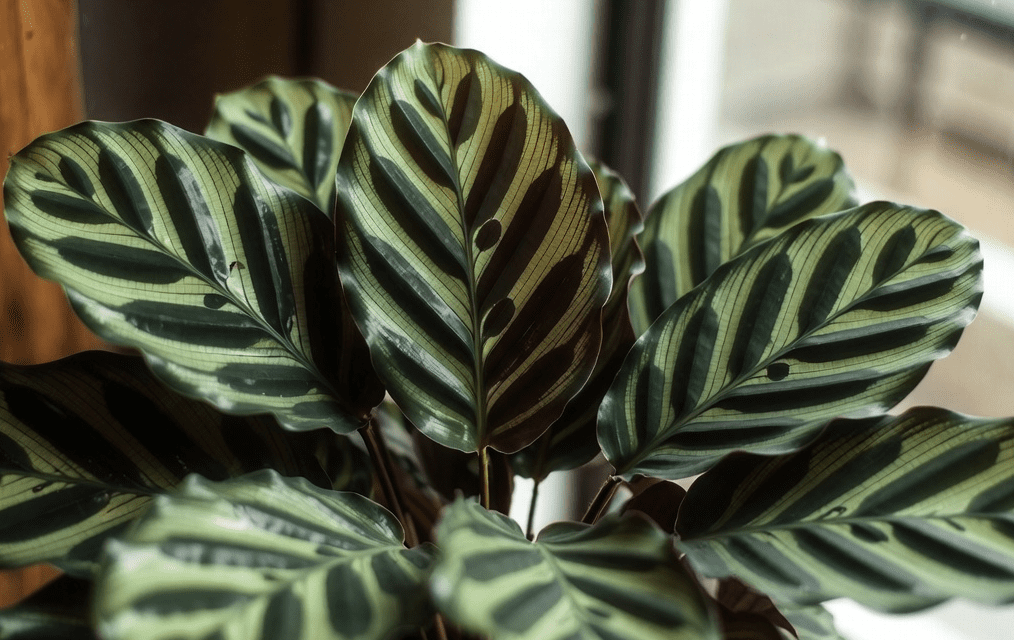
Calathea lancifolia, commonly called the Rattlesnake Plant, has long, narrow, wavy leaves with dark green markings and purple undersides.
This is one of the best Calathea types for newer growers. It still wants humidity and consistent watering, but it usually tolerates normal indoor life better than Orbifolia or White Fusion.
The narrow leaves make it a good choice for shelves, plant corners, and spaces where a wide-leaved Calathea would feel too bulky. If someone asks me which Calathea to try first, Rattlesnake Plant is usually near the top of the list.
4. Calathea Makoyana

Calathea makoyana, also called the Peacock Plant, has feather-like markings in green, cream, and silver tones. The pattern looks almost like a peacock feather, which explains the common name.
This variety has a classic tropical look without feeling too heavy or dark. It works especially well in bright bathrooms, humid rooms, and indoor plant shelves away from direct sun.
Calathea makoyana is not the hardest Calathea, but it still needs regular care. Give it indirect light, evenly moist soil, and stable humidity, and it can become one of the most rewarding patterned houseplants.
5. Calathea Roseopicta

Calathea roseopicta is a group of Calatheas with rounded leaves and bold central markings. Many popular cultivars, including Medallion-style plants, come from this group.
These plants often have rich green leaves with pink, cream, silver, or purple accents. They are showy without needing much height, which makes them excellent tabletop or plant stand choices.
The roseopicta group can be sensitive to dry air and mineral-heavy water. If you see crispy margins or dull patterns, check humidity, light intensity, and watering habits before assuming the plant is dying.
6. Calathea Medallion
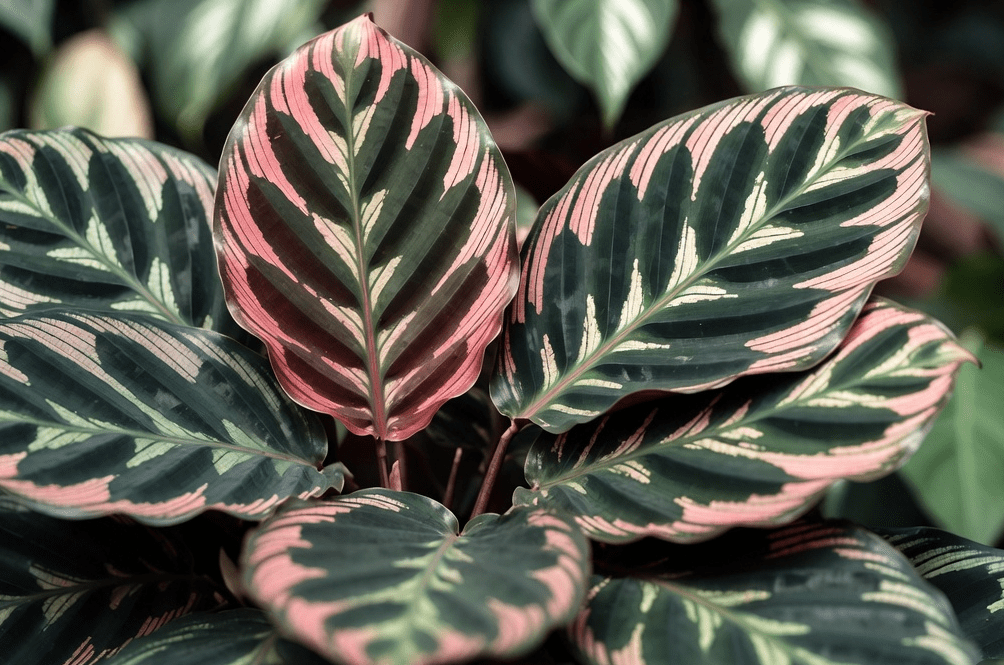
Calathea Medallion is one of the most popular roseopicta-type Calatheas. It has broad, rounded leaves with painterly green patterns and deep purple undersides.
The leaves look almost like layered brushstrokes, which makes Medallion one of the best Calathea types for people who want maximum visual impact in a small footprint.
It prefers bright indirect light and consistent moisture. If light is too harsh, the leaves can fade or scorch. If humidity is too low, the edges may crisp.
7. Calathea Warscewiczii

Calathea warscewiczii, often called Jungle Velvet, has deep green velvety leaves with lighter green central markings and maroon-purple undersides.
This is one of the richest-looking Calathea varieties. The foliage has a soft, luxurious appearance that makes it feel more like a collector plant than a basic houseplant.
Jungle Velvet strongly dislikes dry air. If your home has winter heating or low humidity, use a humidifier or place it in a naturally humid room. This plant looks best when the leaves can stay soft, full, and uncrispy.
8. Calathea Crocata
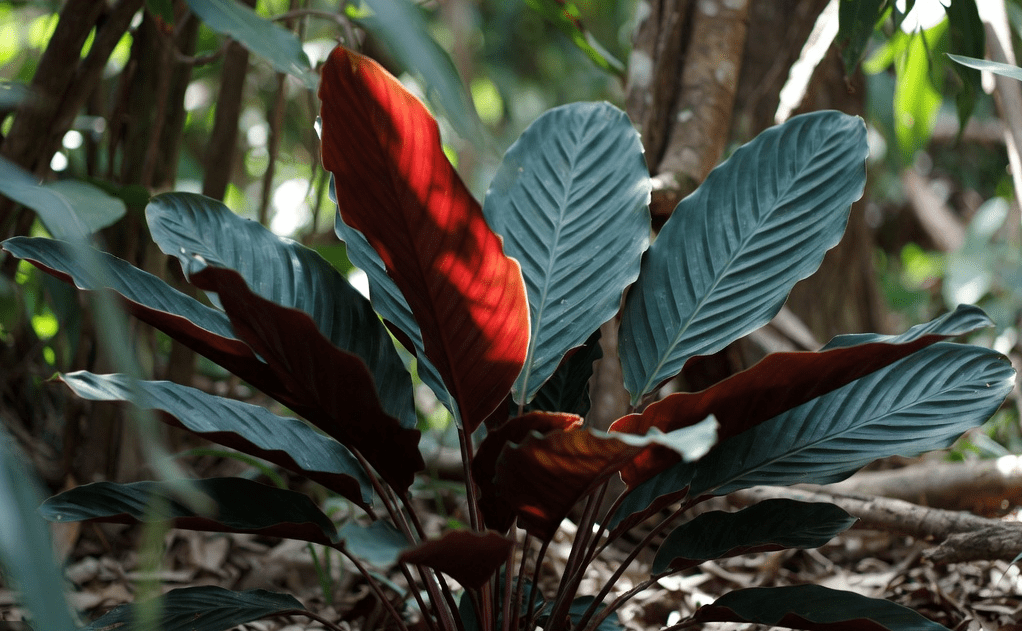
Calathea crocata, sometimes called Eternal Flame Plant, is different because it is grown as much for its orange flower bracts as for its foliage.
Most Calatheas are famous for leaves. Crocata brings a warm orange floral display that looks almost torch-like when the plant is happy.
It still needs Calathea-style care: warmth, humidity, filtered light, and moist but not soggy soil. If you want a Calathea that offers more than foliage, this is the standout choice.
9. Calathea Rufibarba
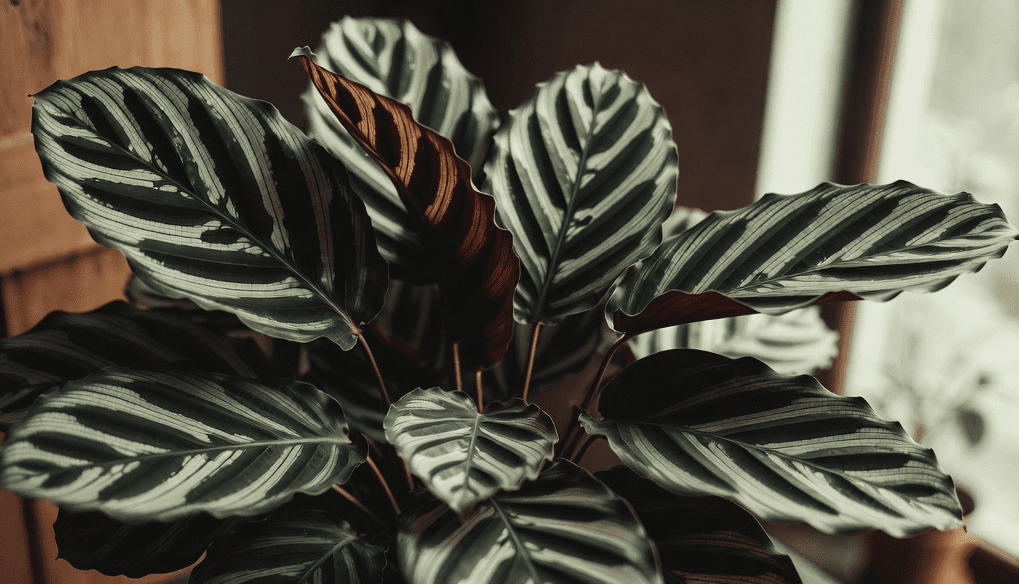
Calathea rufibarba has long, narrow, wavy leaves with a soft, slightly fuzzy texture and reddish-purple undersides.
This is one of the more forgiving Calathea varieties. It does not have the most dramatic painted pattern, but it makes up for that with texture and reliability.
Calathea rufibarba is a smart choice if you want something tropical but less fussy than Orbifolia. It can handle normal indoor conditions better than many showier types, though it still appreciates humidity.
10. Calathea Zebrina

Calathea zebrina, commonly called the Zebra Plant, has velvety green leaves with bold zebra-like striping.
The stripes give it a very graphic look, especially when the plant is full and healthy. It fits well in rooms where you want foliage that has texture and strong contrast.
Zebrina needs steady moisture and humidity. When the air gets too dry or the plant dries out too often, the leaves may curl or develop brown tips.
11. Calathea Veitchiana

Calathea veitchiana has broad decorative leaves with intricate markings that look layered and feathered. It is often confused with Medallion-type Calatheas because of the rounded leaf shape and ornate patterning.
This type works well when you want a bold tabletop plant with detailed foliage rather than tall vertical growth.
Like other decorative Calatheas, it does best with consistent moisture, no harsh sun, and humidity that stays above dry-house levels.
12. Calathea White Fusion
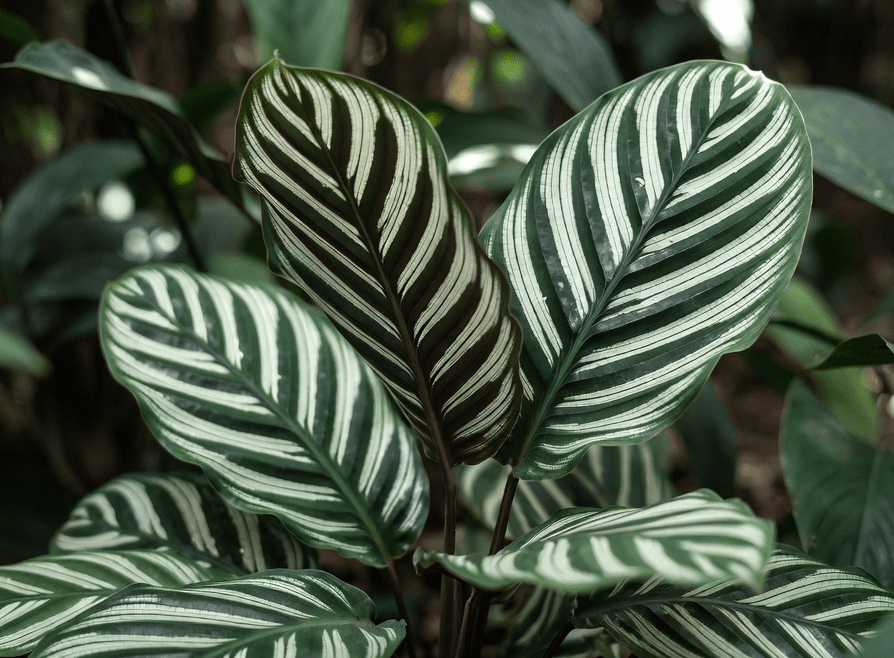
Calathea White Fusion is one of the most striking Calathea varieties, with green, white, and sometimes lavender-toned variegation.
It is also one of the most difficult.
The white portions of the leaves brown easily, and the plant is sensitive to water quality, low humidity, temperature swings, and direct sun. This is not the Calathea I would recommend as a first plant unless your indoor growing setup is already strong.
If you can provide stable humidity and gentle light, White Fusion can be spectacular. If not, it may become a crispy drama queen faster than you expect.
13. Calathea Beauty Star
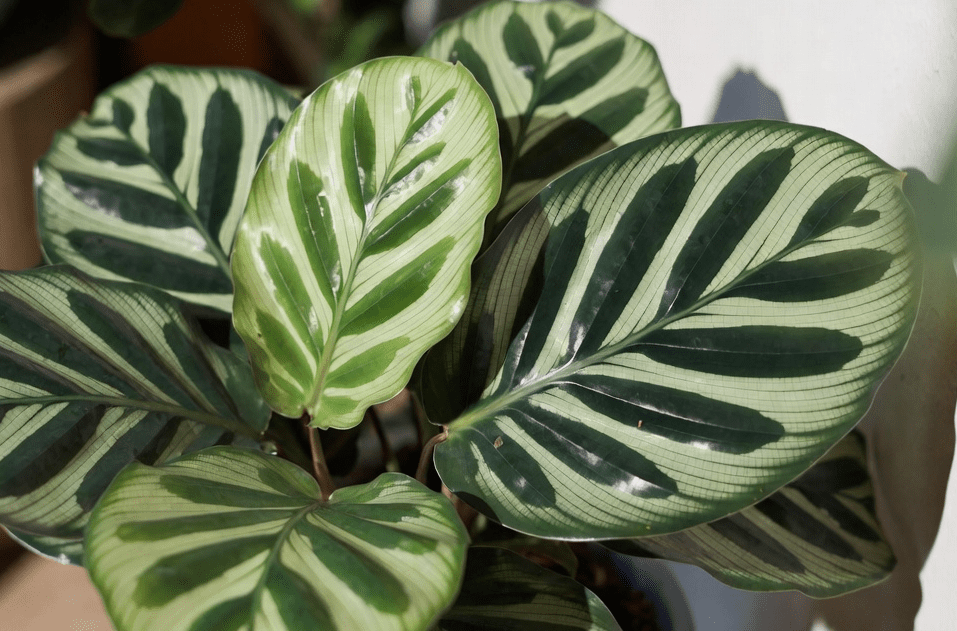
Calathea Beauty Star has long leaves with fine striping and elegant contrast. It looks somewhat like a softer, more detailed relative of the Pinstripe Calathea.
The pattern is refined rather than loud, making it a good choice for plant lovers who want detail without the bold round leaves of Medallion or Orbifolia.
Beauty Star prefers bright indirect light and steady humidity. Avoid direct sun, which can fade and burn the narrow leaves.
14. Calathea Freddie

Calathea Freddie has lighter green leaves with darker green striping. Compared with some dramatic Calatheas, it has a cleaner, calmer look.
It is often a good option for growers who want a patterned plant that does not look too visually heavy.
Freddie is usually easier than the most delicate varieties, but it still needs standard Calathea care: no direct sun, no bone-dry soil, no cold drafts, and enough humidity to prevent crispy edges.
15. Calathea Musaica

Calathea musaica, often sold as Network Plant, has a fine mosaic pattern across the leaves. Instead of bold stripes or dramatic color, it has a delicate grid-like texture.
This is one of the most underrated Calathea types. It does not shout from across the room, but up close, the leaf pattern is incredible.
Many growers find Calathea musaica slightly easier than some of the more dramatic Calatheas. It is a good bridge plant for someone who wants Calathea beauty without jumping straight into White Fusion-level fussiness.
Calathea Types Comparison Table
Use this table to compare popular Calathea varieties before choosing one for your home.
| Calathea Type | Common Name | Best Feature | Difficulty |
|---|---|---|---|
| Calathea Ornata | Pinstripe Calathea | Pink pinstripe markings | Moderate |
| Calathea Orbifolia | Orbifolia | Large round silver-green leaves | Harder |
| Calathea Lancifolia | Rattlesnake Plant | Wavy narrow leaves with dark markings | Easier |
| Calathea Makoyana | Peacock Plant | Feather-like leaf pattern | Moderate |
| Calathea Roseopicta | Rose-Painted Calathea | Bold rounded foliage patterns | Moderate |
| Calathea Medallion | Medallion Plant | Large patterned leaves with purple undersides | Moderate |
| Calathea Warscewiczii | Jungle Velvet | Velvety foliage and maroon undersides | Moderate to harder |
| Calathea Crocata | Eternal Flame Plant | Orange flower bracts | Moderate |
| Calathea Rufibarba | Furry Feather Calathea | Soft wavy leaves | Easier |
| Calathea Zebrina | Zebra Plant | Bold striped velvety leaves | Moderate |
| Calathea Veitchiana | Veitchiana | Broad ornate foliage | Moderate |
| Calathea White Fusion | White Fusion | White and green variegation | Harder |
| Calathea Beauty Star | Beauty Star | Fine elegant striping | Moderate |
| Calathea Freddie | Freddie | Clean green striping | Easier to moderate |
| Calathea Musaica | Network Plant | Fine mosaic pattern | Easier to moderate |
Easiest Calathea Types for Beginners
If you are new to Calatheas, do not start with the most dramatic and fragile variety just because it looks good in a photo.
Some Calathea types are much more forgiving than others.
Best Beginner-Friendly Calatheas
- Calathea Lancifolia: usually one of the easiest and most reliable choices.
- Calathea Rufibarba: more forgiving and less prone to looking terrible overnight.
- Calathea Musaica: often easier than many bold-patterned types.
- Calathea Makoyana: still needs humidity, but is a classic beginner option.
- Calathea Freddie: attractive without being as demanding as White Fusion.
Beginner Warning
Calathea Orbifolia, Calathea Ornata, and Calathea White Fusion are beautiful, but they can be frustrating if your home has dry air, inconsistent watering, or harsh tap water.
Calathea Care Tips
Calatheas are not impossible, but they do have preferences. The closer you get to their ideal environment, the better the leaves look.
Light
Most Calathea types prefer bright, indirect light.
Direct sun can scorch the leaves and fade the patterns. Too little light can slow growth and reduce the intensity of the foliage colors.
A bright room with filtered light is usually ideal. North-facing or east-facing windows often work well, while strong south or west sun may need a sheer curtain.
Water
Calatheas like evenly moist soil, but they do not want to sit in soggy potting mix.
Water when the top inch of soil begins to feel slightly dry. If the plant dries out completely, leaves may curl or crisp. If the soil stays wet too long, roots can rot.
Many Calatheas also react poorly to mineral-heavy tap water. If your leaf tips keep browning even when watering seems correct, try filtered, rain, or distilled water.
Humidity
Humidity is one of the biggest reasons Calatheas struggle indoors.
Many homes are too dry, especially during winter when heating systems are running. Low humidity often causes brown edges, curling leaves, and crispy tips.
A humidifier is usually more effective than occasional misting. Misting may briefly raise moisture on the leaves, but it does not create stable room humidity.
Temperature
Keep Calatheas warm and away from cold drafts.
They generally prefer indoor temperatures around 65°F to 80°F. Avoid placing them near cold windows, exterior doors, heating vents, or air conditioners.
Soil
Use a light, well-draining indoor potting mix that holds some moisture but does not stay swampy.
A good Calathea mix often includes peat or coco coir, perlite, and fine bark or another ingredient that improves aeration.
Fertilizer
Feed lightly during the growing season.
A balanced liquid houseplant fertilizer diluted to half strength every 4 to 6 weeks during spring and summer is usually enough. Avoid overfertilizing, which can burn roots and worsen leaf tips.
Common Calathea Problems
Calatheas communicate quickly when something is wrong. The good news is that most problems point back to light, water, humidity, temperature, or water quality.
| Problem | Likely Cause | What to Do |
|---|---|---|
| Leaves curling | Underwatering, low humidity, cold drafts | Check soil moisture, increase humidity, move away from drafts |
| Brown crispy edges | Dry air, inconsistent watering, mineral-heavy water | Use a humidifier and consider filtered or distilled water |
| Yellow leaves | Overwatering, poor drainage, root stress | Check roots, drainage holes, and watering frequency |
| Faded leaf patterns | Too much direct sun or too little light | Move to bright indirect light |
| Drooping leaves | Dry soil, wet soil, shock, temperature stress | Check soil before watering and stabilize the environment |
Calathea Leaves Curling: What It Usually Means
Calathea leaves curling is one of the most common problems indoor growers see. Curling is not always a disaster, but it is a warning sign.
The most common causes are underwatering, dry air, cold drafts, temperature swings, or stress after moving the plant.
What to Check First
- Soil moisture: if the pot is dry several inches down, water thoroughly.
- Humidity: if the air is dry, use a humidifier instead of relying only on misting.
- Temperature: move the plant away from cold windows, vents, and exterior doors.
- Light: avoid harsh direct sun, which can stress leaves quickly.
- Water quality: try filtered or distilled water if tips keep browning.
Fast Diagnosis
If Calathea leaves curl and the soil feels dry, water first. If the soil is already moist, look at humidity, drafts, and root health before adding more water.
Are Calatheas Pet Safe?
Calatheas are commonly considered pet-friendly houseplants, which is one reason they are popular with people who have cats or dogs.
Still, “pet safe” does not mean your pet should eat the plant. Chewing any houseplant can cause stomach upset, and curious pets can damage leaves quickly.
If your pet has a habit of chewing plants, place your Calathea somewhere out of reach and check with your veterinarian if you have specific concerns.
Calathea vs Prayer Plant: Are They the Same?
Calatheas are often called prayer plants because their leaves move in response to light, but they are not always the exact same plant as the classic Maranta prayer plant.
They are related and have similar care preferences, but plant shops often use the names loosely.
| Plant | Growth Habit | Main Appeal |
|---|---|---|
| Calathea | Usually upright clumping foliage | Bold leaf patterns and tropical color |
| Maranta | Often lower and more spreading or trailing | Classic prayer plant movement and patterned leaves |
Both prefer indirect light, warmth, humidity, and evenly moist soil.
Best Place to Put a Calathea Indoors
The best location for a Calathea is a warm room with bright, indirect light and stable humidity.
Bathrooms with bright windows can work beautifully because humidity is naturally higher. Kitchens, plant rooms, and bright bedrooms can also work if the plant is protected from direct sun and drafts.
Good Calathea Locations
- near an east-facing window
- several feet back from a bright south or west window
- in a bright bathroom with indirect light
- near a humidifier in a plant corner
- on a shelf where direct sun does not hit the leaves
Bad Calathea Locations
- direct afternoon sun
- cold windowsills in winter
- near heating vents
- beside air conditioners
- dark corners with very low light
- rooms with extremely dry air
Calathea Buying Checklist
Before buying a Calathea, inspect the plant closely. Many problems are easier to avoid at the store than fix at home.
- Check leaf edges: a few tiny brown tips are normal, but severe crisping may signal stress.
- Look under leaves: check for pests like spider mites or sticky residue.
- Feel the soil: avoid plants sitting in swampy, sour-smelling potting mix.
- Check new growth: active new leaves suggest the plant is still growing well.
- Match difficulty to your home: do not buy White Fusion if your home is dry and you hate using humidifiers.
Helpful supplies for growing healthier Calatheas indoors:
Final Thoughts
Calatheas are not the easiest houseplants, but they are absolutely worth growing if you enjoy patterned foliage and tropical indoor plants.
The best Calathea type for you depends on your growing conditions.
If you are new to Calatheas, start with Rattlesnake Plant, Peacock Plant, Musaica, Freddie, or Rufibarba. If you already have good humidity and consistent watering habits, then Ornata, Orbifolia, Medallion, Zebrina, and White Fusion can be rewarding showpieces.
The secret is not complicated: bright indirect light, consistent moisture, high humidity, warm temperatures, and no harsh direct sun.
Observe your plant closely and adjust care as the leaves respond. Calatheas are dramatic, yes, but they are also honest. Their leaves usually tell you exactly when something needs to change.
Frequently Asked Questions
What are the most popular Calathea types?
The most popular Calathea types include Calathea ornata, Calathea orbifolia, Calathea lancifolia, Calathea makoyana, Calathea roseopicta, Calathea medallion, Calathea zebrina, Calathea rufibarba, and Calathea warscewiczii.
Which Calathea is easiest to care for?
Calathea lancifolia, also called Rattlesnake Plant, is one of the easier Calathea types. Calathea rufibarba, Calathea musaica, Calathea Freddie, and Calathea makoyana are also more forgiving than some fussier varieties.
Why do Calathea leaves curl?
Calathea leaves often curl because of underwatering, low humidity, cold drafts, or stress. Check the soil moisture first, then look at humidity and temperature conditions.
Why are my Calathea leaf edges turning brown?
Brown crispy edges usually come from low humidity, inconsistent watering, mineral-heavy tap water, fertilizer buildup, or direct sun exposure.
Do Calatheas need a humidifier?
A humidifier is not always required, but it helps a lot in dry homes. Calatheas generally look better when indoor humidity is higher and more stable.
Can Calatheas grow in low light?
Calatheas can tolerate lower light, but they usually grow better and keep stronger leaf patterns in bright, indirect light. Avoid direct sun, which can scorch the leaves.
How often should I water a Calathea?
Water when the top inch of soil begins to feel slightly dry. Keep the soil evenly moist but not soggy. Watering frequency depends on pot size, soil mix, light, temperature, and humidity.
Are Calatheas toxic to cats and dogs?
Calatheas are commonly considered pet-friendly houseplants. However, pets should not be encouraged to chew them because eating any houseplant can cause stomach upset.
What is the difference between Calathea and Goeppertia?
Some plants still commonly sold as Calathea have been botanically reclassified under Goeppertia. In everyday houseplant language, many growers and shops still use the name Calathea.
Why is Calathea called a prayer plant?
Calatheas are often called prayer plants because their leaves move in response to light, often lifting upward at night and opening more during the day.