














A Dracaena plant is one of those houseplants that looks polished even when you are not running a perfect indoor jungle operation. The upright canes, sword-like leaves and clean architectural shape make it a natural fit for living rooms, offices, bedrooms and entryways.
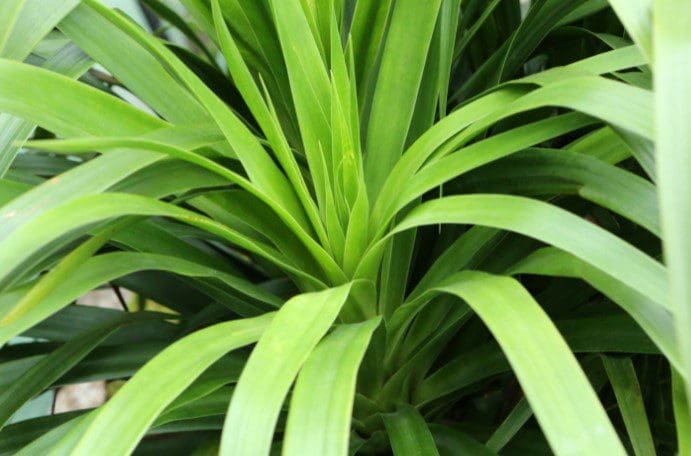
I like Dracaena because it gives you a lot of visual impact without demanding daily attention. It can handle normal indoor humidity, medium to bright indirect light and the occasional missed watering. But it does have a few non-negotiables: no soggy soil, no harsh direct afternoon sun, no cold drafts, and no pretending brown tips are “just vibes.”
The most common problems are easy to spot once you know the pattern. Dracaena brown tips usually point to water quality, dry air, inconsistent watering or fertilizer salt buildup. Yellow leaves often come from overwatering, root stress or normal aging. A soft cane is more serious and usually means rot.
Dracaena is a much easier houseplant, but Alocasia Frydek offers a more dramatic velvet-leaf look. Our Alocasia Frydek care guide explains why this plant needs more light, humidity, and careful watering.
- Light: Bright indirect light is best. Dracaena tolerates medium light, but growth slows in darker rooms.
- Water: Water when the top 2 to 3 inches of soil feel dry. Never let the pot sit in standing water.
- Soil: Use a loose, well-draining indoor potting mix with perlite, pumice or orchid bark if needed.
- Brown tips: Often caused by fluoride/minerals in tap water, dry air, inconsistent watering or fertilizer buildup.
- Pruning: Cut tall canes back with clean shears. New growth usually appears below the cut.
- Pet safety: Dracaena is toxic to cats and dogs if chewed or eaten.
You do not need a complicated setup, but a few basic supplies make Dracaena care much easier, especially if your tap water or indoor air causes brown tips.
| Supply | Best For | Why It Helps | Check Price |
|---|---|---|---|
| Moisture Meter | Avoiding overwatering | Helpful if you tend to water on a calendar instead of checking the soil. | Amazon |
| Filtered Water Pitcher | Brown tip prevention | Useful when tap water minerals or additives seem to be stressing the leaves. | Amazon |
| Well-Draining Potting Mix | Repotting | Keeps roots oxygenated and lowers the risk of soggy soil. | Amazon |
| Indoor Pots With Drainage | Root health | Drainage holes are the boring hero of Dracaena care. No holes, no mercy. | Amazon |
| Houseplant Pruning Shears | Cutting tall canes | Clean cuts make pruning, shaping and propagation easier. | Amazon |
If you are buying potting mix, drainage pots, pruning shears, moisture meters, humidifiers or pest-control supplies on Amazon, check whether a Prime trial or discounted Prime plan is available before checkout.
Good fit for: moisture meters, indoor pots, potting mix, pruning shears, small humidifiers, plant stands and houseplant pest control.
Disclosure: Garden Frontier may earn a commission or bounty from eligible Amazon sign-ups. Prime terms, eligibility, pricing and benefits can change.
What Is a Dracaena Plant?
Dracaena is a group of tropical plants grown indoors for their upright canes, long strappy leaves and strong vertical shape. Many varieties look a little palm-like, but they are not true palms.
Popular indoor types include Dracaena marginata, Dracaena fragrans, Dracaena reflexa, Dracaena compacta and Dracaena sanderiana, which is commonly sold as Lucky Bamboo even though it is not bamboo.
Some older indoor-air studies included Dracaena species in controlled lab settings, but I would not buy one as an air purifier replacement. Buy it because it looks good, handles indoor life well and does not need constant fussing. Let the HVAC system handle the heroic ventilation stuff.
Best Light for Dracaena Plants
Dracaena grows best in bright indirect light. That means a bright room where sunlight does not blast the leaves for hours. A few feet from an east-facing window, near a bright north-facing window, or several feet back from a south or west window often works well.
Too much direct sun can bleach the leaves, create dry brown patches and make the plant look washed out. Too little light can cause slow growth, thin stems, leaf drop and faded variegation.
Variegated Dracaena varieties need more light than solid green types. If the stripes start fading, move the plant to a brighter spot with indirect light.
How Often Should You Water a Dracaena?
The biggest Dracaena care mistake is overwatering. These plants prefer to dry slightly between waterings. They do not like wet, heavy, compacted soil around their roots.
Water your Dracaena when the top 2 to 3 inches of soil feel dry. Do not water on a fixed calendar without checking the soil first. A plant in brighter light may need water more often than one sitting across a darker room.
- Check the soil with your finger or a moisture meter.
- Water thoroughly until water drains from the bottom of the pot.
- Empty the saucer so the plant does not sit in standing water.
- Wait until the top layer dries again before watering.
In winter, growth slows and watering usually drops. This is where a lot of people accidentally drown the plant while trying to be nice. Indoor plants have suffered many tragic deaths from kindness.
Dracaena Brown Tips: Why It Happens
Dracaena brown tips are usually caused by one or more of these: fluoride or mineral sensitivity, dry indoor air, inconsistent watering, underwatering, fertilizer salt buildup, or old leaf damage.
Dracaena plants are especially known for reacting badly to some tap water. If your leaf tips turn dark brown and crispy even though your watering routine seems reasonable, water quality may be part of the problem.
If the leaf tips keep turning brown and crispy, try switching to filtered water, distilled water or rainwater. Letting tap water sit overnight may reduce chlorine, but it does not reliably remove fluoride or dissolved minerals.
You can trim brown tips with clean scissors by following the natural shape of the leaf. The damaged part will not turn green again, but trimming can make the plant look cleaner.
Yellow Leaves vs Brown Tips
| Symptom | Possible Cause | What I’d Do |
|---|---|---|
| Brown crispy tips | Dry air, tap water minerals, underwatering, fertilizer salts | Switch water source, flush soil, raise humidity and water consistently. |
| One or two yellow lower leaves | Normal aging | Remove old leaves and keep normal care steady. |
| Many yellow leaves at once | Overwatering, root stress, poor drainage | Check roots, reduce watering and improve drainage. |
| Bleached patches | Too much direct sun | Move to bright indirect light. |
| Soft or mushy cane | Rot from overwatering or poor drainage | Unpot, inspect roots and cut away rotted sections if possible. |
Best Soil for Dracaena
Dracaena needs soil that holds a little moisture but drains well. Heavy garden soil or dense potting soil can stay wet too long and increase the risk of root rot.
A good mix is loose, lightweight and suitable for indoor tropical plants. Start with quality indoor potting mix and improve drainage with perlite, pumice or fine orchid bark. The goal is simple: water should move through the pot instead of camping around the roots.
Best Pot for a Dracaena Plant
The best pot for Dracaena is one with drainage holes. Decorative pots without drainage look nice, but they make overwatering much easier.
Choose a pot only slightly larger than the root ball. A pot that is too large can hold excess moisture in unused soil, which may lead to root problems. For tall cane Dracaenas, use a heavier floor planter so the plant does not become top-heavy.
Temperature and Humidity
Dracaena plants prefer normal indoor temperatures, roughly 65°F to 80°F when possible. Avoid cold drafts, exterior doors, heating vents, air conditioners and windows that get chilly in winter.
Average indoor humidity is usually fine, but very dry air can contribute to brown tips. A small humidifier near a group of houseplants is more useful than occasional misting, especially during winter heating season.
How to Fertilize a Dracaena Plant
Dracaena is not a heavy feeder. Too much fertilizer can cause salt buildup in the soil, which may lead to brown tips or stressed roots.
Feed lightly in spring and summer with a balanced liquid houseplant fertilizer diluted to half strength about once a month. Stop or reduce feeding in fall and winter when growth slows.
Signs of too much fertilizer include brown tips, white crust on the soil, leaf edge burn and stressed growth. If you suspect buildup, flush the soil with clean water and let it drain thoroughly.
How to Prune and Control Dracaena Height
As Dracaena ages, it naturally sheds older lower leaves. This creates a woody cane with a tuft of foliage at the top. That look is normal, but the plant can eventually become too tall or lanky.

Use sharp, sanitized pruning shears to cut the cane at the height you want. The remaining cane may look bare at first, but new growth points usually appear below the cut. Over time, this can create a bushier, better-shaped plant.
You can also remove yellow, dead or damaged leaves at any time. Pulling old leaves gently downward often removes them cleanly, but use scissors if they do not detach easily.
How to Propagate Dracaena Cuttings
One of the best things about Dracaena is that you can create new plants from cuttings. If the plant is too tall, the top cutting can often be rooted instead of thrown away.
Top Cutting Method
- Cut the leafy top from the cane using clean pruning shears.
- Remove a few lower leaves if needed.
- Place the stem in water or moist potting mix.
- Keep it in bright indirect light.
- Change water regularly if rooting in water.
- Pot it once roots are several inches long.
Cane Cutting Method
You can also cut bare cane sections into pieces and root them horizontally or vertically in moist soil. If planting vertically, keep track of which end was originally up. Propagation takes patience. Roots and new shoots may take several weeks.
Repotting a Dracaena Plant
Dracaena plants do not need frequent repotting. Because they grow slowly indoors, repotting every 2 to 3 years is often enough.
Repot when roots circle the bottom of the pot, water runs straight through without absorbing, soil dries extremely quickly, the plant becomes top-heavy, roots grow from drainage holes, or growth slows despite good care.
Choose a container only 1 to 2 inches wider than the current pot. Use fresh well-draining mix and avoid burying the cane deeper than it was previously growing.
Common Dracaena Problems and Fixes
Brown Leaf Tips
Brown tips usually come from water quality, dry air, inconsistent watering or fertilizer buildup. Switch to filtered, distilled or rainwater if tap water seems to be the trigger.
Yellow Leaves
One or two older yellow leaves are normal. Many yellow leaves at once may mean the plant is overwatered or sitting in poorly draining soil.
Soft or Mushy Cane
A soft cane is serious and often means rot. This usually comes from overwatering or poor drainage. Remove the plant from the pot, inspect the roots and cut away rotted sections if possible.
Faded Variegation
If the stripes or color patterns fade, the plant may need more bright indirect light.
Leaf Drop
Leaf drop can happen after a move, sudden temperature change, cold draft or watering stress. Keep care consistent and avoid moving the plant repeatedly.
Dracaena Pest Problems
Dracaena is generally resilient, but it can still attract spider mites, mealybugs, scale insects and fungus gnats, especially when stressed or grouped near infested houseplants.
Look for sticky residue, tiny webbing, cottony white clusters, brown bumps, speckled leaves or small flies around the soil. For mild pest issues, wipe leaves with a damp cloth and isolate the plant. Insecticidal soap or neem-based products may help when used according to label directions.
Shop Houseplant Pest Control on Amazon
Popular Dracaena Varieties
- Dracaena marginata: Also called Dragon Tree, with thin, spiky leaves often edged in red.
- Dracaena fragrans: Often called Corn Plant, with thick canes and broad green leaves. Some varieties have yellow or lime striping.
- Dracaena reflexa: Includes colorful varieties such as Song of India, with bright yellow or lime margins.
- Dracaena sanderiana: Commonly sold as Lucky Bamboo, even though it is not true bamboo.
- Dracaena compacta: A slower-growing compact variety with dense dark green leaves. Attractive, but less forgiving of overwatering.
Shop Live Dracaena Plants on Amazon
Is Dracaena Toxic to Cats and Dogs?
Yes. Dracaena is considered toxic to cats and dogs if chewed or eaten. It contains saponins that can cause vomiting, drooling, appetite changes, weakness or dilated pupils, especially in cats.
Dracaena is not a good choice for homes with cats or dogs that chew plants. Keep it out of reach or choose a non-toxic alternative. Contact your veterinarian if you suspect your pet has eaten any part of the plant.
Dracaena Care Mistakes to Avoid
- Overwatering: The fastest way to damage roots.
- No drainage holes: Water must be able to leave the pot.
- Harsh direct sun: Can scorch leaves.
- Cold drafts: Can stress the plant and cause leaf drop.
- Too much fertilizer: Can burn leaf tips.
- Ignoring brown tips: Often signals water quality, humidity or salt buildup problems.
- Letting dust build up: Dusty leaves absorb less light and look dull.
How to Clean Dracaena Leaves
Dracaena leaves collect dust, especially wider varieties like Dracaena fragrans. Dust blocks light and makes the plant look dull.
Wipe the leaves gently with a damp cloth. Support each leaf with one hand while wiping with the other. Avoid heavy leaf-shine products, which can leave residue or clog leaf surfaces.
Best Places to Put a Dracaena Indoors
Dracaena works well in living rooms, home offices, bedrooms with bright indirect light, entryways with natural light, dining rooms and bright bathrooms if temperatures stay warm.
Avoid placing it next to heating vents, cold windows, exterior doors or anywhere pets can chew the leaves.
Dracaena Care Calendar
| Season | Care Focus | What to Do |
|---|---|---|
| Spring | New growth | Resume light feeding, prune if needed and consider repotting. |
| Summer | Active growth | Water when soil dries and keep out of harsh direct sun. |
| Fall | Slower growth | Reduce fertilizer and monitor watering frequency. |
| Winter | Dry air and drafts | Avoid cold windows, use a humidifier if needed and water less often. |
Final Thoughts
Dracaena is one of the best indoor plants for beginners because it combines strong visual impact with relatively simple care. Give it bright indirect light, a pot with drainage, well-draining soil and a careful watering routine, and it can last for years indoors.
The biggest keys are avoiding overwatering, watching for brown tips, using better water if your tap water causes leaf burn, and keeping the plant away from cold drafts and curious pets.
Frequently Asked Questions About Dracaena Plant Care
How often should I water a Dracaena plant?
Water a Dracaena when the top 2 to 3 inches of soil feel dry. Always check the soil before watering because light, temperature, pot size and season affect how quickly the soil dries.
Does Dracaena need direct sunlight?
No. Dracaena grows best in bright indirect light. Direct afternoon sun can scorch or bleach the leaves.
Why are my Dracaena leaf tips turning brown?
Brown tips are usually caused by dry air, inconsistent watering, fluoride or mineral sensitivity, underwatering or fertilizer salt buildup. Try filtered or distilled water and avoid overfertilizing.
Why are my Dracaena leaves turning yellow?
A few yellow lower leaves can be normal aging. Many yellow leaves at once may indicate overwatering, poor drainage, root stress or sudden environmental changes.
What soil is best for Dracaena?
Use a loose, well-draining indoor potting mix. You can improve drainage with perlite, pumice or orchid bark.
Can I cut the top off my Dracaena?
Yes. You can prune a tall Dracaena cane at the desired height. New growth often appears below the cut, and the removed top can usually be propagated.
Can Dracaena grow in low light?
Dracaena can tolerate medium to lower light, but growth will slow and variegated varieties may lose color. Bright indirect light is best.
Is Dracaena toxic to pets?
Yes. Dracaena is toxic to cats and dogs if chewed or eaten. Keep it away from pets that nibble houseplants.
How big can a Dracaena get indoors?
Many cane-type Dracaena plants can reach several feet tall indoors, and some may eventually grow 6 to 10 feet tall under good conditions.
How do you propagate Dracaena?
Dracaena can be propagated from top cuttings or cane cuttings. Cut a healthy stem section and root it in water or moist potting mix in bright indirect light.
Join our free Garden Frontier list for plant care notes, houseplant troubleshooting, seasonal growing tips and indoor plant ideas.
100% Free. No spam. Unsubscribe anytime.