
















Sage is one of those herbs that feels both ancient and modern. It has been used for centuries in Mediterranean kitchens, traditional herbal preparations, and home gardens. Its soft gray-green leaves, strong savory aroma, and earthy flavor make it a classic partner for poultry, pork, sausage, beans, butter sauces, and holiday stuffing.
But sage is more than a seasoning. Historically, it has been used in folk traditions for sore throats, digestion, sweating, memory, mouth comfort, and women’s wellness. Modern research has explored some of these uses, especially sage’s antioxidant compounds and possible effects on cognition, menopause symptoms, oral health, blood sugar, and cholesterol.
This guide explains sage health benefits in a careful, practical way, while also covering culinary uses, sage tea, safety warnings, how to grow sage, how to harvest it, and how to store the leaves for year-round use.
Quick Answer: What Is Sage Good For?
Sage is best known as a culinary herb, but it also contains antioxidant and aromatic compounds that have been studied for memory, oral comfort, menopause symptoms, blood sugar, cholesterol, and digestion. Sage is generally safe in normal food amounts, but concentrated supplements, essential oils, and high-dose sage tea should be used cautiously because common sage contains thujone.
Sage is commonly used as a food herb, but medicinal doses are not right for everyone. Avoid high-dose sage, sage essential oil, or concentrated sage supplements if you are pregnant, breastfeeding, have a seizure disorder, take diabetes medication, take sedatives, use blood-thinning medication, or take prescription medicine unless your healthcare professional approves it. Sage essential oil should not be swallowed unless supervised by a qualified clinician.
What Is Sage?
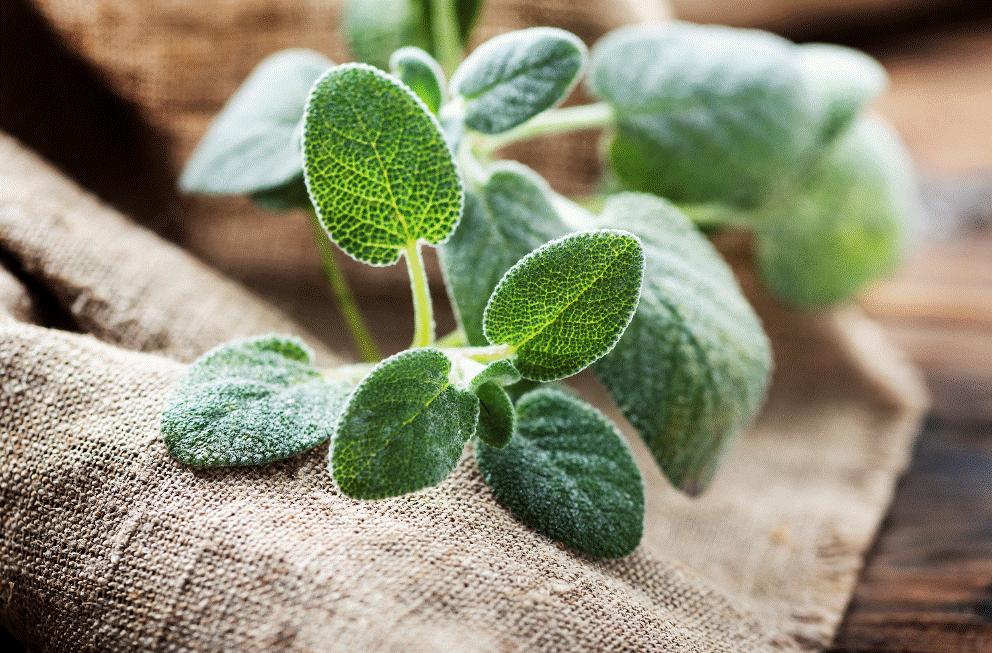
Sage, usually referring to Salvia officinalis, is a perennial herb in the mint family. It is native to the Mediterranean region and has long been valued for both cooking and traditional herbal use.
The name Salvia is often connected with the Latin word salvere, meaning “to save” or “to heal,” which reflects the plant’s long history in traditional medicine. The species name officinalis was historically used for plants kept in apothecaries or storerooms of remedies.
In the kitchen, sage has a strong, savory, slightly peppery flavor. In the garden, it is drought-tolerant, pollinator-friendly, attractive, and useful as both an herb and ornamental plant.
Main Sage Health Benefits
Sage contains several plant compounds that help explain why it has attracted scientific attention. These include rosmarinic acid, caffeic acid, chlorogenic acid, flavonoids, volatile oils, and other antioxidant compounds.
Important note: most sage research uses extracts, capsules, essential oils, mouth rinses, or controlled preparations — not simply the amount sprinkled on dinner. Food use is still valuable, but it should not be treated like a medication.
1. Sage Is Rich in Antioxidant Compounds
Sage leaves contain antioxidant compounds that help protect plant tissue and may support overall wellness as part of a varied diet. These include rosmarinic acid, caffeic acid, chlorogenic acid, and flavonoids.
Using sage in cooking is an easy way to add more herbs and plant compounds to meals. It pairs especially well with roasted vegetables, beans, poultry, pork, mushrooms, squash, potatoes, and butter sauces.
2. Sage and Memory Support
Sage has a long traditional association with memory and mental clarity. Modern studies have explored sage extracts and sage essential oil preparations for attention, memory, and cognition. Some early research suggests possible benefits, but the evidence is not strong enough to treat sage as a cure or reliable treatment for memory disorders.
One reason sage is interesting to researchers is that certain sage compounds may influence acetylcholine, a brain chemical involved in learning and memory. However, this does not mean drinking sage tea will treat Alzheimer’s disease or prevent cognitive decline.
For everyday use, the safest way to think about sage is as a flavorful herb that may have promising research behind it — not a replacement for medical care.
3. Sage Tea for Throat and Mouth Comfort
Sage tea and sage gargles have traditionally been used for throat and mouth comfort. Sage has aromatic, astringent, and plant-based compounds that make it popular in herbal mouth rinses and gargles.
A simple sage gargle can be made by steeping dried sage leaves in hot water, cooling the infusion completely, and gargling gently. Do not swallow large amounts, and avoid this use in children unless a pediatric professional says it is appropriate.
Steep 1 teaspoon of dried sage or 1 tablespoon of fresh sage leaves in 1 cup of hot water for 5 to 10 minutes. Strain before drinking. For a gargle, let it cool completely first. Use modest amounts and avoid high-dose daily use unless approved by a healthcare professional.
4. Sage and Menopause Support
Sage has traditionally been used for sweating and hot flashes. Some sage products have been studied for menopausal symptoms, especially excessive sweating and hot flashes. Results are promising enough that many herbal users are interested in sage, but women should still use caution, especially when taking medication or managing health conditions.
For menopause symptoms, sage should not be treated as a substitute for professional care. It may be worth discussing with a healthcare provider, especially if symptoms are severe or if you are considering concentrated sage supplements.
5. Sage and Blood Sugar Research
Some research has explored sage extracts and sage tea in relation to blood glucose and insulin sensitivity. This does not mean sage can replace diabetes medication or medical management.
If you take medication for diabetes or blood sugar control, use caution with sage supplements or large amounts of sage tea. Combining herbs that may affect blood sugar with medication can increase the risk of blood sugar dropping too low.
6. Sage and Cholesterol Research
Sage has also been studied for effects on cholesterol markers. Some small studies have reported changes in LDL, HDL, or total cholesterol after sage tea or extract use. However, the research is not strong enough to use sage as a primary cholesterol treatment.
The practical takeaway is simple: sage can be part of a heart-conscious diet because it adds flavor without relying on excess salt, sugar, or heavy sauces. But cholesterol management should still be guided by diet, activity, medical history, lab results, and professional advice.
7. Sage for Digestion and Heavy Meals
Sage’s strong flavor makes it a traditional partner for rich foods such as poultry, pork, butter, sausage, beans, and stuffing. In herbal traditions, sage tea has also been used after meals for digestive comfort.
From a culinary perspective, sage shines because a small amount can make heavy dishes feel more aromatic and balanced. It pairs especially well with fats, roasted foods, and savory winter meals.
Common Sage vs White Sage vs Clary Sage
Not all “sage” is the same. For cooking and most home garden use, the main herb is common garden sage.
| Type | Botanical Name | Main Use |
|---|---|---|
| Common Sage | Salvia officinalis | Culinary herb, tea, garden herb |
| White Sage | Salvia apiana | Ceremonial and aromatic use; not the standard kitchen sage |
| Clary Sage | Salvia sclarea | Aromatherapy and essential oil products; not typical culinary sage |
For recipes, choose common culinary sage unless a recipe specifically says otherwise.
Culinary Uses for Sage
Sage has a bold, earthy, slightly peppery flavor. It can overpower delicate dishes, so a little goes a long way. Fresh sage is softer and more fragrant, while dried sage is more concentrated.
Sage pairs well with:
- Chicken and turkey
- Pork and sausage
- Butter and brown butter sauces
- Gnocchi and pasta
- Beans and lentils
- Potatoes and squash
- Mushrooms
- Onions and garlic
- Stuffing and dressing
- Roasted vegetables
Fresh Sage vs Dried Sage
Fresh and dried sage are both useful, but they behave differently in recipes.
| Type | Flavor | Best Use |
|---|---|---|
| Fresh Sage | More aromatic, softer, greener | Brown butter, fried sage leaves, fresh stuffing, sauces |
| Dried Sage | Stronger, earthier, more concentrated | Stuffing, rubs, soups, beans, slow-cooked dishes |
| Rubbed Sage | Fluffy dried leaves, less dense than ground sage | Holiday stuffing, poultry seasoning blends |
| Ground Sage | Very concentrated | Use sparingly in spice blends and sausage |
A common substitution is 1 tablespoon fresh chopped sage for about 1 teaspoon dried sage. If using ground sage, start with even less.
Classic Sage and Brown Butter Pasta
One of the easiest ways to appreciate sage is with brown butter. The leaves crisp as the butter turns nutty and fragrant.
Ingredients
- 15 to 20 fresh sage leaves
- 4 tablespoons butter
- Cooked gnocchi, ravioli, or pasta
- Sea salt and black pepper
- Parmesan cheese, optional
Method
- Melt butter in a skillet over medium heat.
- Add sage leaves and cook until the butter smells nutty and the sage becomes crisp.
- Add cooked pasta or gnocchi and toss gently.
- Season with salt and pepper.
- Finish with shaved parmesan if desired.
How to Grow Sage
Sage is a perennial herb in many climates and is one of the best herbs for sunny, dry, well-drained garden spots. Once established, it is relatively drought-tolerant and does not need rich soil.
Sage prefers:
- Full sun
- Well-drained soil
- Good airflow
- Moderate watering
- Low to moderate fertility
- Protection from constantly wet winter soil
The quickest way to grow sage is from a nursery plant or cutting. It can be grown from seed, but seedlings may be slower and less uniform.
Growing Sage in Containers
Sage grows well in containers as long as the pot drains freely. This is a great option for patios, balconies, kitchen gardens, and areas with heavy clay soil.
Container tips:
- Use a pot with drainage holes.
- Choose a gritty herb potting mix.
- Place in full sun.
- Let the top of the soil dry before watering again.
- Avoid oversized pots that stay wet too long.
- Prune lightly to keep the plant compact.
How to Propagate Sage from Cuttings
Sage is often easier to propagate from cuttings than from seed.
- Choose a healthy non-flowering stem.
- Cut a 4 to 6 inch piece below a leaf node.
- Remove the lower leaves.
- Place the cutting in moist potting mix.
- Keep it in bright indirect light while it roots.
- Transplant once roots develop and new growth appears.
Keep the mix lightly moist but not soggy. Too much moisture can rot soft cuttings.
How to Harvest Sage
You can harvest sage leaves as needed once the plant is established. For the best flavor, harvest in the morning after dew has dried but before the hottest part of the day.
Harvesting tips:
- Snip individual leaves or short stems.
- Do not remove more than one-third of the plant at once.
- Harvest before flowering for the best leaf flavor.
- Prune lightly after flowering to encourage fresh growth.
- Remove woody, tired stems gradually.
How to Dry and Store Sage
Sage dries well and keeps its flavor better than many soft herbs. You can air-dry it, use a dehydrator, or dry small bunches upside down.
Air-Drying Sage
- Harvest clean, healthy stems.
- Bundle small bunches with string.
- Hang upside down in a warm, dark, well-ventilated place.
- Wait until leaves are completely dry and crumbly.
- Strip leaves from stems and store in airtight jars.
Storage Tips
- Store dried sage away from heat, light, and moisture.
- Use airtight glass jars.
- Label with the harvest date.
- Use within about 6 to 12 months for best flavor.
- Crush leaves only when ready to use for better aroma.
Can You Freeze Sage?
Yes. Fresh sage can be frozen if you want to preserve a harvest without drying it.
Easy methods:
- Freeze whole leaves on a tray, then move to a freezer bag.
- Chop sage and freeze it in olive oil cubes.
- Make sage butter and freeze it in small portions.
Frozen sage works best in cooked dishes, soups, sauces, and roasted meals.
Sage Tea Safety: How Much Is Too Much?
There is no single perfect amount of sage tea for everyone. Because common sage contains thujone, it is wise to avoid high-dose or long-term daily use unless a healthcare professional approves it.
For occasional tea, many people use about 1 teaspoon of dried sage per cup. Do not drink very strong sage tea in large amounts, and do not ingest sage essential oil.
People who should be especially cautious include:
- Pregnant people
- Breastfeeding people
- People with seizure disorders
- People taking diabetes medication
- People taking sedatives
- People taking blood thinners
- Children, unless advised by a clinician
- Anyone taking prescription medications
Sage Essential Oil Warning
Sage essential oil is much more concentrated than sage leaves or tea. It should not be swallowed as a home remedy. Essential oils can be dangerous when misused, and sage oil may contain high levels of thujone depending on the species and product.
If using sage essential oil for aroma, follow product directions, dilute appropriately for topical use, and avoid use around babies, pets, pregnancy, or medical conditions unless guided by a qualified professional.
Final Thoughts
Sage is a powerful little herb in the best sense: bold in the kitchen, beautiful in the garden, and rich in traditional use. It can add flavor to meals, support a diverse herb garden, and provide leaves for tea, gargles, and seasonal cooking.
The safest way to enjoy sage is as a culinary herb first. Use it in cooking, grow it in a sunny spot, harvest it regularly, and dry some leaves for winter. If you want to use sage medicinally or in concentrated form, treat it with respect and talk with a qualified healthcare professional first.
Frequently Asked Questions About Sage
What are the main sage health benefits?
Sage contains antioxidant and aromatic compounds and has been studied for memory, oral comfort, menopause symptoms, blood sugar, cholesterol, and digestion. The strongest everyday use is still culinary: adding flavor and plant compounds to meals.
Is sage tea safe to drink?
Occasional sage tea is commonly used by many adults, but high-dose or long-term use should be avoided unless approved by a healthcare professional. Common sage contains thujone, which can be unsafe in large amounts.
Who should avoid sage?
People who are pregnant, breastfeeding, have seizure disorders, take diabetes medication, take sedatives, use blood thinners, or take prescription medication should speak with a healthcare professional before using sage medicinally.
Can you eat fresh sage leaves?
Yes. Fresh sage leaves are edible and commonly used in cooking. They have a strong flavor, so use them sparingly.
What foods go well with sage?
Sage pairs well with poultry, pork, sausage, butter, beans, potatoes, mushrooms, squash, onions, garlic, stuffing, gnocchi, and pasta.
Is fresh sage stronger than dried sage?
Dried sage is usually more concentrated by volume than fresh sage. A common substitution is 1 tablespoon fresh chopped sage for about 1 teaspoon dried sage.
Can I grow sage in a pot?
Yes. Sage grows well in containers with full sun, well-drained soil, and a pot with drainage holes.
Does sage come back every year?
Sage is a perennial in many climates, but it may struggle in very cold, wet winters. Good drainage improves its chance of returning.
How do you harvest sage?
Harvest individual leaves or short stems once the plant is established. Avoid removing more than one-third of the plant at a time.
How do you dry sage?
Hang small bundles upside down in a warm, dark, well-ventilated place until the leaves are completely dry. Store in airtight jars away from light and moisture.