













Composting is truly one of the greatest gifts that keeps on giving. I absolutely love turning my everyday food scraps and yard waste into nutrient-rich “black gold” that sustains my plants and breathes new life into my garden soil.
Some common misconceptions about household composting are that it is way too complicated, it will smell terrible, and it is messy. Those things are only true if you compost the incorrect way! Luckily, learning how to craft a compost pile the right way is incredibly simple. Once you start, you will discover it is the most rewarding method to repurpose kitchen scraps into a powerful soil booster.
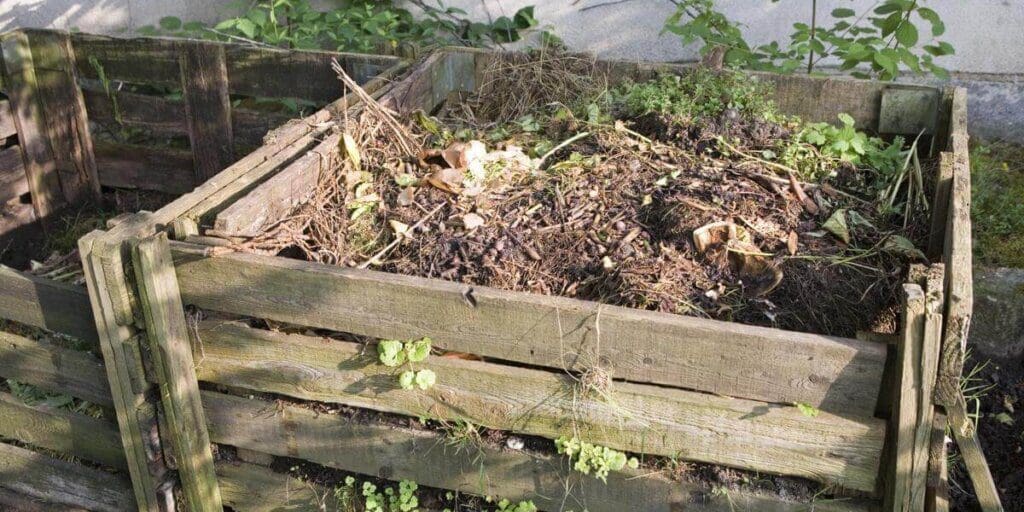
- ⚖️ The Golden Ratio: A healthy compost pile needs a balance of “Greens” (nitrogen-rich food scraps) and “Browns” (carbon-rich dead leaves and paper).
- 💦 Moisture is Key: Your compost pile should feel like a wrung-out sponge. If it gets too dry, the decomposition process stops entirely.
- 🌬️ Airflow: Turn your compost pile every few weeks with a pitchfork to introduce oxygen and speed up the breakdown process.
- 🚫 What to Avoid: Never put meat, dairy, oil, or pet feces into your compost bin. They will rot, smell awful, and attract pests.
The 3 Types of Composting
Before you begin piling on your yard waste, you should recognize that there are a few different types of composting methods you can choose from based on your timeline and effort level:
- Cold Composting: This is as easy as gathering yard waste and organic kitchen materials (like fruit peels and coffee grounds) and tossing them into a pile or bin. Over the course of 12 to 18 months, nature will slowly break the material down with almost zero effort required from you.
- Hot Composting: This method requires a more active role, but the payoff is much quicker. By perfectly balancing Nitrogen, Carbon, Air, and Water, you feed the microorganisms that rapidly accelerate decay. With hot composting, you can get usable “black gold” in just a few short weeks!
- Vermicompost (Worm Composting): This is created with the aid of special worms (typically “red wigglers”). As these worms eat your food scraps, they release castings that are heavily loaded with nitrogen. It is a fantastic option for indoor composting or small apartments.
How to Craft a Compost Pile at Home
Composting is an excellent way to use those forgotten fridge items that are past their prime, thereby drastically reducing household waste.
I highly recommend keeping a dedicated container right on your kitchen counter to collect your daily scraps before taking them outside. A solid ceramic compost bucket with a built-in charcoal filter is my favorite method for collecting materials indoors because it completely blocks odors.
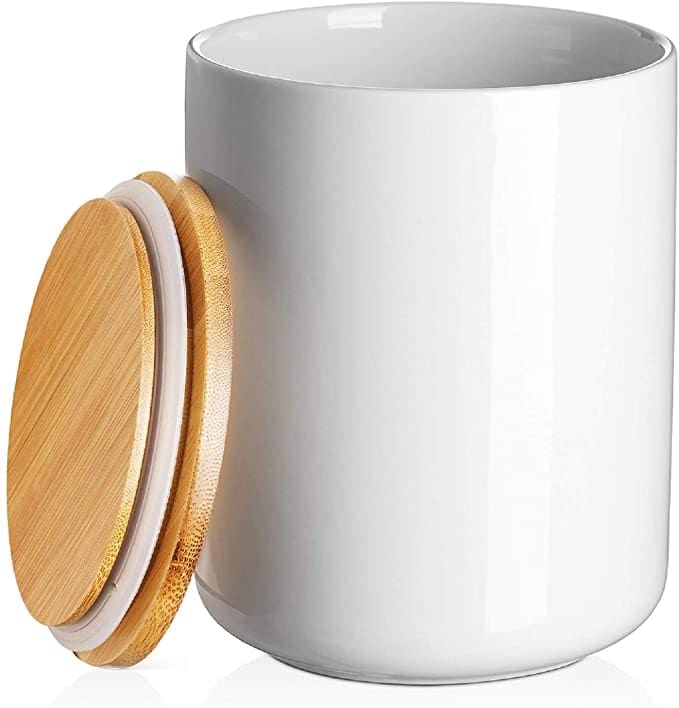
Keep Your Kitchen Odor-Free
Stop walking out to the garden every time you peel a carrot. A stylish countertop bin with a charcoal filter makes collecting kitchen scraps incredibly easy.
What You CAN Compost:
To start your compost heap right, collect a healthy mix of these “green” and “brown” ingredients:
- Fruit and vegetable scraps
- Coffee grounds and paper filters
- Crushed eggshells (crush them finely, or they will take a long time to break down!)
- Grass clippings and green plant trimmings
- Dry autumn leaves and straw
- Finely cut untreated wood and bark chips
- Shredded newspaper and unbleached cardboard
Test Garden Tip: Do not add too much citrus peel, raw onions, or garlic to your homemade compost pile. It is widely believed that large amounts of these highly acidic materials repel earthworms, which are crucial to your garden’s ecosystem.
What NOT to Compost:
Not only will the following products cause severe biological problems in your backyard, but they will also make your compost smell terrible and attract unwanted pests like rats and raccoons. Stay strictly away from these things:
- Anything containing meat, fat, oil, or heavy grease
- Dairy products (cheese, milk, butter)
- Diseased plant materials (like blighted tomato leaves)
- Chips or sawdust from pressure-treated or painted wood
- Cat or dog feces (these contain harmful pathogens)
- Weeds that have already gone to seed
Final Thoughts on Crafting Compost
It is genuinely difficult to permanently mess up garden compost, but following these basic rules will get you off to the best start possible. Remember to give your pile enough critical mass—a pile needs to be at least 3x3x3 feet to effectively heat up and break down quickly.
Do not rely on just one material. A blend of various green nutrients and brown textures will give your plants a gourmet diet that helps create natural disease and pest resistance. Above all, do not get overwhelmed! Composting is a natural process, not rocket science. Start throwing your scraps in a pile, keep it slightly moist, and let nature do the heavy lifting for you.
🌱 Grow a Thriving, Organic Garden
Join our community and get my best soil-building tips, organic gardening guides, and backyard DIY projects sent straight to your inbox.
100% Free. No spam. Unsubscribe anytime.






Comments are closed.