














For most of my life, I believed that forcefully ‘improving’ the soil was the holy grail of gardening. I was of the old school that believed a good spade, wielded vigorously, would solve almost any horticultural problem. Good, rich soil exemplified the hand of a hard-working gardener; it had moral as well as practical qualities.
I even fetishized a particular spade that I had made for myself 25 years ago as a symbol of everything noble about my relationship with the earth. But over the past few years, my entire view has changed. Modern soil science has revealed the true secrets of good soil, completely shifting my perspective on how we should treat the ground beneath our feet.
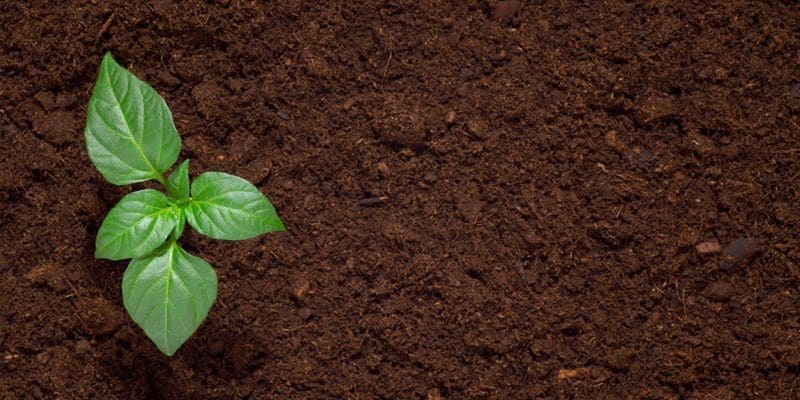
- 🛑 Stop Digging: Tilling and digging destroy delicate fungal networks and release massive amounts of stored carbon into the atmosphere.
- 🪱 Let Worms Do the Work: Earthworms are nature’s plows. Layer compost on top of the soil, and it will naturally work its way down to the roots.
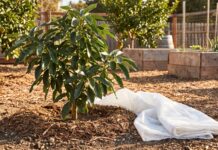
- 🍂 Never Leave Bare Soil: Always keep your soil covered with growing plants, mulch, or leaf mold to protect the soil structure from erosion.
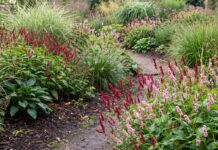
- 🪴 Right Plant, Right Place: Instead of fighting your native soil to accommodate a plant, choose plants that naturally thrive in the soil type you already have.
Understanding the Complexity Beneath Our Feet
Recent research has emerged that has made me realize two startling things. The first is that soil is a much more complex living material than we ever imagined. Its relationship to plants depends on a chain of biological interactions so interwoven and far-reaching that it makes the average neural pathway look like a basic on/off switch.
The second thing I realized is that we know practically nothing about it! It has been said that we know more about the outer reaches of the universe than about the soil 15cm beneath our feet. One-third of all living organisms on our planet live in the ground, yet we have identified only about 1% of them. If I were 21 and a scientist looking for a direction, I would turn to soil science. It is the most unexplored and exciting field, open to discovery.
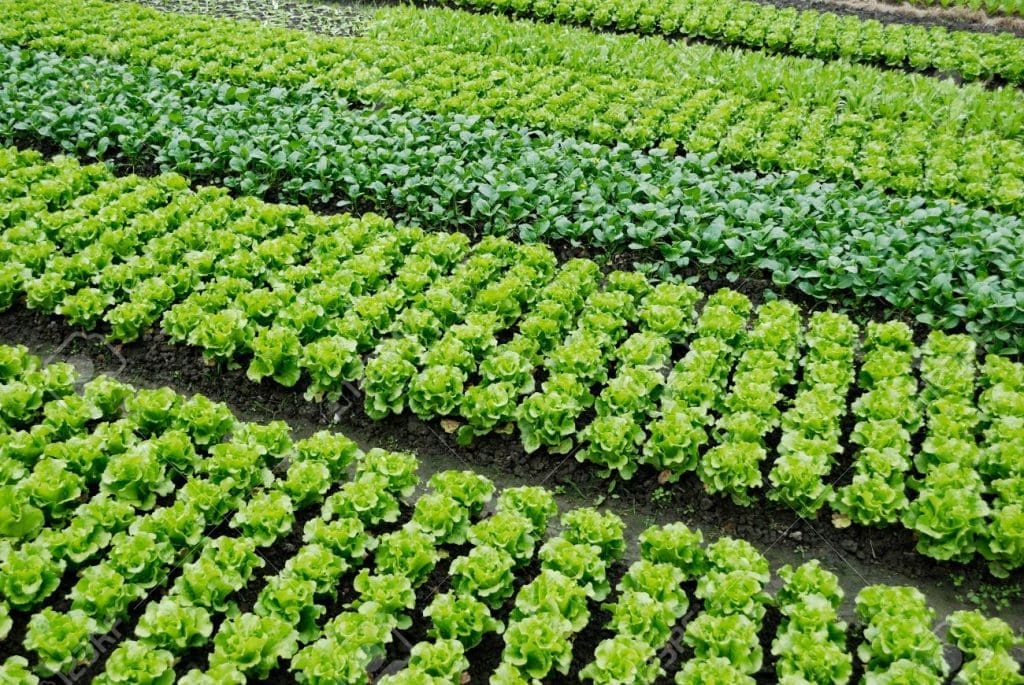
Traditionally, it was believed that there were four fundamental types of soil: clay, chalk, sand, and peat. Digging and aggressively burying large quantities of manure would immeasurably improve all four types. In reality, scientists now estimate that there are more than 50,000 unique soil types worldwide. Each one is a separate ecosystem hosting countless microscopic organisms. Suddenly, a bit of virtuous digging and a fresh load of manure doesn’t cover all the bases.
A Global Crisis: Soil Under Threat
We are losing our topsoil at an alarming rate. Over the past 40 years, approximately 2 billion hectares of soil worldwide have degraded, representing 15 percent of Earth’s land area! Topsoil is currently being lost at 10 to 40 times the rate at which it can naturally regenerate. It can take almost 1,000 years to make just a couple of centimeters of true topsoil. If we continue abusing and misusing our ground, we could face a severe crisis in just a couple of generations.
Furthermore, soil (and in particular, peat) is a major store of carbon. Loss of organic matter is detrimental to fertility, stability, and water retention. Even just digging your backyard garden—not to mention industrial plowing—releases trapped carbon directly into the atmosphere. Worldwide, agricultural tillage releases 10 times more carbon into the atmosphere every year than all global deforestation combined.
Ways to Conserve and Build Soil (The No-Dig Method)
So, if we shouldn’t dig, what is the most beneficial way to add organic matter to our soil? The best supply of organic matter comes from composted plant material, and the best tool for incorporating it is not a spade or a plow—it is the earthworm.
Earthworms are remarkably efficient at digesting and incorporating organic material. Charles Darwin famously estimated that an earthworm population moves 100 tons of soil per hectare per year! In other words, you can put the spade away permanently. There is no need to dig anything apart from the small holes required for planting.
The absolute best way to improve organic content is the “No-Dig” method: simply add a 2-5 cm layer of compost directly to the soil surface, and let the worms pull it down.
Make Your Own “Black Gold”
The secret to great soil is high-quality compost. A tumbling compost bin makes mixing greens and browns effortless, accelerating decomposition.
Adding Life to the Soil
Soil is not a solid, inert thing. Imagine it as a living entity working collaboratively with your plants. The relationship between plant roots and soil-dwelling bacteria and fungi is complex and almost entirely beneficial. Without this subterranean life, there would be no gardens.
When you apply a layer of compost as mulch, you are not ‘feeding’ the soil as such; you are recharging the life that is already there. Applying compost made largely from plants grown in your own yard adds an intense dose of beneficial bacteria and fungi back into the ground, stimulating the natural dynamic.
It is important to realize that there is no single “perfect” soil. To adapt the old adage about clothes and weather: there is no such thing as bad soil, just the wrong plants in the wrong place. A plant’s health and happiness is not solely dependent on your tender loving care. The plant has discovered the ideal soil ecosystem to establish its roots. Choose plants wisely so they interact well with your soil as it is, not as you wish it were.
How to Make the Best Compost
To create the perfect surface mulch for your no-dig garden, follow these simple composting rules:
- Separate Ingredients: Remove tough autumn leaves from your main compost bin and place them in a separate pile to slowly break down into valuable leaf mold.
- Get a Good Balance: For every load of “green” material (nitrogen-rich grass cuttings, vegetable scraps), mix in the exact same volume of “dry/brown” material (carbon-rich shredded stems, straw, or cardboard). Too much carbon slows the process down; too much nitrogen creates an evil-smelling sludge.
- Turn the Heap: Mix your compost up as often as possible to introduce oxygen. Once every 10 days is ideal.
- Don’t Let it Dry Out: The pile should feel like a wrung-out sponge. Damp the heap down with a hose if it gets too dry during the summer, or cover it with a tarp if it is facing weeks of heavy rain.
🌱 Build a Thriving, Organic Garden
Join our community and get my best no-dig gardening guides, soil-building techniques, and seasonal planting advice sent straight to your inbox.
100% Free. No spam. Unsubscribe anytime.







Comments are closed.