








When I first started gardening, I was terrified of getting things wrong. Like many beginners, I simply bought whatever standard potting soil was on sale, completely unaware of what it was made of. For decades, that standard ingredient has been peat moss. It improves soil texture, holds moisture beautifully, and provides a great environment for roots to grow.
However, there is a massive hidden cost to using traditional peat. Once I learned about the devastating environmental impact of harvesting, I immediately switched to sustainable, regenerative practices. Transitioning to peat free gardening is much easier than you might think, and your plants will love you for it. Here is everything you need to know to make the switch!

- 🛑 The Problem: Peat bogs are incredible carbon sinks. Harvesting peat destroys these ecosystems and releases massive amounts of greenhouse gases.
- 🥥 The Best Alternative: Coconut coir (made from coconut husks) is the absolute best 1:1 replacement for peat moss in potting soils.
- 💧 Watering Needs: Peat-free soils drain differently. You may need to water your plants more frequently, since coir doesn’t hold water as well as peat.
- 🐛 Boosts Biodiversity: Using peat-free compost encourages a healthier balance of beneficial microbes in your backyard soil.
The Environmental Impact of Peat
Peat bogs are often referred to as the “lungs of the Earth.” They absorb massive amounts of carbon dioxide from the air and lock it safely underground for thousands of years. In fact, peatlands store twice the carbon of all the world’s forests combined! They are also crucial for mitigating flooding and housing unique species of wildlife.
However, to get the peat moss we use in our garden compost, these bogs must be drained and scraped bare. This destructive harvesting process destroys habitats that took millennia to form and releases thousands of tons of stored carbon dioxide back into the atmosphere, directly contributing to climate change. This is precisely why major organizations, like the Wildlife Trusts, are urging home gardeners to adopt peat-free methods immediately.
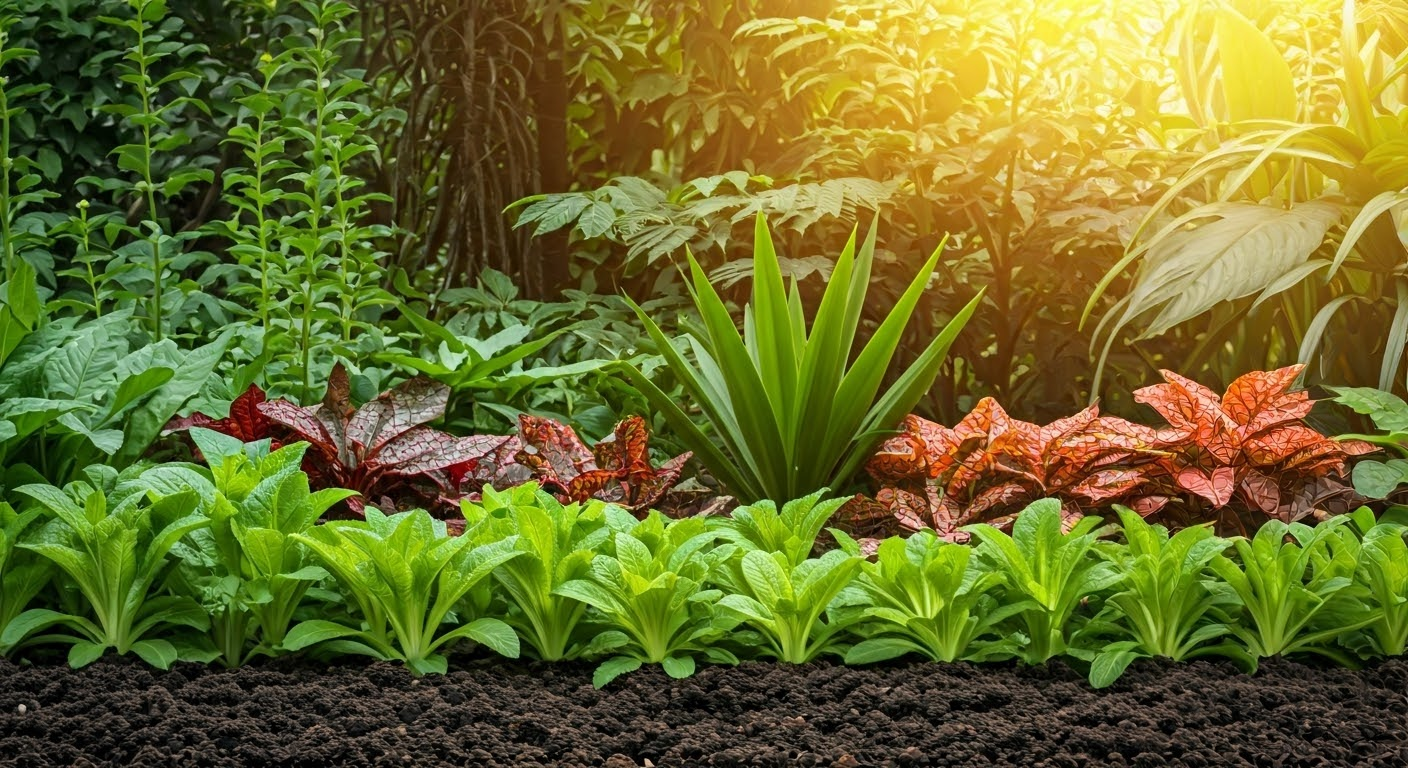
How to Transition to Peat-Free Horticulture
Transitioning to a peat-free garden might sound intimidating, but it is simpler than you expect! Many fantastic, sustainable options will give you results just as excellent—if not better—than traditional peat. Start by simply checking the labels at your local garden center. Look for bags clearly marked “100% Peat-Free.”
The Best Peat-Free Alternatives
If you prefer mixing your own potting soils, these are the best natural alternatives you should be using:
- Coconut Coir: The golden standard. Made from the discarded fibrous husks of coconuts, coir is an incredibly sustainable byproduct that offers fantastic drainage and water retention.
- Wood Fiber & Composted Bark: Shredded wood chips help provide structure to the soil and prevent compaction over time.
- Leaf Mold & Green Waste: Composted local green waste is incredibly rich in nutrients and introduces beneficial microbes to your garden beds.
The Perfect Peat Replacement
Coconut coir bricks expand in water to create light, fluffy, and perfectly aerated soil for your plants without harming the environment.
My Tips for Successful Peat-Free Gardening
Successfully moving away from peat requires a slight adjustment in how you tend to your plants. Peat-free mixes behave a little differently, but with a little observation, you will master it in no time!
- Water Correctly: Peat-free mixes (especially those high in wood fiber) often let water drain much faster than peat-based mixes. Change your watering routine! You may need to water a bit more frequently to keep the roots moist, but make sure the pots aren’t sitting in puddles.
- Improve Your Soil Texture: If your peat-free mix feels too heavy or dense, don’t be afraid to amend it. Adding a few scoops of perlite or vermiculite will instantly improve the drainage and aeration for sensitive roots.
- Feed Your Plants: Peat holds onto nutrients very well. Without it, you might need to apply a slow-release organic liquid fertilizer slightly more often during the peak growing season to keep your veggies and flowers booming.

Final Thoughts: Benefits Beyond the Soil
Peat-free gardening goes far beyond just helping the planet. By mixing your own soils with compost, worm castings, and coir, you are actively introducing billions of helpful microbes into your backyard. These microbes recycle nutrients, fight off soil-borne diseases, and create a thriving ecosystem.
This creates a beautiful, natural cycle. Healthy, living soil leads to strong plants, meaning you will need far fewer chemical fertilizers and pesticides. Make the smart, responsible choice today—switch to peat-free gardening and be a part of the solution for a greener future!
🌍 Grow a Sustainable, Organic Garden
Join our growing community and get my best organic gardening guides, soil-building tips, and sustainable landscaping ideas sent straight to your inbox.
100% Free. No spam. Unsubscribe anytime.






Comments are closed.