











Last year, I discovered black mold growing behind the drywall in my finished basement after a small pipe leak. Panicking, I grabbed my old shop-vac from the garage and started sucking up the visible patches. Within hours, my wife and kids started coughing, my eyes burned, and the entire house smelled musty.
I had made a dangerous mistake. The regular vacuum filter couldn’t trap the microscopic mold spores, and I had blown them through the exhaust straight into our living space.
A professional mold remediation expert later told me I absolutely needed a true hepa vacuum for mold removal. That single piece of advice saved us from a much bigger health and financial disaster. I bought a commercial-grade unit, safely removed the mold, and learned the hard way about sealed systems, true 0.3-micron filtration, and why cheap vacuums fail catastrophically on mold jobs.
I am writing this guide to stop other homeowners from repeating my toxic mistake. I will show you exactly what makes a real HEPA vacuum for mold remediation, when renting is a bad idea, my top 2026 recommendations, and the precise step-by-step process I now use for safe mold cleanup.
The Toxic Mistake: Why Regular Vacuums Make Mold Worse
Mold spores are tiny — 1 to 5 microns in size. Standard shop-vacs and household vacuums have filters rated at 5–10 microns or worse. When you vacuum mold, the machine agitates the colony, launching millions of spores into the air. The filter catches the big visible chunks but lets the microscopic particles pass straight through the exhaust and back into your breathing zone.
That is exactly what happened to me. Within minutes of starting, I had aerosolized black mold throughout the basement and up the stairs. My family started showing classic symptoms: headaches, respiratory irritation, and fatigue. The remediation expert later confirmed I had turned a small, contained problem into a whole-house contamination issue.
A proper hepa vacuum for black mold changes everything because it traps 99.97% of particles down to 0.3 microns and, crucially, has a completely sealed system so nothing leaks before the filter.
What Makes a True HEPA Vacuum for Mold Remediation?
Not every vacuum labeled “HEPA” is safe for mold work. A genuine hepa vacuum for mold spores must meet three non-negotiable standards:
- True HEPA filtration: The filter must capture 99.97% of 0.3-micron particles. Many cheap “HEPA-type” filters only reach 85–95% efficiency.
- Fully sealed system: The entire vacuum — from the intake to the exhaust — must be airtight. Even a small gap around the filter or motor housing will leak spores.
- Commercial-grade build: The motor, hoses, and collection tank must handle hazardous particulate without degrading. Consumer models overheat and fail quickly under continuous mold-remediation use.
I learned this the hard way after returning two “HEPA” vacuums that still released a visible dust cloud. The model I finally bought is a true commercial unit with a sealed HEPA filter, automatic filter cleaning, and a robust build that handles hours of continuous operation.
Renting vs. Buying (The “HEPA Vacuum for Mold Rental” Trap)
Many people search for a hepa vacuum for mold rental because it seems cheaper for a one-time job. In practice, renting is often a false economy. Rental units are frequently returned dirty, the HEPA filters may not have been changed, and you have no guarantee the machine is truly sealed. You also pay daily rates that add up fast if the job takes longer than expected.
For the cost of a 3–4 day rental plus transport, you can buy a solid homeowner-grade or best commercial hepa vacuum for mold that you keep for future water damage, construction dust, or pet dander cleanup. I bought mine outright and have already used it on three different projects. Ownership gives you control over maintenance and peace of mind that the machine is clean and ready when you need it.
The Best HEPA Vacuum for Mold (My Top Recommendations)
After researching specs, reading independent lab tests, and using several units myself, these are the machines I recommend in 2026:
Heavy-Duty / Commercial Pick
This is the gold-standard unit for serious mold remediation. It features a true-sealed HEPA filter, powerful suction, automatic filter cleaning, and a rugged stainless-steel tank. It handles large jobs, wet and dry pickup, and long run times without overheating. Ideal for anyone dealing with black mold or extensive water damage.

Budget-Friendly / Homeowner Pick
A reliable, affordable option that still meets true HEPA standards and sealed-system requirements. It is lighter, easier to maneuver in tight basements, and perfect for smaller mold patches or general household use. It includes multiple filter stages and a good warranty for the price.

Pros of a Quality HEPA Vacuum for Mold
- Captures microscopic spores safely
- Prevents cross-contamination
- Versatile for dust, water, and debris
- Long-term investment that pays for itself after one major cleanup
Cons
- Higher upfront cost than regular vacuums
- Heavier and bulkier than consumer models
- Requires proper filter changes and maintenance
My Step-by-Step DIY Mold Removal Process
- Gear up: Put on a P100 respirator, Tyvek suit, gloves, and eye protection. Open windows for ventilation and, if possible, set up negative air pressure.
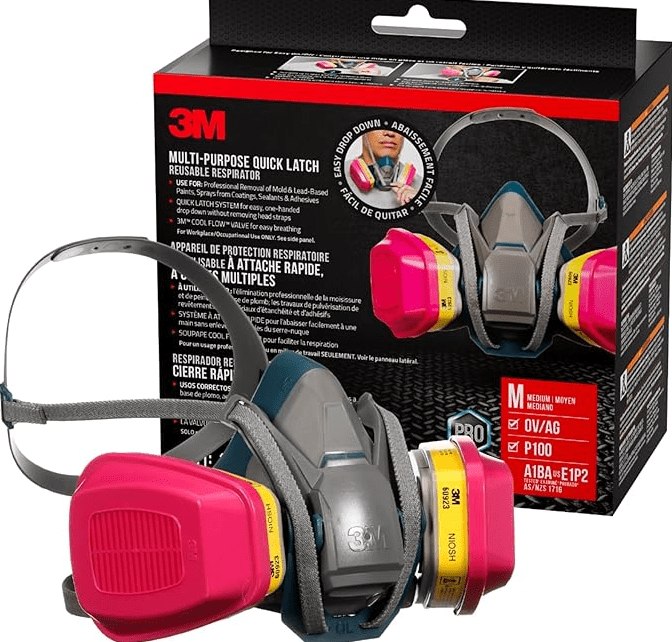
- Contain the area: Seal off the affected room with plastic sheeting and tape to prevent spore migration.
- Vacuum dry mold first: Use the hepa vacuum cleaner for mold removal on low speed to suck up loose spores and debris before you wet anything. Wet mold is heavier and less likely to become airborne, but dry vacuuming first removes the majority of loose particles safely.
- Treat the surface: Apply an EPA-registered mold killer or a 10% bleach solution (if appropriate for the surface). Let it dwell, then wipe or scrub.
- Final vacuum once completely dry: Run the HEPA vacuum again to capture any remaining spores released during treatment.
- Dispose of and clean: Double-bag all waste and dispose of it according to local regulations. Clean the vacuum’s exterior and change filters after each major job.
This process kept my family safe and prevented the mold from spreading.
Frequently Asked Questions
Can I use a regular vacuum with a HEPA filter for mold?
No, unless the vacuum has a completely sealed system, microscopic mold spores will bypass the filter and blow out through the exhaust seams.
What is the best HEPA vacuum for mold?
The best options are fully sealed, commercial-grade units specifically rated for hazardous particulate removal.
Does vacuuming mold release spores?
Yes, vacuuming agitates mold. That is why you must use a true HEPA vacuum, which traps the spores safely inside instead of exhausting them back into the room.
Final Thoughts from My Own Basement
My mistake with the shop-vac taught me a hard lesson about mold remediation. A proper hepa vacuum for mold is not a luxury — it is essential safety equipment. The right machine, used with proper PPE and containment, lets you handle small to medium mold problems safely and effectively without turning your home into a biohazard.
If you discover mold in your basement, bathroom, or anywhere else, stop and get the right tool before you start cleaning. Your lungs and your family’s health are worth the investment.
Want More Home Safety & DIY Hacks? 🏡
Join our growing community of homeowners. Get our smartest blueprints, tool reviews, and money-saving tips delivered straight to your inbox.
100% Free. No spam. Unsubscribe anytime.