
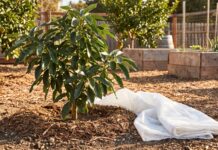









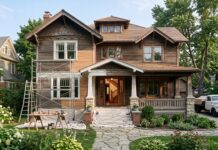



Foundation hedges are shrubs planted near the base of a house to soften bare walls, frame the entry, hide exposed foundation, and make the front yard look finished. The right hedge improves curb appeal fast. The wrong one blocks windows, traps moisture against siding, crowds walkways, and becomes a pruning job you regret every spring.
The best foundation hedge is not always the fastest-growing shrub at the garden center. It is the plant that fits the mature space, stays far enough from the house, matches your sun exposure, and keeps the front of your home clean instead of swallowed.
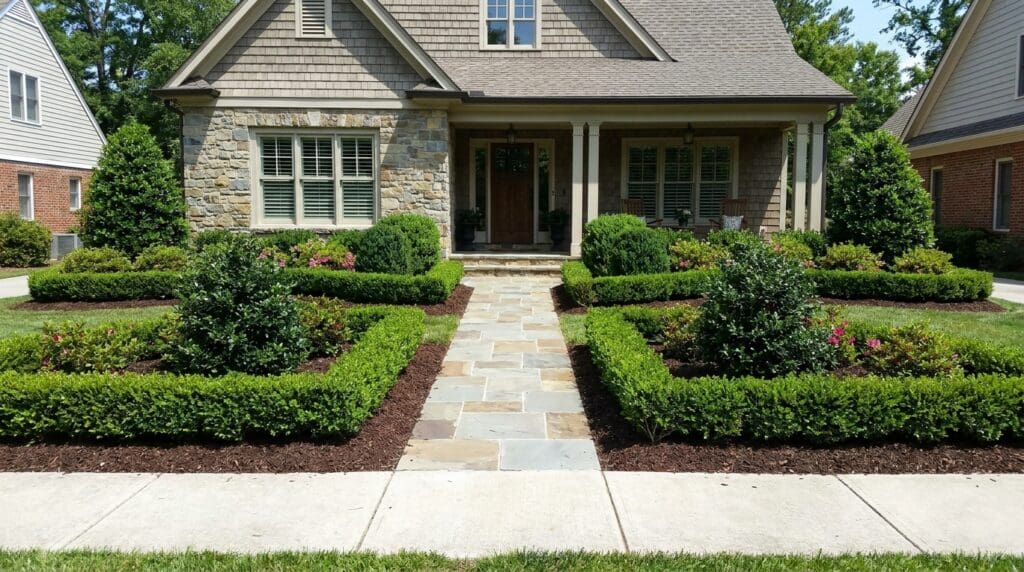
The best foundation hedges are compact, manageable shrubs that look good near a house without growing into the siding, roofline, windows, or walkway. For evergreen structure, consider boxwood, inkberry holly, dwarf yew, compact arborvitae, dwarf Japanese holly, and compact juniper. For flowering foundation hedges, consider hydrangea, spirea, dwarf lilac, compact viburnum, azalea, and shrub roses.
- Best evergreen look: boxwood, inkberry holly, dwarf yew, compact arborvitae.
- Best flowering look: hydrangea, spirea, azalea, dwarf lilac, compact viburnum.
- Best low-maintenance hedge: inkberry holly, dwarf yew, spirea, compact juniper.
- Best under windows: dwarf boxwood, dwarf spirea, dwarf Japanese holly, compact hydrangea.
- Planting distance: most foundation shrubs should sit at least 2 to 5 feet from the house, depending mature width.
- Biggest mistake: planting based on nursery size instead of mature size.
| Hedge Shrub | Best For | Mature Size | Light | Why It Works |
|---|---|---|---|---|
| Boxwood | Formal evergreen hedges | 2–6 ft., cultivar dependent | Sun to part shade | Classic, dense, easy to shape, year-round structure. |
| Inkberry holly | Boxwood alternative | 3–6 ft. | Sun to part shade | Native evergreen option with a softer, natural look. |
| Dwarf yew | Shade-tolerant evergreen hedge | 3–5 ft.+ | Sun to shade | Tolerates pruning and shade better than many evergreens. |
| Compact hydrangea | Flowering foundation hedge | 3–5 ft. | Sun to part shade | Big blooms soften the house without a rigid hedge look. |
| Spirea | Low flowering hedge | 2–4 ft. | Full sun | Colorful, compact, tough, and easy under windows. |
| Dwarf Japanese holly | Small evergreen structure | 2–4 ft. | Sun to part shade | Boxwood-like foliage with a tidy habit. |
| Compact viburnum | Mixed foundation planting | 3–6 ft., cultivar dependent | Sun to part shade | Flowers, foliage, berries on some types, and soft form. |
What Is a Foundation Hedge?
A foundation hedge is a row or loose grouping of shrubs planted near the foundation of a house. The goal is to visually connect the home to the landscape. Without foundation planting, many homes look like they were dropped onto the lot. A hedge softens that hard line.
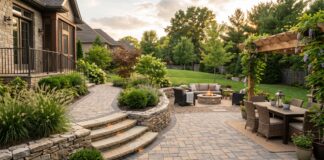
Good foundation hedges do three jobs at once: they frame the house, cover awkward foundation walls, and add curb appeal with evergreen structure, flowers, foliage color, or texture. The modern version does not have to be a stiff row of green balls. A mixed foundation planting usually looks better when evergreens, flowering shrubs, perennials, ornamental grasses, and mulch work together.
How Far Should Foundation Hedges Be From a House?
Most foundation hedges should be planted far enough from the house that the mature shrub has breathing room. A useful rule is to place the center of the shrub at least half its mature width away from the wall, then add extra room for airflow, pruning, and maintenance.
For many compact shrubs, that means planting about 2 to 5 feet away from the foundation. Larger shrubs may need 6 feet or more. The plant should not rub siding, block vents, crowd windows, trap wet leaves against the house, or make it impossible to reach the wall.
| Mature Shrub Width | Plant Center From House | Best Use |
|---|---|---|
| 2–3 ft. wide | 2–3 ft. away | Narrow beds, under windows, small homes. |
| 4–5 ft. wide | 3–4 ft. away | Typical front foundation beds. |
| 6–8 ft. wide | 4–6 ft. away | Large shrubs, corners, blank walls. |
| 10 ft.+ wide | 6 ft.+ away | Large properties only; usually too big for tight beds. |

Do Hedges Damage Foundations?
Most foundation hedges do not damage a sound foundation by themselves. The bigger problem is poor plant choice and poor placement. Large shrubs planted too close can hold moisture against siding, interfere with drainage, push into walkways, block air vents, and make foundation inspections harder.
Roots usually follow moisture and oxygen. Small and medium foundation shrubs are less concerning than large trees, aggressive woody plants, or shrubs planted directly against cracked masonry, old drains, or poor grading. If your foundation already has cracks, drainage issues, or wet basement problems, fix those before planting a hedge to hide them. Plants are not waterproof. They are decoration with roots.
Keep shrubs far enough from siding for airflow, inspection, pruning, and repairs. A hedge that completely hides the foundation may also mask water problems, pests, cracks, and rot.
A local landscaper can help choose foundation hedge shrubs that match your sun, soil, windows, walkway, drainage, and mature spacing before you plant the wrong thing too close to the house.
Regional Notes for Foundation Hedges in the U.S.
Foundation hedge performance changes by region. A shrub that looks perfect in the Northeast may struggle with heat in the South, drought in the West, alkaline soil in the Southwest, or winter burn in exposed northern sites. Use the list below as a starting point, then confirm hardiness, mature size, and local pest pressure before planting.
| Region | Good Foundation Hedge Choices | Watch Out For |
|---|---|---|
| Northeast | Inkberry holly, yew, boxwood alternatives, compact hydrangea, viburnum, dwarf lilac. | Boxwood blight, deer browsing, winter burn, heavy snow load. |
| Southeast | Dwarf yaupon holly, azalea, gardenia, dwarf loropetalum, compact holly, distylium. | Heat stress, humidity diseases, clay soil, poor drainage near foundations. |
| Midwest | Spirea, yew, panicle hydrangea, potentilla, compact viburnum, dwarf ninebark. | Cold exposure, clay soil, road salt near walks, deer pressure. |
| Pacific Northwest | Evergreen huckleberry, compact rhododendron, dwarf conifers, boxwood alternatives, leucothoe. | Wet winter soil, poor drainage, fungal diseases, deep shade near porches. |
| West Coast / Mediterranean climates | Compact ceanothus, rosemary, dwarf pittosporum, lavender, westringia, compact evergreen shrubs. | Drought, irrigation limits, reflected heat, local fire-wise planting rules. |
| Southwest | Texas sage, dwarf yaupon holly, rosemary, compact juniper, desert-adapted shrubs. | Alkaline soil, reflected heat, overwatering, foundation irrigation issues. |
Before planting a long hedge, check your state extension office or local nursery for region-specific warnings. Boxwood disease, deer resistance, invasive shrubs, fire-wise spacing, and drought restrictions can change what counts as a smart foundation hedge in your area.
Best Evergreen Foundation Hedges
Evergreen foundation hedges give a house structure in winter. They are the backbone plants. Even when flowers are gone, evergreens keep the foundation bed from looking empty.
Boxwood
Boxwood is the classic foundation hedge for formal homes, cottage gardens, and tidy front entries. It can be clipped into a low hedge or allowed to grow into soft mounds. Choose compact cultivars and avoid planting where heat, poor drainage, or winter burn are major problems.
Boxwood is still one of the most popular foundation hedge shrubs, but boxwood blight, winter burn, leafminer, and mite pressure can be problems in some regions. Choose disease-resistant cultivars when available, avoid overhead watering, keep plants spaced for airflow, and remove fallen leaves from inside dense hedges. If boxwood disease is common in your area, inkberry holly, dwarf Japanese holly, compact yew, and other boxwood alternatives may be better long-term choices.
Inkberry Holly
Inkberry holly is a strong boxwood alternative, especially for gardeners who want a native evergreen look. It has small dark leaves and a looser natural habit. Use compact cultivars for foundation beds so the hedge does not become leggy or oversized.
Dwarf Yew
Dwarf yew is useful where shade makes other evergreen hedges struggle. It tolerates pruning well and can create a dense green foundation hedge. The caution: yew can get larger than expected and many parts are toxic, so think carefully around pets, livestock, and children.
Dwarf Japanese Holly
Dwarf Japanese holly has a boxwood-like look with small glossy leaves. It works well for compact evergreen structure, especially under windows or around entries. Check cold hardiness before planting in colder zones.
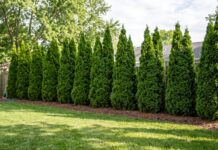
Compact Arborvitae
Compact arborvitae can work at house corners, along blank walls, or where you want vertical evergreen shape. Avoid full-size arborvitae near tight foundations unless you want a green wall that eventually needs a chainsaw conversation.
Best Flowering Foundation Hedges
Flowering foundation hedges soften the house and add seasonal interest. They are especially good when the home exterior is plain and needs color, texture, and movement.
Hydrangea
Compact hydrangeas are excellent near foundations because they add big summer flowers without needing a rigid hedge shape. Panicle hydrangeas handle more sun, while smooth hydrangeas and some bigleaf types prefer more protection depending climate.
Spirea
Spirea is a tough, low flowering shrub for sunny foundation beds. It stays manageable, blooms in spring or summer depending type, and can be pruned back without much drama. It is a strong choice under windows where taller shrubs would be annoying.
Azalea
Azaleas can make beautiful foundation hedges in acidic soil and part shade. They are especially useful in woodland-style homes, shaded entries, and regions where they thrive naturally. They do not love every soil, so test before planting a long row.
Dwarf Lilac
Dwarf lilac gives fragrance and spring flowers without the size of old-fashioned lilacs. Use it where there is enough sun and airflow. It is better as a loose hedge than a tightly clipped formal line.
Compact Viburnum
Compact viburnums can bring flowers, berries, and attractive foliage. Choose cultivar carefully because viburnums range from small foundation-friendly shrubs to big backyard beasts.
Best Low-Maintenance Foundation Hedge Shrubs
- Inkberry holly: evergreen, adaptable, less formal than boxwood.
- Dwarf yew: shade tolerant and pruning tolerant.
- Spirea: tough, compact, forgiving, and colorful.
- Compact hydrangea: big visual payoff with manageable size.
- Dwarf Japanese holly: small evergreen structure.
- Compact juniper: drought-tolerant once established, best in sun and well-drained soil.
Best Foundation Hedges for Under Windows
Under windows, mature height matters more than almost anything else. Do not plant a 6-foot shrub under a 3-foot window and tell yourself you will prune it. You might for two years. Then life happens, and suddenly your living room view is leaf wallpaper.
| Under-Window Hedge | Typical Size | Why It Works |
|---|---|---|
| Dwarf boxwood | 2–3 ft. | Clean evergreen shape below low windows. |
| Dwarf spirea | 2–3 ft. | Flowers, color, and easy size control. |
| Dwarf Japanese holly | 2–4 ft. | Boxwood-like evergreen look in the right climate. |
| Compact hydrangea | 3–4 ft. | Soft flowering hedge for taller window sills. |
Deer-Resistant Foundation Hedges
No shrub is completely deer-proof, especially when deer are hungry, but some foundation hedge shrubs are browsed less often than others. Deer pressure varies by region and neighborhood, so treat “deer-resistant” as a helpful clue, not a guarantee.
| Shrub | Why It Helps | Best Site |
|---|---|---|
| Boxwood | Aromatic foliage is often less appealing to deer. | Formal hedges, entries, low evergreen structure. |
| Japanese holly | Small evergreen leaves are often less attractive than tender broadleaf shrubs. | Sun to part shade in suitable zones. |
| Juniper | Prickly texture can discourage browsing. | Sunny, dry, well-drained foundation beds. |
| Spirea | Often recovers well even if lightly browsed. | Sunny low hedges under windows. |
| Potentilla | Tough, cold-hardy, and less favored in many areas. | Cold climates, sunny front beds. |
Best Foundation Hedges for Full Sun
Sunny foundation beds can be hot, dry, and reflective, especially near brick, stone, concrete, or light siding. Strong options include spirea, panicle hydrangea, compact juniper, boxwood, shrub roses, and potentilla. Match the cultivar to your hardiness zone and soil moisture, not just the photo on the tag.
Best Foundation Hedges for Shade
Shade near a house is common on north-facing walls, under deep eaves, or near porches. In shade, flowering may be reduced, so foliage quality and structure matter more. Strong choices include dwarf yew, inkberry holly, azalea, Japanese holly, compact oakleaf hydrangea, and leucothoe in the right region.
What Not to Plant Near a Foundation
- Full-size arborvitae in narrow beds: too tall and wide for tight foundation lines.
- Large privet: fast growth means frequent trimming, and some types are invasive in some regions.
- Running bamboo: absolutely not near foundations unless you enjoy legal drama with your future self.
- Large willows or water-loving trees: too aggressive and moisture-seeking for foundation areas.
- Thorny shrubs beside narrow walkways: painful maintenance and bad guest experience.
- Any shrub that matures above your windows: unless placed at corners or blank walls with enough space.

Foundation Hedge Spacing
Spacing depends on whether you want a formal hedge, a loose mixed planting, or individual shrubs with room between them. Tight spacing gives a faster hedge but more competition and pruning. Wider spacing looks more natural and is often healthier long term.
| Desired Look | Spacing Rule | Best For |
|---|---|---|
| Tight formal hedge | Plant 60%–75% of mature width apart. | Boxwood, yew, Japanese holly. |
| Soft connected hedge | Plant about mature width apart. | Hydrangea, spirea, inkberry, viburnum. |
| Mixed foundation planting | Leave space between mature plants. | Modern layered front yards. |
How to Plant Foundation Hedges
- Measure the bed depth. Know the room between house, walkway, and lawn edge.
- Check mature size. Use mature height and width, not pot size.
- Mark the planting line. Keep the center line far enough from the house for airflow and maintenance.
- Test drainage. Foundation beds often have compacted soil, roof runoff, or dry eaves.
- Dig wide, not deep. Plant at the same depth the shrub grew in the container.
- Water deeply after planting. New shrubs need consistent moisture during establishment.
- Mulch correctly. Keep mulch off the trunk and away from siding.
- Prune lightly early. Shape young shrubs before they become oversized.
Foundation Hedge Maintenance
Foundation hedges should make the house look better, not create a monthly battle. A good maintenance rhythm includes watering during establishment, refreshing mulch, pruning after flowering when needed, checking for pests, and keeping shrubs off siding.
For formal evergreen hedges, light trimming once or twice a year may be enough. For flowering hedges, timing matters. Pruning spring-blooming shrubs at the wrong time can remove flower buds. Pruning summer-blooming shrubs is usually more forgiving, but always check the plant type before cutting.
Best Tools and Supplies for Foundation Hedges
| Product Type | Best For | What to Check | Compare |
|---|---|---|---|
| Bypass pruners | Hand pruning and shaping | Clean cuts, grip, replaceable blade. | Amazon |
| Cordless hedge trimmer | Formal hedges and longer rows | Blade length, battery, weight, safety. | Amazon |
| Soil test kit | Choosing shrubs for soil pH | pH, nutrients, lab vs home test. | Amazon |
| Drip irrigation kit | New hedge establishment | Timer compatibility, tubing, emitters. | Amazon |
| Shrub fertilizer | Established shrubs that need feeding | Plant type, slow-release formula, soil test. | Amazon |
Simple Foundation Hedge Layouts That Work
If you are starting from a blank front wall, use one of these easy layouts instead of planting a straight row of random shrubs.
| Layout | How It Works | Best For |
|---|---|---|
| Evergreen backbone + flowering pockets | Use evergreen shrubs for structure, then add hydrangea, spirea, roses, or perennials for seasonal color. | Most front foundations. |
| Tall corners, low windows | Place taller shrubs at blank corners and keep lower shrubs under windows. | Homes with prominent front windows. |
| Loose mixed hedge | Repeat 3 to 5 shrub types in a natural rhythm instead of clipping everything into one shape. | Cottage, farmhouse, and informal landscapes. |
| Formal low hedge | Use one compact evergreen shrub in a clean line and maintain it with light regular pruning. | Traditional entries, symmetrical homes, small front beds. |
Best Foundation Hedge Design Tips
- Use taller shrubs at corners and lower shrubs under windows.
- Layer plants instead of planting one flat row against the house.
- Repeat plants for rhythm, but avoid making every shrub identical.
- Leave access space near hose bibs, meters, vents, and basement windows.
- Match the house style. Formal homes can handle clipped evergreens; cottage homes often look better with looser flowering shrubs.
- Plan for winter. At least some evergreen structure keeps the foundation bed from disappearing.
Final Verdict
The best foundation hedges make a house look grounded, polished, and intentional without causing maintenance problems later. Choose shrubs by mature size, not nursery size. Plant them far enough from the house for airflow and repairs. Keep low shrubs under windows, taller shrubs at corners, and water-loving giants away from the foundation.
For most homes, a mix of evergreen structure and flowering shrubs looks better than one stiff row of identical plants. Boxwood, inkberry holly, dwarf yew, compact hydrangea, spirea, dwarf Japanese holly, compact juniper, and compact viburnum are all strong candidates when matched to the right light, soil, zone, and space.
Frequently Asked Questions
What are foundation hedges?
Foundation hedges are shrubs planted near the base of a house to soften bare walls, hide exposed foundation, frame the entry, and improve curb appeal.
What are the best foundation hedges?
Good foundation hedges include boxwood, inkberry holly, dwarf yew, dwarf Japanese holly, compact arborvitae, compact hydrangea, spirea, azalea, dwarf lilac, and compact viburnum.
How far should hedges be planted from a foundation?
Most foundation hedges should be planted about 2 to 5 feet from the house, depending mature width. Larger shrubs need more space. The shrub should not touch siding or block access to the foundation.
Do hedges damage foundations?
Most small and medium hedge shrubs do not damage a sound foundation by themselves. Problems usually come from planting too close, trapping moisture, blocking drainage, or hiding existing cracks and water issues.
What hedge is best under front windows?
Dwarf boxwood, dwarf spirea, compact hydrangea, dwarf Japanese holly, and other shrubs that mature below the window sill are good choices under front windows.
What is the best evergreen foundation hedge?
Boxwood is the classic evergreen foundation hedge, while inkberry holly, dwarf yew, dwarf Japanese holly, and compact arborvitae are also strong options depending climate and light.
What is the best low-maintenance foundation shrub?
Inkberry holly, dwarf yew, compact spirea, dwarf Japanese holly, compact juniper, and compact hydrangea are good low-maintenance choices when planted in the right light and space.
Can I plant hedges right against the house?
No. Hedges should not be planted directly against the house. Leave space for mature growth, airflow, pruning, pest checks, and foundation access.
What shrubs should not be planted near a foundation?
Avoid oversized shrubs, aggressive root systems, running bamboo, large water-loving trees, invasive privet types, thorny shrubs beside narrow walkways, and anything that will mature above windows in a tight bed.
Are flowering shrubs good for foundation hedges?
Yes. Compact hydrangea, spirea, azalea, dwarf lilac, shrub roses, and compact viburnum can make excellent flowering foundation hedges when matched to the site.
What foundation hedges are deer resistant?
Boxwood, Japanese holly, juniper, spirea, and potentilla are often less appealing to deer, but no shrub is completely deer-proof. Local deer pressure matters more than plant labels.
What is the best foundation hedge for hot climates?
In hot climates, look at region-adapted shrubs such as dwarf yaupon holly, compact holly, rosemary, Texas sage, dwarf pittosporum, or other heat-tolerant shrubs recommended locally. Avoid thirsty plants that need constant irrigation against the foundation.
Join the free Garden Frontier list for shrub picks, landscaping ideas, pruning tips, curb appeal projects, and practical garden advice that saves money later.
100% free. No spam. Unsubscribe anytime.