



















If you have been shopping for new dining tables, patio sets, or even premium cutting boards lately, you have undoubtedly come across Acacia wood. This stunning, highly durable hardwood has absolutely taken the interior design and homeware markets by storm.
But what exactly is it? Is it really durable enough to leave outside on your patio? Acacia is a timeless wood that has been treasured for its strength and longevity for centuries. In fact, it was so highly valued for its extreme water resistance that the British Royal Navy used it as a primary building material for their legendary ships during the 18th century. Here is everything you need to know about buying, styling, and caring for Acacia wood furniture.
What Makes Acacia Wood So Special?
The acacia tree (also known as the mimosa, wattle, or thorn tree) encompasses over 1,350 different varieties globally. While this graceful sub-tropical hardwood is native to Australia, it is now sustainably cultivated across Africa, Asia, and the Americas.
Its soaring popularity in modern homes comes down to three key attributes:
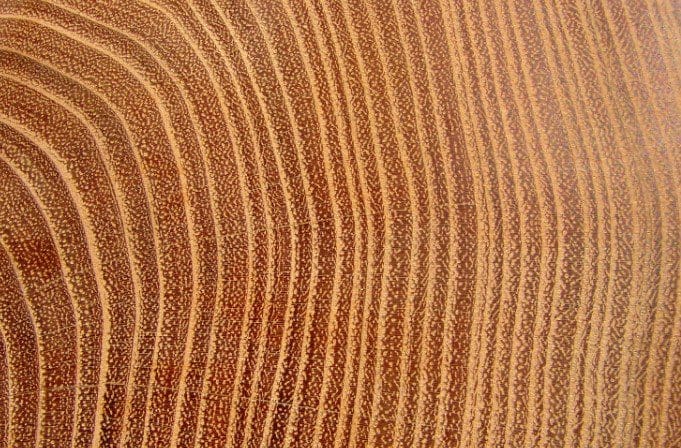
- Distinctive Grain: Acacia features a highly irregular, wavy grain pattern that makes every single piece of furniture completely unique. It naturally boasts warm, rich tones ranging from golden amber to deep mahogany.
- Naturally Antimicrobial: The wood contains natural oils that make it highly resistant to bacteria and fungal growth, which is why it is widely used for premium kitchen cutting boards and salad bowls.
- Extreme Density: On the Janka Hardness Scale (the industry standard for measuring wood density), Acacia routinely scores higher than classic heavyweights like white oak, hickory, and bamboo.
Durability: Can It Go Outside?
Because of its incredible density and natural oils, Acacia wood is highly resistant to scratches, dents, and everyday wear and tear. A high-quality Acacia dining table can easily last 40 years without ever needing to be sanded or refinished.
When it comes to outdoor patio furniture, Acacia is an excellent choice, but it does have its limits. Acacia is highly water-resistant, but it is not 100% waterproof.
If you leave untreated Acacia furniture sitting in a puddle of standing water or buried under winter snow, the prolonged moisture exposure will eventually cause it to swell or warp. Furthermore, if it sits in direct, blazing sunlight all summer, the rich amber colors will naturally fade into a silvery-gray patina (much like Teak wood does). To get the maximum lifespan out of outdoor Acacia pieces, keep them under a covered patio or use a waterproof furniture cover during heavy storms.
To keep your Acacia furniture looking brand new and to maintain its water resistance, you should oil it once or twice a year. Avoid silicone-based furniture polishes, as they can dry out the wood over time. Instead, use a high-quality boiled linseed oil or specialized teak oil. Apply a thin coat with a soft cloth, let it soak in for 20 minutes, and aggressively buff away the excess.
Sustainability: Is Acacia Eco-Friendly?
Yes! Acacia is considered one of the most sustainable hardwoods on the planet. Unlike slow-growing hardwoods (like mahogany or oak) that take decades to mature, certain species of Acacia can grow over an inch per day in the right conditions. This rapid growth cycle means the trees can be harvested and replenished much faster, drastically reducing the impact on global deforestation.
When shopping, always look for furniture that is labeled as FSC-Certified. This guarantees that the wood was sourced from forests that meet the strict environmental and ethical standards of the Forest Stewardship Council.
Frequently Asked Questions
Is Acacia wood furniture a good value for money?
Absolutely. While Acacia is generally more expensive than softwoods like pine or manufactured MDF, it is often significantly cheaper than premium hardwoods like teak or mahogany. Its extreme durability and scratch resistance mean you will not have to replace the furniture for decades, making it an excellent long-term investment.
How do I clean an Acacia wood table?
Maintenance is incredibly simple. For daily cleaning, just wipe the surface down with a damp cloth and warm, mildly soapy water. Never use harsh chemical cleaners, bleach, or ammonia, as these will strip the natural oils and destroy the wood’s protective finish.
Can I leave Acacia wood furniture outside in the winter?
It is highly discouraged. While the wood is tough, the freeze-thaw cycle of snow and ice can force moisture deep into the wood grain, causing microscopic cracks to expand and eventually split the wood. You should move Acacia patio furniture into a garage or shed during the winter, or securely wrap it in a heavy-duty, breathable waterproof cover.








Comments are closed.