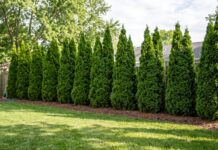


















But let’s be honest right away: buffalo grass is not the perfect lawn for everyone.
It is not ideal for shady backyards. It is not the best choice for constantly wet climates. It does not stay dark green all winter. And if you want a lush, golf-course-style lawn that looks emerald green every month of the year, this native grass may disappoint you.
However, if your goal is a low-water, low-maintenance, heat-tolerant lawn that fits naturally into dry, sunny landscapes, buffalo grass can be one of the smartest turf choices available.
Known botanically as Bouteloua dactyloides, buffalo grass is a warm-season perennial grass native to the shortgrass prairies of North America. It evolved under intense sun, drought, wind, poor soils, grazing pressure, and extreme temperature swings.
That background is exactly why modern homeowners are rediscovering it.
Instead of forcing a thirsty imported lawn grass to survive in a hot, dry yard, buffalo grass lets you build a lawn that actually matches the climate.
Quick Answer: Is Buffalo Grass Good for Lawns?
Yes, buffalo grass can be an excellent lawn choice for sunny, dry, low-traffic yards where water conservation matters. It is drought tolerant, naturally low-growing, and requires less mowing and fertilizer than many traditional turf grasses. However, it performs poorly in shade, dislikes wet soil, and turns tan or straw-colored during dormancy.
What Is Buffalo Grass?
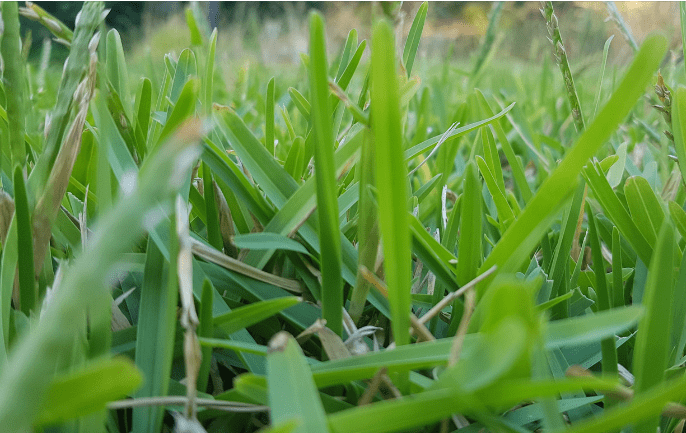
Buffalo grass is a native North American warm-season turfgrass that spreads mostly by above-ground runners called stolons.
Those stolons root at the nodes and slowly create a dense, interlocking mat of turf. That growth habit helps buffalo grass fill bare areas over time and recover from light wear when growing conditions are favorable.
Unlike cool-season grasses such as Kentucky bluegrass, tall fescue, and perennial ryegrass, buffalo grass is most active during warm weather. It greens up later in spring, grows strongest during summer, and naturally goes dormant when temperatures drop in fall.
That seasonal rhythm is important to understand before planting it.
If you expect buffalo grass to behave like a dark green cool-season lawn, you may think something is wrong when it turns straw-colored in winter. In reality, that dormancy is part of its survival strategy.
Why Homeowners Choose Buffalo Grass
- Excellent drought tolerance once established
- Lower mowing needs than many traditional lawns
- Reduced fertilizer requirements
- Good fit for sunny, dry yards
- Native prairie grass with ecological value
- Soft, fine-textured appearance
- Natural blue-green to gray-green color during active growth
Buffalo grass works best when you stop trying to manage it like a high-input suburban lawn and start treating it like a native low-water turf system.
Who Should Plant Buffalo Grass?
Buffalo grass is a strong choice for homeowners who want a practical, drought-conscious lawn rather than a high-maintenance showpiece.
I would seriously consider it if your yard has hot summers, full sun, and you are tired of watering constantly just to keep turf alive.
It is especially useful for:
- Sunny front yards: especially where traditional turf struggles in summer heat.
- Low-water landscapes: ideal for homeowners trying to reduce irrigation.
- Native plant gardens: fits naturally with prairie, xeriscape, and wildlife-friendly designs.
- Large open lawns: where mowing and watering traditional turf becomes expensive.
- Vacation properties: useful where constant lawn care is unrealistic.
Buffalo grass is not about creating the darkest green lawn on the block.
It is about creating a lawn that needs fewer inputs and looks appropriate in hot, dry conditions.
Who Should Not Plant Buffalo Grass?
This is the section many lawn guides skip, but it matters.
Buffalo grass is excellent in the right situation and frustrating in the wrong one.
Buffalo Grass Is Not Ideal For:
- Shady yards with less than 6 hours of direct sun
- Wet climates or poorly drained soil
- Homeowners who want a dark green winter lawn
- High-traffic play areas used heavily by kids or dogs
- People who expect instant turf from seed
- Lawns that need to look manicured year-round
If your yard is shaded by mature trees, buffalo grass will thin out and struggle. If your soil stays wet for long periods, root and disease issues become more likely. If your dogs run the same path every day, the turf may not recover quickly enough.
For those situations, you may need a different lawn approach or a mixed landscape with paths, mulch, groundcovers, or hardscape areas instead of forcing grass where it does not belong.
Buffalo Grass Pros and Cons
| Pros | Cons |
|---|---|
| Very drought tolerant once established | Poor shade tolerance |
| Requires less mowing than many turf grasses | Slow establishment from seed |
| Low fertilizer needs | Turns tan during dormancy |
| Native North American grass | Not ideal for heavy traffic |
| Good for sunny, dry yards | Can be outcompeted by weeds during establishment |
Buffalo Grass Growing Requirements
Buffalo grass is tough, but it still has preferences.
The better you match those preferences, the faster your lawn establishes and the fewer problems you will have later.
Best Time to Plant Buffalo Grass
The most common buffalo grass mistake is planting too early.
Because buffalo grass is a warm-season grass, it needs warm soil to germinate and establish properly. If you seed when the ground is still cold and damp, germination will be slow, uneven, or poor.
In most regions, the best planting window is late spring through early summer, once soil temperatures are consistently warm and the danger of frost has passed.
Planting Timing Rule
Do not rush buffalo grass seed into cold soil. Wait until the weather is consistently warm and the soil has warmed enough to support active germination.
That delay can feel strange if you are used to cool-season grass seeding in early spring or fall, but buffalo grass behaves differently.
How to Plant Buffalo Grass Seed
Buffalo grass can be established by seed, plugs, or sod, but seed is often the most affordable option for homeowners covering larger areas.
The tradeoff is patience.
Buffalo grass seed does not produce an instant lawn. It can take weeks to germinate and much longer to fully fill in, especially if weeds compete during the early stage.
Step-by-Step Planting Process
- Remove existing turf and weeds: Buffalo grass seedlings do not compete well against established weeds or aggressive turf.
- Prepare a firm seedbed: Loosen only the surface layer, then smooth and firm the soil.
- Broadcast seed evenly: Use a spreader for better coverage across larger areas.
- Lightly rake the surface: Seed should be shallow, not buried deeply.
- Roll or press the soil: Good seed-to-soil contact improves germination.
- Keep the surface moist: Water lightly and frequently until seedlings establish.
- Reduce watering gradually: Shift to deeper, less frequent watering as roots develop.
What to Look for in Buffalo Grass Seed
When buying buffalo grass seed, look for certified seed, low weed content, clear planting-rate instructions, and cultivars suited to your region. Avoid vague seed mixes that do not clearly explain what is included.
Pro Tip
The seedbed should be firm enough that your shoes do not sink deeply into the soil. Buffalo grass seed needs contact with soil particles, not a fluffy surface full of air pockets.
Should You Use Seed, Plugs, or Sod?
The best establishment method depends on your budget, timeline, and patience level.
| Method | Best For | Main Drawback |
|---|---|---|
| Seed | Large areas and lower budgets | Slowest establishment |
| Plugs | Smaller lawns or targeted areas | Requires spacing and time to fill in |
| Sod | Fastest lawn coverage | Most expensive option |
If you want the cheapest route and are willing to manage weeds carefully, seed makes sense.
If you want faster coverage and fewer establishment headaches, plugs or sod may be worth the extra cost.
Best Tools for Planting Buffalo Grass
You do not need a truckload of professional equipment to plant buffalo grass, but a few tools make the job far easier and more consistent.
For small patches, you can seed by hand. For larger lawns, a broadcast spreader helps avoid thin spots and uneven coverage.
Useful Tool: Broadcast Spreader
A broadcast spreader helps apply buffalo grass seed more evenly across larger areas. It also becomes useful later for spreading slow-release fertilizer, soil amendments, or other lawn products.
Useful Tool: Lawn Roller
After spreading buffalo grass seed, lightly rolling the area can improve seed-to-soil contact. This is especially helpful when the prepared seedbed is loose or uneven.
Watering Buffalo Grass
Buffalo grass has two completely different watering phases: establishment and maintenance.
During establishment, the seedbed needs consistent moisture. The surface should not dry out completely before seedlings have rooted.
That may require light watering once or more per day in hot, dry weather.
Once the lawn is established, the strategy changes.
Instead of frequent shallow watering, buffalo grass performs better with deep, infrequent watering. This encourages roots to grow deeper and helps the lawn tolerate drought more effectively.
Avoid the Overwatering Trap
Established buffalo grass does not need to be treated like thirsty cool-season turf. Too much water can encourage weeds, disease pressure, and weak growth.
If the grass goes dormant during drought, that does not always mean it is dead. Buffalo grass can turn tan to conserve resources, then green back up when moisture returns.
Fertilizing Buffalo Grass
Buffalo grass is a light feeder.
This is one of its biggest advantages and also one of the easiest ways homeowners accidentally ruin it.
Too much nitrogen can push weak, excessive top growth and increase mowing needs. It can also reduce the low-input advantage that makes buffalo grass appealing in the first place.
Most established buffalo grass lawns need far less fertilizer than traditional turf lawns.
If you fertilize, use a modest amount during active summer growth rather than early spring while the grass is still dormant.
Simple Fertilizer Rule
Feed buffalo grass lightly, only when it is actively growing, and avoid high-nitrogen programs designed for aggressive cool-season lawns.
Mowing Buffalo Grass
Buffalo grass gives homeowners two very different aesthetic options.
You can manage it like a simple turf lawn, or you can let it keep a more natural prairie look.
The Manicured Lawn Look
For a cleaner lawn appearance, mow buffalo grass around 2 to 3 inches tall. This keeps the turf more uniform while still preserving its low-maintenance character.
You will usually mow far less often than you would with fast-growing cool-season grasses.
The Natural Prairie Look
If you prefer a softer, native landscape style, buffalo grass can be left mostly unmowed.
It naturally stays shorter than many turf grasses and forms a relaxed, meadow-like appearance. Some homeowners mow once in early spring to remove old dormant growth and allow fresh growth to emerge cleanly.
My Take
Buffalo grass looks best when you stop forcing it to imitate Kentucky bluegrass. Let it look like a native low-water lawn, and it becomes much easier to appreciate.
Does Buffalo Grass Turn Brown in Winter?
Yes.
Buffalo grass naturally goes dormant when temperatures drop. During dormancy, the lawn turns tan, straw-colored, or golden brown.
This is normal and expected.
It does not mean the lawn is dead.
The roots and crowns remain alive, and the grass greens up again when warm weather returns.
For some homeowners, winter dormancy is the dealbreaker. For others, the seasonal color change is part of the natural prairie aesthetic.
If year-round green color is your top priority, buffalo grass may not be the right fit.
Common Buffalo Grass Problems
Buffalo grass is tough, but it is not problem-free.
Most issues come from planting it in the wrong site or managing it like a high-input lawn.
Common Problems Include:
- Poor germination: often caused by cold soil, buried seed, or poor seed-to-soil contact.
- Weed invasion: common during slow establishment if the seedbed was not properly prepared.
- Thinning in shade: buffalo grass needs strong sun to maintain density.
- Weak growth from overwatering: frequent shallow irrigation reduces drought toughness.
- Brown winter color: normal dormancy, not a disease.
- Traffic damage: repeated wear can create thin areas.
Occasional pests such as chinch bugs or white grubs may appear, but serious pest pressure is usually less common when the lawn is healthy and not overwatered.
Converting to a Native Buffalo Grass Lawn?
Removing old turf, grading the soil, correcting drainage, and preparing a clean seedbed can make or break a buffalo grass project. If you are replacing a large lawn, a local lawn or landscaping professional can save serious time.
Find Top-Rated Lawn Pros on Angi
Sponsored affiliate link. Professional availability and services vary by location.
Is Buffalo Grass Good for Dogs and Kids?
Buffalo grass can handle light to moderate use, but it is not the toughest choice for heavy daily traffic.
If your kids play occasionally on the lawn or your dog wanders around the yard, buffalo grass may be fine.
But if you have a large dog that runs the same path every day, or children using the lawn as a sports field, buffalo grass may thin out in those wear zones.
For heavy-use areas, consider combining buffalo grass with:
- mulch paths
- stepping stones
- gravel walkways
- designated dog runs
- hardscape play zones
A smart landscape design usually performs better than expecting one grass type to solve every problem.
Environmental and Economic Benefits
The biggest reason many homeowners switch to buffalo grass is water savings.
Traditional turf can become expensive and difficult to maintain in hot, dry summers. Buffalo grass reduces that pressure because it evolved to survive with less water once established.
It also usually requires less mowing and less fertilizer, which can reduce maintenance costs and environmental impact over time.
From an ecological standpoint, using native grasses can help create a yard that fits better with regional conditions. Buffalo grass also pairs beautifully with native wildflowers, drought-tolerant shrubs, gravel paths, and prairie-style planting beds.
This is where buffalo grass becomes more than a lawn.
It becomes part of a lower-input landscape system.
Final Thoughts
Buffalo grass is not a miracle lawn, and it is not the right choice for every yard.
But in the right setting, it can be outstanding.
If your yard is sunny, hot, dry, and expensive to irrigate, buffalo grass gives you a realistic way to maintain usable turf without fighting nature all summer.
The key is setting proper expectations.
It establishes slowly. It dislikes shade. It turns tan in dormancy. It does not love heavy traffic.
But once established in the right conditions, buffalo grass can become a durable, beautiful, low-water lawn that feels far more appropriate than forcing thirsty turfgrass into a climate where it does not belong.
Frequently Asked Questions
Is buffalo grass good for lawns?
Yes, buffalo grass can be excellent for sunny, low-water lawns in warm or dry regions. It is best for homeowners who want drought tolerance and lower maintenance rather than year-round dark green color.
When should you plant buffalo grass?
Buffalo grass should usually be planted in late spring or early summer once soil temperatures are consistently warm. Planting too early in cold soil often leads to poor germination.
How long does buffalo grass take to establish?
Buffalo grass can take several weeks to germinate and several months to fill in well. Full establishment may take a full growing season or longer depending on seed quality, weather, soil preparation, and weed pressure.
Does buffalo grass turn brown in winter?
Yes. Buffalo grass naturally goes dormant in cool weather and turns tan or straw-colored. This is normal and does not mean the grass is dead.
Can buffalo grass grow in shade?
Buffalo grass has poor shade tolerance. It performs best with at least 6 hours of direct sun and usually looks best with 8 or more hours of sunlight.
Is buffalo grass good for dogs?
Buffalo grass can tolerate light to moderate dog activity, but it may thin out under heavy repeated traffic, especially along fence lines, paths, or high-use play areas.
Does buffalo grass spread?
Yes. Buffalo grass spreads by stolons, which are above-ground runners that root at the nodes and help the lawn fill in over time.
How often should buffalo grass be watered?
Newly seeded buffalo grass needs consistent surface moisture during establishment. Once established, it should usually be watered deeply and infrequently rather than with frequent shallow irrigation.