












A cold hardy avocado tree sounds almost too good to be true: creamy avocados from your own yard, even if you do not live in a perfect tropical climate. The real answer is more careful than the sales page usually makes it sound.
Some avocado trees are more cold tolerant than others, especially Mexican and Mexican-hybrid types. But “cold hardy” does not mean freeze-proof. A mature, established tree in a protected yard may survive a short cold snap that would badly damage a young tree, a potted tree, a windy exposed tree, or a poorly drained tree.
That is why the best cold hardy avocado tree is not just the one with the lowest temperature claim. It is the variety that fits your winter lows, microclimate, soil drainage, planting site, frost-protection plan, and expectations for fruit quality.
Some avocado trees are more cold hardy than others. Mexican and Mexican-hybrid varieties are usually the best place to start if you want an avocado tree for a cooler climate.
Cold hardy does not mean no protection. Young avocado trees are more vulnerable than mature trees, and wind, wet soil, frost pockets, and repeated freezes can cause serious damage.
Best candidates to research: Mexicola, Brogdon, Gainesville, Winter Mexican, Lila or Opal, Joey, Poncho, and similar cold-tolerant Mexican-type selections sold by reputable nurseries.
Big rule: buy for your lowest winter temperatures, not for a nursery headline.
Choose a grafted cold hardy avocado tree from a nursery that names the exact variety, rootstock or propagation method when available, mature size, shipping size, cold-tolerance claim, and whether the tree is suitable for your region.
What “Cold Hardy Avocado Tree” Really Means
A cold hardy avocado tree is an avocado variety with better cold tolerance than tender tropical avocado types. In practical home-garden terms, it means the tree may survive short dips into colder temperatures when mature and established, especially if planted in a protected location.
It does not mean the tree will fruit reliably in every cold region. It also does not mean the leaves, young growth, flowers, graft union, or small branches will escape damage during every freeze.
Cold Hardiness Depends On:
- Variety
- Tree age
- Rootstock
- Whether the tree is grafted or seed-grown
- Soil drainage
- Wind exposure
- Frost pocket risk
- Duration of the freeze
- How quickly temperatures drop
- Daytime warm-up after the freeze
- Mulch and irrigation management
- Freeze protection for young trees
What Cold Hardy Does Not Mean
- It does not mean the tree is safe in every winter climate.
- It does not mean a young tree can handle the same cold as a mature tree.
- It does not mean the tree will fruit every year.
- It does not mean leaves and small branches will never burn.
- It does not mean a container tree can sit outside unprotected during a hard freeze.
- It does not mean a seed-grown avocado from the grocery store will behave like a named cold-hardy cultivar.
Best Cold Hardy Avocado Tree Varieties to Research
This is not fake hands-on testing. These variety notes are based on common cold-hardy avocado discussions, university extension guidance, nursery availability, and practical home-orchard buying concerns. Always verify current nursery stock, local success, and winter protection needs before ordering.
1. Mexicola Avocado Tree — Best Classic Cold-Hardy Name
Best for: gardeners who want a well-known Mexican-type avocado often mentioned for cold tolerance.
Mexicola is one of the classic names that comes up when people ask for cold hardy avocado tree varieties. It is usually valued more for cold tolerance and experimentation than for giant grocery-store-style fruit.
Why it makes sense: It is one of the first varieties many gardeners research when they want to push avocado growing into cooler areas.
Watch out for: confirm whether the nursery is selling true Mexicola, Mexicola Grande, or another related listing, because names can be confusing.
2. Brogdon Avocado Tree — Best Florida-Friendly Cold-Tolerant Option
Best for: warm-climate gardeners who still need better cold tolerance than tender tropical types.
Brogdon is often discussed as a cold-tolerant avocado option for parts of Florida and similar climates. It can be a strong choice where you want a named variety with better cold performance but still understand that freezes require caution.
Why it makes sense: It has a stronger real-world gardening presence than many obscure cold-hardy names.
Watch out for: it is not a magic tree for severe winter climates. Site selection and protection still matter.
3. Gainesville Avocado Tree — Best for Cold-Hardy Variety Research
Best for: serious gardeners comparing older cold-tolerant selections and regional success stories.
Gainesville is another variety name that appears in cold-hardy avocado discussions, especially when growers are looking for Mexican-type or Mexican-hybrid material.
Why it makes sense: It belongs in the shortlist when your main question is cold survival.
Watch out for: availability may be limited compared with more commercial nursery varieties.
4. Winter Mexican Avocado Tree — Best Name to Compare Carefully
Best for: gardeners comparing Mexican-type cold-hardy avocado trees for protected home landscapes.
Winter Mexican is often mentioned with cold-tolerant avocado selections. The name sounds promising, but you should still compare fruit quality, mature size, nursery source, and local success before buying.
Why it makes sense: It is one of the recognizable cold-hardy avocado variety names.
Watch out for: do not buy based on the word “Winter” alone. Confirm the actual variety and seller reputation.
5. Lila or Opal Avocado Tree — Best Nursery-Available Cold-Hardy Candidate
Best for: buyers searching current nursery listings for cold hardy avocado trees for sale.
Lila, sometimes discussed alongside Opal depending on nursery naming, is a popular cold-hardy avocado listing in the retail tree market. It is worth comparing if you want a named tree that is easier to find than some older or regional selections.
Why it makes sense: availability matters. The best theoretical variety is not helpful if you cannot buy a healthy grafted tree from a reliable nursery.
Watch out for: nursery claims vary. Check shipping size, graft status, chill damage policy, and customer reviews from similar climates.
6. Joey Avocado Tree — Best Experimental Home-Grower Option
Best for: gardeners who understand they are experimenting and want to compare multiple cold-tolerant varieties.
Joey is often discussed by home growers who are testing cold-hardy avocado limits. It may be interesting if you have a protected planting site and realistic expectations.
Why it makes sense: it gives hobby growers another variety to compare beyond the best-known names.
Watch out for: do not depend on one tree. If you are serious about fruit, compare multiple varieties and local grower reports.
7. Poncho, Fantastic, Wilma, or Brazos Belle — Best Texas-Style Comparison Group
Best for: gardeners comparing cold-hardy avocado trees often sold in Texas and southern nursery markets.
These names often appear in cold-hardy avocado discussions and nursery listings. They are worth researching when you want a tree that may handle cooler conditions better than standard tropical avocado types.
Why it makes sense: regional growers may have better real-world experience with these selections than national sales pages do.
Watch out for: names and claims can overlap or vary by seller. Buy from a nursery that clearly labels the cultivar.
What Is the Most Cold Hardy Avocado Tree?
The honest answer is that there is no single “most cold hardy avocado tree” for every yard. Mexicola, Gainesville, Winter Mexican, and similar Mexican-type selections often come up in cold-hardiness discussions, while nursery-available varieties such as Lila, Joey, Poncho, Fantastic, and related names may be easier for home gardeners to find.
The better question is: which cold hardy avocado tree has the best chance in your exact yard?
Choose Based On:
- Your lowest winter temperatures
- How often hard freezes happen
- Whether freezes last hours or days
- Wind exposure
- Soil drainage
- Whether you can protect the tree when young
- Whether you want a container tree or in-ground tree
- Local grower success with that variety
- Fruit quality and seed size
- Pollination needs and bloom timing
Reality check: cold-hardy avocado varieties can still lose leaves, small branches, flowers, or fruit after a freeze. Survival and reliable fruiting are not the same thing.
Cold Hardy Avocado Tree Growing Zone
Growing zone is useful, but it is not enough by itself. Avocados care about the actual winter event: how low the temperature drops, how long it stays cold, whether the tree is exposed to wind, how wet the soil is, and whether the tree warms up afterward.
A protected courtyard, south-facing wall, warm urban yard, or sheltered microclimate can behave differently from an open windy field in the same zone. A potted avocado on a patio also behaves differently from an in-ground tree with a larger root system.
Site Conditions That Help
- Full sun
- Protection from cold north winds
- Excellent drainage
- No low frost pocket
- Mulched root zone
- Room for mature growth
- Easy access for frost cloth or temporary protection
- Nearby thermal mass such as a wall, fence, or patio
Does a Cold Hardy Avocado Tree Need Full Sun?
Yes, avocado trees generally need full sun for strong growth and fruiting. In very hot climates, young trees may appreciate temporary afternoon protection while they establish, but long-term shade usually reduces growth and production.
The best planting spot gets strong sun, drains well, and avoids cold wind. Avoid planting in a low spot where frost settles. Also avoid heavy wet soil, because avocado roots dislike poor drainage.
How Big Is a Cold Hardy Avocado Tree?
Avocado tree size depends on the variety, rootstock, climate, pruning, and whether the tree is grown in a container or in the ground. In warm climates, avocado trees can become large landscape trees. In cooler marginal climates, freeze damage and pruning may keep them smaller.
Before buying, check the mature size listed by the nursery. A tree that looks small in a shipping box may eventually need serious space.
Size Questions to Ask Before Buying
- Is this tree grafted?
- What is the expected mature height?
- What is the expected spread?
- Can it be pruned smaller?
- Is it suitable for container growing?
- How large is the shipped tree?
- How long before fruiting under good conditions?
How to Care for a Cold Hardy Avocado Tree
Cold hardy avocado care starts before planting. The right variety helps, but the planting site and first few winters matter just as much.
1. Plant in the Warmest Suitable Spot
Choose a sunny, protected location with good drainage. A south-facing wall or warm microclimate can help in marginal areas.
2. Protect Young Trees From Freezes
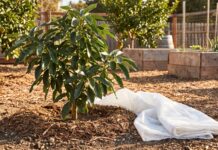
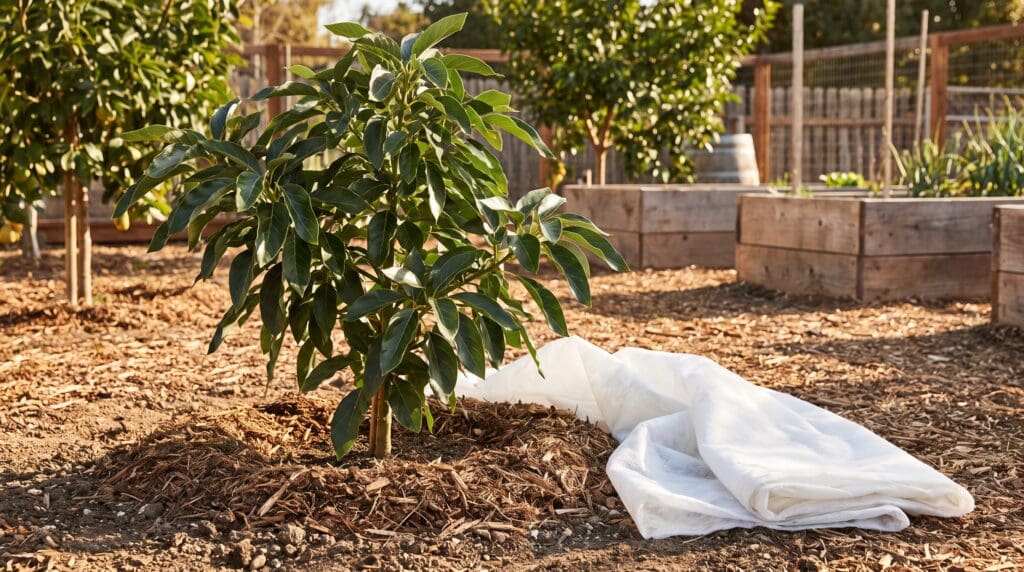
Young avocado trees are more vulnerable than mature trees. Use frost cloth, temporary covers, trunk protection, and sensible irrigation before cold events when appropriate.
3. Do Not Plant in Wet Soil
Avocados need drainage. Heavy wet soil can stress roots, slow growth, and make the tree less resilient.
4. Mulch Correctly
Mulch helps protect shallow roots and moderate soil conditions. Keep mulch away from direct contact with the trunk to reduce rot risk.
5. Water Deeply, Not Constantly
New trees need consistent moisture while establishing, but soggy soil is a problem. Adjust watering based on soil, weather, container size, and tree age.
6. Fertilize Carefully
Use fertilizer appropriate for avocado, citrus, or fruit trees if recommended for your region. Do not overfertilize a stressed or newly planted tree.
7. Prune With a Purpose
Remove dead, damaged, crossing, or freeze-killed growth after the danger of additional cold has passed. Avoid heavy pruning that exposes the tree to sunburn or stress.
Frost Cloth for Fruit Trees
A frost cloth can help protect young avocado trees during short cold events, especially when used before temperatures drop.
Citrus and Avocado Fertilizer
A suitable avocado or citrus fertilizer can support growth when used correctly. Follow the label and local extension recommendations.
Soil Moisture Meter
A moisture meter can help beginners avoid constantly watering a young avocado tree in heavy or slow-draining soil.
Cold Hardy Avocado Trees for Sale: What to Check Before Buying
Cold hardy avocado trees for sale can look very similar online, but the details matter. A cheap seedling with a vague name is not the same as a grafted named variety from a reputable nursery.
Before ordering, read the listing carefully. Do not buy only because the title says “cold hardy.”
Buying Checklist
- Exact variety name
- Whether the tree is grafted
- Tree age or shipping size
- Pot size
- Expected mature height
- Cold-tolerance claim
- Recommended growing zone
- Shipping restrictions
- Return or damage policy
- Whether the seller ships at the right season
- Customer reviews from similar climates
- Whether the tree is legal to ship to your state
Buying tip: a named grafted tree is usually a better bet than a seed-grown avocado if your goal is fruit. Seed-grown avocados can be unpredictable and may take much longer to fruit.
Container vs In-Ground Cold Hardy Avocado Tree
Container growing can be useful in cold climates because you can move the tree during dangerous cold events. The tradeoff is that container trees dry out faster, heat up faster, need more careful watering, and may never grow as large or productive as an in-ground tree.
Container Growing Makes Sense When:
- Your winters are too cold for reliable in-ground growing.
- You have a sunny patio or greenhouse space.
- You can move the tree before freezes.
- You are growing the tree as an experiment.
- You want easier frost protection while the tree is young.
In-Ground Growing Makes Sense When:
- Your climate is close to avocado-friendly.
- You have a protected sunny site.
- Your soil drains well.
- You can protect the tree during early winters.
- You want the best chance of long-term fruit production.
Large Planters for Patio Fruit Trees
Container-grown avocado trees need a sturdy pot with drainage. Start with a manageable container and size up as the tree grows.
Plant Caddies and Dollies
A rolling plant caddy can make it easier to move a container avocado tree before cold weather.
Will a Cold Hardy Avocado Tree Produce Fruit?
A surviving avocado tree is not always a productive avocado tree. Fruit depends on variety, tree maturity, pollination, climate, sunlight, nutrition, freeze damage, and whether flowers survive spring cold.
A grafted tree usually gives you a clearer path to fruit than a seed-grown tree. Still, cold events can damage flowers or young fruit even when the tree itself survives.
Fruit Production Is More Likely When:
- The tree is grafted.
- The variety fits your climate.
- The tree gets full sun.
- The roots are healthy.
- The tree is not repeatedly frozen back.
- The soil drains well.
- The tree is mature enough to flower.
- Pollination conditions are favorable.
7 Cold Hardy Avocado Tree Mistakes to Avoid
Mistake 1: Believing “Cold Hardy” Means Freeze-Proof
Cold hardy avocado trees still need the right variety, site, age, drainage, wind protection, and freeze protection during harsh cold events.
Mistake 2: Buying a Seedling When You Want Predictable Fruit
Seed-grown avocado trees can be unpredictable. A named grafted tree is usually better when fruit production is the goal.
Mistake 3: Planting in a Frost Pocket
Cold air settles in low spots. A protected warm microclimate can make a major difference for marginal avocado growing.
Mistake 4: Ignoring Drainage
Avocado roots dislike soggy soil. Poor drainage can weaken the tree before cold weather even arrives.
Mistake 5: Protecting the Leaves but Not the Graft or Trunk
For young grafted trees, the graft area and trunk are critical. Losing the graft can mean losing the named variety.
Mistake 6: Leaving a Potted Tree Outside During a Hard Freeze
Container roots are more exposed than in-ground roots. Move potted avocado trees to protection before dangerous cold.
Mistake 7: Expecting Hass-Style Grocery Fruit From Every Cold-Hardy Variety
Some cold-hardy avocados are grown mainly because they survive colder weather, not because they look or taste exactly like store-bought Hass avocados.
Final Verdict: Should You Buy a Cold Hardy Avocado Tree?
Buy a cold hardy avocado tree if your climate is close enough, you have a sunny protected site, you can manage freeze protection while the tree is young, and you are realistic about fruiting.
Do not buy one if your only plan is to plant it in an exposed windy spot and hope the word “cold hardy” handles winter for you. The variety matters, but so does the yard.
The smartest choice is usually a named grafted Mexican or Mexican-hybrid avocado from a reputable nursery, planted in the warmest protected part of your garden, with frost cloth ready before the first serious cold snap.
Cold Hardy Avocado Tree FAQ
Are avocado trees cold hardy?
Some avocado trees are more cold hardy than others. Mexican and Mexican-hybrid varieties are usually more cold tolerant than tender tropical types, but they still need the right site and protection during serious freezes.
How cold hardy are avocado trees?
Cold hardiness depends on variety, tree age, freeze duration, wind, soil moisture, and microclimate. Mature cold-tolerant varieties may handle short dips better than young or exposed trees.
What is the most cold hardy avocado tree?
Mexicola, Gainesville, Winter Mexican, Brogdon, and several nursery-sold Mexican-type selections are commonly researched for cold tolerance. The best choice depends on your climate and local grower success.
What is the best cold hardy avocado tree for sale?
The best tree for sale is a named grafted variety from a reputable nursery that clearly lists the cultivar, shipping size, cold-tolerance claim, growing recommendations, and state shipping rules.
Does a cold hardy avocado tree need full sun?
Yes. Avocado trees generally need full sun for strong growth and fruiting. Young trees in very hot climates may need temporary protection while establishing.
Can a cold hardy avocado tree grow in a container?
Yes, container growing can work for smaller or young trees, especially in climates where the tree must be moved during freezes. Use a large container with excellent drainage.
Can I grow a cold hardy avocado tree from seed?
You can grow an avocado from seed, but the result is unpredictable and may take years to fruit. A named grafted tree is usually better if you want known fruit and variety traits.
Do cold hardy avocado trees taste like Hass?
Not always. Some cold-hardy varieties have smaller fruit, thinner skin, different oil content, or different flavor than grocery-store Hass avocados.
How big does a cold hardy avocado tree get?
Size depends on variety, climate, rootstock, pruning, and whether the tree is grown in the ground or a container. Always check the mature size before planting near structures.
How long before a cold hardy avocado tree fruits?
A grafted tree may fruit sooner than a seed-grown tree, but timing depends on age, size, climate, care, and whether cold damages flowers or young growth.
Do I need two avocado trees for fruit?
Some avocado trees can fruit alone, but having compatible varieties may improve pollination in some situations. Check the flower type and local recommendations for your chosen varieties.
Can a cold hardy avocado tree survive snow?
A brief light snow is not always the same as a long hard freeze. Survival depends on temperature, duration, tree age, protection, and whether the tree warms up afterward.
How do I protect an avocado tree from frost?
Use frost cloth, protect the trunk and graft area, mulch the root zone, water appropriately before cold events when recommended, and move container trees to shelter.
Should I prune avocado freeze damage right away?
Usually it is better to wait until the danger of more freezes has passed and the extent of damage is clear. Removing too much too early can expose the tree to more stress.
Can cold hardy avocado trees grow in clay soil?
Heavy clay can be risky because avocados need drainage. If your soil stays wet, consider a raised mound, amended planting area, or container strategy.
Can I grow a cold hardy avocado tree indoors?
You can grow an avocado as a houseplant, but fruiting indoors is difficult. For fruit, outdoor sun, tree size, pollination, and climate are much more favorable.
Why did my cold hardy avocado lose leaves after a freeze?
Leaf drop can happen after cold damage, especially on young or exposed trees. Wait to see whether branches and the graft are still alive before deciding the tree is dead.
Is Mexicola avocado cold hardy?
Mexicola is one of the classic cold-hardy avocado names and is often researched by gardeners in cooler avocado-growing areas.
Is Brogdon avocado cold hardy?
Brogdon is often listed among more cold-tolerant avocado options for warm regions that still get occasional cold events.
What is the biggest mistake with cold hardy avocado trees?
The biggest mistake is treating “cold hardy” as a guarantee. Variety helps, but planting site, drainage, tree age, wind protection, and freeze protection decide success.
Join Garden Frontier for practical fruit tree care, gardening, plant protection, home improvement, tools, and seasonal growing advice.
100% free. No spam. Unsubscribe anytime.