













Orange flowers bring warmth, energy, and instant cheer to a garden. After more than 30 years of growing annuals, perennials, bulbs, vines, and container plants, I still use orange blooms when a border looks flat, a patio needs life, or a pollinator bed needs more movement.
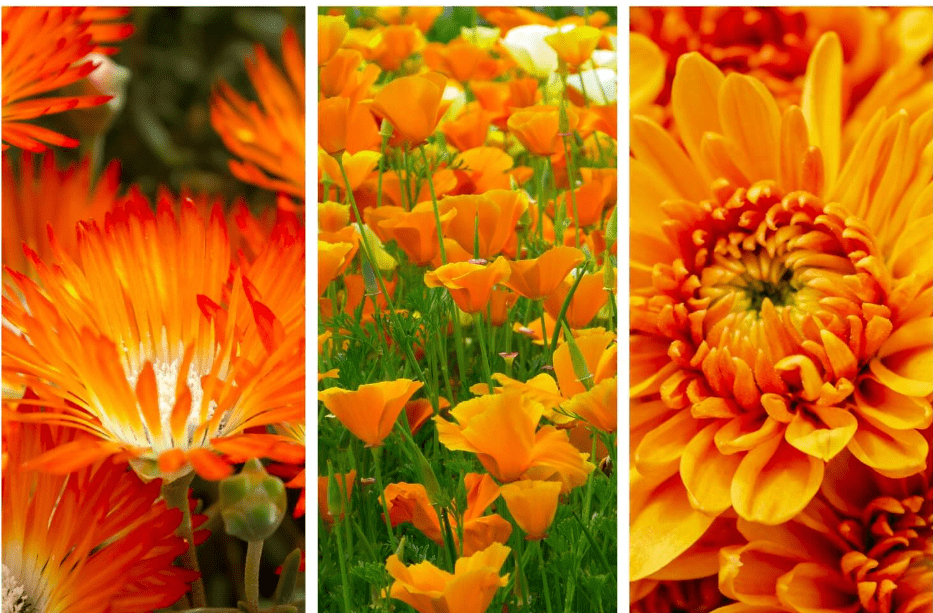
Orange is not a quiet color. It pulls the eye, lights up shade, blends beautifully with purple and blue flowers, and looks especially good against dark green foliage. The trick is choosing the right orange flower for your light, soil, climate, container size, and maintenance style.
The best orange flowers for easy color include marigolds, zinnias, calendula, California poppies, butterfly weed, daylilies, orange tulips, canna lilies, crocosmia, nasturtiums, lantana, New Guinea impatiens, begonias, and Mexican sunflower. Choose full-sun orange flowers for hot borders, shade-tolerant orange flowers for patios, and compact orange bloomers for containers.
Orange flowers often symbolize joy, enthusiasm, warmth, confidence, friendship, and celebration. In garden design, they create a lively focal point and make a planting feel more energetic.
How to Choose the Right Orange Flowers
Before choosing orange flowers, look at your growing conditions. Some orange bloomers love heat and dry soil. Others need cool weather, consistent moisture, or afternoon shade. Matching the plant to the site saves you work later.
Best for full sun: Marigolds, zinnias, Mexican sunflower, butterfly weed, California poppies, blanket flowers, and orange roses.
Best for shade or part shade: Begonias, New Guinea impatiens, flowering maple, and some orange pansies.
Best perennials: Daylilies, butterfly weed, crocosmia, Oriental poppies, coneflowers, and sneezeweed.
Best annuals: Marigolds, zinnias, calendula, nasturtium, Mexican sunflower, and California poppy in cold climates.
Best containers: Begonias, lantana, New Guinea impatiens, pansies, gerbera daisies, and compact marigolds.
30 Orange Flowers to Grow in Gardens and Containers
Here are some of the best orange flowers and orange garden-color plants to consider. I have grouped them by practical use instead of giving you a random encyclopedia list.
1. Marigolds (Tagetes spp.)
Best for: Easy annual color, vegetable gardens, borders, and containers.
Marigolds are one of the easiest orange flowers to grow from seed or transplants. They love full sun, tolerate heat, and bloom for a long season. French marigolds stay compact, while African marigolds produce larger blooms.
Gardener’s note: Keep faded blooms removed if you want the cleanest-looking display. For more details, see our guide on whether marigolds can ward off garden pests.
2. Zinnias (Zinnia spp.)
Best for: Cutting gardens, pollinator beds, and bold summer color.
Orange zinnias are bright, sturdy annuals that bloom from summer until frost. They prefer full sun and good airflow. Tall varieties are excellent for cut flowers, while compact varieties work well along walkways and in pots.
Gardener’s note: Avoid overhead watering if powdery mildew is a problem in your area.
3. Calendula (Calendula officinalis)
Best for: Cool-season orange color, edible petals, and cottage gardens.
Calendula, also called pot marigold, produces orange and yellow daisy-like flowers. It prefers cooler weather and may slow down in intense summer heat. The petals are edible and often used for color in salads and herbal preparations.
Gardener’s note: Calendula often reseeds if you let some flowers mature.
4. California Poppy (Eschscholzia californica)
Best for: Low-water gardens, wildflower beds, and sunny slopes.
California poppies produce silky orange flowers above feathery blue-green foliage. They thrive in full sun and well-drained soil. Once established, they are very drought tolerant.
Gardener’s note: These flowers often close at night or during cloudy weather, so plant them where they receive strong sun.
5. Butterfly Weed (Asclepias tuberosa)
Best for: Native gardens, monarch support, dry borders, and pollinator beds.
Butterfly weed is one of the best orange perennials for pollinators. It produces clusters of bright orange flowers and handles dry, well-drained soil better than many perennials.
Gardener’s note: It has a deep taproot and dislikes transplanting, so choose the planting spot carefully.
6. Mexican Sunflower (Tithonia rotundifolia)
Best for: Tall annual color, butterflies, and back-of-border planting.
Mexican sunflower produces hot orange daisy-like flowers on tall, vigorous plants. It loves heat, sun, and space. Butterflies flock to it when it is in bloom.
Gardener’s note: Give it room. This is not a tiny patio plant unless you choose a compact variety.
7. Orange Tulips (Tulipa spp.)
Best for: Spring color, formal beds, and bulb displays.
Orange tulips range from soft apricot to deep flame orange. They bloom in spring and look excellent with purple, blue, white, or dark burgundy flowers. For unusual forms, orange parrot tulips add ruffled, dramatic petals.
Gardener’s note: Many hybrid tulips perform best as short-term bulbs. Species tulips and some reliable cultivars are more likely to return.
8. Orange Lily (Lilium bulbiferum and related lilies)
Best for: Summer borders and vertical flower structure.
Orange lilies bring strong vertical lines and large blooms to summer gardens. They prefer full sun to part sun and well-drained soil. Their color works beautifully with blue salvia, purple coneflower, and silver foliage plants.
Safety note: True lilies are extremely toxic to cats. Avoid them where cats may chew plants.
9. Daylilies (Hemerocallis spp.)
Best for: Low-maintenance perennial color.
Orange daylilies are tough, adaptable perennials that bloom in summer. Each flower lasts only a day, but established clumps produce many buds. They tolerate a range of soils and are reliable in sunny borders.
Gardener’s note: Divide crowded clumps when flowering declines.
10. Crocosmia ‘Lucifer’
Best for: Hummingbirds, fiery summer color, and sword-like foliage.
Crocosmia ‘Lucifer’ is usually red-orange to scarlet, but it reads as hot orange in mixed plantings. It produces arching stems of tubular flowers above upright leaves and attracts hummingbirds.
Gardener’s note: In some gardens, crocosmia spreads faster than expected. Keep an eye on the clump.
11. Canna Lily (Canna spp.)
Best for: Tropical-looking containers and bold summer displays.
Canna lilies produce large foliage and bright flowers in shades of orange, red, yellow, pink, and cream. They love heat, sun, moisture, and rich soil.
Gardener’s note: In cold climates, lift and store rhizomes before winter or grow them as annuals.
12. Oriental Poppies (Papaver orientale)
Best for: Dramatic late-spring perennial flowers.
Orange Oriental poppies produce large, papery blooms that stop people in their tracks. They bloom in late spring to early summer, then the foliage often fades back during hot weather.
Gardener’s note: Plant later-emerging perennials nearby to cover the gap after poppy foliage goes dormant.
13. Chrysanthemums (Chrysanthemum morifolium)
Best for: Fall containers and late-season garden color.
Orange chrysanthemums bring warm autumn color to porches, patios, and borders. They prefer full sun and well-drained soil. Garden mums can return in some climates if planted early enough to establish roots.
Gardener’s note: For perennial performance, plant mums in spring rather than using only fall florist mums.
14. Gerbera Daisies (Gerbera jamesonii)
Best for: Containers, cut flowers, and bright patio color.
Orange gerbera daisies have large, clean flowers that look almost too perfect to be real. They prefer bright light, good drainage, and steady moisture without soggy roots.
Gardener’s note: Keep the crown slightly above soil level to reduce rot problems. See our guide to growing vibrant gerbera daisies.
15. Begonias (Begonia spp.)
Best for: Shade, containers, hanging baskets, and indoor color.
Begonias are some of the best orange flowers for bright shade. Wax begonias, tuberous begonias, and Rieger begonias can all bring orange, apricot, salmon, or coral tones to patios and indoor spaces.
Gardener’s note: Orange Rieger begonias are especially useful for containers and bright indoor spots. For a deeper care guide, read our Rieger begonia care guide.
16. New Guinea Impatiens (Impatiens hawkeri)
Best for: Part shade, containers, and colorful bedding.
Orange New Guinea impatiens are a strong choice for gardeners who need shade-tolerant color. They have larger flowers than common impatiens and often show attractive foliage too.
Gardener’s note: Keep them evenly moist, but do not let containers sit in water.
17. Lantana (Lantana camara)
Best for: Hot sunny containers, butterflies, and drought-tolerant color.
Lantana produces clusters of small flowers in orange, yellow, red, pink, and mixed tones. It loves heat and sun once established. Butterflies visit it constantly.
Safety note: Lantana can be invasive in warm regions and parts of the plant can be toxic if eaten. Check local guidance before planting it in the ground.
18. Nasturtium (Tropaeolum majus)
Best for: Edible flowers, trailing containers, and cottage gardens.
Nasturtiums produce orange, yellow, red, and cream flowers with round leaves. The flowers and leaves have a peppery flavor and are often used in salads.
Gardener’s note: Too much fertilizer can produce lush leaves with fewer flowers.
19. Pansies (Viola × wittrockiana)
Best for: Cool-season containers and early spring or fall color.
Orange pansies add cheerful color when many summer annuals are not active. They prefer cool weather and can handle light frost better than tender annuals.
Gardener’s note: In hot climates, treat pansies as cool-season plants rather than summer performers.
20. Flowering Maple (Abutilon hybrids)
Best for: Containers, mild climates, and porch plants.
Flowering maple produces dangling bell-like flowers in orange, red, yellow, pink, and peach shades. It is not a true maple, but the leaves can resemble maple foliage.
Gardener’s note: In cold climates, grow it in a container and overwinter it indoors.
21. Chinese Lantern (Physalis alkekengi)
Best for: Fall color and dried arrangements.
Chinese lantern is grown for its papery orange husks rather than showy petals. It creates strong autumn interest and dries well for arrangements.
Safety note: This plant can spread aggressively and unripe berries can be toxic. Plant with caution.
22. American Bittersweet (Celastrus scandens)
Best for: Fall berries and wildlife plantings.
American bittersweet is grown for orange-yellow capsules that split open to reveal red-orange berries. It is a vine, not a typical bedding flower, but it adds strong orange fall color.
Gardener’s note: Avoid confusing native American bittersweet with invasive Oriental bittersweet. Buy from a reputable nursery.
23. Trumpet Vine (Campsis radicans)
Best for: Hummingbirds, fences, arbors, and large spaces.
Trumpet vine produces orange to red-orange tubular flowers that hummingbirds love. It is vigorous, woody, and capable of covering structures quickly.
Gardener’s note: This is not a polite little vine. Give it space and manage suckers. See our trumpet vine care tips.
24. Crown Imperial (Fritillaria imperialis)
Best for: Dramatic spring bulb displays.
Crown imperial produces tall stems topped with a crown of orange, red, or yellow bell-shaped flowers. It adds height and drama to spring gardens.
Gardener’s note: Plant bulbs in very well-drained soil. Wet soil can cause bulbs to rot.
25. Carnations (Dianthus caryophyllus)
Best for: Cut flowers, fragrance, and container color.
Orange carnations are less common than pink or red types but can be striking in containers and arrangements. They prefer well-drained soil and good airflow.
Gardener’s note: Dianthus generally dislikes soggy soil and heavy humidity.
26. Roses (Rosa spp.)
Best for: Fragrance, structure, and long-season color.
Orange roses range from soft apricot to copper, coral, and fiery tangerine. They look beautiful with blue salvia, lavender, catmint, and ornamental grasses.
Gardener’s note: Choose disease-resistant landscape roses if you want lower maintenance. You may also like our comparison of ranunculus vs roses.
27. Sneezeweed (Helenium spp.)
Best for: Late-summer perennial borders and pollinators.
Despite the name, sneezeweed is not usually a major allergy plant because its pollen is heavy and sticky. Orange and copper heleniums bring warm color late in the season.
Gardener’s note: It prefers consistent moisture and full sun.
28. Bird of Paradise (Strelitzia reginae)
Best for: Tropical gardens, large containers, and architectural foliage.
Bird of paradise produces orange and blue flowers that resemble a tropical bird. It is a dramatic plant with large leaves and strong structure.
Gardener’s note: It needs bright light and patience. Young plants may take time before flowering. Read more in our bird of paradise guide.
29. Coneflowers (Echinacea spp.)
Best for: Pollinator gardens, sunny borders, and drought-tolerant perennial beds.
Orange coneflower cultivars add warm color to the classic coneflower shape. They attract bees and butterflies and pair well with ornamental grasses.
Gardener’s note: Give them full sun and avoid overly rich, wet soil.
30. Orange Blossom (Citrus sinensis)
Best for: Fragrance, citrus trees, containers, and warm climates.
Orange blossoms are white rather than orange, but they belong in this list because they come from the sweet orange tree and are famous for fragrance, bridal symbolism, orange blossom water, and citrus honey.
Gardener’s note: If you grow citrus in containers, consistent nutrition matters. See our citrus tree fertilizer guide for timing and feeding tips.
Best Orange Flowers for Full Sun
Choose: Marigolds, zinnias, Mexican sunflower, butterfly weed, California poppies, orange roses, crocosmia, canna lilies, and coneflowers.
My advice: Full-sun orange flowers usually need good drainage. Heat-tolerant does not mean they want soggy soil.
Best Orange Flowers for Shade and Part Shade
Choose: Begonias, Rieger begonias, New Guinea impatiens, flowering maple, and pansies in cool weather.
My advice: Shade plants still need light. Bright shade is much better than a dark corner.
Best Orange Flowers for Containers
For containers, I prefer orange flowers that stay compact, bloom for a long time, and recover quickly from trimming. Good choices include marigolds, zinnias, begonias, Rieger begonias, lantana, calendula, gerbera daisies, nasturtiums, and New Guinea impatiens.
Use a container with drainage holes, a fresh potting mix, and enough water to keep plants from wilting in heat. Small containers dry out faster than gardeners expect.
Orange Flowers to Use Carefully
Some orange flowers are beautiful but need extra thought before planting.
Lantana: Can be invasive in warm regions and can be toxic if eaten.
Chinese lantern: Can spread aggressively and unripe berries can be toxic.
Trumpet vine: Vigorous and can sucker heavily.
True lilies: Extremely toxic to cats.
Canna, crocosmia, and some vines: Can spread in favorable climates, so watch their growth.
Best Tools and Supplies for Orange Flower Gardens
Flower Seed Mix
Good for filling sunny beds with annual orange blooms like zinnias, marigolds, calendula, and poppies.
Well-Draining Potting Mix
Best for orange flowers in containers, especially begonias, gerberas, impatiens, and flowering maple.
Bypass Pruners
Useful for deadheading, trimming spent stems, and keeping flowering plants tidy.
Bloom Fertilizer
Helpful for container flowers that bloom heavily through spring, summer, or fall.
My Gardener’s Verdict
Orange flowers are some of the most useful plants in a garden because they do what soft colors cannot: they wake up a planting. Use them when a border looks dull, when you want more pollinator activity, or when containers need a bold focal point.
For the easiest results, start with marigolds, zinnias, calendula, butterfly weed, California poppies, daylilies, begonias, New Guinea impatiens, and lantana in containers. Then add more dramatic plants like canna lilies, crocosmia, crown imperial, trumpet vine, or bird of paradise when you have the space and climate for them.
Frequently Asked Questions About Orange Flowers
What are the easiest orange flowers to grow?
Marigolds, zinnias, calendula, California poppies, nasturtiums, and daylilies are among the easiest orange flowers for most gardeners.
What orange flowers come back every year?
Orange perennials include daylilies, butterfly weed, crocosmia, Oriental poppies, coneflowers, sneezeweed, and some lilies, depending on your climate.
What orange flowers grow well in shade?
Begonias, Rieger begonias, New Guinea impatiens, flowering maple, and cool-season pansies can bring orange color to shade or part-shade areas.
What orange flowers attract butterflies?
Butterfly weed, zinnias, Mexican sunflower, lantana, coneflowers, and calendula are excellent orange flowers for butterflies and other pollinators.
What orange flowers are best for containers?
Begonias, Rieger begonias, marigolds, lantana, gerbera daisies, New Guinea impatiens, nasturtiums, and compact zinnias are good orange flowers for containers.
Are orange flowers good for pollinators?
Yes. Many orange flowers attract bees, butterflies, hummingbirds, and other pollinators, especially zinnias, butterfly weed, Mexican sunflower, lantana, crocosmia, and trumpet vine.
What do orange flowers symbolize?
Orange flowers often symbolize joy, excitement, warmth, friendship, enthusiasm, creativity, and celebration.
Are any orange flowers toxic to pets?
Yes. True lilies are extremely toxic to cats, and plants such as lantana, Chinese lantern, and some other ornamentals can also be unsafe if eaten. Always check plant toxicity before planting around pets.
Join the free Garden Frontier list for flower guides, garden design ideas, container tips, and practical plant care advice from real growing experience.
100% free. No spam. Unsubscribe anytime.