









Growing dill can be a rewarding endeavor. This aromatic herb is a staple in many kitchens, offering a unique flavor to a variety of dishes.
But how do you grow dill successfully?
In this article, we will discuss essential tips for growing dill, from seed germination to plant care. We’ll cover everything you need to know, whether you’re a beginner or an experienced gardener.
You’ll learn about the ideal conditions for dill growth, how to start your seeds indoors, and when to transplant them outdoors. We’ll also discuss how to care for your dill plants to ensure a healthy, bountiful harvest.
So, if you’re ready to add this versatile herb to your garden, keep reading. Let’s dive into the world of growing dill.
Dill and Its Growth Requirements
Dill is a sun-loving herb that thrives in well-draining soil. It needs a location with at least 6-8 hours of sunlight daily.
The optimal temperature for dill growth is between 60-70°F (15-21°C). This makes it suitable for spring and summer planting.
Before planting, it’s crucial to prepare the soil. Ensure the soil is enriched with compost for healthier growth.
Key requirements for growing dill include:
- Full sunlight
- Well-drained, slightly acidic soil
- Consistent, moderate watering
Dill is known for its fast growth rate. With proper conditions, you’ll notice sprouting within two weeks.
What Does a Dill Plant Look Like?
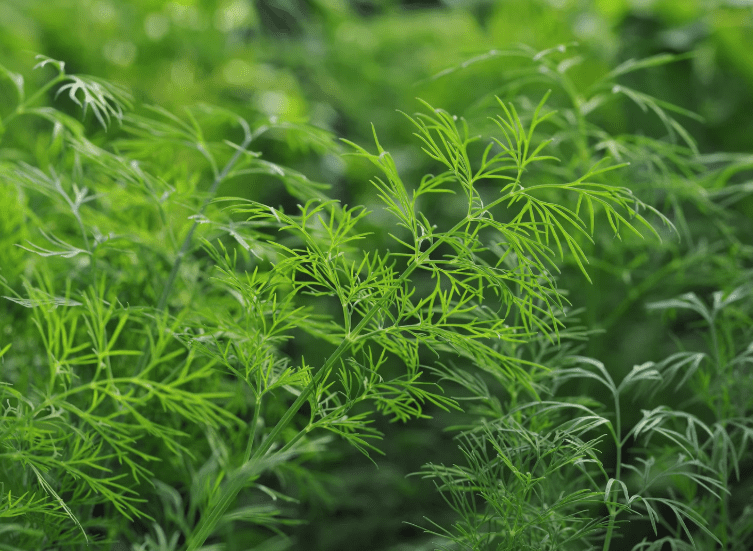
A dill plant is easily recognizable by its feathery, delicate leaves. It also sports small, bright yellow flower clusters.
These flowers not only beautify your garden but attract beneficial insects too. Overall, dill’s elegant, tall structure is a garden favorite.
Is Dill a Perennial?
Dill is primarily an annual herb, but it can self-seed. This means it might return unexpectedly in the following season.
While not a true perennial, dill’s ability to self-sow can give the appearance of a perennial. This makes it an easygoing addition to your garden.
Starting Your Dill Seeds Indoors
To get a head start, you can begin dill seeds indoors. This is ideal 4-6 weeks before your last frost date.
Start by filling seed trays with a good seed-starting mix. Moisten the soil lightly for the best results.
Plant seeds about 1/4 inch deep and cover them gently. Maintain a warm and consistent temperature for optimal germination.
Remember these tips when starting dill seeds indoors:
- Use shallow seed trays or pots.
- Keep the soil moist but not waterlogged.
- Ensure air circulation around the trays.
How Long for Dill Seeds to Germinate
Dill seeds usually germinate within 7-14 days under proper conditions. Temperature and moisture affect germination times.
A consistent temperature of around 68-72°F (20-22°C) is ideal. Monitor soil moisture to avoid dryness or oversaturation.
Does Dill Need Light to Germinate?
Dill seeds do not require light to germinate. It’s more important to ensure warmth and proper moisture levels.
Once the seedlings appear, move them to a sunny location. This will help them grow strong and healthy for outdoor transplanting.
Planting Dill Outdoors
After the last frost, your dill seedlings are ready to move outdoors. Select a well-draining garden spot with full sun exposure.
Prepare the soil by mixing in some organic compost. This enhances growth and nutrient uptake.
Transplant seedlings carefully to minimize root disturbance. A gentle watering after planting helps them settle in.
Important tips for outdoor planting:
- Choose a wind-protected spot.
- Ensure soil is fertile and drains well.
- Plan for future dill growth and space accordingly.
How Deep to Plant Dill Seeds
When planting dill seeds directly outside, ensure they are 1/4 inch deep. Cover lightly with soil to aid germination.
This depth helps maintain moisture, which is vital for seed sprouting. Avoid burying seeds too deep to prevent delays in germination.
Where to Plant Dill
Choose a sunny area for planting dill to ensure optimal growth. Dill favors 6-8 hours of direct sunlight daily.
Plant dill near vegetables like cabbage and onions. Avoid proximity to tomatoes to prevent growth inhibition.
Dill Spacing in the Garden
Proper spacing is key for dill to flourish. Space dill plants about 12-18 inches apart.
Adequate spacing ensures good air circulation and prevents disease. It allows plants room to grow bushy and strong.
Caring for Your Dill Plants
Caring for dill plants involves regular observation and maintenance. Ensure they get proper nutrients and moisture.
Fertilizing is generally unnecessary for dill. However, a light compost application can be beneficial for growth.
Keep the area around your dill free of weeds. Weeds compete for nutrients and can affect dill’s development.
Essential care tips:
- Monitor soil moisture levels frequently.
- Remove weeds to foster better growth.
- Pinch back tops to encourage bushiness.
How Often to Water Dill
Water dill plants consistently, but avoid overwatering. The soil should stay moist, not waterlogged.
Typically, a deep watering once or twice a week suffices. Adjust based on weather and soil conditions.
Dill Plant Care and Maintenance
Thinning young dill plants promotes healthy growth. Make sure plants are not overcrowded.
Watch for pests like aphids and use organic solutions if needed. Regular maintenance ensures vibrant and productive plants.
Harvesting and Using Your Dill
Harvesting dill is a rewarding experience for herb gardeners. Frequent harvesting encourages new growth and a bushier plant.
Start collecting dill leaves when the plant is about 6 inches tall. This ensures that you’re using the freshest herbs in your dishes.
Dill leaves are best picked in the morning. That’s when their essential oils are most concentrated and flavorful.
Here’s how to use harvested dill:
- Add fresh leaves to salads.
- Use seeds in pickling recipes.
- Dry leaves or seeds for later use.
How to Grow Dill Leaves for Harvest
To grow lush dill leaves, focus on providing optimal growing conditions. Ensure your plant gets at least 6-8 hours of sunlight daily.
Regularly trim the plant by clipping the largest leaves. This trimming not only provides fresh herbs but also promotes new growth.
Can You Let Dill Flower?
Allowing dill to flower can be advantageous. When dill flowers, it attracts beneficial insects that help pollinate your garden.
However, once dill flowers, the leaves may taste slightly bitter. Flowering is best if you want to collect seeds for future planting.
Common Questions About Growing Dill
Many gardeners have questions about growing dill. Understanding its needs is key to success.
Can dill be grown indoors? Yes, dill thrives on a sunny windowsill.
Is dill easy to maintain? Absolutely, it’s a low-maintenance herb.
Here are some common questions about dill care:
- Does dill attract pests?
- How often should you fertilize dill?
- Why are my dill leaves turning yellow?
How to Grow Dill Weed Successfully
Growing dill weed involves nurturing healthy, vibrant plants. Use well-draining soil and avoid waterlogged conditions.
Ensure dill gets enough sunlight. At least six hours a day will support its growth.
Companion Planting with Dill
Dill makes an excellent companion plant. It can enhance the growth of certain garden vegetables.
Consider planting dill with cabbage and onions. This combination benefits from pest control and improved flavor.
Conclusion
Cultivating dill is a rewarding endeavor for any gardener. With minimal effort, you can enjoy this aromatic herb.
By ensuring proper care and understanding its growing needs, dill can thrive. Enjoy fresh leaves in your kitchen all season long.