














For years, my backyard garden was a constant disappointment. Tomatoes stayed small, peppers yellowed, and every heavy rain turned the beds into mud soup. Roots couldn’t breathe, water sat on the surface, and plants drowned or stunted. I blamed myself for overwatering until a master gardener friend visited and dug a small hole in one of my raised beds. He shook his head and said, “You’re fighting clay. What you need is sandy loam.

That single conversation changed everything. I spent one full season amending my beds to create real sandy loam soil, and my vegetable yield more than tripled. The plants grew stronger, produced bigger fruit, and the garden finally looked and performed the way I had always imagined.
I am writing this complete DIY homeowner guide so you can do the same. I will explain exactly what sandy loam soil is, how to test your own yard, how to make it at home, and exactly where to buy it in bulk or bags if you want to skip the mixing.
The Secret to a Perfect Garden (Why I Switched)
Heavy clay soil is the silent killer of backyard gardens. It compacts easily, drains poorly, and suffocates roots. My clay held water like a sponge after rain and turned rock-hard when dry. Plants struggled to establish deep roots, and I lost entire crops to root rot.
Sandy loam changed all that. It drains quickly enough to prevent waterlogging but holds enough moisture and nutrients for steady growth. Once I switched my raised beds to a proper sandy loam mix, my tomatoes went from golf-ball size to baseball size, and my herbs stayed lush all summer. The difference was night and day. If your garden feels heavy, compacted, or constantly wet or dry, sandy loam is often the missing piece.
What is Sandy Loam Soil?
Sandy loam is the “gold standard” soil texture for most vegetables, fruits, and ornamentals. It is a balanced mix that contains roughly 60% sand, 30% silt, and 10% clay. The high sand content gives excellent drainage and aeration so roots can breathe and excess water moves away quickly. The silt and clay fractions hold onto nutrients and moisture just long enough for plants to use them without staying soggy.
This perfect balance is why gardeners call it loam sandy loam or sandy loam dirt. It is loose enough for easy root penetration, rich enough to feed plants, and well-drained enough to prevent disease. Compared with pure sand (which dries out too fast) or heavy clay (which stays wet too long), sandy loam is the sweet spot that supports vigorous growth and high yields.
The DIY “Squeeze Test” (How to Check Your Soil)
🎬 Watch the 5-Second Squeeze Test:
You do not need a fancy lab to know what you are working with. The classic squeeze test is still the fastest way for homeowners to evaluate soil texture.
- Take a handful of damp (not soaking) soil from 4–6 inches deep.
- Squeeze it firmly in your palm.
- Open your hand and observe:
- If it stays in a tight, sticky ball that smears when rubbed → you have a high clay content.
- If it feels gritty, falls apart immediately, and leaves almost no stain, you’re mostly dealing with sand.
- If it forms a loose ball that breaks apart easily when poked but still feels slightly cohesive, you are close to loam-sandy perfection.
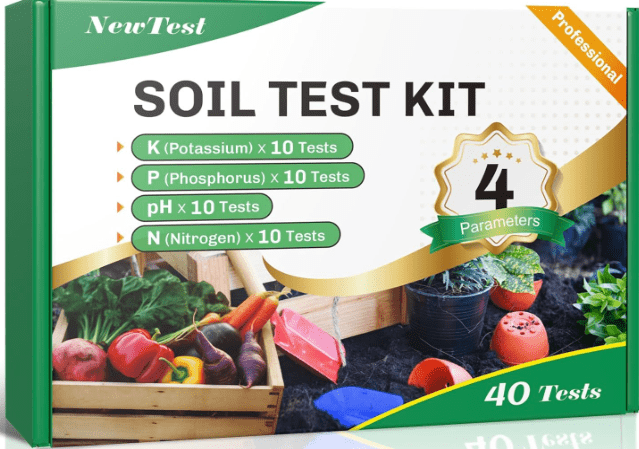
For a more accurate picture, I also recommend a simple home soil test kit that measures pH and basic nutrients.
How to Make a Sandy Loam Soil Mix at Home
Creating your own sandy loam soil mix is straightforward and far cheaper than buying it pre-mixed in large quantities.
My basic recipe for raised beds (per cubic yard):
- 60% coarse builder’s sand or horticultural sand (not play sand)
- 30% high-quality compost or aged manure
- 10% native topsoil or existing garden soil
Mix thoroughly in a wheelbarrow or on a tarp. For even better results, I add 10–15% perlite or pumice to improve aeration and a handful of worm castings for beneficial microbes. The result is a light, fluffy sandy loam potting soil that drains perfectly yet holds nutrients.
For existing in-ground beds, I top-dress with 2–3 inches of the mix and work it into the top 6–8 inches with a garden fork. Do this in early spring before planting.
Where to Buy Sandy Loam Soil (Bagged vs. Bulk)
Sometimes mixing your own is not practical. When I needed a large volume for new raised beds, I searched for sandy loam near me and found several good local options.
Bulk Sandy Loam Soil Near Me
For big projects, the cheapest route is ordering by the cubic yard from a local landscape supply yard or gravel pit. Search “bulk sandy loam soil near me” or “sandy loam topsoil near me.” Many yards deliver for a reasonable fee and can blend the mix to your exact ratio. Expect to pay $35–$60 per cubic yard delivered depending on your location.
Bagged Options at Big Box Stores
If you only need a few yards, big-box stores are convenient. Home Depot and local garden centers often carry bagged sandy loam for sale or “garden soil” blends labeled as a sandy loam soil mix. Quality varies, so check the label for sand content and avoid anything that feels too heavy or clay-like. Searching for sandy loam soil home depot online usually shows local in-store availability.

Frequently Asked Questions
What is sandy loam soil?
Sandy loam soil is a well-balanced soil type with roughly 60% sand, 30% silt, and 10% clay. It provides excellent drainage and aeration while still holding moisture and nutrients for strong plant growth.
Where can I buy sandy loam soil?
You can buy bagged versions at garden centers, Home Depot, or online. For larger projects, search local landscape supply yards for bulk delivery of sandy loam topsoil.
Where to buy sandy loam topsoil near me?
The cheapest way is by the cubic yard from a local gravel or soil yard. Search “bulk sandy loam soil near me” for delivery options in your area.
Is sandy loam good for grass?
Yes — it is excellent for lawns and turf because it prevents waterlogging, promotes deep root growth, and allows air to reach the roots easily.
Final Thoughts from My Own Backyard
Switching to sandy loam soil was the single biggest improvement I made in my garden. My vegetables are bigger, healthier, and more productive than ever before. The soil drains perfectly after rain yet stays moist enough during dry spells. If your garden feels heavy, compacted, or constantly struggles, take the time to test and amend with sandy loam. The results are worth every minute and every dollar.
Want More DIY Backyard Hacks? 🛠️
Fixing my soil completely changed how my garden grows. If you want more step-by-step DIY guides, honest product reviews, and real-world money-saving tips for your home and garden, head over to our homepage and join our free email newsletter!
You’ll get the smartest homeowner blueprints directly to your inbox—completely spam-free. Let’s build something great!