

















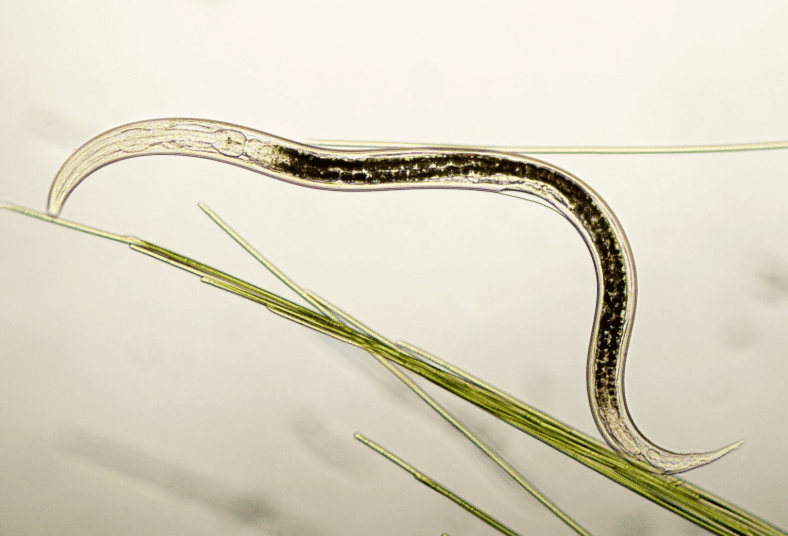
Beneath the surface of every thriving garden lies a complex ecosystem where microscopic heroes can make all the difference between plant health and devastation. Beneficial nematodes represent one of gardening’s most fascinating biological control agents – microscopic organisms that target and eliminate destructive pests while leaving your plants, beneficial insects, and soil ecology intact. These remarkable creatures are revolutionizing how gardeners approach pest management, offering a powerful alternative to chemical interventions that’s both effective and environmentally responsible.
What Are Beneficial Nematodes?
Beneficial nematodes are microscopic, unsegmented roundworms that naturally occur in soil environments worldwide. Despite their minuscule size (invisible to the naked eye), these organisms pack a powerful punch against garden pests. They belong primarily to two families – Steinernematidae and Heterorhabditidae – which contain several species of insect-parasitic nematodes7.
The most commonly deployed beneficial nematodes in garden settings include Steinernema carpocapsae, S. feltiae, S. glaseri, Heterorhabditis heliothidis, and H. bacteriophora, each with specific pest targets and environmental preferences. These microscopic predators actively hunt, penetrate, and destroy over 200 pests from up to 100 insect families, making them versatile allies in garden pest management.
What makes these organisms truly remarkable is their hunting method. Beneficial nematodes seek out susceptible hosts by detecting excretory products, carbon dioxide emissions, and temperature changes. Upon locating a host, juvenile nematodes (the infective stage) enter through natural openings like the mouth, anus, or breathing holes. Some species, like Heterorhabditids, can even pierce directly through the insect’s body wall. Once inside, they release symbiotic bacteria that quickly multiply, killing the host within 24-48 hours and converting the insect’s tissues into nutrients that nourish the nematodes.
Types of Beneficial Nematodes and Their Targets
Different nematode species excel at targeting specific pest problems, making species selection crucial for effective control:
Steinernema feltiae
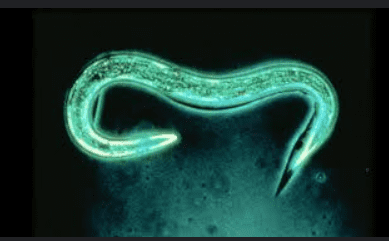
These cold-tolerant nematodes effectively control a wide range of soil-dwelling pests including fungus gnats, vegetable root flies, root weevils, and various insect larvae. They’ve become increasingly popular for greenhouse, nursery, orchard, and outdoor vegetable crop applications.
Steinernema carpocapsae
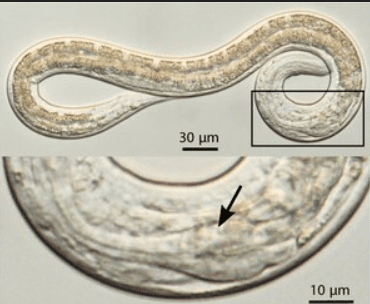
This versatile species targets wireworms, various caterpillars, and weevil and beetle larvae. Its adaptability to different temperature ranges makes it particularly effective against caterpillars across diverse growing conditions.
Heterorhabditis bacteriophora
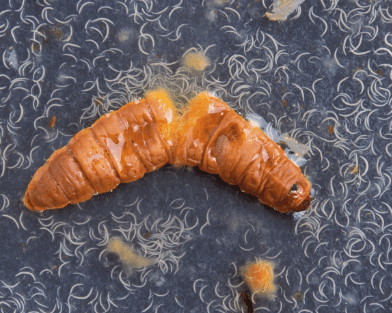
These specialized nematodes excel at controlling soil-dwelling insects such as Japanese beetles, white grubs, and root weevils. They’re frequently employed in turfgrass management and for protecting vegetable crops, blueberries, and other soft fruits from subterranean pests.
Pests Controlled by Beneficial Nematodes
The pest control capabilities of beneficial nematodes are impressively diverse. They effectively target grubs (the larval stage of various beetle species including Japanese beetles and June beetles), which feed on plant roots and cause wilting and brown patches in lawns.
Beyond grubs, beneficial nematodes control leatherjackets, ants, slugs, chafer grubs, fruit flies, carrot root fly, onion fly, gooseberry sawfly, codling moth, and vine weevils. They’re also effective against thrips, wireworms, and numerous fly larvae including fungus gnats, crane flies, and shore flies.
This extensive range makes nematodes particularly valuable in integrated pest management programs, complementing other control strategies while reducing reliance on chemical interventions.
Advantages of Using Nematodes for Pest Control
Targeted Precision
Unlike chemical pesticides that indiscriminately affect beneficial and harmful organisms alike, beneficial nematodes precisely target specific insect hosts. They release bacteria that infect and kill these hosts while leaving beneficial insects, plants, and non-target organisms unharmed.
Environmental Safety
Beneficial nematodes represent a completely natural, organic approach to pest control. They occur naturally in soil ecosystems and pose no threat to the environment, water sources, or beneficial organisms like bees, butterflies, and earthworms.
Safety for Humans and Pets
While lethal to target pests, beneficial nematodes are entirely non-toxic and safe for people, children, and pets. Their use requires no special protective equipment or waiting periods before garden re-entry, making them ideal for family gardens.
No Resistance Development
A significant advantage of beneficial nematodes is that insects cannot develop resistance to them as they do with chemical pesticides. This eliminates the cycle of needing increasingly stronger chemical treatments as pest populations adapt.
Extended Protection
Beneficial nematodes typically remain active in soil for approximately 18 months after application (depending on conditions), providing substantially longer protection than most chemical alternatives. This extended activity period means fewer treatments and better continuous protection.
Active Hunting
Rather than passively waiting for contact with pests, beneficial nematodes actively seek their targets. Some species even release pheromones that attract host insects, increasing their effectiveness in locating and eliminating pests.
How to Apply Beneficial Nematodes
Successful application of beneficial nematodes requires attention to several key factors:
Choosing the Right Species
Identify your specific pest problem and select the appropriate nematode species. Different species target different pests, so matching the nematode to the pest ensures optimal results.
Soil Preparation
Ensure soil is adequately moist before application by watering the area thoroughly 1-2 days prior. Nematodes require moisture to move through soil and reach target pests.
Timing Considerations
Apply nematodes during late afternoon or early evening to minimize exposure to direct sunlight, which can be harmful to them. Soil temperature should be above 5°C (including nighttime temperatures) for effective nematode activity.
Mixing and Application
Follow supplier instructions carefully. Typically, nematodes come in gel or powder form that needs mixing with non-chlorinated water. Apply the solution using a sprayer, watering can, or other suitable method, ensuring even distribution across the target area.
Post-Application Care
Water the treated area lightly after application to help nematodes penetrate the soil. Maintain adequate soil moisture for at least a week following application to support nematode movement and establishment.
Maximizing Effectiveness
For optimal results with beneficial nematodes, consider these professional tips:
Seasonal Timing
Apply nematodes when pest larvae are active and feeding, typically during spring and autumn. This timing ensures nematodes encounter vulnerable life stages of target pests.
Temperature Management
Most beneficial nematodes perform best when soil temperatures remain between 12°C and 30°C, though specific temperature preferences vary by species. Applications during extreme temperature periods may reduce effectiveness.
Dosage Considerations
For standard applications, one or two doses when larvae and grubs are present should suffice. However, severe infestations may require applications spaced 10-14 days apart to ensure complete coverage.
Visual Expectations
Unlike chemical pesticides that leave visible dead insects, nematodes disintegrate pests from the inside out. Don’t expect to see dead insect bodies; instead, monitor for diminishing pest activity and reduced plant damage.
Monitoring Results
Nematodes typically begin working within 3-7 days, with maximum effectiveness occurring over 2-4 weeks. Patience is essential when evaluating results.
Sourcing Quality Beneficial Nematodes
Beneficial nematodes can be purchased from reputable suppliers specializing in biological controls. Look for products that clearly identify the nematode species and target pests. Since nematodes are living organisms, proper storage prior to application is crucial – most require refrigeration but not freezing.
Online suppliers like Andermatt Home & Garden offer reliable beneficial nematode products. When purchasing, verify that products come with clear application instructions and have been properly stored to maintain nematode viability.
Conclusion
Beneficial nematodes represent a sophisticated yet accessible biological approach to garden pest management. Their precision targeting, environmental safety, and sustained effectiveness make them invaluable tools for gardeners seeking to reduce chemical dependence while maintaining effective pest control.
By understanding the different nematode species, their specific applications, and proper implementation techniques, gardeners can harness these microscopic allies to protect plants while preserving the garden ecosystem. In an era increasingly focused on sustainable practices, beneficial nematodes stand as testament to nature’s elegant solutions – proving that sometimes the most powerful garden helpers are the ones we cannot see.